Why an Old Himalayan Losing Weight Needs Its Thyroid Read
It’s truly disheartening to see our beloved Himalayan cats start to decline in their golden years, especially when they begin losing weight despite eating normally, or even more than usual. This perplexing situation can leave us feeling helpless and worried, wondering what on earth is going on with our once robust and fluffy companion. If your older Himalayan is shedding pounds without any apparent reason, it’s a critical sign that their thyroid gland needs immediate attention, and this guide is here to walk you through why and what to do next.
Understanding Weight Loss in Older Himalayans
Weight loss in an older cat is never something to ignore. While it might seem like a simple sign of aging, especially if their activity levels have slowed down, it often points to a more significant underlying health issue. For a Himalayan, with their luxurious, thick coats and naturally cobby build, these changes can be particularly difficult to spot until they're quite advanced. Their fluffy exterior can mask a lot of what's happening underneath, making us miss those crucial early warning signs.
The Subtle Signs Beyond Just Weight Loss
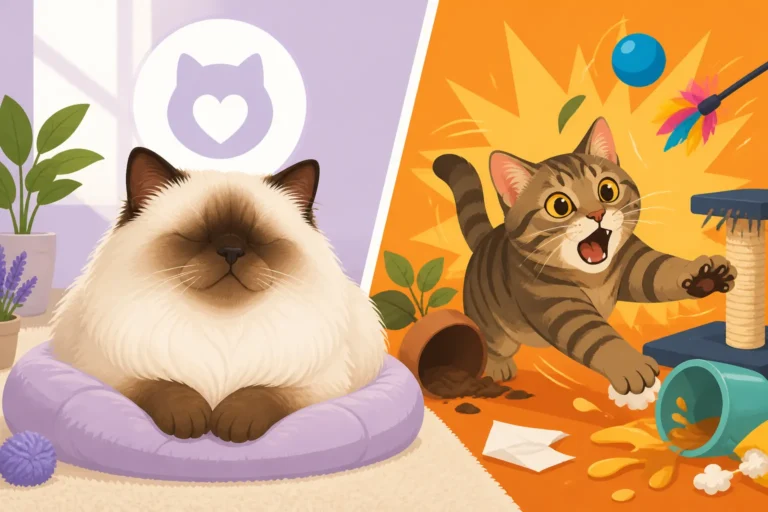
Beyond the noticeable decrease in body mass, there are other subtle indicators that something isn't quite right. You might notice your Himalayan becoming unusually restless or hyperactive, a stark contrast to their typical laid-back demeanor. They might be constantly hungry, perhaps even raiding the food bowl more frequently, yet still getting thinner. An increased thirst and more frequent urination are also common, making you wonder why your cat is constantly at the water bowl. Sometimes, their coat quality can suffer, becoming greasy or unkempt, despite your regular grooming efforts, which is a big deal for a breed known for its immaculate fur. You might even observe changes in their vocalization, perhaps becoming more vocal or "talkative" than usual, which, for a generally quiet breed, can be quite striking.
Why Weight Loss is Particularly Concerning for Himalayans
Himalayans are known for their sturdy, cobby frames and dense, long coats. This means that a significant amount of weight loss can occur before it becomes visually obvious to us, their devoted owners. Their deep ruff and thick fur around their chest and abdomen can effectively hide muscle wastage, making it feel like they're still quite substantial even as they're losing lean body mass. It takes a careful touch, truly getting your hands on them and feeling along their spine and ribs, to truly assess their body condition. Knowing how to find a Himalayan's ribs through a Persian coat can be a challenge, but it's essential for monitoring their health. By the time their weight loss is apparent just by looking, the underlying condition has often progressed considerably. Furthermore, Himalayans, especially those past twelve, often face other age-related health issues, and unexplained weight loss can either be a symptom of a new problem or exacerbate existing ones, such as early stages of kidney disease, which can also present with weight loss and increased thirst.
The Crucial Role of the Thyroid Gland
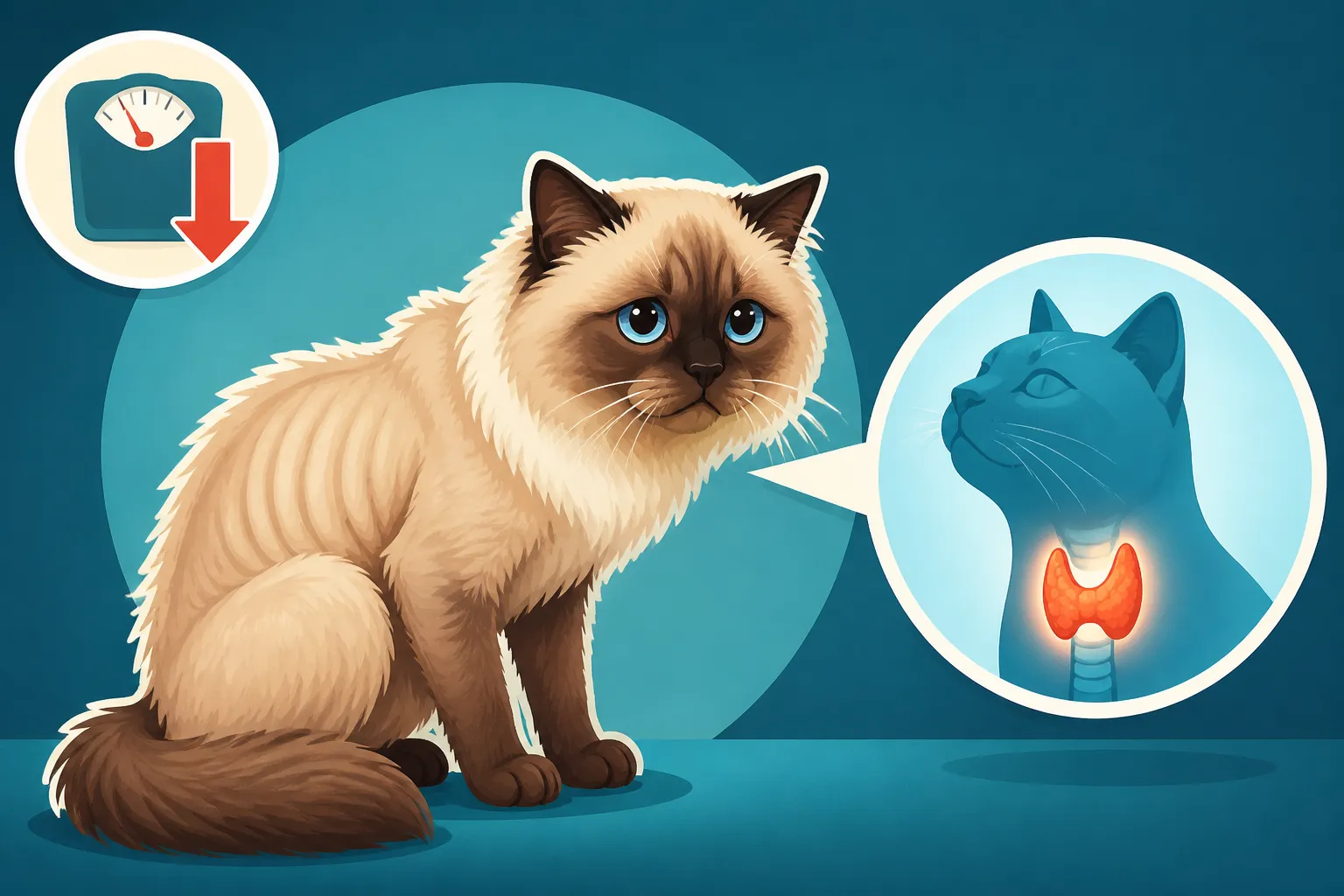
The thyroid gland, while small, plays an enormous role in regulating your cat's metabolism. It's like the engine's thermostat for their entire body, controlling how fast or slow everything runs. When this delicate balance is thrown off, it can have widespread effects, and in older cats, an overactive thyroid is a common culprit for a host of troubling symptoms, including that perplexing weight loss.
What the Thyroid Does in Cats
Located in your cat's neck, the thyroid gland produces hormones, primarily thyroxine (T4), which are vital for controlling metabolism. These hormones influence nearly every organ in the body, dictating energy production, heart rate, body temperature, digestion, and even cognitive function. Think of it as the master controller for how efficiently your cat's body uses energy. In a healthy cat, the thyroid releases just the right amount of these hormones to keep all systems running smoothly and at an optimal pace. It's a finely tuned system, and when it goes awry, the effects can be quite dramatic, yet often initially subtle.
Hyperthyroidism: The Overactive Gland
When an older Himalayan starts losing weight despite a ravenous appetite, the most likely cause pointing to the thyroid is hyperthyroidism. This condition occurs when the thyroid gland produces too much thyroid hormone. Instead of a gently humming engine, your cat's metabolism goes into overdrive, burning through calories at an accelerated rate. This increased metabolic rate leads to rapid weight loss, often accompanied by increased hunger because the body is constantly demanding more fuel. It can also cause a racing heart, increased blood pressure, restlessness, and an almost insatiable thirst, which naturally leads to more frequent urination. You might notice your cat pacing more, vocalizing more often, or even exhibiting aggressive behaviors they never displayed before. This hyper-metabolic state essentially "wears out" the body faster, putting a strain on the heart and other vital organs over time. It's a common condition in senior cats, typically affecting those aged eight years and older, and it's something every owner of an older Himalayan should be aware of.
Getting a Thyroid Diagnosis for Your Himalayan
If you're noticing those tell-tale signs – the unexpected weight loss, the increased appetite, the restlessness, or that extra thirst – it's time to book an appointment with your veterinarian. Don't delay, because while these symptoms point to hyperthyroidism, they can also overlap with other serious conditions. A proper diagnosis is the first and most crucial step towards getting your beloved cat the help they need.
The Initial Vet Visit and Physical Exam
When you bring your Himalayan in, your vet will start with a thorough physical examination. They’ll carefully palpate your cat's neck to feel for an enlarged thyroid gland, which can often be detected, although not always. They'll also listen to your cat's heart, checking for a fast heart rate or a heart murmur, which are common findings in hyperthyroid cats. Your vet will assess their overall body condition, noting muscle loss, particularly along the spine, and checking their coat and skin health. They might also look for signs of elevated blood pressure, another frequent side effect. Be prepared to discuss your cat's recent behaviors – their eating habits, water intake, activity levels, and any changes you’ve observed, no matter how small. Every piece of information you provide helps your vet piece together the puzzle, especially since Himalayans can be adept at hiding illness behind an expressionless face.
Blood Tests: The Definitive Answer
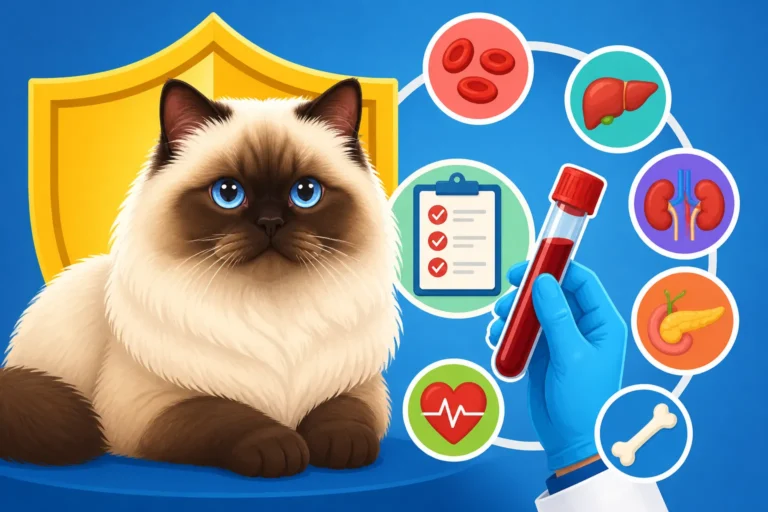
The definitive diagnosis of hyperthyroidism usually comes from a simple blood test that measures the levels of thyroid hormones in your cat's bloodstream, specifically T4. Elevated T4 levels are the most common indicator of an overactive thyroid. However, sometimes in early or mild cases, the T4 might be within the high-normal range, or even fluctuate. In such instances, your vet might recommend additional tests, such as a free T4 test, which measures the unbound, active hormone, or a T3 suppression test to confirm the diagnosis.
Alongside thyroid panels, your vet will likely recommend a comprehensive blood panel and urinalysis. This is crucial for two main reasons: firstly, to rule out other conditions that can cause similar symptoms, such as diabetes, inflammatory bowel disease, or kidney disease. Secondly, hyperthyroidism can sometimes mask underlying kidney disease. The increased blood flow caused by an overactive thyroid can temporarily improve kidney function readings, making the kidneys appear healthier than they are. Once hyperthyroidism is treated, true kidney function can sometimes decrease, so it's vital to have a baseline of kidney values before treatment begins. This is why a Himalayan's yearly bloods should cover after eight, including a full panel to catch these co-occurring conditions early.
The Importance of Early Detection
Catching hyperthyroidism early in your Himalayan is incredibly important. Untreated, the condition can lead to severe complications, including serious heart disease (cardiomyopathy), high blood pressure which can cause sudden blindness, and significant weight loss that can weaken your cat overall. The longer the thyroid remains overactive, the more damage it can inflict on vital organs. Early diagnosis allows for prompt treatment, which can stabilize your cat’s metabolism, prevent further organ damage, and significantly improve their quality of life and lifespan. It means fewer uncomfortable symptoms for your cat and less stress for you. Don't wait until the weight loss is drastic or your cat is visibly struggling; the sooner you act, the better the outcome.
Managing Hyperthyroidism in Your Senior Himalayan
Once your Himalayan is diagnosed with hyperthyroidism, the good news is that it's a very treatable condition. There are several effective options available, and your vet will work with you to determine the best course of action based on your cat's specific health profile, age, and any co-existing conditions. The goal is to return their thyroid hormone levels to a normal range, alleviating symptoms and protecting their long-term health.
Treatment Options: Oral Medication (Methimazole)
The most common and often first-line treatment for hyperthyroidism is oral medication, typically methimazole (Tapazole or Felimazole). This medication works by reducing the production of thyroid hormones by the gland. It's usually given twice a day, either as a pill or compounded into a transdermal gel that can be applied to the inner ear, which many cats and owners find easier than daily pilling. The initial dose is adjusted over time based on regular blood tests to ensure optimal thyroid hormone levels are achieved.
It's important to understand that methimazole is a lifelong treatment and requires consistent administration. Regular follow-up blood tests are crucial, especially in the initial weeks and months, to monitor thyroid levels and check for potential side effects. These can include gastrointestinal upset, lethargy, or, less commonly, more serious issues like liver problems or blood disorders. Your vet will guide you on the monitoring schedule and what to watch out for.
Dietary Management
While not a standalone cure, dietary management can play a supportive role, especially for cats that cannot tolerate medication or as a bridge to other treatments. A prescription diet specifically designed for hyperthyroid cats, such as Hill's Prescription Diet y/d, works by significantly restricting iodine intake. Since iodine is essential for the production of thyroid hormones, limiting it can help reduce the amount of hormones the overactive thyroid gland produces.
The key to success with an iodine-restricted diet is that it must be the only food your cat eats. No treats, no other cat food, and certainly no sharing food with other household pets. This can be a challenge in multi-cat households or with particularly discerning Himalayans who are used to a variety of foods. Given that a flat-faced Himalayan might struggle with certain bowl shapes or kibble sizes, selecting the right feeder and ensuring they accept the new food is important. Ensuring they get enough wet food, especially if they are already dealing with or are prone to kidney issues, is another consideration.
Radioiodine Therapy (I-131)
For many owners and vets, radioiodine therapy (I-131) is considered the "gold standard" treatment because it offers a permanent cure for hyperthyroidism in most cases. This involves a single injection of radioactive iodine, which is absorbed by the overactive thyroid cells, destroying them while sparing surrounding healthy tissue. The treatment is incredibly effective, with success rates often exceeding 95%.
The main drawback is that it requires a stay at a specialized veterinary facility for several days, sometimes up to a week, because the cat will be mildly radioactive and needs to be isolated until radiation levels drop to a safe limit. It also tends to be more expensive upfront than medication. However, for many, the long-term benefits of a cure, eliminating daily pills and ongoing monitoring costs, make it a worthwhile investment. This treatment is often recommended for otherwise healthy Himalayans, provided they are not suffering from advanced kidney disease, which, as discussed before, can be masked by the hyperthyroid state.
Surgical Thyroidectomy
Surgical removal of the thyroid gland (thyroidectomy) is another option, though it's less commonly performed than I-131 therapy due to the risks associated with anesthesia and potential complications. Surgery involves removing one or both lobes of the thyroid gland. If both are removed, lifelong thyroid hormone supplementation might be necessary.
Potential complications include damage to the parathyroid glands (which regulate calcium levels), leading to hypocalcemia, or incomplete removal of thyroid tissue, which could lead to recurrence. Given that a Himalayan is a harder anesthetic than a Siamese due to their brachycephalic airway, careful anesthetic management is paramount if surgery is considered. This option is typically reserved for cats where I-131 is not available, or oral medication is not tolerated or effective.
| Treatment Option | How it Works | Pros | Cons | Cost (Relative) |
|---|---|---|---|---|
| Oral Medication | Reduces hormone production | Non-invasive, widely available, adjustable dose | Daily administration, lifelong, potential side effects, ongoing monitoring costs | Low (Ongoing) |
| Dietary Management | Restricts iodine intake | Non-invasive, no medication needed | Strict adherence required (only this food), not a cure, can be challenging in multi-cat homes | Medium (Ongoing) |
| Radioiodine Therapy | Destroys overactive thyroid cells with radioactive iodine | Permanent cure (in most cases), single treatment | Requires hospitalization (isolation), higher upfront cost, limited availability, not suitable for all cats | High (One-time) |
| Surgical Thyroidectomy | Surgical removal of gland | Permanent cure (if successful) | Anesthetic risk, potential for complications (parathyroid damage), lifelong supplementation may be needed | High (One-time) |
Living with a Hyperthyroid Himalayan
Once treatment begins, whether it's daily medication, special diet, or a more permanent solution like radioiodine, living with a hyperthyroid Himalayan involves ongoing commitment and vigilance. Your role as their advocate remains paramount, ensuring they receive consistent care and monitoring for any changes that might signal a need for adjustment.
Monitoring and Follow-Up Care
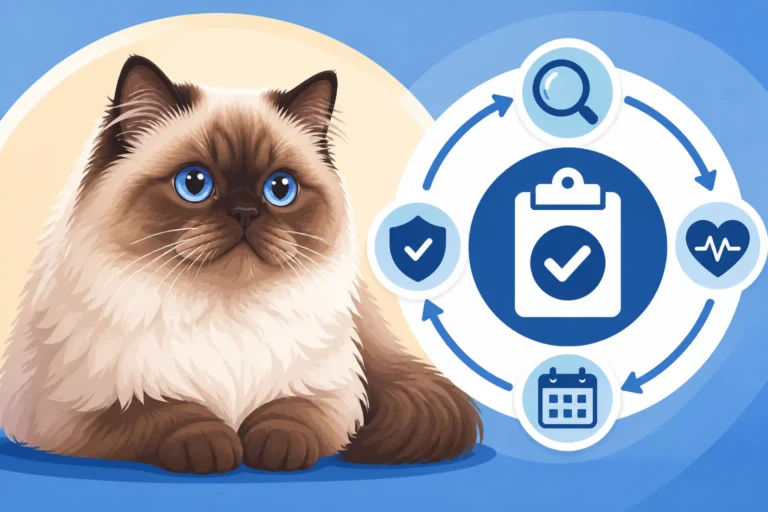
Regardless of the treatment chosen, regular follow-up visits with your veterinarian are non-negotiable. For cats on oral medication, this means frequent blood tests in the beginning to fine-tune the dosage, usually every 2-4 weeks, then every 3-6 months once stable. These blood tests will measure not only their thyroid hormone levels (T4) but also their kidney values, liver enzymes, and complete blood count to monitor for potential side effects and ensure overall health. Remember, hyperthyroidism can mask kidney disease, so close monitoring of kidney function is critical, especially after starting treatment.
Even after radioiodine therapy or surgery, follow-up blood work is necessary to confirm the success of the treatment and to monitor for potential hypothyroidism (underactive thyroid), which can occur if too much thyroid tissue was destroyed or removed. Your vet might also recommend checking blood pressure regularly. Keeping detailed notes on your cat's eating habits, water intake, litter box usage, energy levels, and overall demeanor at home will be immensely helpful for your vet in assessing their progress.
Quality of Life and Prognosis
With proper diagnosis and consistent treatment, the prognosis for a Himalayan with hyperthyroidism is generally excellent. Most cats respond very well to treatment and can go on to live many more happy, comfortable years. Their quality of life typically improves dramatically as their metabolism returns to normal: they regain lost weight, their appetite stabilizes, their energy levels normalize (often returning to their more relaxed, typical Himalayan selves), and any associated restlessness or hyperactivity subsides.
It's important to have realistic expectations, especially if your cat has co-existing conditions like kidney disease or heart disease. Treatment will aim to manage all conditions simultaneously, and sometimes a delicate balance must be struck. For instance, normalizing thyroid function can sometimes unmask or worsen kidney disease, requiring adjustments to fluid intake or diet. This is where comprehensive pet insurance like Healthy Paws can truly offer peace of mind, helping to cover the often significant costs of ongoing diagnostics and treatments for chronic conditions, allowing you to focus on your cat's care rather than the financial strain. Ultimately, the goal is to provide your senior Himalayan with the best possible quality of life for as long as possible, ensuring their golden years are as comfortable and joyful as they deserve to be.
Disclaimer
Please remember that the information provided in this guide is intended for educational purposes only and should not be considered a substitute for professional veterinary advice. Always consult with a qualified veterinarian for any health concerns or before making any decisions related to your pet's medical care.