Whether a Himalayan Kneads Its Chair Before Settling
Himalayan cat kneading behavior is a primal instinct linked to nursing, scent marking, and creating a comfortable resting spot.
Change the room, not the cat.
Litter box avoidance, scratching and furniture, multi-cat tension and night activity — and the vertical space, play routines and feeding puzzles that solve more than correction does.
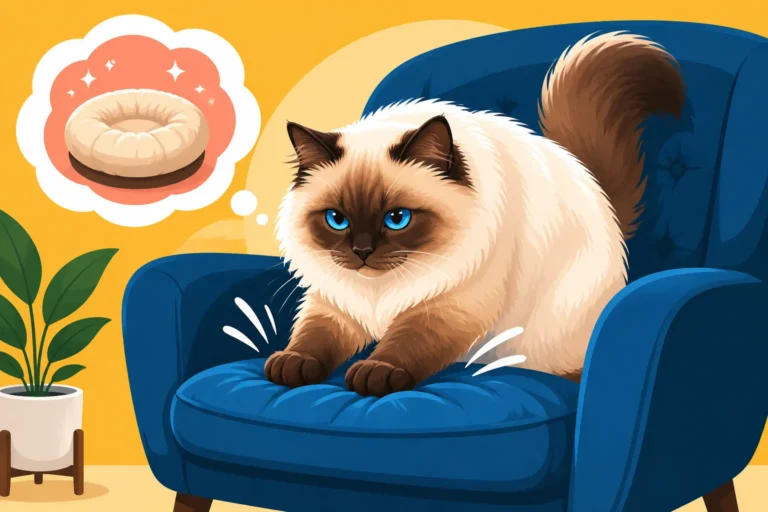
Himalayan cat kneading behavior is a primal instinct linked to nursing, scent marking, and creating a comfortable resting spot.

Himalayan cat genetics combine Siamese ancestry and Persian influence to explain why the breed purrs more than it meows.

Himalayan cats show displeasure through subtle behavioral cues, micro expressions, and slight changes in ear and eye positions.
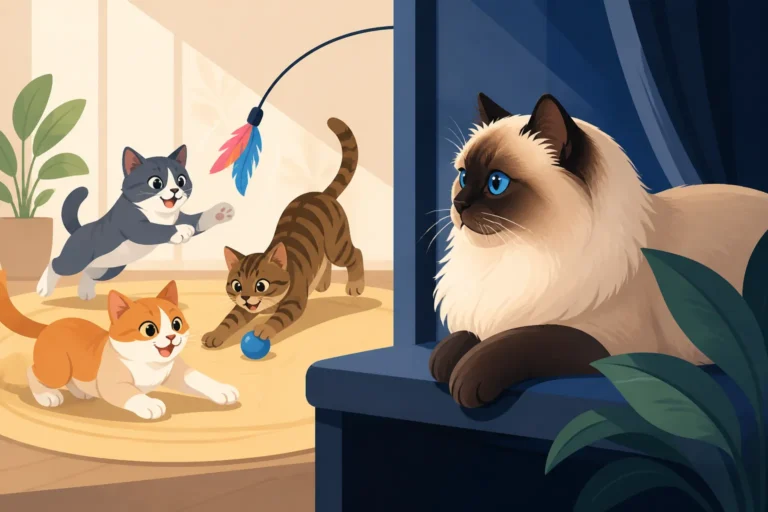
Himalayan cat behavior combines Persian calmness with Siamese vocal traits, explaining why this breed watches family activities instead of joining play.

Himalayan cat play styles and social dynamics reveal how these serene pets interact with another feline companion in the house.
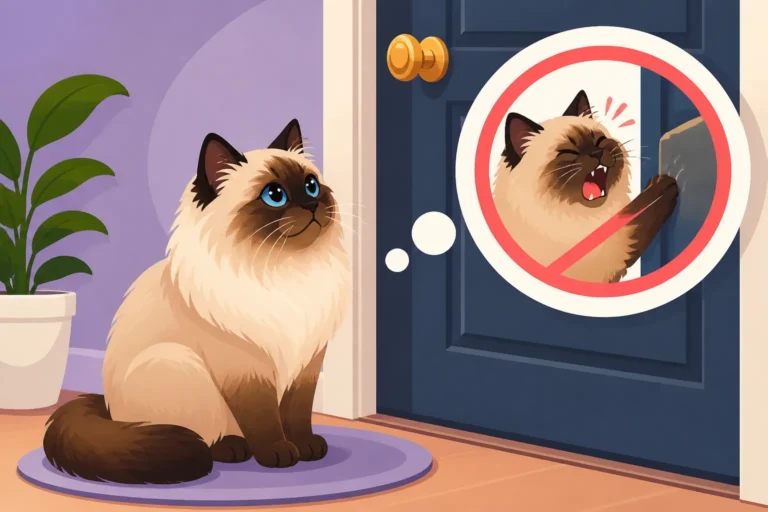
Himalayan cats wait quietly at closed doors because their mixed Siamese and Persian ancestry creates a serene and less vocal personality.

Himalayan cats combine Persian and Siamese traits to form intense, selective personal attachments with a single chosen household human.
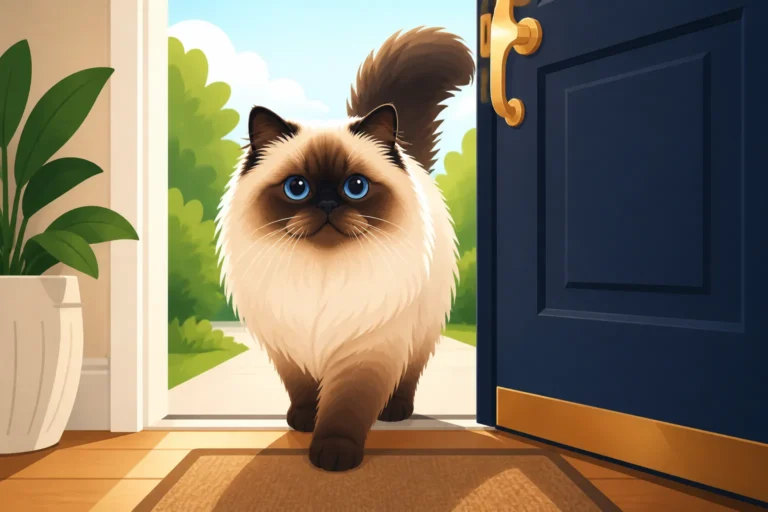
Himalayan cat greetings combine Persian calm and Siamese curiosity, featuring subtle tail flicks and soft trills rather than boisterous door welcomes.
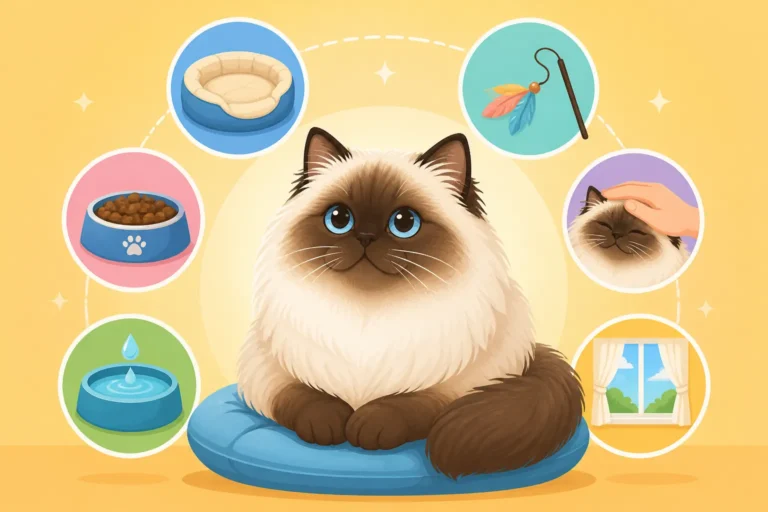
The daily routine of a Himalayan cat includes five to ten minutes of play, brief energy bursts, and many hours of napping.
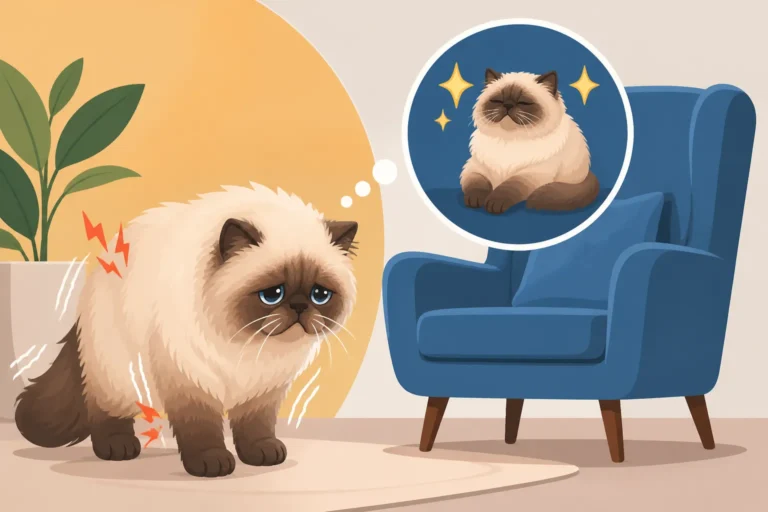
Senior Himalayan cats with arthritis or kidney disease stop jumping onto chairs due to aging joints, hips, spine, and muscle weakness.