Why a Himalayan Purrs More Than It Meows
It's a common observation among Himalayan cat owners, and one that often sparks a little curiosity, if not outright head-scratching: why does your beautiful, fluffy companion seem to purr so much more often than it actually meows? If you’ve spent time wondering why your Himalayan seems to prefer a rumbling engine to a clear vocal address, you're not alone. This guide delves deep into the unique vocal tapestry of the Himalayan cat, helping you understand their subtle cues and appreciate their purr-fectly quiet charm.
The Himalayan's Unique Vocal Heritage
To truly understand why a Himalayan tends to purr more than it meows, we have to look back at its fascinating lineage. The Himalayan cat is, after all, a blend of two very distinct feline personalities: the talkative, opinionated Siamese and the serene, often quiet, Persian. It’s like having a family where one side is known for robust dinner-table discussions and the other for thoughtful, quiet contemplation. Your Himalayan sits right at that intersection, inheriting traits from both.
What the Siamese Brought to the Table
The Siamese cat, as many cat lovers know, is famous for its voice. They are not just talkers; they are communicators, often employing a wide range of vocalizations from chirps to full-blown yowls to make their needs and opinions known. This incredibly vocal trait is deeply ingrained in their DNA. When the Siamese was first crossed with the Persian to create the Himalayan, the goal was to introduce the beautiful "pointed" coloration of the Siamese onto the long-haired, cobby body of the Persian. Along with those striking blue eyes and color points, a little bit of that Siamese vocal gene hitched a ride.
However, it wasn't a full takeover. Think of it like a dimmer switch. The Himalayan definitely inherited the capacity for vocalization from its Siamese ancestors, but the volume knob got turned way, way down. You might hear little trills or soft chirps, especially when they're greeting you or expressing mild contentment. This is What Is Left of the Siamese Voice in a Himalayan, a sweet, muted echo of their Siamese heritage rather than a full-blown concert. They have the genetics for expression, but a different preference for how often it’s used.
The Quieting Influence of the Persian Side
Then we have the Persian side of the family, known for its regal demeanor and, often, a much more subdued vocal presence. Persians are not typically loud cats. They communicate, certainly, but more often through subtle body language, a soft gaze, or a quiet, gentle purr. They are often described as "ornamental" cats, preferring to observe and be admired rather than demand attention with a constant stream of meows.
When the Siamese vocal traits met the Persian's quiet nature, the Persian's influence tended to dominate the vocal frequency. This means that while the Himalayan can meow, and does, it often defaults to the less demanding, more soothing purr as its primary form of vocal communication. It's a testament to the strong, calm disposition of the Persian that the Himalayan generally adopted a lower-key approach to verbal expression. Why a Himalayan Is Quieter Than Its Siamese Ancestors largely comes down to this powerful genetic counterbalance.
The Allure and Purpose of the Himalayan Purr
So, if they have the capacity to meow, why do Himalayans choose to purr so much? It’s not just a default setting; the purr serves a multitude of purposes for your Himalayan, making it their go-to vocal expression for almost any occasion.
A Sign of Deep Contentment and Well-being
The most obvious reason, and one we all cherish, is that a purr signals profound contentment. When your Himalayan is curled up on your lap, kneading your sweater, or stretched out in a sunbeam, that deep, rumbling purr is their way of saying, "All is right with the world, and I am utterly blissful." This isn't a mere pleasant sound; it's a physiological expression of happiness that resonates through their entire cobby body. It’s a powerful affirmation of their comfort and security within their environment, a gentle assurance that they feel safe and loved.
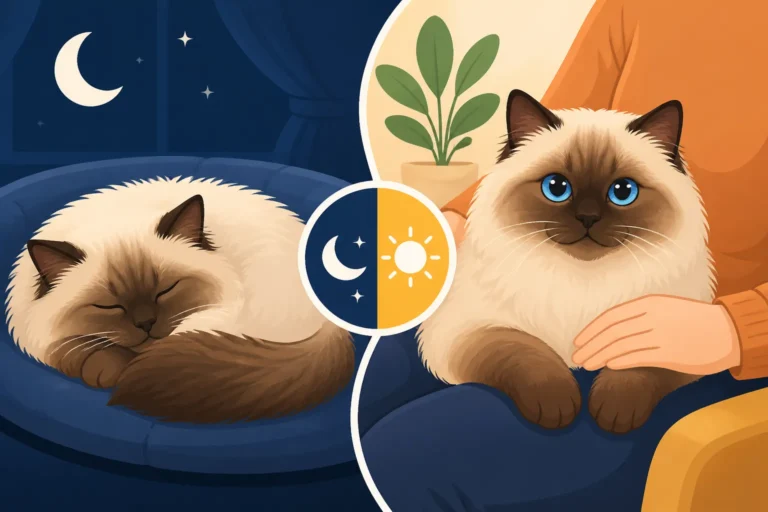
Consider a lazy afternoon. Your Himalayan, perhaps after a brief and gentle play session (they don't usually go for long, strenuous games), settles onto your lap. The moment your hand strokes their soft, luxurious fur, that characteristic vibration starts. It’s a consistent, soothing sound that can go on for ages. This state of bliss is so common for Himalayans, who are generally calm and affectionate lap cats, that purring becomes their constant soundtrack. For them, How a Himalayan Divides Its Day Between Sleep and Lap often involves a significant amount of purring, whether they are dozing or actively soliciting affection.
Seeking Attention and Connection
Beyond contentment, a Himalayan's purr can also be a subtle, yet effective, bid for attention. Unlike a Siamese, who might yowl insistently at the kitchen door for food, a Himalayan might simply start purring as you walk by, hoping to draw you in for a head scratch or a gentle chin rub. It's a soft invitation, a quiet "hello" that's less demanding but equally persuasive. They've learned that this gentle vibration is often enough to get your attention and solicit interaction.
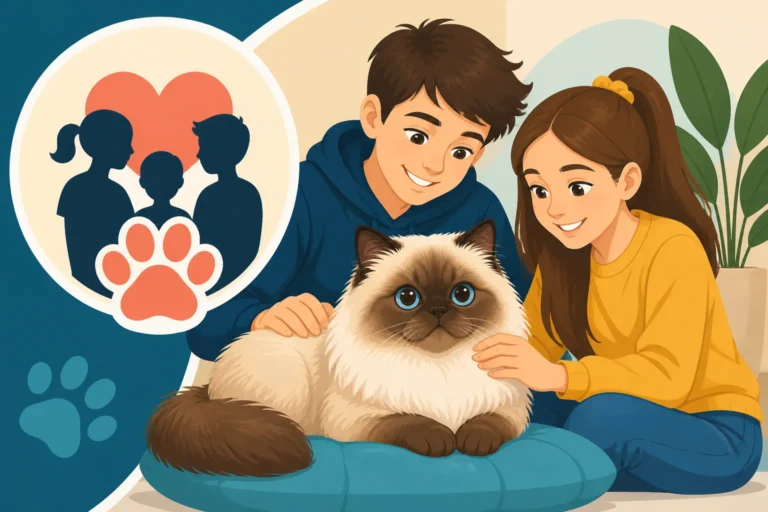
If you’re sitting on the sofa, scrolling through your phone, your Himalayan might hop up, settle beside you, and begin to purr. It’s their way of letting you know they’re there, perhaps hoping for a little interaction. It's not an aggressive demand, but a soft, persistent presence. This passive approach to communication works well for them because, let's face it, who can resist that sweet, rumbling engine? It's a non-intrusive way to ensure they remain part of your immediate world, confirming that The Himalayan Is a Lap Cat That Answers Back, albeit in a very soft, vibration-based language.
Self-Soothing and Comfort
Interestingly, purring isn't always about happiness. Cats, including Himalayans, are known to purr when they are stressed, injured, or even giving birth. This phenomenon is believed to have self-soothing properties, as the vibrations generated by purring have been linked to healing and pain relief. It’s a bit like how a human might hum or rock themselves when feeling anxious – it’s an innate mechanism for comfort.
So, if your Himalayan is purring during a vet visit, it might not be because they're enjoying the experience, but rather because they're trying to calm themselves down. This doesn't mean they aren't stressed, but it highlights the versatile nature of the purr. It’s a tool for emotional regulation, a private balm they apply to themselves when facing discomfort. This makes the purr an incredibly robust and adaptable form of communication, covering a wider emotional spectrum than a simple meow.
Decoding the Himalayan Meow: When They Do Speak Up
While purring is their preferred method of vocal communication, Himalayans do meow. However, their meows are often softer, less frequent, and sometimes even sound more like chirps or trills than a full-throated "meow" you might hear from other breeds. Understanding when and why they deploy these more direct vocalizations is key to truly connecting with your Himalayan.
Specific Needs and Urgent Requests
A Himalayan's meow is usually reserved for situations where they feel a more direct form of communication is necessary to convey an immediate need. Think of it as their "emergency broadcast system," but still operating on a relatively low volume.
Hunger: This is perhaps the most common reason you'll hear a distinct meow. When the food bowl is empty, and their internal clock tells them it's mealtime, a Himalayan might offer a soft, pleading meow. It's often accompanied by looking directly at you, then at the empty bowl, then back at you. It’s less of a demanding yowl and more of a polite, yet insistent, request. If you ignore it, it might become a series of soft chirps, building subtly until you get the message. Whether a Himalayan Wakes You for Its Meal usually depends on their hunger level and how politely they've tried to purr for attention first.
Discomfort or Distress: If your Himalayan is experiencing pain, feeling trapped, or genuinely distressed, they might let out a more urgent, though still usually soft, meow. This isn't their default, so if you hear an uncharacteristic meow that sounds worried or insistent, it's worth investigating. This could indicate anything from a tangled piece of string caught on a paw to feeling unwell. Because they tend to be stoic, any vocalization of discomfort should be taken seriously. They aren't prone to histrionics, so a direct meow of distress truly means something.
Seeking a Specific Interaction: Sometimes, a Himalayan might meow if they want you to open a specific door, or if they've found a favorite toy under the sofa and want you to retrieve it. It's a targeted communication for a very particular outcome. For instance, if you're trying to figure out How a Himalayan Asks Without Raising Its Voice, you'll notice a whole range of silent communication signals, but a meow might come out if those subtle cues aren't working for a specific, immediate need.
The Gentle Chirp and Trill
Many Himalayan owners report that their cats often "chirp" rather than meow. These sounds are softer, higher-pitched, and often sound like a bird's trill. They're typically used as greetings, especially if you've been away, or as a way to acknowledge your presence when you enter a room. It's an endearing sound that feels more intimate and less demanding than a traditional meow.
Imagine you've just come home from work. Your Himalayan might slowly rise from Why a Himalayan Stays on the Floor and the Sofa and approach you with a soft trill, perhaps rubbing against your legs before settling in for a purring session. It's their gentle way of saying, "Welcome back, I'm here." These chirps are a perfect example of their muted Siamese vocal heritage blended with Persian reserve.
Encouraging Communication with Your Himalayan
Understanding your Himalayan's unique communication style means you can foster a deeper bond. They might not be the most verbose cats, but they are incredibly communicative once you learn their language.
Observing Body Language
Since their vocalizations are often subtle, a huge part of communicating with your Himalayan involves paying close attention to their body language. A flick of the tail, the angle of their ears, the way they position themselves on or near you – these are all vital clues.
- Slow Blinks: A slow blink from your Himalayan is the feline equivalent of "I love you" or "I trust you." Reciprocate with your own slow blinks to build rapport.
- Tail Position: A high tail with a slight curl at the tip often means happiness and confidence. A twitching tail can indicate mild irritation or focused attention during play.
- Ear Position: Ears forward and relaxed signal contentment. Ears flattened or swiveled backward indicate stress or irritation.
- "The Floppy Drop": This is when your Himalayan slowly collapses next to you or on your lap, purring, often on their side, exposing their belly. It’s a sign of ultimate trust and relaxation.
Learning to read these non-verbal cues is paramount for effective communication with a cat that often prefers quiet observation to loud pronouncements.
Interactive Play and Dialogue
While Himalayans aren't known for their boundless energy, they do enjoy playtime, especially with toys that don't require too much strenuous activity. Using interactive toys can also be an excellent way to encourage soft vocalizations. For example, a wand toy with a feather at the end, available on sites like Amazon, can spark their hunting instincts and sometimes elicit playful chirps or soft growls.
When your Himalayan is playing, engage with them verbally, using a soft, calm tone. Even if they don't respond with a meow, they are listening and engaging with your voice. This helps reinforce your bond and makes them feel more comfortable communicating in their own way. Which Wand Toys a Himalayan Can Actually Follow will be a good starting point, as their cobby bodies aren't built for high jumps or long chases. Keep play sessions short and sweet, ending before they overheat or get tired.
Establishing and Respecting Routine
Himalayans thrive on routine. They are creatures of habit and find comfort in predictability. A consistent feeding schedule, regular grooming times, and predictable interaction periods help reduce stress and foster a sense of security, making them more likely to purr contentedly and less likely to feel the need for insistent meows.
For example, if you consistently feed them at the same time each day, they'll learn to anticipate it without needing to loudly demand it. They might sit patiently by the bowl, purring softly as you prepare their meal. Any deviation from this routine, however, could result in a rare, more insistent meow as they try to understand why their world has shifted. This love for routine means How Often a Himalayan Notices Anything Has Changed is quite often, and they express it in subtle ways. Providing them with cozy, predictable spots, perhaps a soft bed you found on Amazon, further reinforces their sense of security.
Providing the Right Environment and Tools
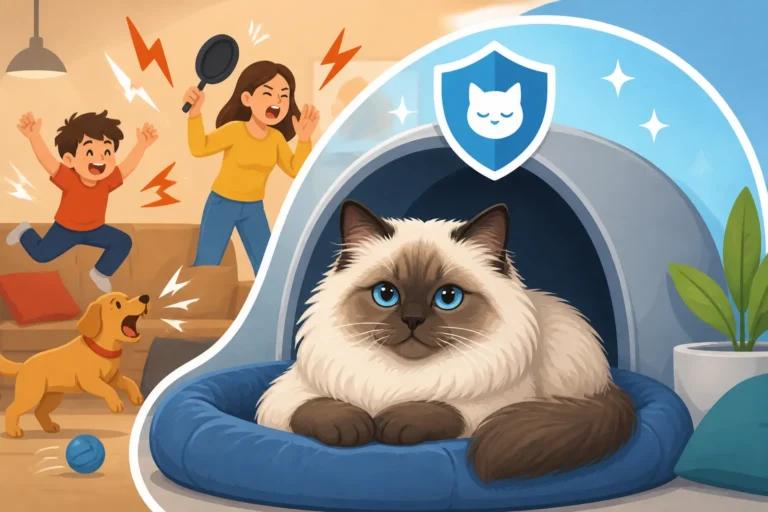
Making your home comfortable and stimulating for your Himalayan can also influence their communication. A calm, quiet household where they feel safe to express themselves without being overwhelmed will lead to more purring and less anxious meowing.
Consider their physical needs too. For instance, flat-faced Himalayans can sometimes struggle with deep food bowls. A wide, shallow ceramic bowl, easily found on Amazon, can make eating more comfortable and reduce any frustration that might lead to an exasperated meow.
| Vocalization Type | Primary Purpose | Himalayan Characteristics | Parent Breed Influence (Strongest) |
|---|---|---|---|
| Purr | Contentment, seeking attention, self-soothing | Deep, resonant, frequent, versatile | Persian |
| Meow | Urgent needs (hunger, distress), specific asks | Soft, infrequent, often chirpy or trilly | Siamese (muted) |
| Chirp/Trill | Greeting, acknowledgement, gentle invitation | Short, high-pitched, soft | Siamese (muted) |
| Yowl | Extreme distress, mating call | Very rare in normal contexts, low volume | Siamese (severely muted) |
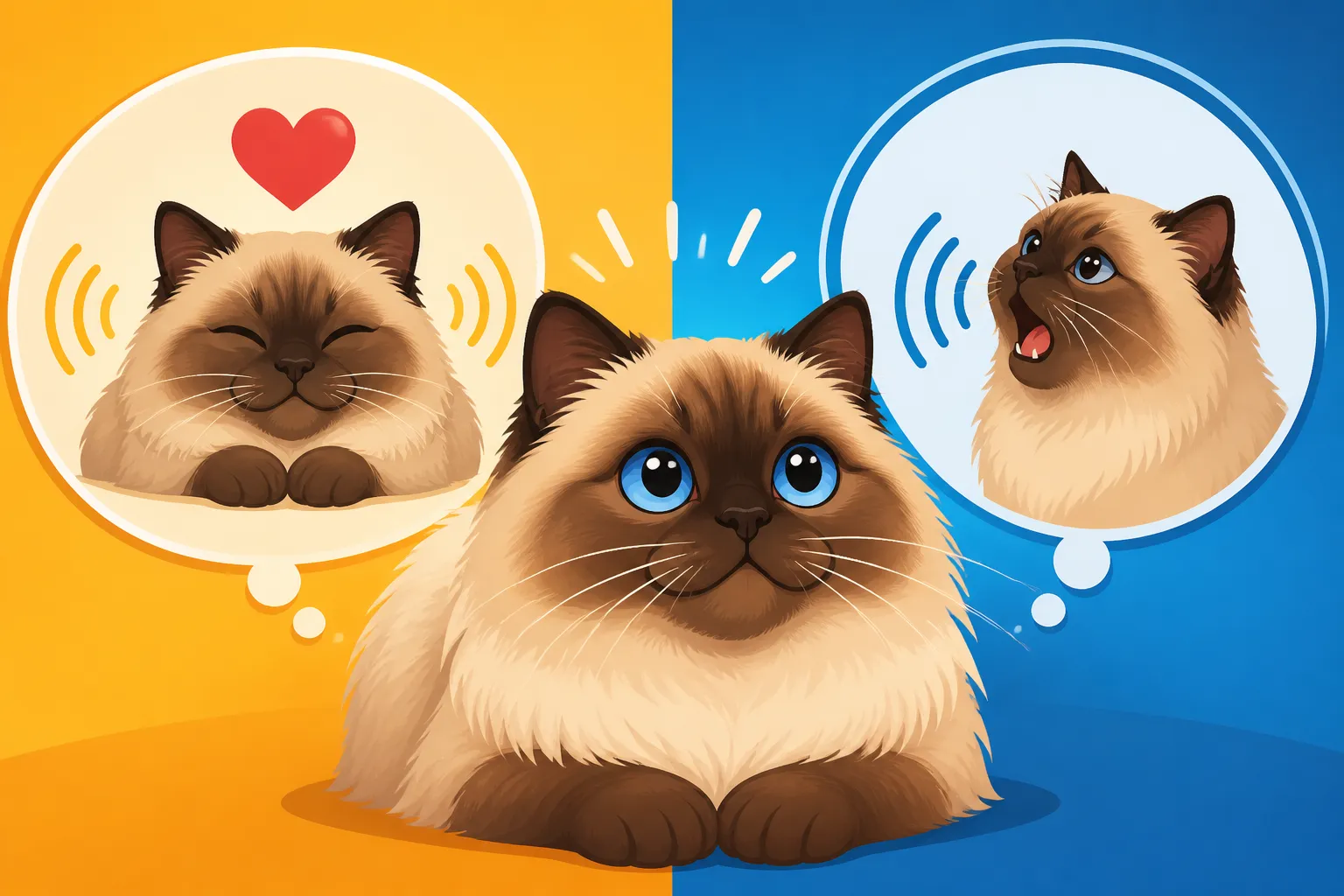
In essence, your Himalayan purrs more than it meows because it’s a naturally calm, affectionate cat that has inherited a strong preference for quiet communication from its Persian lineage, while still retaining a hint of the Siamese capacity for vocal expression. Their purr is a versatile, powerful tool for expressing happiness, seeking connection, and even self-soothing. By understanding and respecting their nuanced communication style, you'll deepen your bond with these magnificent, quiet companions.
Disclaimer
This article is for general informational purposes only and does not constitute professional advice. Laws, prices and regulations vary by location and change over time. Consult a qualified professional for guidance on your specific situation.