What Is Left of the Siamese Voice in a Himalayan
One of the most common questions I hear from potential Himalayan owners is, "Are they chatty?" If you're familiar with their Siamese ancestry, you might envision a cat that constantly demands attention with loud, insistent vocalizations. But when it comes to the unique voice of a Himalayan, things are often delightfully quieter and more nuanced than you might expect. This guide will explore the fascinating vocal traits of Himalayans, delving into what sounds they make, why they make them, and how they communicate their needs without resorting to a full-blown opera.
The Himalayan's Vocal Heritage: A Blend of Ancestry
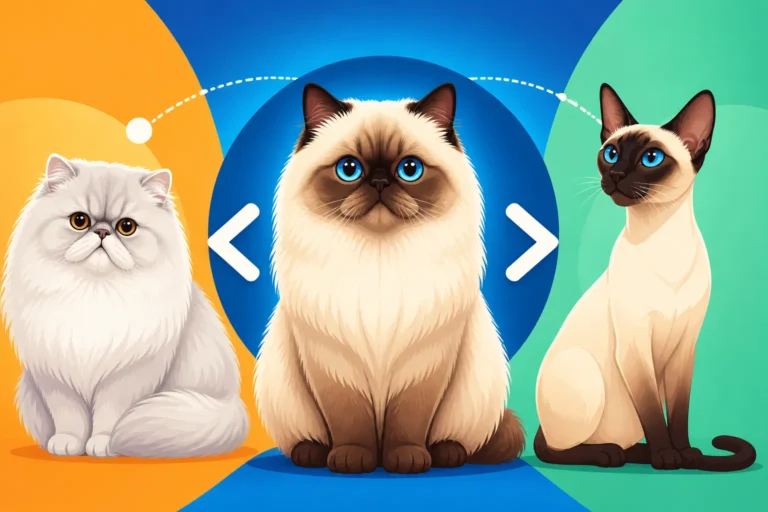
To truly understand the Himalayan's voice, we have to look back at its lineage. The Himalayan cat is a deliberate crossbreed, bringing together the striking point coloration and blue eyes of the Siamese with the luxurious long coat and placid temperament of the Persian. This genetic blend created a cat with a distinct personality, and nowhere is that more evident than in their vocal tendencies.
The Siamese Siren's Legacy
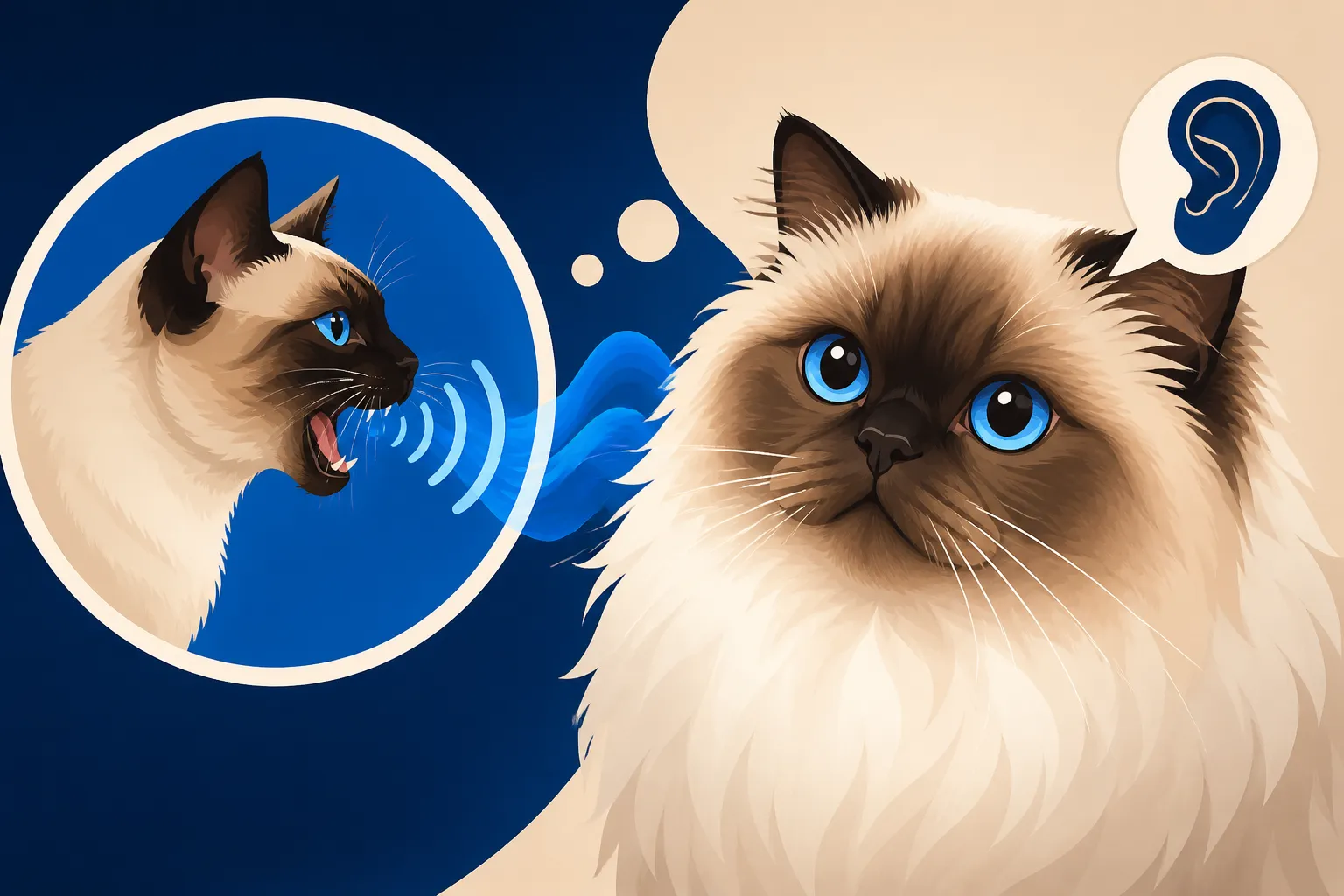
The Siamese cat is renowned for its vocal prowess. They are often described as talkative, having a wide range of vocalizations from soft trills to incredibly loud, demanding yowls. It's a voice that once heard, is rarely forgotten, and often compared to a baby crying or a "Meezer" opera. This is the genetic contribution that gave the Himalayan the ability to vocalize. Their Siamese ancestors were not shy about making their needs known, whether it was for food, attention, or just a good old-fashioned chat about their day. They have a truly expansive vocabulary, if you will, capable of expressing a full spectrum of emotions through sound.
However, as we'll delve into, while the Siamese siren's legacy provided the vocal cords and the inclination to communicate through sound, the intensity was significantly mellowed in the Himalayan. It's almost as if the volume knob was turned down, but the melodic range remained. Think of it less as a fading echo and more as a gentler interpretation of a classic. Many owners find this balance perfect – a cat that engages with you vocally without overpowering your home with constant demands.
The Persian's Quiet Influence
On the other side of the genetic coin, we have the Persian, a breed celebrated for its calm demeanor and relatively quiet nature. Persian cats are known for being much less vocal than many other breeds. They tend to communicate more through subtle body language, a gentle head rub, or a soft, almost imperceptible meow when truly necessary. This quiet grace is a significant part of the Himalayan's personality, balancing out the more vociferous traits inherited from the Siamese.
The Persian influence acts as a dampener, moderating the Siamese's more boisterous tendencies. Imagine trying to mix a vibrant, loud color with a calming, muted one; the result is a beautiful, balanced shade. This is precisely what happened with the Himalayan's voice. The Persian contribution meant that while the Himalayan can be vocal, it typically chooses not to be quite so loud or constant. Instead, they often reserve their voice for specific moments, making those vocalizations all the more meaningful when they do occur. It's a lovely juxtaposition that makes the Himalayan's communication style quite unique in the feline world.
The Himalayan's Unique Sound Profile
So, with these two distinct influences, what does a Himalayan actually sound like? The answer is a delightful middle ground. They are certainly not silent, but they are far from the operatic performances of their Siamese cousins. Their vocalizations are generally softer, more nuanced, and often quite charming. The Himalayan Kept the Siamese Voice and Lost the Volume, creating a companion that engages verbally without overwhelming its human family.
Chirps, Trills, and Soft Meows
Himalayans are masters of the gentle vocalization. Their most common sounds often include soft chirps and trills, especially when greeting you at the door or when they're particularly pleased to see you. A chirp might sound like a small, bird-like sound, often accompanied by a happy flick of the tail or a gentle rub against your leg. It's an endearing way for them to acknowledge your presence or express contentment.
Trills are similar but often a bit more extended, a rolling "prrrrt" sound that signifies happiness or a request for attention. You might hear this when they jump onto your lap for a cuddle or when they're guiding you towards their food bowl. These aren't loud demands; rather, they're polite suggestions, a gentle way of saying, "Hello, I'm here, and I'd love some interaction." Their meows, too, are typically soft and melodic. Unlike the often sharp, insistent meows of some breeds, a Himalayan's meow tends to be a low-volume, almost conversational tone. What a Himalayan Is Saying When It Chirps is usually a subtle message of affection or a mild request, never a shout. It's a charming aspect of their personality that many owners adore, offering just enough vocal feedback without being intrusive.
The Infrequent Yowl
While a Siamese might yowl to announce its presence, demand food, or simply because it feels like it, a Himalayan's yowl is a rare event. Whether a Himalayan Yowls the Way a Siamese Does is a resounding "no" for the most part. If you hear a true, sustained yowl from your Himalayan, it's usually a clear sign that something is genuinely amiss. This isn't their default mode of communication; it's an emergency signal.
A yowl from a Himalayan could indicate pain, extreme distress, feeling trapped, or being in a dire situation. For instance, if your cat has accidentally gotten shut in a closet or is experiencing sudden, severe discomfort, that's when you might hear their powerful, uncharacteristic yowl. It's their way of escalating their communication to the highest level, demanding immediate attention. For this reason, it's crucial for owners to differentiate between their typical soft vocalizations and an urgent yowl. When a Himalayan chooses to use the full force of its voice, it's a cry for help that should never be ignored. This scarcity makes their strong vocalizations incredibly impactful and a valuable indicator of their well-being.
Communication Beyond the Voice: Subtle Cues and Body Language
Because Himalayans are not typically loud or overly chatty cats, understanding their communication extends far beyond just listening to their sounds. They are masters of subtle cues and body language, often conveying their desires and feelings with a quiet elegance that speaks volumes without a single meow. This is where their Persian heritage truly shines through, offering a calm and observant nature that values presence over pronouncements.
Subtle Cues and Body Language
A Himalayan will often "ask" for things without making a sound. How a Himalayan Asks Without Raising Its Voice is through a combination of eye contact, tail movements, and gentle nudges. A slow blink, for instance, is a sign of trust and affection. If your Himalayan looks at you, blinks slowly, and then looks away, they're essentially giving you a kiss from a distance. If they want attention, they might sit near you, look at you intently, and then slowly turn their head towards what they want, like the door to the kitchen or an empty space on your lap.
Their tail is another powerful communication tool. A high tail with a slight twitch at the end usually signifies happiness or excitement. If their tail is low and tucked, it often indicates apprehension or discomfort. A gentle head-butt (or "bunt") is a common request for affection or an invitation to pet them. They might rub against your legs, not just as a casual greeting, but to guide you towards a particular spot or to signal their readiness for dinner. Observing these subtle signals allows you to "read" your Himalayan much more effectively than if you were relying solely on verbal cues. It's a silent conversation, rich with meaning.
The Power of Routine
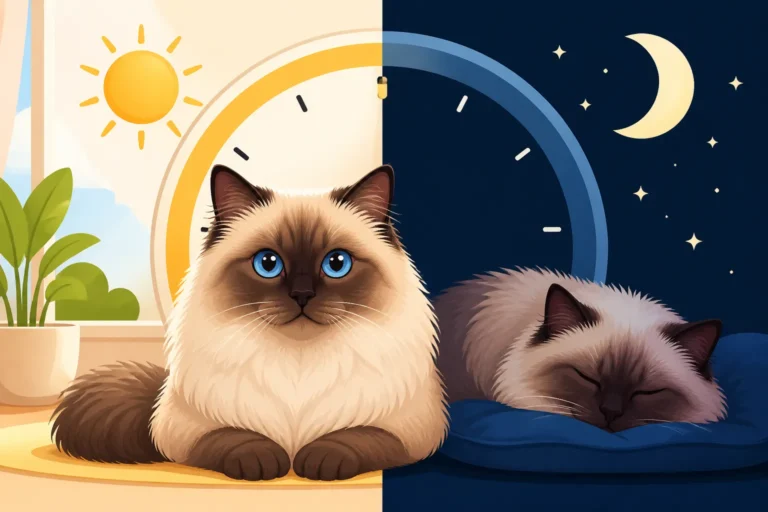
Himalayans thrive on routine, and any deviation can be a form of communication in itself. They are creatures of habit, and their internal clock is remarkably precise. If their mealtime is typically 6 PM, you might find them sitting patiently by their bowl at 5:55 PM, looking expectantly at you. They won't necessarily yowl or make a fuss, but their silent presence is a clear message: "It's almost time." Why a Himalayan Waits Rather Than Complains at a Door or vocally demands its meals. They understand that patience, combined with a strong routine, usually gets them what they want.
If their water bowl is empty, they might sit beside it, then look at you, then back at the bowl, conveying their need without a sound. This reliance on routine also means that changes in their environment or schedule can cause stress, which they might express through changes in behavior rather than vocalizations. They might hide more, eat less, or become more withdrawn if their familiar rhythm is disrupted. Understanding their deep attachment to routine helps you interpret their non-verbal cues and ensure their comfort. Their silent expectation becomes a powerful, polite request.
Living With a Vocal Himalayan: Setting Expectations
So, you've adopted a Himalayan, or you're considering it. What does life with their unique vocal style look like? It means learning to listen to the subtleties and appreciate a cat that communicates with grace rather than constant clamor. Why a Himalayan Is Quieter Than Its Siamese Ancestors means you'll rarely be subjected to a noisy, attention-demanding feline, but they are far from silent companions.
Deciphering Their Demands
While Himalayans aren't known for being overly demanding, they certainly have ways of letting you know what they want. You might find your Himalayan sitting pointedly by the pantry door when it's breakfast time, or gently batting at your leg with a soft meow as a prelude to a cuddle session. If they want to play, they might bring a toy to your feet and then sit back, watching you with expectant blue eyes. How Often a Himalayan Uses the Voice It Inherited varies from cat to cat, but it's typically reserved for specific interactions or needs.
Sometimes, their "demands" are purely for companionship. A soft trill might be their way of inviting you to join them on the sofa, simply for the pleasure of your company. The Himalayan Is a Lap Cat That Answers Back, but usually with gentle chirps or quiet purrs rather than loud meows. If you're wondering Whether a Himalayan Wakes You for Its Meal, the answer is often a quiet tap or a direct gaze rather than a full-blown serenade. They're polite communicators, and once you learn their language of subtle sounds and body cues, you'll find a deep, rewarding connection.
When a Change in Voice Means a Vet Visit
One of the most important aspects of understanding a Himalayan's vocalizations is knowing when a change in their voice, or a sudden increase in vocal activity, signals a problem. Because they are generally quiet cats, any significant deviation from their norm should be noted and investigated. A sudden onset of loud, continuous meowing or yowling can be a sign of pain, discomfort, or an underlying medical issue. It's not uncommon for cats to hide illness, and a change in vocalization can be one of the few outward signs that something is wrong.
For example, if your normally quiet Himalayan suddenly starts crying out when jumping or using the litter box, it could indicate arthritis or a urinary tract infection. Increased vocalization, especially if accompanied by other behavioral changes like hiding, lethargy, or loss of appetite, warrants a trip to the vet. Similarly, if their voice sounds raspy or hoarse, it could be a sign of a respiratory issue. It's better to be overly cautious when it comes to their health. Their infrequent loud vocalizations are a valuable alarm system, and paying attention to these shifts can help you catch potential health problems early, ensuring your beloved Himalayan gets the care they need.
In conclusion, the Himalayan cat's voice is a beautiful compromise, inheriting the melodic range of the Siamese but tempered by the quiet grace of the Persian. They speak, but they do so softly, relying on a charming blend of chirps, trills, gentle meows, and a rich vocabulary of non-verbal cues.
| Vocalization Type | Siamese | Himalayan | Persian |
|---|---|---|---|
| Loudness | Very loud | Moderate to Soft | Very soft |
| Frequency | High, constant | Moderate, situational | Low, rare |
| Typical Sounds | Yowls, meows, chirps, trills | Chirps, trills, soft meows | Quiet meows, purrs |
| Primary Communication Method | Vocal demands | Subtle sounds & body language | Body language & presence |
Why a Himalayan Purrs More Than It Meows is a testament to their overall contentment and relaxed nature. They are truly special companions, and understanding their unique communication style will only deepen the bond you share.
Disclaimer
This article is for general informational purposes only and does not constitute professional advice. Laws, prices and regulations vary by location and change over time. Consult a qualified professional for guidance on your specific situation.