Which Wand Toys a Himalayan Can Actually Follow
It can be genuinely puzzling, can't it, when you see videos of other cats leaping and chasing laser pointers or feathered wands across an entire room, only for your own precious Himalayan to give you a slow blink from their favorite cushion, barely stirring a whisker? It's not that they don't want to play; it's just that their unique build and laid-back personality mean they engage with toys in a distinctly "Himalayan" way. This guide will dive deep into understanding your Himalayan's natural play style and help you discover which wand toys genuinely spark their interest and keep them happily, if gently, entertained.
Understanding Your Himalayan's Unique Play Preferences
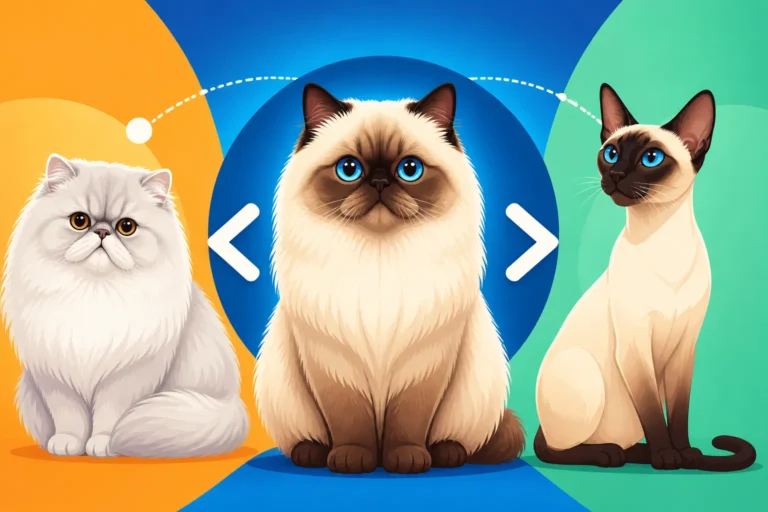
Let's be real, our beautiful Himalayans aren't built for marathons or acrobatic feats. They're often described as "cobby," which is a fancy way of saying they're broad, muscular, and have shorter legs than many other breeds. Combine that with their luxurious, dense Persian coat and often a flatter facial structure, and you've got a cat whose idea of "following" a wand toy is far more nuanced than you might expect. They're not going to be zooming around like a Siamese; that's just not their jam.
The Himalayan's Physical Limitations and Stamina
One of the biggest factors in how a Himalayan plays is their physical makeup. Their compact, heavy-boned bodies, while undeniably regal, aren't designed for sustained, high-speed chases. Those short legs are great for stability, but they limit bursts of speed and agility compared to a lean, long-limbed breed. This means that a toy zipping across the living room is often met with a thoughtful gaze rather than an immediate pursuit. They prefer to conserve energy, striking when the moment is just right, often from a comfortable, static position. You might notice that How Soon a Himalayan Kitten Runs Out of Breath even when they are young, which points to a lifelong preference for shorter, less strenuous play.
Then there's the magnificent coat. While gorgeous, it's also incredibly warm, acting like a built-in fur coat that makes them prone to overheating much faster than their short-haired cousins. If you try to engage your Himalayan in intense play for too long, you might start to see them panting, which is a clear sign they're getting too warm and need a break. It's crucial to understand The Temperature a Himalayan Starts to Struggle At and modify playtime accordingly. Short bursts of activity are fine, but expecting them to run for five or ten minutes straight is usually asking too much of their respiratory system and thermal regulation.
Their Predominantly Watchful Nature
Beyond the physical, there's the famous Himalayan temperament. They're often described as mellow, calm, and incredibly affectionate lap cats. While they certainly have a playful side, it's generally more understated than in other breeds. They enjoy interaction and the thrill of the hunt, but often prefer to watch the prey before pouncing, rather than endlessly chasing. This makes them brilliant observers. You might find them perfectly content to simply track the movement of a toy with their bright blue eyes, planning their attack rather than diving in headfirst. Why a Himalayan Watches a Toy Rather Than Chase It is a common observation among owners, and it's simply part of their charm. They're strategic players, not frantic ones.
Their vocalizations also tell a story; while they have inherited the Siamese voice, it's often significantly toned down. The Himalayan Kept the Siamese Voice and Lost the Volume, meaning their play often involves less excited chirping and more quiet, focused attention. When they do decide to engage, it's usually with a deliberate, calculated pounce or a swift paw swipe, rather than a wild frenzy of activity. They like to feel they have the upper hand, and a toy that's too fast or too erratic can actually make them disengage.
Choosing the Right Wand Toys for Your Himalayan
Given their unique needs, selecting the right wand toy for a Himalayan is all about matching the toy's action to their preferred play style and physical capabilities. It's less about speed and more about tantalizing movement that can be easily "caught."
Feather Wands and Their Gentle Appeal
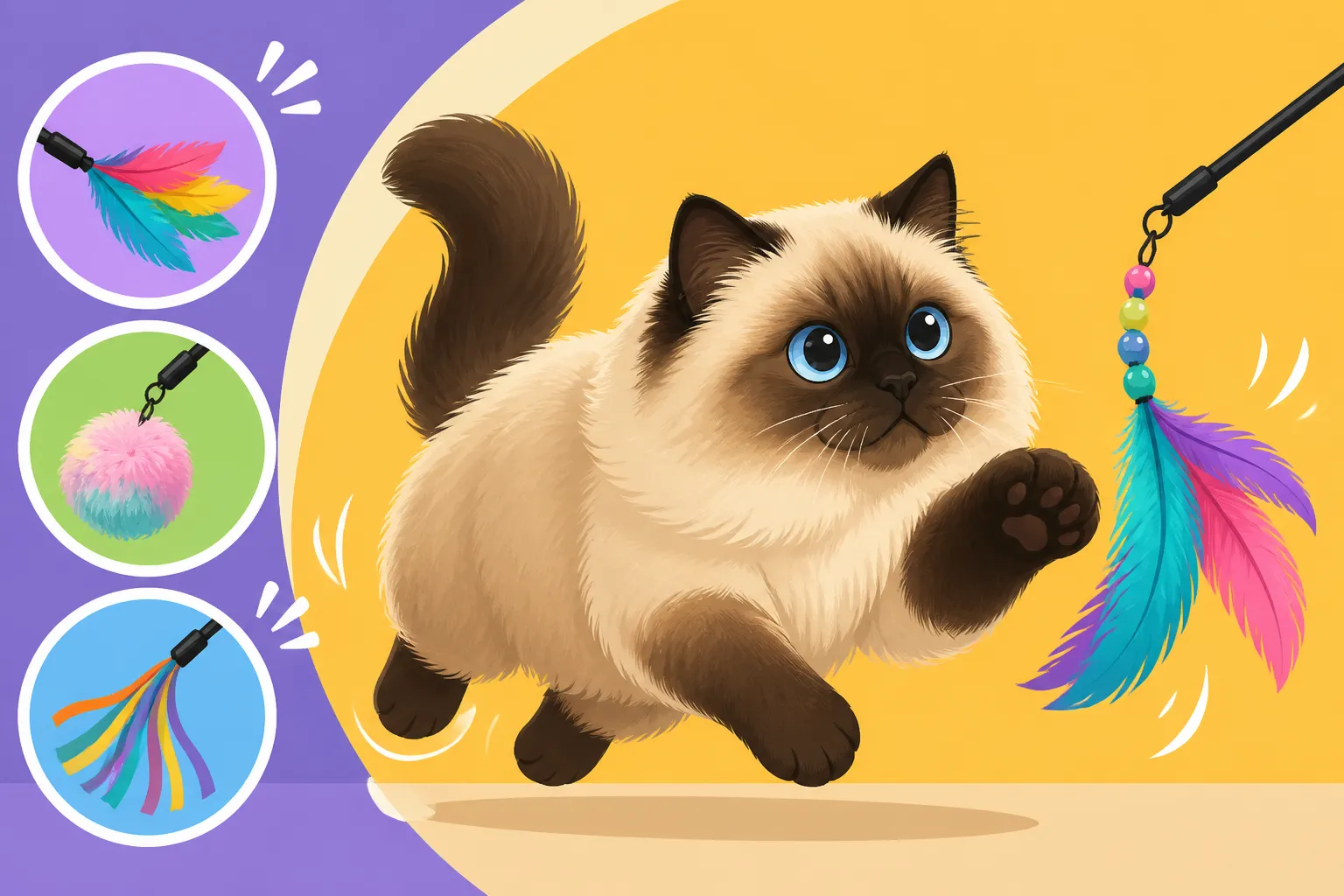
Classic feather wands are often a huge hit with Himalayans, but it's the type of feather and the way you use it that makes all the difference. Look for wands with real feathers – turkey, goose, or guinea fowl feathers tend to be more robust and enticing than synthetic ones. The key is the gentle, fluttering motion they create.
- Natural Bird Feathers: These often mimic real prey most effectively. The light, airy movement catches their eye without requiring lightning-fast reflexes. Imagine a lone feather gently drifting down; that's the kind of allure that works wonders.
- Small, Plump Attachments: Avoid overly large, heavy feather clusters that require a lot of force to move. Smaller, fluffier clusters or single, long feathers are often more manageable for a Himalayan to track and "capture" with their paws or mouth. The satisfying mouthfeel of real feathers can also encourage them. Many of these can be found easily on platforms like Amazon.
- Durability and Safety: Ensure the feathers are securely attached to the wand. Himalayans often enjoy mouthing their "prey" once they've caught it, so you don't want loose feathers becoming a choking hazard. Always supervise play, and put the wand away when playtime is over.
Ribbon and Fabric Streamer Wands
These types of wands create a beautiful, flowing motion that can be incredibly captivating for a Himalayan. Unlike feathers, which might be ripped apart, ribbons or fabric streamers can withstand more enthusiastic pouncing and mouthing.
- Long, Silky Ribbons: Thin, wide satin or silk ribbons that flutter and snake along the floor or through the air are perfect. The smooth, almost liquid movement is hypnotic and doesn't demand high-speed pursuit. You can drape them over furniture or gently drag them, allowing your cat to observe and then ambush.
- Crinkly Fabric Streamers: Some wands incorporate crinkly fabric or Mylar streamers. The sound these make adds an auditory element to the visual appeal, which can be very stimulating. The crinkle mimics rustling leaves or hidden prey, drawing your Himalayan in with sound as well as sight.
- Variety of Textures: Wands with different textures, like soft fleece strips or slightly rougher natural fibers, can offer a more enriching experience. Himalayans often enjoy rubbing their faces against soft textures, and a fabric wand allows them to indulge this tactile pleasure while playing.
Wands with Small, Lightweight "Prey"
Beyond feathers and ribbons, there are many wand attachments designed to mimic small prey animals. The crucial factor for a Himalayan is that these attachments must be lightweight and easily manipulated.
- Soft, Fuzzy Mice or Bugs: Small, soft, fuzzy attachments that resemble mice, bugs, or even small birds are excellent. They should be light enough to flutter and bounce with minimal effort, allowing for controlled, slow movements that your Himalayan can track.
- Squeaky or Rattle Elements: Some toy attachments have a small squeaker or rattle inside. This added sound can trigger their hunting instincts without requiring them to move too much. The sound acts as an auditory cue, drawing their attention even if they're lounging lazily on their favorite Why a Himalayan Claims One Chair and Keeps It.
- Feather and Fabric Combinations: Many of the best wand toys combine feathers with fabric strips, sometimes even with small bells (though be mindful of loud bells, as some cats are sensitive to them). This multi-sensory approach can be highly engaging, offering different textures, sounds, and movements that appeal to their calm, observant nature. When browsing on Amazon, look for descriptions that highlight soft materials and gentle movement.
| Wand Toy Type | Key Features for Himalayans | Why It Works for Them |
|---|---|---|
| Feather Wands | Real, natural feathers; small, light clusters; securely attached | Mimics real prey's delicate movement; easy to swat and mouth; less strenuous |
| Ribbon/Streamer Wands | Long, silky, or crinkly fabric; lightweight; flowing motion | Visually stimulating without requiring fast chases; tactile appeal; durable for mouthing |
| Small Prey Attachments | Soft, fuzzy, lightweight mice/bugs; optional gentle squeak/rattle; secure attachments | Engages hunting instincts; easy to "capture" from a stationary position; multi-sensory |
| Longer Wands | Allows owner to keep distance; brings toy to cat | Reduces need for owner to move extensively; great for reaching under furniture |
Techniques for Engaging Your Himalayan with Wand Toys
Having the right toy is only half the battle; knowing how to use it to captivate your Himalayan is equally important. Their play sessions might be shorter and less intense than other breeds, but they can be incredibly satisfying for both of you. Remember, the goal is enrichment and gentle exercise, not exhaustion.
Slow and Deliberate Movements
Forget frantic waving or zipping the toy around at warp speed. With a Himalayan, slow and deliberate is the name of the game. Think like a sneaky mouse or a fluttering butterfly, moving just enough to catch their eye without overwhelming them.
- Crawl and Hide: Drag the wand toy slowly along the floor, letting it "hide" behind chair legs, under rugs, or peek out from behind curtains. This triggers their ambush predator instincts, allowing them to stalk and pounce from a concealed position. They might follow the movement with their eyes for a while, building anticipation, before making their move.
- Gentle Ascent and Descent: Slowly lift the toy into the air and let it gently "float" down. This mimics birds or insects. The controlled movement allows your Himalayan to track it easily and judge their pounce. The key is to keep it within their reach, often just above their head or at paw level, so they don't have to stretch too much or jump excessively.
- Bring the Action to Them: If your Himalayan is particularly comfortable on a specific cushion or bed, don't expect them to come to you. Bring the toy to them. Let the feathers or ribbons dance at the edge of their resting spot. This respects their comfort zone and encourages engagement on their terms. How Much Livelier the Siamese Half Made the Himalayan means they do enjoy play, just often on their own terms.
Letting Them "Win" Frequently
Himalayans, like all cats, need the satisfaction of a successful hunt. If they constantly fail to catch the toy, they'll quickly lose interest and decide it's not worth the effort. Letting them "win" frequently builds their confidence and keeps them engaged.
- Allow for Capture: Don't pull the toy away just as they're about to pounce. Let them bat it, grab it, and even mouth it for a few seconds. This provides the crucial "kill" satisfaction.
- "Eat" the Prey: Once they've captured it, let them "worry" it for a moment, as a real predator would. Some cats will even try to pick it up and carry it off to their "den." This is a sign of a successful hunt and a fulfilling play session.
- End on a High Note: Always try to end the play session with a successful "kill." Let them catch the toy one last time, then praise them, and put the toy away. This leaves them feeling accomplished and eager for the next session. This also ties into When to End a Himalayan's Play Session before they get overstimulated or too tired.
Respecting Their Limits and Short Sessions
Given their proneness to overheating and generally calmer disposition, it's vital to keep play sessions short and frequent rather than long and intense.
- Short Bursts: Aim for 5-10 minute play sessions, two or three times a day, rather than one long 20-minute session. This keeps them engaged without overdoing it. You'll quickly learn How Often a Himalayan Notices Anything Has Changed in their routine, so consistency with these short playtimes can become a treasured part of their day.
- Watch for Signs of Fatigue: Keep an eye out for open-mouth breathing or excessive panting, which indicates they're getting too warm or tired. Drooling or becoming less responsive are other signs. If you see these, stop immediately and allow them to cool down.
- Provide Hydration: Always ensure fresh water is readily available. Even gentle play can make them a bit thirsty. A wide, shallow water bowl is often easier for their flat faces to drink from.
- Temperature Matters: Avoid intense play during the hottest parts of the day, especially in warmer climates. Play in cooler rooms or during the morning and evening when the air is naturally fresher. Why a Himalayan Overheats Twice as Fast as a Siamese is a critical piece of information for any owner.
By understanding your Himalayan's unique physical traits and personality, and by choosing appropriate wand toys and employing patient, gentle play techniques, you can create incredibly rewarding and enriching experiences for your beloved feline companion. They may not be Olympic athletes, but their graceful pounces and thoughtful engagement are a joy to behold.
Disclaimer
This article is for general informational purposes only and does not constitute professional advice. Laws, prices and regulations vary by location and change over time. Consult a qualified professional for guidance on your specific situation.