The Signal a Himalayan Gives Before It Overheats
One of the most concerning things for any Himalayan cat owner is seeing their beloved furball struggle with the heat. Our beautiful, long-haired companions, with their unique facial structures, are unfortunately quite prone to overheating, and it’s critical to know the subtle cues they give before things become serious. This guide will walk you through exactly what signals your Himalayan will send when they're getting too hot, and crucially, what you can do about it.
Understanding Why Himalayans Are Sensitive to Heat
It's easy to look at a Himalayan and just see a gorgeous, fluffy creature, but beneath all that beauty lies a physiology that makes them particularly vulnerable to high temperatures. Understanding these foundational reasons is key to recognizing the signs of distress early.
The Impact of Their Unique Physical Characteristics
Himalayans carry a double burden when it comes to heat regulation, stemming directly from their ancestry. On one paw, they inherited the incredibly dense, long coat of their Persian forebears. This glorious mane, while stunning to look at and soft to touch, acts like a heavy winter coat, trapping body heat efficiently. It's fantastic for keeping them warm in colder climates, but in the heat, it becomes a severe disadvantage, making it difficult for their natural cooling mechanisms to work. Even a gentle breeze struggles to penetrate that thick undercoat to reach their skin.
On the other paw, Himalayans also inherited the brachycephalic (flattened face) structure of the Persian cat. This distinct facial shape, characterized by a shorter nose and sometimes narrower nostrils, significantly impacts their ability to breathe efficiently. Unlike dogs that pant vigorously, cats don't typically pant as their primary cooling mechanism, but when they do, a restricted airway makes this process less effective. Imagine trying to breathe through a pinched straw while running a marathon – that's a bit like what a Himalayan might experience in the heat. This combination of a heavy coat and compromised breathing means that Why a Himalayan Overheats Twice as Fast as a Siamese is a very real concern, and something every owner needs to be constantly aware of.
Environmental Factors That Increase Risk
Beyond their inherent physical traits, environmental conditions play a huge role in how quickly a Himalayan can overheat. A warm, humid day, even if it doesn't feel stifling to a human, can be dangerous for these cats. Humidity, in particular, hinders their ability to cool down through evaporation, trapping heat against their bodies. Confined spaces, like a pet carrier in a warm car or a room without adequate air circulation, can become dangerously hot microclimates in minutes.
Sunlight streaming through a window, even on a moderately warm day, can turn a favorite sunbathing spot into a hazardous oven. Many Himalayans love to lounge in a patch of sun, seemingly oblivious to the rising temperature until it's too late. It’s important to remember that they can’t just shed their fur when they get too warm. Therefore, paying close attention to indoor temperatures and ensuring plenty of shaded, cool spots is not just a comfort, but a necessity for their well-being. Knowing The Temperature a Himalayan Starts to Struggle At is vital for any owner.
Recognizing the Subtle to Obvious Signs of Overheating
Your Himalayan can't verbally tell you they're too hot, so it’s up to us, their devoted companions, to read their non-verbal cues. These signals can range from slight behavioral shifts to more alarming physical manifestations. Catching the subtle signs early can make all the difference.
Behavioral Changes to Watch For
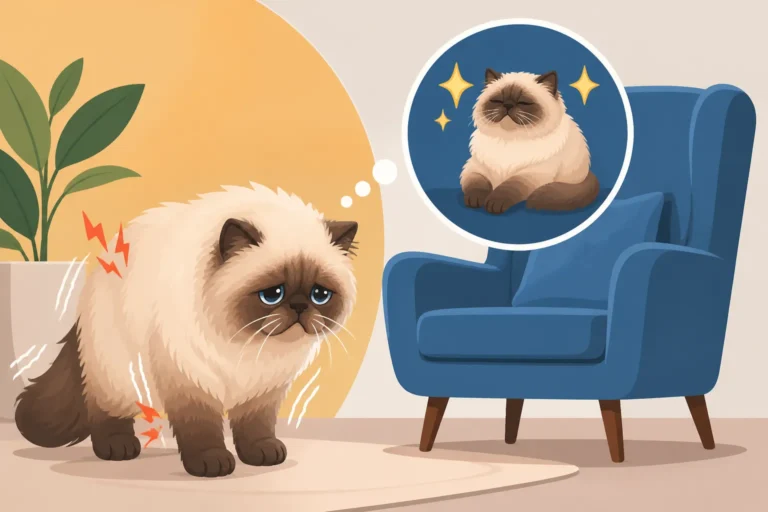
The very first signs that your Himalayan might be getting too warm are often behavioral. They might become unusually quiet or withdrawn, perhaps less interested in their usual playtime or greetings. A cat that normally loves to follow you around might instead find a solitary, cool spot and stay there. You might notice them seeking out tiled floors, bathtubs, sinks, or even under furniture where the air might be cooler. They might stretch out more than usual, flattening their body against a cool surface to maximize contact, or spread their paws wider.
Another common behavior is a change in their chosen resting spots. Instead of their usual plush bed or your lap, they'll gravitate towards cooler, harder surfaces. They might constantly shift positions, trying to find a more comfortable spot, indicating a general restlessness or discomfort. You might even observe them lying in unusual, almost sprawled positions, exposing their belly to the air in an attempt to dissipate heat. If your normally active cat seems to be melting into the floor, it’s a clear indication that they are struggling to regulate their body temperature. They are instinctively trying to find relief, often seeking out spots like a cool bathroom floor or a shaded corner. It's often said that Why a Himalayan Sits Where the Floor Is Coldest is a clear signal of their internal temperature management.
Physical Symptoms Demanding Immediate Attention
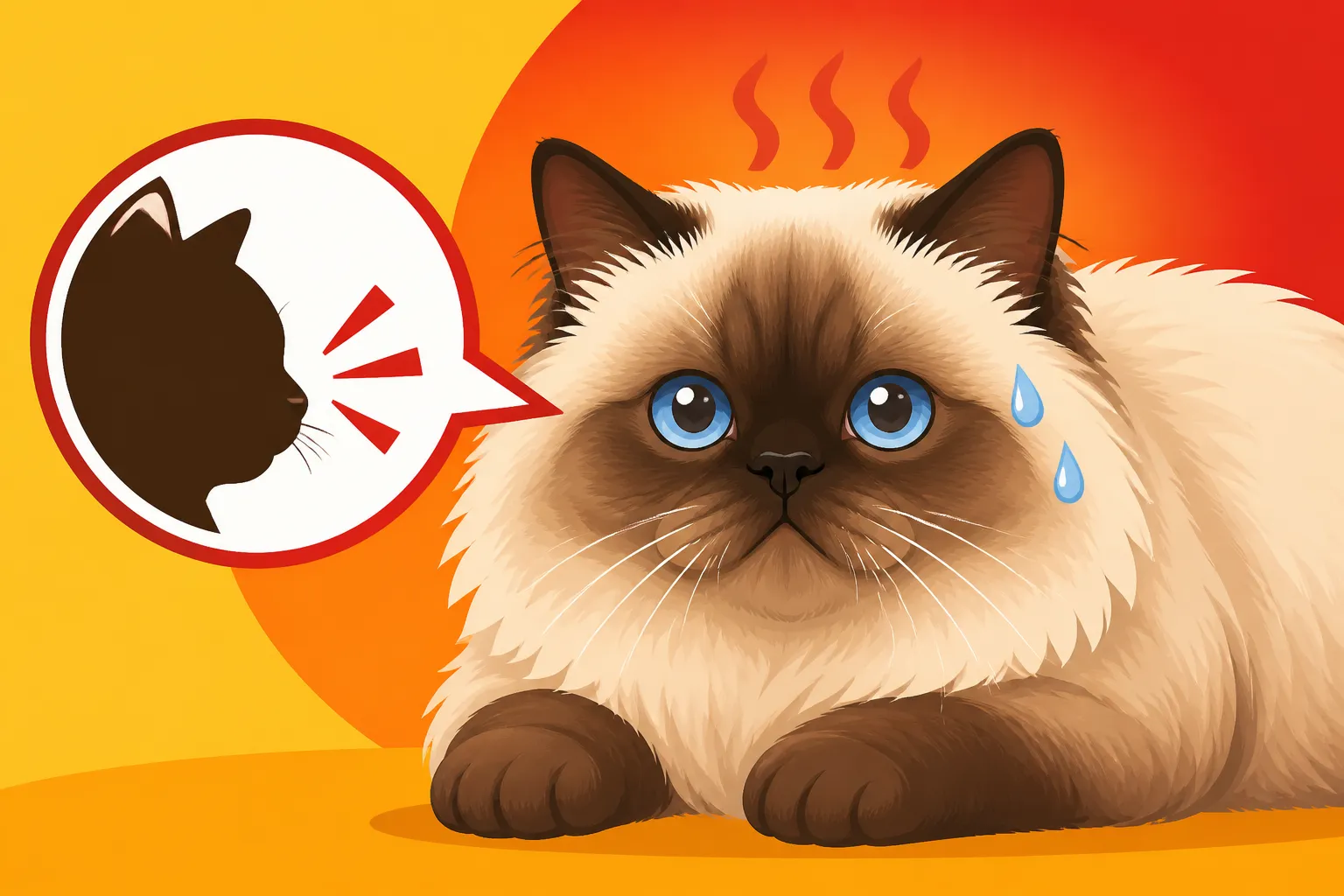
As a Himalayan’s core temperature rises, the behavioral cues will escalate into more noticeable and concerning physical symptoms. The most critical sign is panting – rapid, open-mouthed breathing. While some exertion might lead to a brief pant, prolonged or heavy panting, especially when they haven't been playing strenuously, is a red flag. This isn't a cat's primary cooling mechanism like it is for a dog, so seeing it means your cat is seriously trying to get rid of heat. Along with panting, you might notice excessive drooling, with saliva appearing thicker or foamy. Their gums and tongue might look a deeper red than usual, or in more severe cases, take on a bluish tint, indicating a lack of oxygen.
Their breathing itself might become visibly labored, shallow, or uneven. You may hear rasping or wheezing noises, which point to the compromised airway struggling under duress. Their ears might feel hot to the touch, and their pulse could be rapid. They might seem disoriented or uncoordinated, stumbling as they try to move. In the most severe cases, they might collapse or even suffer seizures. If you observe any of these pronounced physical signs, especially sustained open-mouth breathing, it’s not just a warning – it’s an emergency. Immediate action is required, and veterinary attention is paramount. It’s crucial to understand When a Himalayan's Open Mouth Breathing Needs a Vet because it often signifies a critical situation.
Immediate Steps to Help an Overheating Himalayan
If you see these signs, especially the more severe physical ones, you need to act quickly. Time is of the essence to prevent heatstroke and its potentially devastating consequences.
Rapid Cooling Techniques You Can Do at Home
The very first thing to do is move your Himalayan to the coolest possible spot in your home immediately. This might be a tiled bathroom, a basement, or simply a room with air conditioning. If you have an air conditioner, crank it up. If not, open windows and use fans to create air movement, but don't aim the fan directly at your cat if they seem distressed; gentle air circulation is better than a blast. Next, you want to start gentle cooling. Dampen cloths or towels with cool, not ice-cold, water and gently wipe down your cat’s fur, focusing on their paws, underarms, and belly. You can also place cool, damp towels over them, but ensure they are not completely covered, as this can trap heat.
Offer them fresh, cool water in a wide, shallow bowl, as a flat-faced cat might struggle with a deep one. Don't force them to drink, but make it readily available. Many owners find that a cooling mat, available from places like Amazon, can be a lifesaver for quickly lowering their body temperature. Simply place it where your cat is resting. You could also gently rub an ice pack (wrapped in a cloth to prevent direct skin contact) along their inner thighs or armpits, areas where large blood vessels are close to the surface. Just be sure to do this for short bursts and monitor their reaction closely. The goal is to bring their temperature down gradually and safely, not to shock their system. These are crucial steps in How to Cool a Long Coated Himalayan in Summer.
Knowing When It's Time for the Vet
While these home cooling measures are vital, they are often just first aid. If your Himalayan is showing severe symptoms like prolonged panting, extreme lethargy, disorientation, vomiting, diarrhea, or has collapsed, you need to get them to an emergency veterinarian immediately. Do not delay. Even if they seem to improve with your at-home efforts, a vet visit is highly recommended to ensure there’s no underlying damage or continuing risk. Heatstroke can have delayed effects, impacting organs like the kidneys and liver.
Call your vet or emergency animal hospital on the way to let them know you're coming and that you suspect heatstroke. This allows them to prepare for your arrival and begin treatment without delay. Keep your cat as cool as possible during transport – use the car's air conditioning on full blast, and continue with cool, damp cloths. Don't assume a quick recovery at home means they are out of the woods. A professional assessment is the only way to confirm their safety and address any potential complications that might not be immediately obvious.
Proactive Measures to Prevent Heat Stress
The best way to deal with overheating is to prevent it from happening in the first place. A few thoughtful adjustments to your home and your cat’s routine can make a world of difference.
Creating a Cool and Comfortable Home Environment
Maintaining a consistently cool environment is paramount for a Himalayan. This means keeping your home's ambient temperature comfortable, ideally below 75°F (24°C), especially during warmer months. Air conditioning is a huge asset here, but if you don't have it, consider strategic use of fans. Position them to create air circulation without directly blasting your cat. Close curtains or blinds during the hottest parts of the day to block out direct sunlight and keep rooms cooler. Ensure your cat always has access to multiple bowls of fresh, cool water. Wide, shallow bowls, easily found on Amazon, are ideal for their flat faces and long ruffs, preventing them from drenching themselves while drinking.
Provide plenty of designated cool spots throughout the house. Think about placing a cooling mat in their favorite lounging areas, or leaving a bathroom door open for access to tile floors. Elevated beds that allow air circulation underneath can also be helpful. Some owners even freeze water bottles or ice packs and wrap them in towels for their cats to lean against (supervised, of course). Remember, Why a Himalayan Struggles in a Warm Climate is due to their inherent physiology, so don't underestimate the need for constant vigilance regarding their environment.
Grooming and Activity Adjustments for Warmer Weather
Regular grooming is not just about aesthetics for a Himalayan; it’s a critical health measure, especially in warmer weather. Their incredibly dense coat needs daily attention to prevent mats and tangles, which can trap heat even more effectively. A good quality steel comb, like those readily available on Amazon, is essential for getting deep into their undercoat and removing loose fur. This helps their skin breathe and improves their natural insulation capabilities. While a full lion cut can be considered in extreme heat, discuss it with your vet first, as their skin can be sensitive to sunburn if exposed suddenly. Remember, The Daily Comb a Himalayan Cannot Skip is even more important when temperatures rise.
Adjust your Himalayan’s activity schedule. These cats aren't usually sprinters, but even short bursts of play can cause them to overheat quickly. Schedule playtime for the coolest parts of the day – early morning or late evening. Keep play sessions short and gentle. Watch for any signs of panting or labored breathing and end the session immediately if you see them. Avoid any strenuous activity, especially during peak heat. Furthermore, consider limiting travel during warm weather. Long car rides, especially without adequate air conditioning, can be very stressful and dangerous. Airlines often have restrictions on brachycephalic breeds flying in cargo due to heat concerns, and for good reason; Why a Himalayan Should Not Fly in Cargo is a rule that exists for their safety. Being proactive with their grooming and careful with their activity levels can significantly reduce the risk of heat stress.
| Sign of Overheating | Description | Immediate Action |
|---|---|---|
| Subtle Behavioral | Lethargy, seeking cool spots (tile, bathtub), restlessness, hiding | Move to coolest room, offer fresh water, observe closely. |
| Moderate Physical | Increased panting (not severe), excessive drooling, rapid pulse, hot ears | Initiate home cooling: damp cloths, fans, cooling mat. Call vet for advice. |
| Severe Physical | Prolonged heavy panting, labored breathing, disorientation, collapse, seizures | Emergency Vet Immediately! Continue cooling during transport, call ahead to clinic. |
Disclaimer
This article is for general informational purposes only and does not constitute professional advice. Laws, prices and regulations vary by location and change over time. Consult a qualified professional for guidance on your specific situation.