The Temperature a Himalayan Starts to Struggle At
If you're a loving Himalayan cat parent, you've probably noticed that your fluffy companion isn't exactly built for scorching summer days, or even just a warm afternoon. Their beautiful, dense coats and unique facial structure mean they struggle in temperatures that most other cats barely register. This guide is here to walk you through exactly why Himalayans are so sensitive to heat, help you identify the critical temperatures where they start to truly struggle, and arm you with practical, realistic strategies to keep your precious feline friend cool, comfortable, and safe.
Why Himalayans Are Especially Sensitive to Heat
It's not just their stunning looks that set Himalayans apart; it's also their physiology, which unfortunately makes them particularly vulnerable to overheating. Understanding these core factors is the first step in providing them with the best care.
The Impact of the Persian Coat
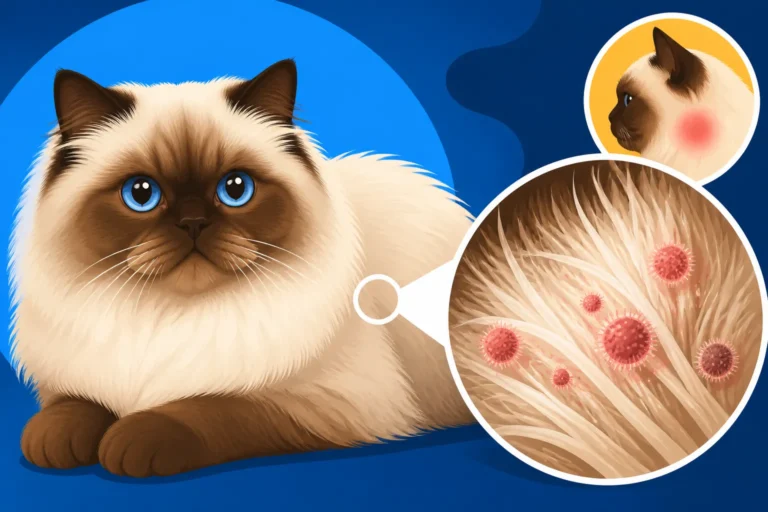
Let's be honest, that glorious, flowing coat is one of the main reasons we fell in love with Himalayans in the first place. But this beauty comes with a significant responsibility. Himalayans inherited their long, dense double coat from their Persian ancestors. This isn't just a single layer of fur; it's a luxuriant outer coat paired with a thick, insulating undercoat designed to keep them warm in colder climates. Think about it: a sheepdog in a desert would struggle, and your Himalayan's coat, while magnificent, functions in a similar way – it's an incredibly efficient insulator.
This double layer, while perfect for snuggling up on a chilly evening, acts like a heavy winter blanket when the mercury rises. It traps body heat close to their skin, making it incredibly difficult for them to dissipate excess warmth. Unlike cats with shorter, single coats, a Himalayan simply can't "air out" as effectively. Even sitting near a sunny window, which might feel like a cozy spot for a short-haired cat, can quickly become an uncomfortable, even dangerous, oven for a Himalayan, especially if they stay there too long without moving. This is why you'll often see them seeking out the coolest tile floor or a shady spot in the house, even when you don't feel particularly warm yourself. The challenge is real, and it’s a constant consideration for us Himmie owners.
Brachycephalic Airway Challenges
Beyond the coat, the Himalayan's distinctive "flat" face, or brachycephalic structure, presents another significant hurdle when it comes to heat regulation. This adorable, shortened muzzle and rounded head, while a beloved breed trait, means they have compacted airways compared to cats with longer noses. Their nostrils can be quite narrow, their soft palate might be elongated, and their tracheas can be smaller. All of these factors combine to make breathing more difficult, especially when they need to take in more air to cool down.
Cats primarily cool themselves by panting, a process that relies on efficient airflow over moist surfaces to evaporate heat. For a Himalayan, this process is far less effective. They have to work much harder to move the same amount of air as a cat with a normal snout, and even then, the capacity for heat exchange is reduced. This effort to pant can actually generate more body heat, creating a vicious cycle. You might notice your Himalayan snores louder than its Siamese ancestors, and that's often a direct result of these compressed airways. It’s a constant battle for them, and one that can escalate quickly. If you ever notice your Himalayan engaging in open mouth breathing, it needs a vet's attention immediately, as this is a sign of significant respiratory distress, not just casual panting. Understanding how a vet grades a Himalayan's nostrils can offer insight into the severity of these challenges.
Pinpointing the Danger Zone: Specific Temperatures and Symptoms
Knowing why your Himalayan struggles with heat is important, but knowing when they start to struggle and what those struggles look like is absolutely critical for their well-being.
The Critical Temperature Range
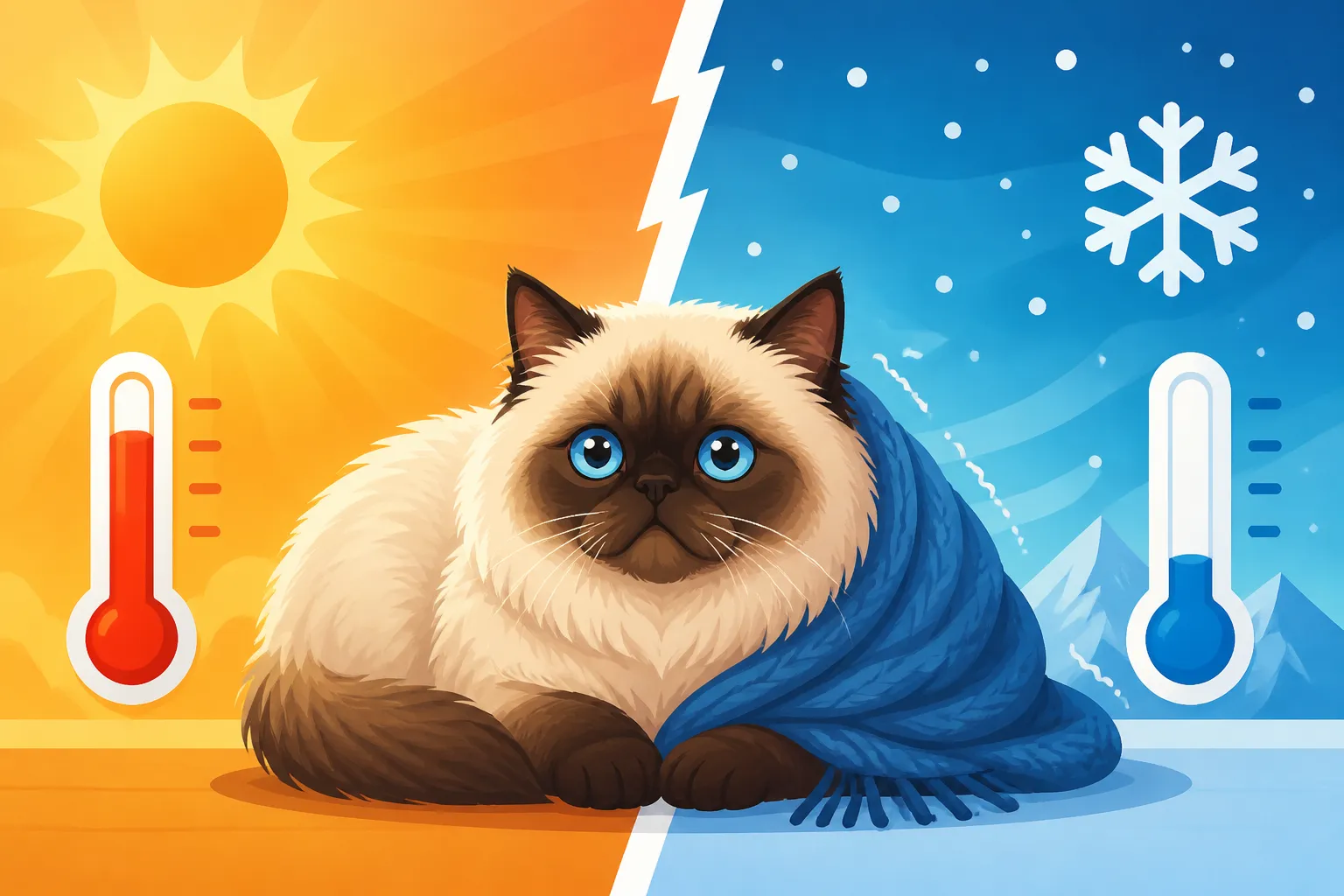
So, what's the magic number? While every cat is an individual, and factors like humidity, their activity level, age, and underlying health conditions play a huge role, a general rule of thumb for Himalayans is that temperatures starting around 75-80°F (24-27°C) can begin to pose a significant challenge. Once the temperature climbs to 85°F (29°C) and above, the risk of serious heat stress and even heatstroke increases dramatically for our flat-faced, long-haired friends.
Humidity is a silent killer here, too. High humidity makes it much harder for your Himalayan's body to cool itself through evaporation, meaning even a slightly lower temperature in a very humid environment can be more dangerous than a higher temperature in dry air. A young, active Himalayan might start showing signs of discomfort faster than an older, more sedentary one. Similarly, a cat with any pre-existing respiratory or cardiac issues will be at a much higher risk. It's not just about the thermometer reading; it's about the overall environmental context and your individual cat's health status. Always err on the side of caution.
Here’s a general guide to help you gauge the risk:
| Temperature Range (Fahrenheit/Celsius) | Risk Level for Himalayans | Common Observations |
|---|---|---|
| Below 70°F (21°C) | Low | Generally comfortable, might seek warm spots. |
| 70-74°F (21-23°C) | Moderate-Low | Still comfortable, but may start seeking cooler areas like tile floors. |
| 75-79°F (24-26°C) | Moderate | May become less active, start panting softly during play, seek shade/cool surfaces more frequently. |
| 80-84°F (27-28°C) | Moderate-High | Noticeable decrease in activity, more frequent panting, damp paws, might seem restless or lethargic. |
| 85°F (29°C) and above | High/Dangerous | Heavy panting, labored breathing, open-mouth breathing, weakness, stumbling, bright red gums, increased risk of heatstroke. |
Recognizing Early Signs of Heat Stress
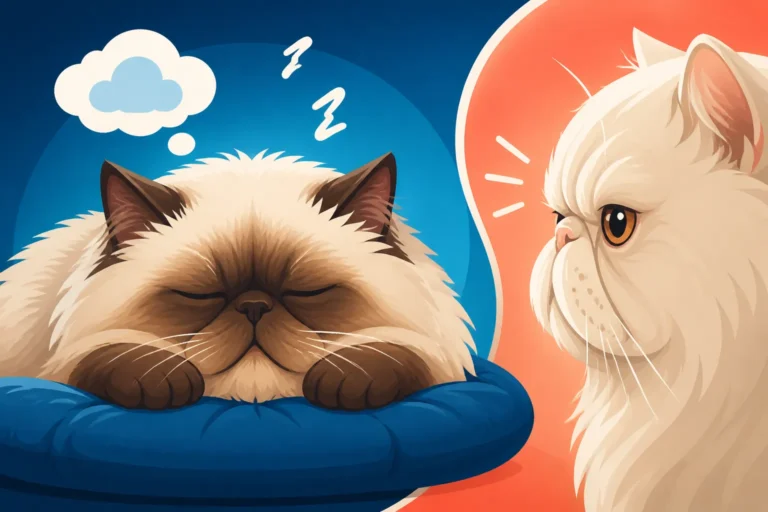
Your Himalayan will try to tell you they're too hot, but their signals can be subtle, especially at first. As a devoted owner, learning to read these cues is paramount. Early signs of heat stress are often behavioral. You might notice your usually playful cat becoming unusually lethargic, opting to nap rather than engage in their favorite wand toy chase. They might start seeking out the coolest, shadiest spots in the house – the bathroom tile, under a bed, or a dimly lit corner. Their activity level will drop dramatically, and they might seem a bit restless, unable to find a truly comfortable spot. This is the signal a Himalayan gives before it overheats, and it's your cue to intervene.
Physically, you might see them panting more frequently than usual. While a little panting after a vigorous play session is normal for many cats, for a Himalayan, even moderate exertion can lead to significant panting. Pay attention to how soon a Himalayan starts panting during play; if it's almost immediately or after very little activity, they're likely overheating. You might also notice their paws feel damp or sweaty, and their breathing may become noticeably faster and shallower. Their ears might feel hot to the touch. These are all signs that their body is struggling to regulate its temperature. Catching these early signs and acting quickly can prevent a situation from escalating into a full-blown emergency, which is where having comprehensive pet insurance from a provider like Healthy Paws can be a real lifesaver if things take a turn for the worse.
Practical Strategies for Keeping Your Himalayan Cool
Once you understand your Himalayan's unique vulnerabilities to heat, you can implement effective strategies to keep them comfortable and safe. It's all about creating an environment where they can thrive, regardless of the outdoor temperature.
Environmental Adjustments
The easiest and most impactful changes you can make are to their immediate environment. Air conditioning is truly your Himalayan's best friend during warmer months. Set it to a comfortable, cool temperature, ideally between 70-74°F (21-23°C). If you don't have AC, or even if you do, strategically placed fans can help circulate air, but remember, fans primarily cool by evaporation from the skin. Since Himalayans have such dense coats, a fan blowing directly on them might not be as effective as it would be for you, but it can still help move air around the room.
Creating designated "cool zones" in your home is also incredibly helpful. Tile or stone floors are naturally cooler than carpeted areas, so encourage your Himalayan to relax there. A cooling mat can also be a fantastic investment, though it's important to choose one that will actually reach a Himalayan's skin through their thick fur. You might need to gently part their fur to help them feel the coolness, or opt for a mat with a gel that activates with pressure. Hydration is key, so ensure multiple sources of fresh, cool water are available throughout the house. Wide, shallow water bowls are ideal, as they prevent your Himalayan from getting their long ruff soaked when they drink, and help them access the water more easily. You'll often find that a Himalayan soaks its ruff drinking from a regular bowl, which can lead to dampness and skin irritation, so a specialized bowl is a game-changer. Finally, as tempting as it might be to let them explore, a Himalayan has no business outdoors at all, especially in warm weather. Their coats and breathing challenges mean they overheat twice as fast as other cats, so keeping them indoors is a non-negotiable safety measure. Be especially vigilant about how fast an outdoor Himalayan overheats – it happens quicker than you'd ever imagine.
Grooming and Activity Modifications
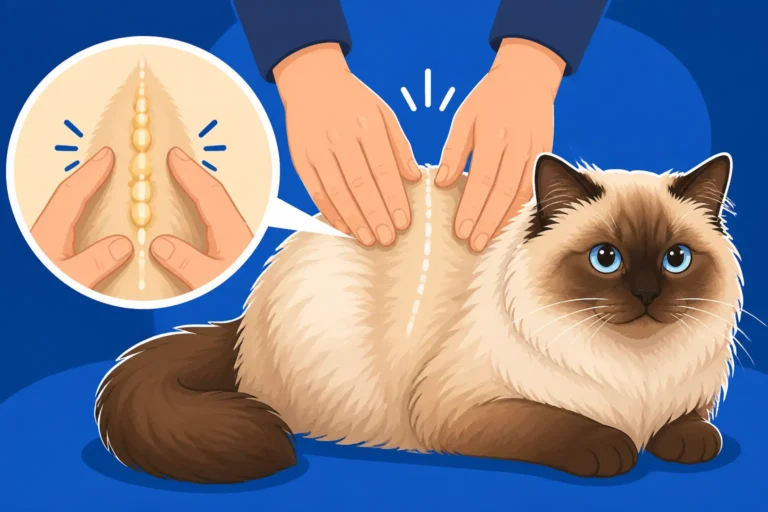
Beyond environmental controls, your daily routine with your Himalayan can make a huge difference in their ability to cope with heat. Consistent grooming is absolutely essential. That daily comb a Himalayan cannot skip isn't just for beauty; it removes loose undercoat, which can act like an extra layer of insulation. By thinning out the dead fur, you create better airflow closer to their skin, helping them dissipate heat more effectively. A thorough combing session once a day can significantly reduce their internal temperature burden.
For Himalayans who truly struggle despite all other efforts, a professional groomer might recommend a "lion cut." This involves shaving most of their body while leaving their head, paws, and tail fluffy. While it sounds drastic, when a lion cut is the right answer for a Himalayan, it can provide immense relief from the heat. However, it's a decision to discuss with your vet and groomer, as their fur will grow back differently and require specific aftercare. In terms of activity, adjust playtimes to the coolest parts of the day – early mornings or late evenings. Keep play sessions short and gentle. You'll notice how soon a Himalayan kitten runs out of breath, so it's vital to know when to end a Himalayan's play session to prevent them from overexerting themselves and overheating. Remember, a calm, quiet, and cool environment is what your Himalayan needs to thrive in warmer weather.
When to Seek Veterinary Attention
Even with the best preventative measures, sometimes things can take a turn. Knowing when a situation has become an emergency and requires immediate veterinary intervention is paramount.
Recognizing Heatstroke Symptoms
Heatstroke is a severe and potentially fatal condition. If your Himalayan exhibits any of these advanced symptoms, it's an absolute emergency: heavy, continuous panting or gasping, open-mouth breathing that sounds strained, weakness, stumbling, disorientation, vomiting, diarrhea, bright red or purple gums, or a body temperature above 105°F (40.5°C). In the most severe cases, they may collapse or have seizures. This is not a "wait and see" situation.
If you suspect heatstroke, immediately begin cooling measures while simultaneously preparing to transport your cat to the nearest emergency vet. You can gently spray or wipe them down with cool (not ice cold) water, focusing on their paws, ear flaps, and groin area. Do NOT submerge them in cold water or use ice, as this can cause shock. Offer small amounts of water if they are conscious and able to drink. The urgency here cannot be overstated; much like a serious injury, a Himalayan's heatstroke cannot wait until Monday. Every minute counts, and prompt professional medical attention significantly increases their chances of recovery. This is precisely the kind of unforeseen emergency where a robust pet insurance plan like those offered by Healthy Paws can alleviate the financial stress of urgent veterinary care.
Proactive Health Management
Beyond emergency responses, a proactive approach to your Himalayan's overall health is the best defense against heat-related issues. Regular veterinary check-ups are vital, especially for brachycephalic breeds. Your vet can assess their respiratory health, check for any underlying cardiac conditions, and offer tailored advice based on your cat's specific needs. For older Himalayans, in particular, it's crucial to understand what a Himalayan's yearly bloods should cover after eight, as age can bring new health challenges that impact their ability to cope with heat.
Discuss any concerns you have about their breathing, activity levels, or general well-being. Sometimes, what seems like minor discomfort can be a symptom of a deeper issue that, when combined with heat, could lead to serious problems. A consistently tested Himalayan still needs checking regularly, as even healthy cats can develop conditions over time. Being diligent about their routine health care means you're not just reacting to problems, but actively working to prevent them. And again, having a reliable pet insurance provider like Healthy Paws in your corner means you can always prioritize your Himalayan's health, knowing you're prepared for the unexpected, whether it's a heat-related incident or any other medical need.
Disclaimer
As an experienced blogger and enthusiast, the information provided here is for general guidance and informational purposes only, and does not constitute professional veterinary advice. Always consult with a qualified veterinarian for any health concerns or before making any decisions related to your pet's medical care.