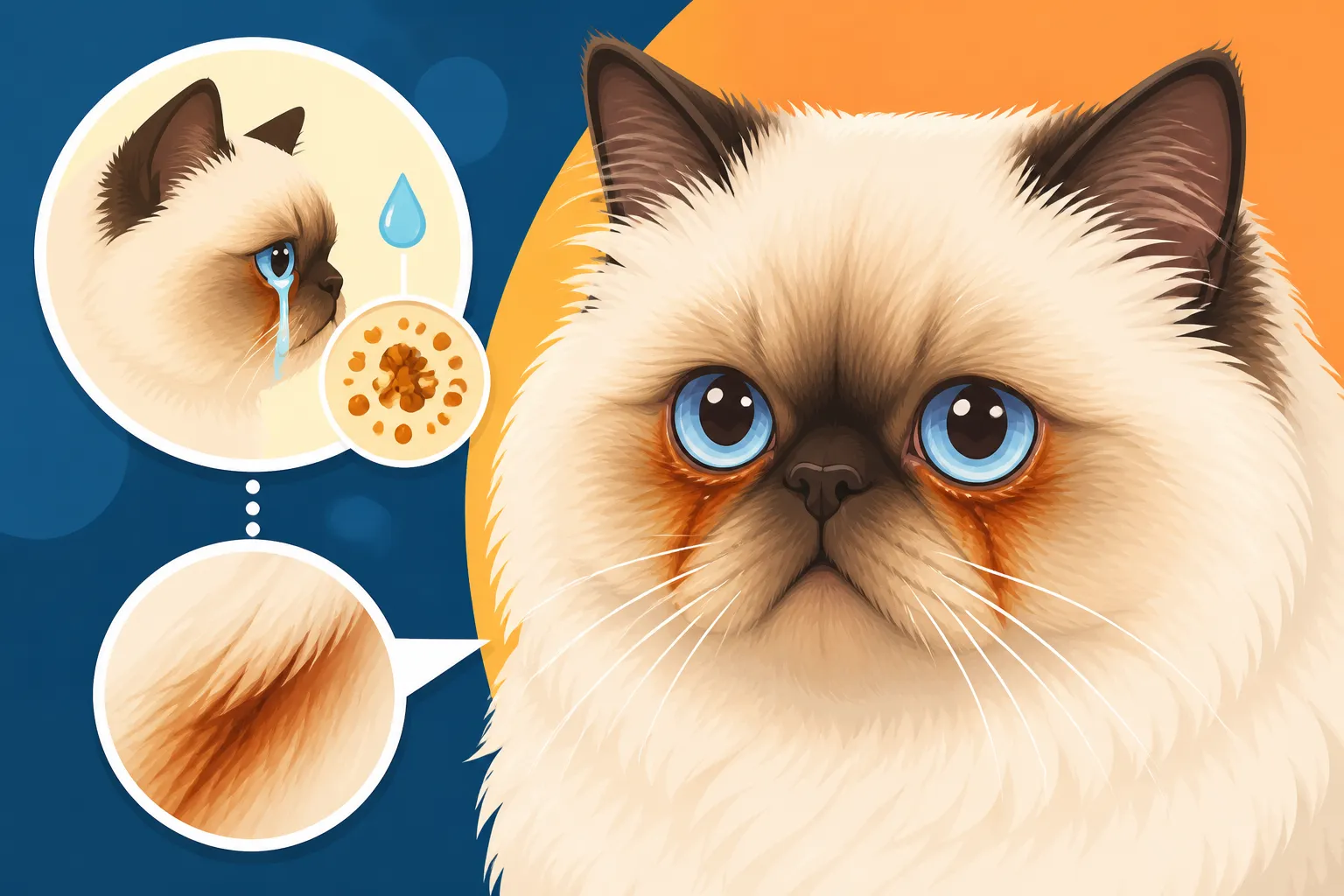
What Turns a Himalayan’s Tear Stains Rust Colored
It’s a common sight for many Himalayan cat parents: those otherwise beautiful, pristine cream or white coats marred by stubborn, reddish-brown streaks under their eyes. You clean them, you wipe them, and yet, they seem to return with a vengeance, leaving you wondering why your cat's tears aren't just clear, but seem to carry a rusty pigment. This guide will dive deep into the real reasons behind these discolored tear stains and offer practical ways to manage them.
The Mystery of Reddish-Brown Tear Stains Unveiled
When you first notice those reddish streaks, it’s easy to panic and think your beloved Himalayan has an eye infection or some serious underlying issue. While sometimes that can be the case, more often than not, those rust-colored stains are actually a sign of something much more common, yet still frustrating for us cat parents. It’s not necessarily blood, nor is it dirt, but a natural byproduct of your cat's body chemistry.
Porphyrins: The True Pigment Culprits
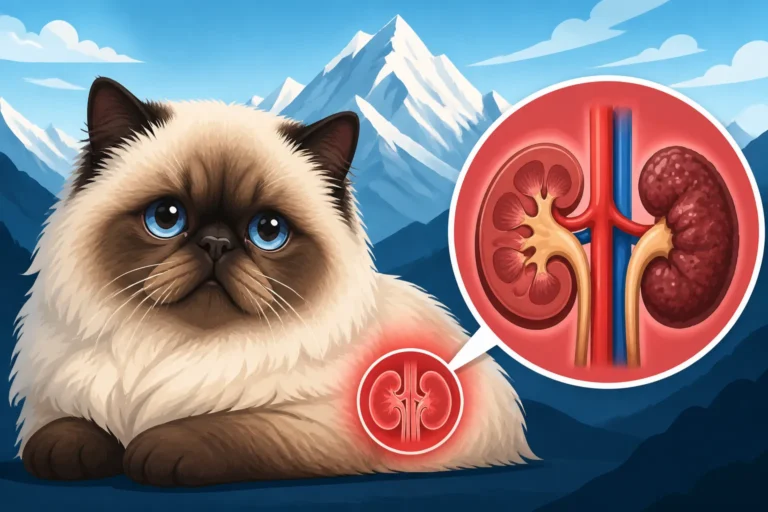
The primary reason behind those reddish-brown tear stains is a compound called porphyrins. These are iron-containing molecules that are naturally excreted in the tears, saliva, and urine of both cats and dogs. When these porphyrins are exposed to sunlight, they oxidize, which means they react with the air and light, and that's when they take on that tell-tale reddish-brown, almost rust-like color. It’s like how an apple turns brown after you slice it and leave it out – a natural chemical reaction. So, it's not the tears themselves that are red; it's the aftermath of those tears drying on the fur, especially in a sunny spot where your Himalayan loves to nap.
What's really interesting is that while all cats produce porphyrins, some just seem to excrete more, or perhaps their tears aren't draining properly, allowing these pigments more time to settle and oxidize on the fur. This is a crucial distinction because it means the problem isn't always about infection; it can be about volume of tears and exposure to light. Understanding this helps us approach the issue with the right solutions, rather than just reaching for antibiotics when they might not be needed.
Yeast and Bacteria: The Secondary Darkeners
While porphyrins are the initial cause of the reddish hue, they often get a little help from microscopic friends. The perpetually damp environment created by excessive tearing on your Himalayan's face is a perfect breeding ground for yeast and bacteria. Specifically, a common yeast called Malassezia can thrive in these moist areas. When this yeast starts to grow, it produces its own reddish-brown pigment, which can significantly darken and intensify the existing porphyrin stains.
Bacteria, too, can contribute. Certain types of bacteria, when allowed to proliferate in a constantly damp and warm area like the skin folds around a Himalayan's eyes and nose, can cause secondary infections. These infections not only lead to discomfort, itching, and potential odor, but they can also add to the discoloration, making the stains even darker and more unsightly. This is why you sometimes see the stains looking almost black in severe cases, or hear about a sour smell emanating from the affected area. It’s a combination effect, with porphyrins kicking things off, and then yeast and bacteria joining the party to make things worse. This is why simply wiping with water might not be enough; you need to address the microbial component too, which often begins with diligent drying of the area.
Why Himalayans Are Particularly Prone to Tear Staining
It's no secret that some breeds seem to struggle with tear stains more than others, and our beautiful Himalayans are certainly among them. Their unique, charming facial structure, while undeniably adorable, unfortunately predisposes them to these persistent reddish streaks. It's not just bad luck; it's a combination of genetics and anatomy.
The Brachycephalic Face: A Design Flaw for Tear Drainage
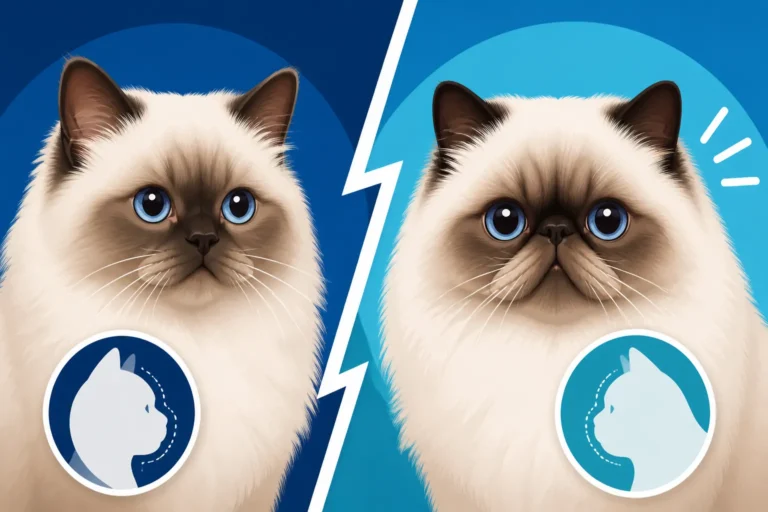
The most significant factor contributing to a Himalayan's tear staining is their beloved brachycephalic (or flat-faced) structure. Unlike cats with longer muzzles, Himalayans have shortened nasal passages and often shallower eye sockets. This means their eyes can be more prominent and less protected, and their tear ducts, which are supposed to efficiently drain tears away, are often kinked, narrowed, or even blocked.
Imagine trying to drain a sink with a bent pipe – it just doesn't work as well, right? That’s what’s happening internally. Tears are constantly being produced to keep the eyes moist, but instead of flowing down the tear ducts into the nasal cavity (where they would simply evaporate or be swallowed), they spill over onto the fur below the eyes. This constant overflow is called epiphora. The longer those tears sit on the fur, especially on a pale cream body coat, the more time the porphyrins have to oxidize and the more opportunity for yeast and bacteria to flourish. It’s a snowball effect, all starting with that wonderfully squishy, yet problematic, face.
Shallow Eye Sockets and Entropion Concerns
Beyond the tear ducts, the structure of the eye itself in a Himalayan can play a significant role. Many Himalayans have relatively shallow eye sockets and very prominent eyes. This can lead to the eyelids not fitting perfectly against the eyeball, sometimes allowing dust, debris, or even fur to irritate the eye, which then triggers more tear production. It's a constant cycle of irritation leading to more tears, leading to more staining.
Even more concerning is a condition called entropion, where the eyelid rolls inward, causing the eyelashes or fur to rub directly against the cornea. This is incredibly irritating and painful for the cat, leading to excessive tearing as the eye tries to flush out the irritant. If you've ever had an eyelash in your eye, you know how uncomfortable it is – imagine that constantly. Entropion must be addressed by a vet, as it can cause corneal ulcers and permanent damage if left untreated. If you notice your Himalayan's eye is half-closing, or they are pawing at it constantly, get them to the vet immediately. This is a prime example of when a simple stain could actually signal a serious underlying issue.
Environmental Factors and Allergies
It’s not just internal anatomy that affects tear staining; the world around your Himalayan plays a big part too. Environmental irritants like dust, pollen, smoke (even from cooking!), strong cleaning products, or scented candles can all irritate their sensitive eyes, leading to increased tear production. Think about how your own eyes water in a dusty room – it's the same for them. Keeping your home clean and well-ventilated can go a long way in reducing these external triggers.
Food allergies are another common, yet often overlooked, cause of excessive tearing and subsequent staining. Just like in humans, cats can develop sensitivities to certain ingredients in their diet. Common culprits include chicken, beef, dairy, or certain grains. If your Himalayan is showing other allergy symptoms like itching, skin irritation, or digestive upset, alongside severe tear staining, a dietary trial with a novel protein or limited ingredient diet, under veterinary guidance, might be necessary. Some owners find great success switching to specific brands that cater to sensitive stomachs or allergy-prone cats, which can alleviate inflammation and reduce tear production. Even poor water quality, with high mineral content, can sometimes be implicated, leading some owners to switch to filtered water for their furry friends.
Managing and Reducing Rust-Colored Tear Stains
Dealing with tear stains can feel like a never-ending battle, but with consistency and the right approach, you can significantly reduce their appearance and keep your Himalayan looking pristine. It's all about diligent daily care and knowing when to call in the professionals.
The Daily Face Routine: Consistency is Key
The most important step in preventing and managing rust-colored tear stains is a consistent, daily face-cleaning routine. This isn't just a recommendation; it's a necessity for Himalayans. You need to interrupt the cycle of tears sitting on the fur, oxidizing, and encouraging bacterial or yeast growth.
Every morning, make it a habit to gently wipe your Himalayan’s face. Start by using a soft, damp cloth – some prefer warm water, others use specific pet-safe eye wipes. There are many excellent wipes available that are formulated to be gentle around the eyes and contain mild antiseptic properties. Look for products that are free from harsh chemicals or perfumes. Gently wipe the stained area, making sure to get into any creases around the nose. The goal is to remove any moist tears and loosen dried crusts. After cleaning, it's crucial to dry the area thoroughly with a clean, dry cloth or a cotton pad. A damp environment is the enemy! Leaving the area wet after cleaning only invites more yeast and bacteria. Remember, Drying a Himalayan's Nose Fold So It Does Not Sour is key to preventing further issues.
For those particularly stubborn, rust-colored stains, some owners have success with specialized tear stain removers. These products often contain gentle cleansers and sometimes mild brightening agents. However, always exercise caution and consult your vet before using anything new near your cat’s eyes, especially since some products might not be suitable for long-term use or can cause irritation if not used correctly. Never use human eye makeup removers or harsh bleaches.
Diet and Water Quality Adjustments
Believe it or not, what goes into your Himalayan can have a direct impact on the color and volume of their tears. If you've tried all the external cleaning methods and the stains persist, it might be time to look at their diet. Certain ingredients are thought to increase inflammation in the body, which can, in turn, lead to increased tear production. Some cat owners find that switching to a high-quality, grain-free diet, or one with a novel protein source, can make a noticeable difference. Common dietary triggers include corn, wheat, soy, and certain animal proteins like chicken.
Consider the water your Himalayan is drinking too. Tap water in some areas can be high in minerals, particularly iron, which might contribute to the porphyrin load in their system. Switching to filtered or distilled water can sometimes help reduce the severity of staining. A wide, shallow water bowl is also essential for Himalayans, as their flat faces make it difficult to drink from deeper bowls without soaking their ruff, potentially leading to more dampness and staining. While a Himalayan's budget needs a line for its blue eyes, it also needs a line for quality food and water.
When to Seek Veterinary Advice
While many cases of rust-colored tear stains are simply cosmetic or due to a mild irritation, it’s vital to know when to seek professional veterinary help. If you notice any of the following, a trip to the vet is definitely in order:
- Sudden onset of severe staining: If the staining appears suddenly or worsens dramatically.
- Thick, colored discharge: Green, yellow, or excessively gooey discharge could indicate a bacterial infection.
- Redness, swelling, or pain: Any signs of inflammation around the eye, squinting, pawing at the face, or sensitivity to light.
- Odor: A strong, foul smell emanating from the stained area suggests a bacterial or yeast infection, possibly How Fold Dermatitis Starts Beside a Himalayan's Nose.
- Changes in eye appearance: Cloudiness, visible injury to the eye, or if one of a Himalayan’s blue eyes half closes.
- Ineffectiveness of home care: If consistent daily cleaning yields no improvement after a few weeks.
Your veterinarian can conduct a thorough eye exam to rule out underlying issues like blocked tear ducts, allergies, entropion, corneal ulcers, or even dental problems that can sometimes affect the eyes. They might perform a fluorescein stain test to check for corneal abrasions or flush the tear ducts to see if they are clear. If an infection is present, they can prescribe appropriate eye drops or oral medications. Insurance providers like Healthy Paws are a great resource for covering unexpected vet visits for such issues, giving you peace of mind that you can seek care without financial stress. Remember, early intervention can prevent more serious complications and keep your Himalayan comfortable and happy.
Comparing Tear Stain Management Methods
To help you navigate the various options for tackling those rust-colored tear stains, here’s a quick comparison of common management methods. Remember that combining several approaches often yields the best results.
| Method | Description | Pros | Cons | When to Use |
|---|---|---|---|---|
| Daily Wiping with Water | Gently wiping the stained area with a soft, damp cloth and then drying thoroughly. | Inexpensive, non-irritating, good for mild staining and prevention. | May not remove established stains, requires strict consistency, needs careful drying. | Daily maintenance, mild staining, prevention. |
| Pet-Safe Eye Wipes | Pre-moistened wipes containing gentle cleansers or antiseptics specifically for pets. | Convenient, effective for cleaning and mild microbial control. | Can be more expensive than water, some cats may dislike the smell/feel. | Daily maintenance, moderate staining, reducing microbial growth. |
| Specialized Tear Stain Removers | Topical solutions or powders designed to break down porphyrins and lighten stains. | Can be very effective at lightening existing stains. | May contain mild chemicals, requires careful application to avoid eye contact, not for long-term use. | Stubborn, established rust stains. Always consult vet. |
| Filtered/Distilled Water | Providing non-tap water for drinking. | Simple change, no direct application to cat. | Not guaranteed to work, may not be the root cause of staining. | If tap water has high mineral content, as part of a multi-faceted approach. |
| Hypoallergenic Diet | Switching to a limited ingredient or novel protein diet under vet guidance. | Addresses potential internal cause, can improve overall health. | Requires commitment, can be more expensive, takes time to see results. | If food allergies are suspected, persistent staining despite other efforts. |
| Veterinary Consultation | Professional examination, diagnosis, and prescription if needed (e.g., antibiotics, tear duct flush). | Addresses underlying medical issues, targeted treatment for infections. | Costs money, may involve diagnostic tests, requires vet visit. | Any signs of infection, pain, sudden worsening, or if home care fails. |
Keeping those beautiful blue eyes clear and the surrounding fur bright is a commitment, but it’s one that truly enhances your Himalayan’s comfort and charm.
Long-Term Strategies for a Stain-Free Face
Beyond the daily routine and immediate solutions, thinking about long-term strategies can help keep your Himalayan’s face consistently clear and minimize those frustrating rust-colored tear stains. It's about creating an environment and lifestyle that supports their unique needs, recognizing that their brachycephalic features require ongoing vigilance.
Regular Grooming and Trimming
While daily wiping is paramount, regular professional grooming or careful at-home trimming around the eyes can make a significant difference. Those long, silky hairs around your Himalayan's eyes can act like wicks, drawing tears away from the eye and onto the facial fur, where they then have ample opportunity to oxidize and stain. Keeping this fur neatly trimmed, especially if your cat has a doll face or a peke face, can prevent this wicking action and reduce the surface area available for stains to form.
Imagine a small fountain where the water consistently overflows; if there's a sponge right next to it, the water will be absorbed and spread. Trimming those hairs is like removing the sponge. You need to be incredibly careful when trimming near the eyes, so if you're not comfortable, always defer to a professional groomer or your vet technician. They have the right tools and expertise to safely trim without causing injury. Consistent grooming also helps prevent mats from forming in the delicate fur around the eyes and nose, which can further trap moisture and exacerbate staining and skin irritation. Remember, What Daily Combing Costs a Himalayan Owner in Time is significant, but it pays off in preventing worse issues.
Addressing Underlying Health Issues Proactively
Many owners don't realize that tear staining can sometimes be a subtle indicator of broader health issues or discomfort. Proactive health management is key. For example, dental disease, which is unfortunately common in Himalayans due to their crowded jaws, can sometimes manifest as increased tearing on the affected side due to nerve irritation or inflammation. Addressing Why a Himalayan Needs Dentals Earlier Than a Siamese can surprisingly improve tear staining.
Regular veterinary check-ups are non-negotiable for Himalayans. These aren’t just for vaccinations; they’re opportunities for your vet to assess your cat’s overall health, including their eye and dental health. A vet can spot early signs of entropion, perform a quick check for blocked tear ducts, or identify allergies that might be contributing to the issue. They can also advise on appropriate dietary supplements or medicated wipes if a persistent yeast or bacterial issue is suspected. For instance, How Often a Tested Himalayan Still Needs Checking for various health issues extends beyond just PKD, encompassing eye health too. Maintaining a vigilant approach to your Himalayan's health with regular vet visits, perhaps even considering pet insurance from a provider like Healthy Paws, ensures that you catch and address these underlying issues before they become chronic and harder to manage.
Maintaining a Clean and Stress-Free Environment
Finally, creating an optimal living environment for your Himalayan contributes significantly to reducing tear stains. As mentioned earlier, airborne irritants can trigger excessive tearing. Regularly dust and vacuum your home to minimize dust and dander. Avoid using strong air fresheners, aerosol sprays, or scented candles, as these can be irritants for sensitive feline eyes and respiratory systems. Ensure good ventilation, especially in areas where your cat spends a lot of time.
A stress-free environment also plays a role in overall feline health. While stress might not directly cause tear stains, a stressed cat can experience a compromised immune system, making them more susceptible to infections that could worsen staining. Himalayans thrive on routine and a calm household, so minimizing sudden changes or loud noises can help keep them serene and healthy. Providing plenty of fresh, filtered water and ensuring their litter boxes are kept impeccably clean (as dirty litter can harbor irritants) further supports their well-being. Ultimately, a holistic approach that combines diligent daily care with proactive health management and a supportive environment offers the best chance at keeping your Himalayan’s beautiful face bright and clear of those rust-colored stains.
Disclaimer
This guide offers general information and is not a substitute for professional veterinary advice. Always consult with a qualified veterinarian for any health concerns or before making changes to your pet's care routine or diet.