Living With a Himalayan That Inherited the Persian Kidney Gene
Discovering that your beloved Himalayan has inherited the Persian kidney gene, known as Polycystic Kidney Disease (PKD), can feel like a punch to the gut. It's a distressing reality many dedicated owners face, filled with questions about their cat's future and how best to care for them. This guide aims to walk you through what it truly means to live with a Himalayan diagnosed with PKD, offering practical advice and empathetic support every step of the way.
Understanding Polycystic Kidney Disease in Your Himalayan
When we talk about PKD in Himalayans, we're really talking about a silent threat that has unfortunately become far too common due to its genetic link to the Persian ancestry. It's not something that develops due to diet or environment; it's there from the start, a hidden blueprint passed down through generations.
The Genetic Reality of PKD
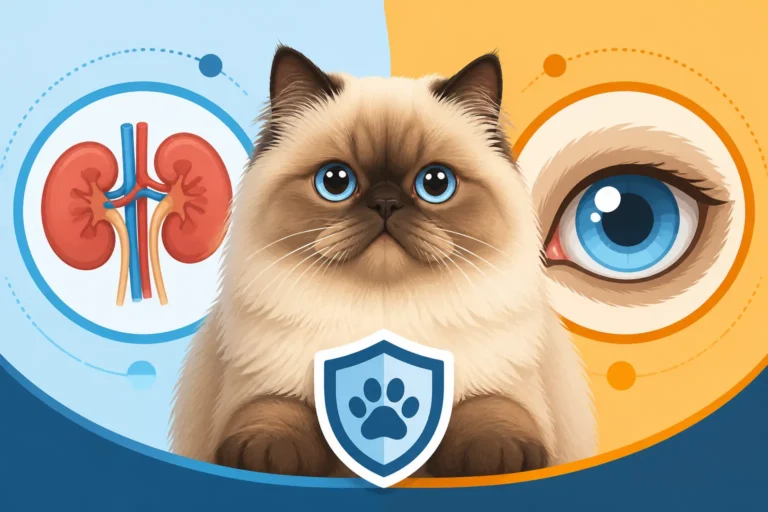
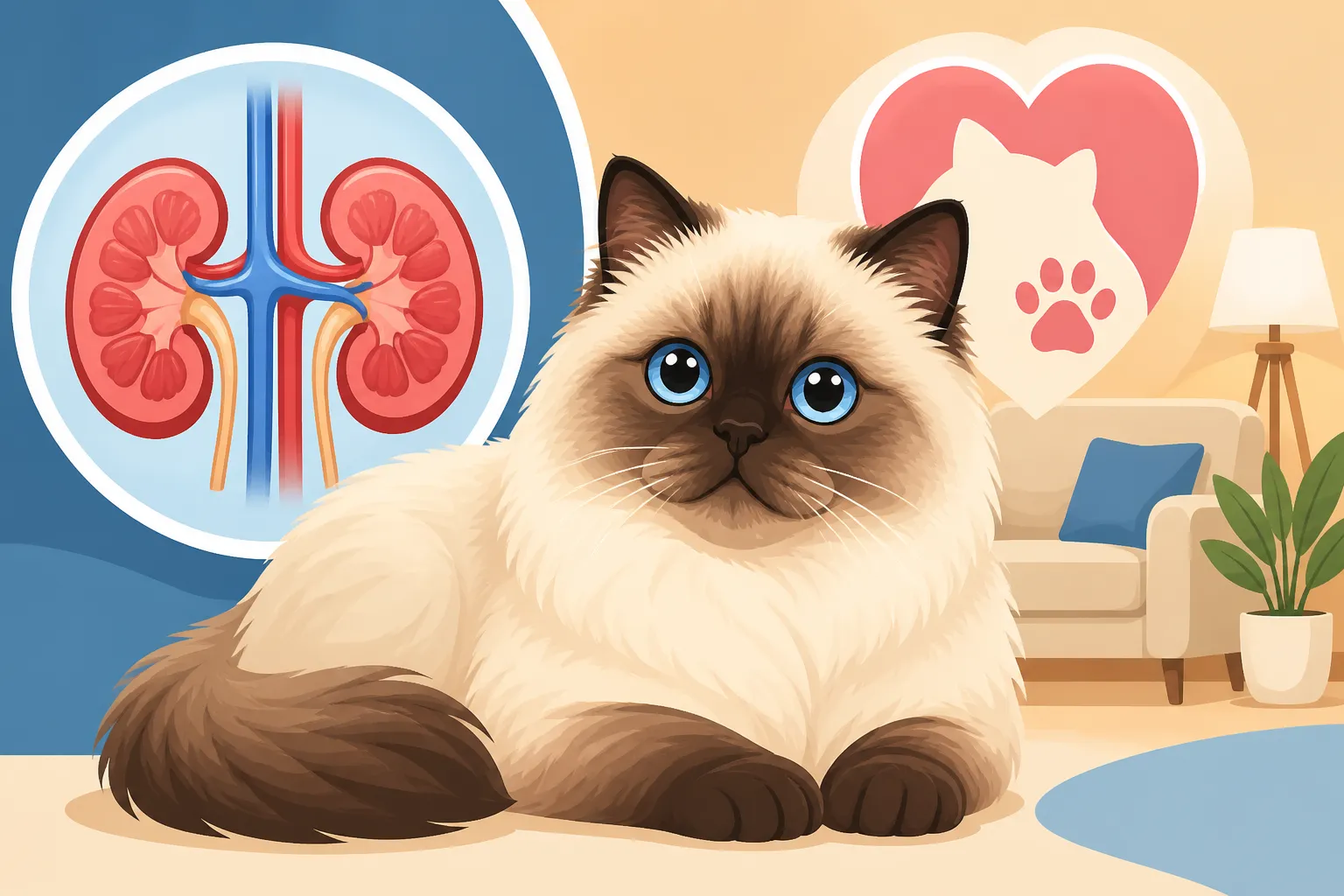
Polycystic Kidney Disease (PKD) is a hereditary condition where cysts, which are fluid-filled sacs, form within the kidneys. These cysts are present from birth, starting as tiny structures, but they grow larger over time, slowly overwhelming and replacing healthy kidney tissue. Imagine a sponge, full of holes, gradually becoming more holes than sponge – that's somewhat akin to what happens to the kidneys.
The frustrating part about PKD is that it's an autosomal dominant inherited disorder. This means that a Himalayan only needs to inherit one copy of the defective gene from one parent to develop the disease. This is a crucial point, and it’s why understanding Why PKD Needs Only One Copy in a Himalayan is so important for breeders and owners alike. If even one parent carries the gene, there’s a 50% chance each kitten in the litter will inherit it. The cysts themselves can vary greatly in size and number from one cat to another, even within the same litter, making the progression of the disease unpredictable. Some cats might have just a few small cysts that never cause significant issues, living a full life, while others develop numerous, large cysts that lead to kidney failure at a much younger age. This variability is one of the most challenging aspects of managing PKD.
Early Signs and Diagnosis
One of the most insidious things about PKD is how quietly it starts. Those tiny cysts don't cause any problems initially, and your Himalayan might seem perfectly healthy for years. This is why early diagnosis, often before any symptoms appear, is so critical. Typically, the first signs of trouble, if any, often don't show up until a cat is around 5 to 7 years old, or even older, when enough kidney tissue has been compromised. However, some unlucky cats can show signs much earlier.
The most common early symptoms of kidney disease in general – and therefore PKD as it progresses – include increased thirst and urination. You might notice your Himalayan emptying their water bowl more often, or spending more time in the litter box. Other subtle signs can include a gradual decrease in appetite, weight loss despite eating, lethargy, or even occasional vomiting. The problem is, these are vague symptoms that could point to many different issues, which is why a definitive diagnosis requires specific tests.
The gold standard for diagnosing PKD, especially in younger cats or those without symptoms, is an ultrasound of the kidneys. This imaging technique allows a veterinarian to visualize the kidneys and detect the presence of cysts, even very small ones. An ultrasound can reveal How Early Cysts Show on a Himalayan's Kidney Scan, giving you a clearer picture of what you're dealing with. For confirmation and breeding purposes, a genetic test performed on a simple cheek swab can identify the presence of the PKD gene. It's a straightforward process, and understanding How a Himalayan Is Swabbed for the Persian Kidney Gene is invaluable. While the genetic test tells you if the gene is present, the ultrasound tells you the extent of the physical cyst development. Many vets recommend an ultrasound even if a cat is genetically clear, just to rule out other potential kidney issues or confirm the extent of the disease if the gene is present. Regular check-ups, even for seemingly healthy Himalayans, are crucial for catching these subtle changes early.
Daily Management and Care for a PKD-Positive Himalayan
Once you have a diagnosis of PKD, whether your cat is symptomatic or not, the focus shifts to managing the condition and supporting their kidney health for as long as possible. This involves a proactive approach to diet, hydration, and regular monitoring.
Dietary Adjustments for Kidney Health
Diet plays a monumental role in managing kidney disease, and for a Himalayan with PKD, it’s one of the most impactful changes you can make. The goal of a renal diet isn't to cure the disease – unfortunately, there's no cure for PKD – but to slow its progression and minimize the workload on the compromised kidneys. These specialized diets are typically lower in protein, phosphorus, and sodium, and often supplemented with B vitamins and omega-3 fatty acids.
Why these specific changes?
- Lower Protein: While cats need protein, a failing kidney struggles to process the waste products from protein metabolism. A controlled amount of high-quality protein reduces this burden.
- Lower Phosphorus: High phosphorus levels can worsen kidney damage and lead to mineral imbalances. Renal diets restrict phosphorus to protect the kidneys further.
- Lower Sodium: Reduced sodium helps manage blood pressure, which can be a concern with kidney disease.
- B Vitamins: These are water-soluble and can be lost through increased urination, so supplementation is common.
- Omega-3 Fatty Acids: These have anti-inflammatory properties that can be beneficial for kidney health.
Transitioning your Himalayan to a renal diet can sometimes be tricky. Cats are creatures of habit and can be notoriously picky eaters. You might need to introduce the new food gradually, mixing small amounts with their old food and slowly increasing the proportion over several days or even weeks. Warming the food slightly can also enhance its aroma and palatability. Your vet will recommend specific brands and types, and it's essential to stick to these recommendations. You'll likely find that Which Renal Diet a Cyst Positive Himalayan Ends Up On varies slightly depending on the individual cat's needs and preferences. Don't be discouraged if it takes a few tries to find a food your Himalayan will accept – consistency is key, and it’s worth the effort for their long-term health. Some owners even consider pet insurance like Healthy Paws, knowing that specialized diets and ongoing vet care can add up, and having that support can ease the financial burden.
Hydration and Monitoring Kidney Health
Maintaining excellent hydration is paramount for any cat, but especially for one with PKD. The kidneys are responsible for filtering waste and regulating water balance, and when they're compromised, they struggle with these tasks. Increased water intake helps the kidneys flush out toxins more efficiently and prevents dehydration.
Encouraging your Himalayan to drink more can be a creative endeavor. Consider investing in a cat water fountain, as many cats are drawn to fresh, flowing water. Place multiple water bowls around the house, in different shapes and sizes, and keep them meticulously clean. Some cats prefer ceramic or glass bowls over plastic. Adding a little water to their wet food can also boost their fluid intake. Remember that Why Extra Thirst in a Himalayan Points at Its Persian Half is a significant symptom that should always prompt a vet visit, as it indicates the kidneys are working harder than they should.
Beyond hydration, regular monitoring of your Himalayan's kidney health is non-negotiable. This involves scheduled veterinary visits where blood and urine tests will be performed. These tests measure specific markers like creatinine, BUN (blood urea nitrogen), and phosphorus, which indicate how well the kidneys are functioning. Your vet will explain What a Himalayan's Yearly Bloods Should Cover After Eight, ensuring comprehensive tracking of their kidney values as they age.
A urine specific gravity test is also critical, as it assesses the kidneys' ability to concentrate urine. In kidney disease, this ability diminishes, leading to dilute urine. These regular check-ups allow your vet to track the progression of the disease, make necessary adjustments to their diet or medication, and intervene early if any complications arise. Keep a journal of your cat's food and water intake, as well as any changes in their litter box habits or energy levels, to share with your vet. This detailed information provides invaluable insights into their daily well-being.
Supporting Your Himalayan Through Progression
Even with the best management, PKD is a progressive disease. There will likely come a time when your Himalayan's kidney function declines further, and new symptoms emerge. This stage requires even more vigilant care and close collaboration with your veterinary team.
Symptom Management and Veterinary Care
As PKD advances, the cysts continue to grow, leading to a significant loss of kidney function. At this point, you might observe more pronounced symptoms, such as persistent nausea, frequent vomiting, severe weight loss, and a generally poor coat condition. Some cats may become very anemic, leading to extreme lethargy and pale gums. It's truly heartbreaking to witness.
Your veterinarian will work closely with you to manage these symptoms and maintain your Himalayan's comfort. This often involves a multi-pronged approach:
- Anti-Nausea Medications: To alleviate discomfort and encourage appetite.
- Appetite Stimulants: To help prevent further weight loss.
- Phosphate Binders: These medications, often given with food, reduce the absorption of phosphorus from the diet, helping to keep blood phosphorus levels in check.
- Fluid Therapy: Subcutaneous (under the skin) fluids can be administered at home, typically a few times a week, to help combat dehydration and flush toxins. While it sounds intimidating at first, many owners quickly become proficient, and it can make a significant difference in how their cat feels. If you're wondering Whether Home Fluids Extend a Himalayan's Life, the answer is often yes, as they help mitigate the effects of kidney failure.
- Blood Pressure Medication: Hypertension is common in cats with kidney disease, and managing it is crucial to protect other organs, especially the eyes and heart.
- Anemia Management: If severe anemia develops, your vet might recommend specific treatments.
Regular veterinary visits become even more frequent during this stage, sometimes every few weeks or months, depending on your cat's condition. These visits allow the vet to reassess blood work, adjust medications, and ensure your Himalayan is as comfortable as possible. It's a journey that requires immense patience and dedication on your part, but the bond you share with your feline friend makes every effort worthwhile. Remember, a Himalayan is known for its stoic nature, and Why a Himalayan Hides Illness Behind an Expressionless Face can make it challenging to pinpoint when they're truly suffering, so observing subtle behavioral changes is key.
Quality of Life and Emotional Support
Beyond the medical treatments, focusing on your Himalayan's quality of life is paramount. This means ensuring they are comfortable, loved, and have every opportunity to enjoy their remaining time with you. Create a serene and predictable environment. Provide easy access to their food, water, and litter box – perhaps using a low-sided litter box if they're experiencing weakness. Offer warm, soft beds in their favorite quiet spots. Continue with gentle grooming, if they tolerate it, to keep their long coat from matting, as an unwell cat may stop grooming themselves.
Mental stimulation, even if subdued, is still important. Gentle play sessions with a favorite wand toy, or simply spending quiet time together, can be very comforting. Remember that your Himalayan finds comfort in routine. Try to maintain as much of their normal schedule as possible, even as their health declines.
Living with a pet with a chronic, progressive illness takes an emotional toll on owners. It's okay to feel sad, stressed, or overwhelmed. Acknowledge your feelings, and don't hesitate to seek support from friends, family, or online communities of pet owners facing similar challenges. You are not alone in this journey. Understanding the condition and being proactive gives you a sense of control in an otherwise unpredictable situation. Cherish the good days, and on the tougher ones, remind yourself that you are doing everything you can to provide the best possible care for your beloved companion.
Planning for the Future and End-of-Life Care
The reality of PKD means that, eventually, kidney function will cease. While it's a difficult topic, planning for the future, including financial aspects and compassionate end-of-life care, is an essential part of responsible pet ownership.
Financial Considerations and Insurance
Managing a chronic condition like PKD can become quite costly over time. From specialized renal diets and prescription medications to frequent veterinary visits, blood tests, ultrasounds, and potentially fluid therapy supplies, the expenses can accumulate. It's wise to have an honest conversation with your vet early on about potential costs and to plan accordingly.
This is where pet insurance can be a lifesaver. Companies like Healthy Paws offer policies that can help cover a significant portion of veterinary bills for illnesses and accidents. While pre-existing conditions are typically not covered, if you have insurance in place before a PKD diagnosis, it can greatly alleviate the financial stress associated with long-term management. Reviewing your policy carefully to understand what is covered, especially for chronic conditions, is crucial. If you're considering a Himalayan kitten, looking into pet insurance from day one can be a smart move, especially given the breed's predispositions to conditions like PKD. The cost of What Testing a Himalayan for PKD and the Eyes Costs upfront for breeders and owners pales in comparison to the long-term treatment expenses.
Even without insurance, there are ways to manage costs. Some veterinary clinics offer payment plans. Compounding pharmacies can sometimes provide medications at a lower cost than standard vet-dispensed drugs. Local animal welfare organizations might also offer assistance programs. Don't be afraid to discuss financial concerns with your vet; they often have resources or alternative strategies to help you provide care within your budget.
Making Difficult Decisions
The hardest part of loving a pet with a progressive illness is knowing that, eventually, you will face the decision of when to say goodbye. This is a deeply personal choice, filled with grief and often guilt. The goal is always to ensure your Himalayan's comfort and dignity, preventing prolonged suffering.
Signs that your Himalayan's quality of life is severely compromised might include:
- Persistent pain or discomfort: Despite pain medication.
- Complete loss of appetite and significant weight loss: Leading to muscle wasting.
- Chronic vomiting and nausea: Making them miserable.
- Extreme lethargy and weakness: Unable to move or engage.
- Incontinence or inability to use the litter box: Indicating a severe decline in bodily control.
- No longer enjoying favorite activities: Such as cuddling, gentle play, or observing their surroundings.
Your veterinarian is your most important guide during this heartbreaking time. They can help you assess your Himalayan's quality of life using objective criteria and offer compassionate counseling. It's helpful to understand How Long a Himalayan Lives Once Its Kidneys Fail in various stages, to set realistic expectations. They might use a "Quality of Life Scale" to help you evaluate different aspects of your cat's well-being.
When the time comes, knowing that you've done everything you can, that you've provided a loving home and comprehensive care, can offer some solace. Euthanasia, when performed with compassion, allows your beloved Himalayan to pass peacefully, surrounded by love, free from pain. It's the final act of kindness you can offer. This entire journey, from diagnosis to farewell, is a testament to the profound bond you share with your Himalayan, a love that endures beyond their physical presence.
Disclaimer
The information provided in this guide is intended for educational purposes only and should not be considered a substitute for professional veterinary advice. Always consult with a qualified veterinarian regarding any health concerns or before making any decisions about your pet's medical care.