What a Himalayan’s Yearly Bloods Should Cover After Eight
It's a tough pill to swallow, isn't it? One day your fluffy Himalayan is a playful kitten, and the next, you realize they're starting to get a little silver around the muzzle, moving a bit slower, and those yearly vet visits suddenly feel a lot more serious. The worry about what diseases might be lurking, especially with a breed prone to certain genetic conditions, can be overwhelming. This guide will walk you through the crucial blood tests your senior Himalayan needs after the age of eight, helping you understand what each test reveals and why it’s so important for their continued health.
The Unique Challenges of an Aging Himalayan
Watching your beloved Himalayan enter their golden years is a bittersweet experience. You cherish every purr and slow blink, but a quiet anxiety often settles in – the concern for their health as they age. Himalayans, with their unique Persian lineage and striking features, have specific considerations that come with advancing years.
Why Eight Years Marks a Turning Point
For many cats, and particularly for a breed like the Himalayan, the age of eight is often considered the threshold into senior citizenship. It's not a hard-and-fast rule, of course; some cats sail past this age without a hitch, while others might show signs of slowing down a bit earlier. But generally speaking, eight years is when veterinarians start recommending more proactive and frequent health screenings. Think of it as hitting your own 50s or 60s – things just start to need a little more monitoring. The metabolic processes begin to slow, organs might not function with the same youthful efficiency, and the body's ability to repair itself diminishes. For a Himalayan, whose The Nine to Fifteen Years a Himalayan Usually Gets is quite good, eight years is roughly two-thirds of their expected lifespan, making diligent health checks paramount.
It's easy to get caught up in the "they seem fine!" mentality, but many age-related conditions are masters of disguise. Cats are notoriously good at hiding discomfort and illness, an instinct stemming from their wild ancestors where showing weakness meant vulnerability. This means that by the time you notice overt symptoms like significant weight loss, changes in appetite, or increased thirst, a disease might already be quite advanced. Regular blood work helps your vet catch these subtle shifts long before they manifest visually, allowing for earlier intervention and better management of potential issues.
Common Age-Related Health Concerns in Himalayans
As our beloved Himalayans age, certain health issues become more prevalent, and some are particularly relevant due to their genetic background. Polycystic Kidney Disease (PKD), for example, is a well-known concern passed down from their Persian ancestors. Even if your cat was screened as a kitten, continued monitoring of kidney function is vital because other kidney issues can also develop with age. You might have heard stories about What PKD Did to Himalayan Lines Before the Gene Test, highlighting the importance of understanding this predisposition.
Beyond PKD, other conditions frequently appear in senior Himalayans. Hyperthyroidism, a common endocrine disorder, often presents with weight loss despite a ravenous appetite, hyperactivity, and an unkempt coat. Diabetes mellitus, another endocrine disease, also becomes more likely, particularly in Himalayans who might be prone to being a little on the chubby side. Dental disease, while present at all ages, can become severe in older cats, leading to pain, infection, and impacting their overall health. Lastly, and certainly not least, heart conditions like hypertrophic cardiomyopathy (HCM) can also be a concern. These are the "big hitters" we're trying to keep an eye on when we recommend comprehensive yearly blood tests.
Essential Blood Tests for Your Senior Himalayan
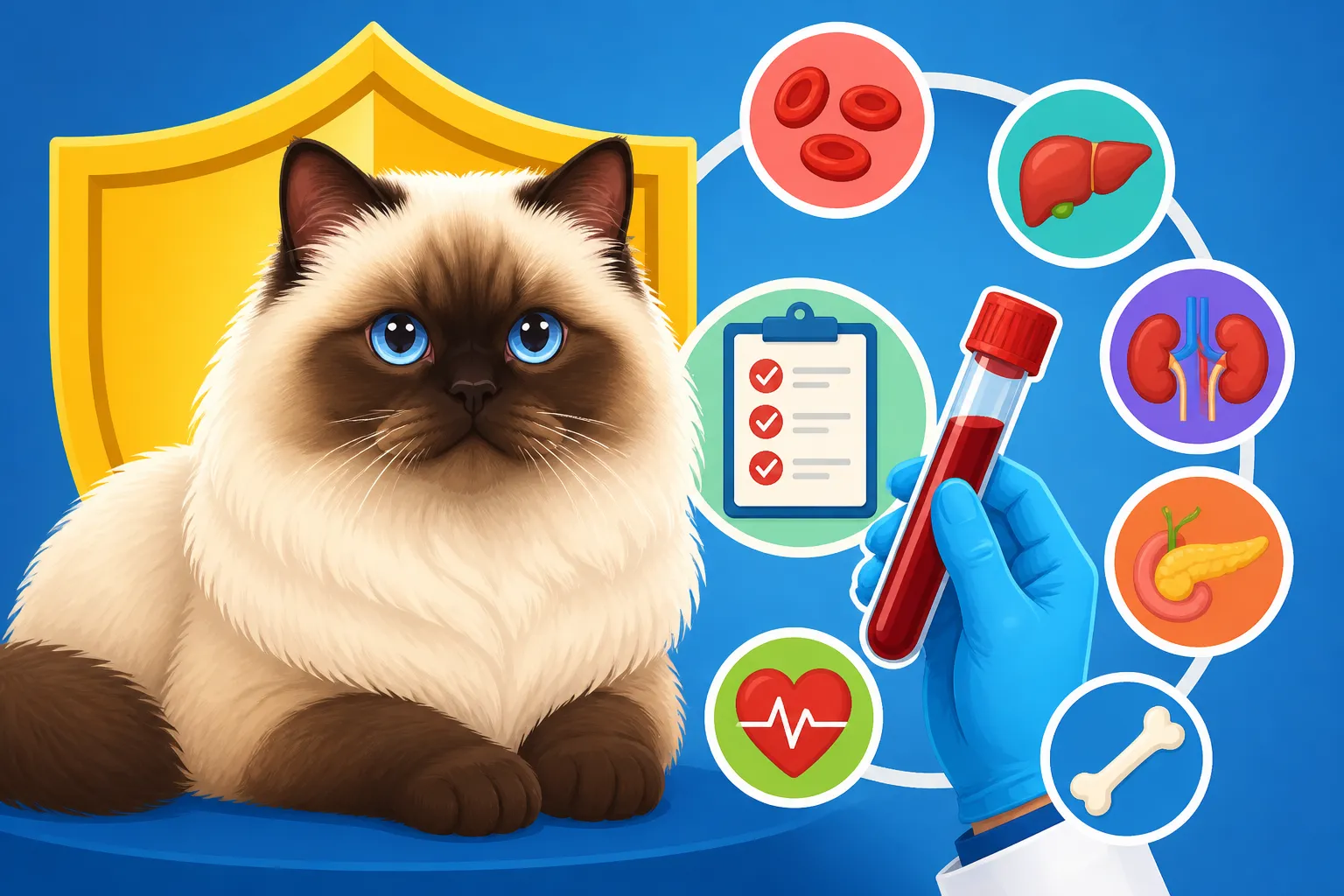
When your senior Himalayan goes in for their annual check-up, the vet isn't just listening to their heart and feeling their belly anymore. A battery of blood tests becomes a critical tool, providing a snapshot of their internal health. These tests are the best way to uncover hidden issues before they become serious problems.
Comprehensive Metabolic Panel (Chemistry Panel)
This is arguably the cornerstone of senior cat blood work, offering a broad view of how your cat's internal organs are functioning. It's a powerhouse of information, revealing critical insights into kidney, liver, and pancreatic health, as well as electrolyte balance and blood sugar levels.
-
Kidney Function (BUN, Creatinine, SDMA): This is paramount for any aging cat, but especially for Himalayans given their genetic predisposition to kidney issues like PKD. Blood Urea Nitrogen (BUN) and Creatinine levels are indicators of how well the kidneys are filtering waste products from the blood. When these levels are elevated, it suggests the kidneys aren't doing their job effectively. A newer, more sensitive marker called SDMA (Symmetric Dimethylarginine) is a fantastic tool because it can detect kidney disease much earlier, sometimes even when kidney function has only declined by 25%, compared to BUN and Creatinine which typically don't show changes until 60-75% function is lost. Early detection is key to slowing the progression of kidney disease. It allows for dietary changes – Which Renal Diet a Cyst Positive Himalayan Ends Up On is a common recommendation – and other supportive therapies that can significantly extend a cat's quality of life. Understanding How a Himalayan's Kidney Numbers Are Tracked From Five also provides valuable context here, showing how longitudinal data helps vets spot trends.
-
Liver Function (ALT, ALP, Bilirubin): The liver is a vital organ involved in metabolism, detoxification, and protein synthesis. Enzymes like Alanine Aminotransferase (ALT) and Alkaline Phosphatase (ALP) are released into the bloodstream when liver cells are damaged. Elevated levels can signal liver inflammation, disease, or even conditions like fatty liver, which can be particularly concerning in overweight Himalayans. Bilirubin is a pigment produced during the breakdown of red blood cells, and high levels can indicate liver or gallbladder issues. Monitoring these values helps ensure your Himalayan's liver is performing its essential functions without strain.
-
Blood Glucose (Sugar): This test checks for diabetes mellitus, a condition where the body either doesn't produce enough insulin or can't use it effectively, leading to high blood sugar. While obesity is a significant risk factor, any senior cat can develop diabetes. Early detection is crucial for managing the disease through diet and, if necessary, insulin therapy. Uncontrolled diabetes can lead to severe health complications.
-
Electrolytes (Sodium, Potassium, Chloride): These minerals are essential for nerve and muscle function, hydration, and maintaining acid-base balance. Imbalances can indicate dehydration, kidney disease, or endocrine disorders. For example, high potassium levels can be seen in advanced kidney disease or Addison's disease, while low potassium can be a sign of chronic kidney disease.
Complete Blood Count (CBC)
The Complete Blood Count, or CBC, gives your vet detailed information about the different cells circulating in your Himalayan’s blood. It's like taking a census of their red blood cells, white blood cells, and platelets.
-
Red Blood Cells (Anemia Detection): Red blood cells carry oxygen throughout the body. The CBC measures parameters like Red Blood Cell Count, Hemoglobin (the oxygen-carrying protein), and Hematocrit (the percentage of red blood cells in the blood). Low levels can indicate anemia, which might be caused by chronic kidney disease (a common issue in older Himalayans), internal bleeding, nutritional deficiencies, or certain cancers. An anemic cat might seem lethargic, weak, or have pale gums. Catching anemia early allows your vet to investigate the underlying cause and provide appropriate treatment.
-
White Blood Cells (Infection and Inflammation): White blood cells are the body's defense system. The CBC includes a differential count, which breaks down the different types of white blood cells (neutrophils, lymphocytes, monocytes, eosinophils, basophils). Elevated levels of certain white blood cells can point to bacterial or viral infections, inflammation (which can be a sign of many underlying conditions, from pancreatitis to autoimmune diseases), or even some types of cancer. Conversely, abnormally low white blood cell counts could indicate immunosuppression or specific viral infections. This test is invaluable for identifying an active illness even if your Himalayan isn't showing obvious symptoms yet.
-
Platelets (Clotting Ability): Platelets are tiny cell fragments essential for blood clotting. The CBC measures their count. Abnormally low platelet counts (thrombocytopenia) can lead to excessive bleeding, while very high counts (thrombocytosis) can sometimes indicate underlying disease or inflammation. This is especially important to check before any surgical procedures, like dental cleanings, which are common for senior cats with How a Shortened Jaw Crowds a Himalayan's Teeth.
Thyroid Hormone Level (Total T4)
Hyperthyroidism is an incredibly common endocrine disorder in older cats, so much so that checking thyroid hormone levels (specifically Total T4) is a non-negotiable part of senior cat blood work. This condition occurs when the thyroid gland produces too much thyroid hormone.
-
Detecting Hyperthyroidism: The symptoms of hyperthyroidism can be subtle at first and then progress to dramatic weight loss despite a ravenous appetite, increased thirst and urination, hyperactivity, vomiting, diarrhea, and a greasy or unkempt coat. It can also lead to secondary heart disease and high blood pressure. Because these symptoms can overlap with other conditions like kidney disease or diabetes, a simple blood test for Total T4 is the definitive diagnostic tool. If the T4 level is high, it confirms hyperthyroidism.
-
Impact on Other Organs: Untreated hyperthyroidism puts a tremendous strain on a cat's body, particularly their heart and kidneys. Paradoxically, sometimes hyperthyroidism can mask underlying kidney disease; treating the thyroid can unmask or worsen kidney values. This is why careful monitoring of both thyroid and kidney parameters is essential, and why your vet will always recommend testing both in tandem. Early diagnosis and treatment, which can involve medication, radioactive iodine therapy, or surgery, can significantly improve your Himalayan's quality of life and longevity.
Beyond the Basics: Additional Screening and Diagnostics
While the comprehensive metabolic panel, CBC, and thyroid tests are the core, there are other valuable diagnostic tools that often complement blood work for senior Himalayans, providing an even more complete picture of their health.
Urinalysis: The Often Overlooked Complement to Bloodwork
It might not be a blood test, but a urinalysis is absolutely essential and should be performed right alongside your Himalayan's yearly blood work. It provides crucial information that blood tests alone can't, especially when it comes to kidney health.
-
Why Urinalysis is Crucial: The kidneys don't just filter waste; they also concentrate urine. A urinalysis evaluates the urine's concentration (specific gravity), pH, and checks for the presence of abnormal components like protein, glucose, ketones, blood cells, and crystals. For example, if your cat's blood work shows elevated kidney values but their urine is still very concentrated, it might indicate a different type of kidney problem or dehydration. If the urine is dilute, even with normal blood values, it could be an early warning sign of kidney disease or other conditions like diabetes. A consistently dilute urine can be a red flag, prompting further investigation.
-
Detecting Urinary Tract Infections (UTIs) and Other Issues: A urinalysis also screens for urinary tract infections, which can often go unnoticed in cats until they become painful. The presence of blood cells, white blood cells, or bacteria in the urine can point to an infection. It can also detect crystals that might lead to bladder stones, or protein in the urine, which is another early indicator of kidney disease. Combining blood work with urinalysis gives your vet the most comprehensive look at kidney and urinary tract health. If you've noticed your Himalayan drinking more, like when Why Extra Thirst in a Himalayan Points at Its Persian Half, a urinalysis can help pinpoint the cause.
Blood Pressure Measurement
Just like in people, high blood pressure (hypertension) is a silent killer in cats and becomes more common with age. It's often associated with other underlying conditions that are prevalent in senior Himalayans.
-
The Link to Kidney Disease and Hyperthyroidism: Hypertension is frequently seen as a complication of chronic kidney disease and hyperthyroidism. Elevated blood pressure can further damage the kidneys, contribute to heart disease, and critically, lead to sudden blindness due to retinal detachment or hemorrhage. Given the Himalayan's known kidney predispositions, regular blood pressure checks are incredibly important for preserving organ function and quality of life.
-
Routine Monitoring is Key: Measuring blood pressure in a cat requires a special cuff and a calm environment. While some cats find it stressful, many tolerate it well. If high blood pressure is detected, it can often be managed with medication, which helps protect vital organs and prevent devastating complications. It's an often-overlooked test that provides critical preventative information.
Considering the PKD Gene Test Even in Older Cats
While the Polycystic Kidney Disease (PKD) gene test is ideally done when a cat is young, especially for breeding Himalayans, it's still worth discussing with your vet if you have a senior Himalayan whose genetic history is unknown.
-
Understanding Genetic Predisposition: The PKD gene test identifies whether your Himalayan carries the dominant gene responsible for PKD. If a cat tests positive, it means they will develop cysts in their kidneys, which can grow over time and eventually lead to kidney failure. Many breeders now ensure Why Two Clear Parents End PKD in a Himalayan Line, but older cats might predate widespread testing. If your older Himalayan starts to show early signs of kidney disease, and their PKD status is unknown, the gene test can confirm if PKD is the underlying cause. This information can influence prognosis and treatment strategies.
-
Management Strategies: Knowing your cat's PKD status, even later in life, can help you and your vet make informed decisions about managing their health. While there's no cure for PKD, supportive care, diet, and careful monitoring, similar to managing other forms of chronic kidney disease, can help improve your cat's comfort and slow disease progression. For owners living with a cat carrying the gene, understanding Living With a Himalayan That Inherited the Persian Kidney Gene can be a valuable resource.
Interpreting Results and Proactive Care
Getting the blood test results back can sometimes feel like deciphering a foreign language. But understanding what the numbers mean, and more importantly, how to use that information to care for your senior Himalayan, is crucial.
Working With Your Vet to Understand the Numbers
Your veterinarian is your most valuable partner in navigating your Himalayan's senior years. Don't be afraid to ask questions about the blood work results. A good vet will take the time to explain what each parameter means for your cat.
-
Looking at Trends, Not Just Single Results: One single blood test result is just a snapshot in time. What's truly powerful is looking at the trends over several years. For example, a slight increase in kidney values might not be concerning on its own, but if it's part of a steady upward trend over a few years, it's a clear signal that something needs attention. This is why consistent yearly testing is so important, especially for tracking How Kidney Failure Arrives in a Himalayan Past Twelve. Your vet will compare current results to previous ones, and to established reference ranges, to identify any patterns or deviations that warrant further investigation or intervention.
-
Asking About Next Steps: If any results are out of the normal range, discuss with your vet what the next steps are. This could involve further diagnostic tests (like ultrasound for kidneys, x-rays, or more specialized blood tests), dietary changes, medication, or simply closer monitoring. It's an ongoing conversation, not a one-time event. Remember that proactive management can make a huge difference in your Himalayan's quality of life.
Lifestyle Adjustments Based on Senior Bloodwork
Once you have a clear picture of your Himalayan's health, it’s time to consider how to support them through appropriate lifestyle adjustments. This isn't about drastic changes unless absolutely necessary, but rather smart modifications.
-
Dietary Modifications: Diet plays a massive role in managing many senior cat conditions. If kidney disease is detected, a prescription renal diet is often recommended to reduce the workload on the kidneys. For hyperthyroidism, specific iodine-restricted diets can sometimes be a part of the management plan. Cats with diabetes require carefully controlled carbohydrates. Your vet will guide you on the best dietary choices based on the blood work results and any specific health challenges your Himalayan faces.
-
Medication and Supplements: Depending on the diagnosis, your Himalayan might need daily medication. This could be thyroid medication for hyperthyroidism, blood pressure medication for hypertension, or insulin for diabetes. There are also various supplements, from joint support to kidney-specific formulations, that your vet might suggest to support overall health. Administering medication can sometimes be a challenge with cats, but there are many tips and tricks, and your vet team can offer guidance.
-
Environmental Enhancements: While not directly linked to blood work, a senior Himalayan's environment should be comfortable and accessible. This means easy access to food and water bowls (raised dishes can help their flat faces), comfortable, low-sided litter boxes, and warm, soft resting spots away from drafts. Making their daily life easier reduces stress and helps them conserve energy, allowing them to enjoy their golden years more fully.
Financial Considerations and Pet Insurance
Let's be real – comprehensive vet care, especially for senior cats, can add up. The peace of mind that comes with knowing you can provide the best care for your aging Himalayan is invaluable, but the costs involved can be a source of stress for many pet parents.
-
Budgeting for Senior Care: Regular blood work, potential medications, and specialized diets are all part of the commitment to a senior cat. It's wise to factor these into your monthly budget. Some clinics offer senior wellness plans that bundle tests and services at a slightly reduced rate. Don't hesitate to discuss costs openly with your vet; they can often help prioritize tests or explore payment options.
-
The Role of Pet Insurance: This is where a good pet insurance plan can be a lifesaver. Companies like Healthy Paws offer coverage for unexpected illnesses and accidents, and many plans also cover routine wellness exams and diagnostics for senior pets. Imagine facing a diagnosis that requires ongoing medication or specialized treatments – having pet insurance can significantly alleviate the financial burden, allowing you to focus solely on your Himalayan's health. It’s always a good idea to consider pet insurance, especially before age-related conditions potentially arise, as many policies won't cover pre-existing conditions. For more on this, you might look into Whether a Himalayan Policy Excludes the Flat Face or Whether a Himalayan Policy Writes Out the Kidneys to understand common policy exclusions.
-
Peace of Mind: Ultimately, investing in your Himalayan's yearly blood work and ongoing care is an investment in their happiness and your peace of mind. Catching issues early means less suffering for your cat and often less expensive, less invasive treatments in the long run. There's nothing quite like the comfort of knowing you're doing everything you can to ensure your cherished fluffy companion enjoys their senior years to the fullest.
Disclaimer
This guide provides general information and recommendations regarding the health of Himalayan cats. It is not a substitute for professional veterinary advice. Always consult with a qualified veterinarian for any health concerns or before making any decisions about your pet's medical care or treatment plan. Individual needs may vary.