Whether a Himalayan Outlives the Persian It Descends From
It’s a common and completely understandable hope for many prospective cat parents: when you choose a beautiful, unique breed like the Himalayan, you want them to be with you for as long as possible. Given that Himalayans are a blend of Persian and Siamese genetics, many wonder if this "hybrid vigor" might mean they actually outlive their purebred Persian ancestors. This guide will delve deep into the lifespan expectations of Himalayans compared to Persians, exploring the shared genetic predispositions and the critical role of responsible breeding and care in ensuring a long, healthy life for your beloved companion.
The Shared Genetic Tapestry: Himalayan and Persian Lifespans
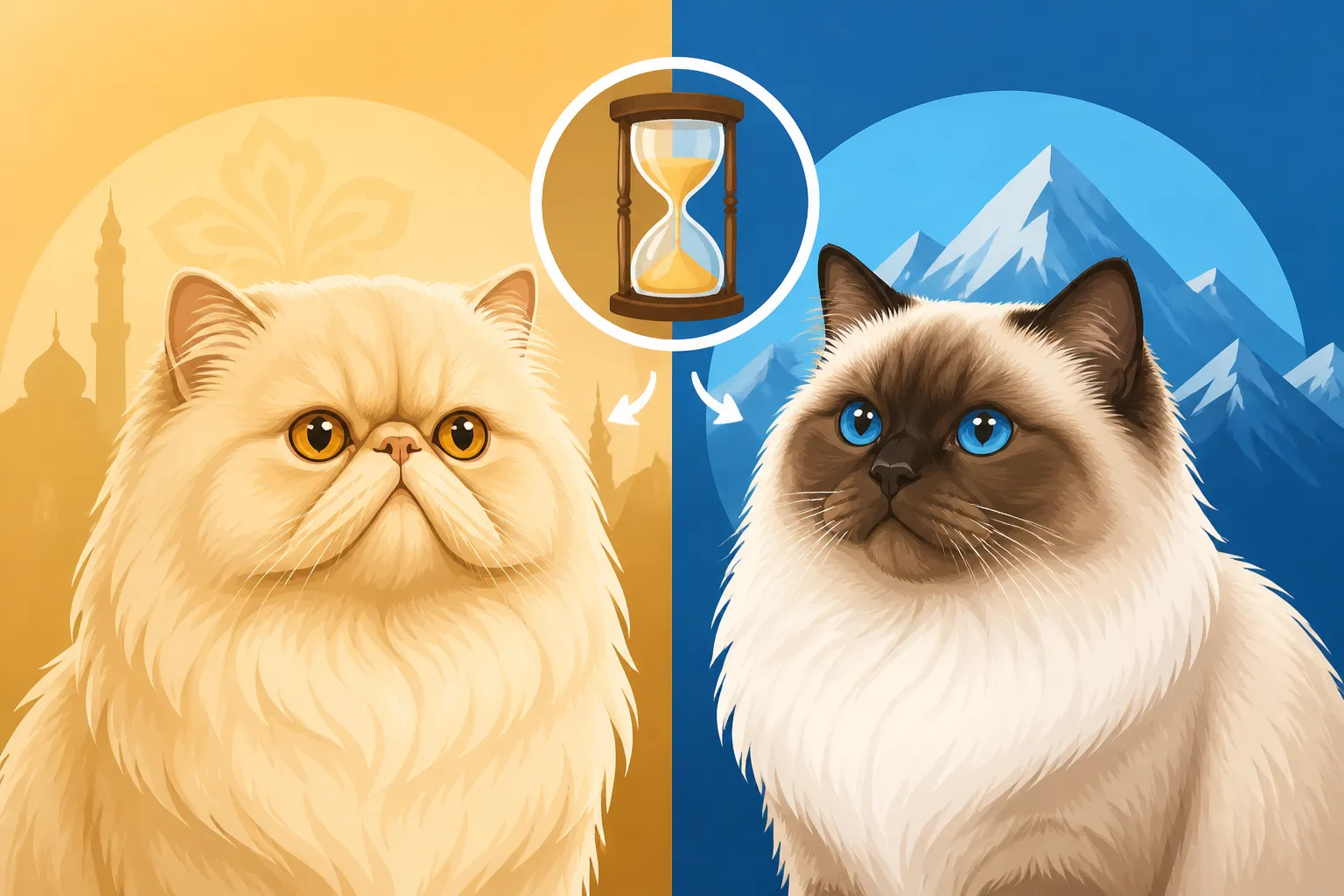
When we talk about whether a Himalayan outlives a Persian, it's crucial to understand their very intertwined genetic history. The Himalayan is, in essence, a colorpoint Persian, developed by crossing Persians with Siamese cats to introduce the striking point coloration and blue eyes. This means they share a significant portion of their genetic blueprint with the Persian breed.
Understanding the Parentage
The Himalayan cat, though often considered its own breed (and recognized as such by some registries like TICA), is classified by others, like the CFA, as a division of the Persian breed. This isn't just a matter of paperwork; it reflects a deep genetic connection. They carry the same luxurious long coat, the cobby body type, and, significantly, the unique facial structure that makes Persians so distinctive. The Siamese influence mainly gifted them the stunning blue eyes and colorpoint pattern, along with a slightly more vocal and active personality. Because of this strong Persian lineage, many of the health considerations and, consequently, the lifespan expectations, are remarkably similar.
Average Lifespans for Both Breeds
Generally, both Himalayans and Persians are known to be relatively long-lived cats, especially when kept exclusively indoors. The average lifespan for both breeds typically falls within the range of 9 to 15 years. It’s not uncommon to hear of well-cared-for individuals reaching 17 or even 20 years, though these are certainly the exception rather than the rule. When considering The Nine to Fifteen Years a Himalayan Usually Gets, it becomes clear that their Persian heritage plays a significant role in this longevity. The common expectation that a mixed-breed animal might automatically be healthier or live longer due to "hybrid vigor" doesn't quite apply here in the way it might for some other crosses, because the Himalayan was specifically bred using two established pedigree lines, not just random mixing.
The "Hybrid Vigor" Myth in Himalayans
The concept of "hybrid vigor," or heterosis, suggests that the offspring of two genetically dissimilar parents might exhibit improved health, growth, and fertility compared to either parent line. While this can be true in some animal crosses, particularly those involving widely divergent genetic pools, it's a bit more nuanced with Himalayans. The initial cross between the Siamese and Persian did introduce new genetic diversity, especially regarding the colorpoint gene. However, subsequent breeding efforts often involved back-crossing to Persians to solidify the desired physical type – the flat face, cobby body, and luxuriant coat. This process meant that many of the genetic predispositions of the Persian, both good and bad, were re-introduced and maintained in the Himalayan lines. Therefore, while the Siamese input brought its own set of traits, it didn't fundamentally alter the core genetic vulnerabilities inherited from the dominant Persian side to grant a universally longer life. In essence, How Long a Himalayan Lives Against Its Persian Half is often quite comparable, due to this extensive shared genetic load.
Unpacking Shared Health Concerns
The most significant factor influencing whether a Himalayan truly outlives a Persian comes down to the health issues they share. Both breeds, having been selectively bred for distinct physical traits over generations, unfortunately carry predispositions to certain conditions that can impact their quality of life and longevity.
Polycystic Kidney Disease PKD
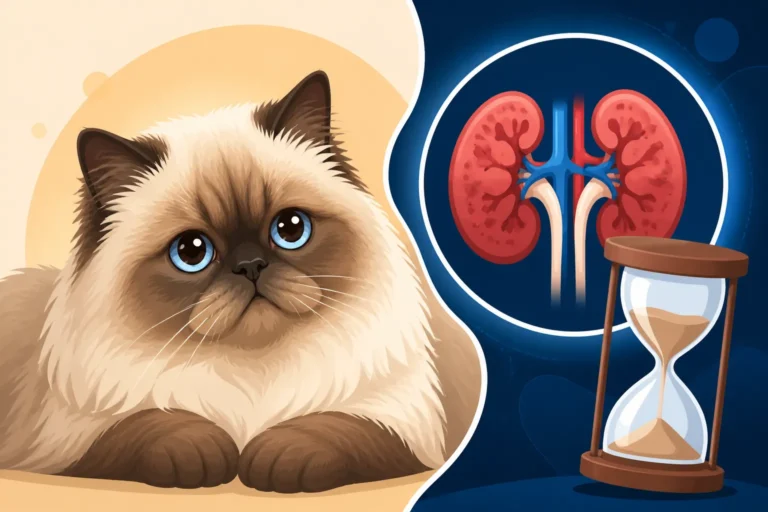
One of the most well-known and historically devastating genetic conditions shared by both Himalayans and Persians is Polycystic Kidney Disease, or PKD. This inherited disorder causes numerous cysts to form in the kidneys, gradually growing over time and eventually leading to kidney failure. It’s a silent thief, often showing no symptoms until the disease is quite advanced. Breeders on both sides of the "Himalayan vs. Persian" debate have made incredible strides in recent decades through genetic testing. We know now that PKD1 Came Down the Persian Side of a Himalayan, and thanks to widespread testing, it's becoming far less common to find carriers in responsible catteries. However, in lines where testing hasn't been diligent, it remains a serious concern for both breeds, significantly shortening lifespan and leading to chronic illness.
Brachycephalic Airway Syndrome BAS
The striking, flattened face is a hallmark of both show-quality Persians and Himalayans, but it comes with a significant trade-off: Brachycephalic Airway Syndrome (BAS). This syndrome is a collection of anatomical abnormalities that can obstruct airflow, including stenotic nares (narrow nostrils), an elongated soft palate, and everted laryngeal saccules. For both a Himalayan and a Persian, these issues can lead to noisy breathing, snoring, difficulty exercising, and increased risk during hot weather or stressful situations. When thinking about How a Vet Grades a Himalayan's Nostrils, it's clear that the degree of flattening directly impacts their ability to breathe freely. A severe case of BAS can profoundly impact a cat's quality of life and even lead to life-threatening respiratory crises, making their daily existence a struggle. It's also Why a Himalayan Snores Louder Than Its Siamese Ancestors because of the anatomical challenges they face.
Ocular and Dental Issues
Beyond their kidneys and airways, both Himalayans and Persians are prone to a range of eye and dental problems directly linked to their unique facial structure. Their large, often prominent eyes, while beautiful, can be susceptible to conditions like entropion (inward-rolling eyelids) or progressive retinal atrophy (PRA). For instance, Retinal Atrophy Reached the Himalayan From the Persian Too, making this a critical genetic screening point for both breeds to prevent blindness. The flattened facial structure also means their teeth are often crowded into a shorter jaw. This crowding can lead to dental disease, tartar buildup, gum inflammation, and even tooth resorption much earlier in life compared to cats with longer muzzles. Understanding How a Shortened Jaw Crowds a Himalayan's Teeth highlights why regular dental care, sometimes including multiple anesthetic dentals throughout their life, is absolutely essential for both Himalayans and Persians. Without proper care, severe dental issues can lead to chronic pain, infection, and impact their overall health, potentially shortening their lifespan.
The Role of Responsible Breeding and Care in Longevity
Ultimately, the lifespan of any individual cat, whether Himalayan or Persian, is less about their "breed name" and more about the genetics they inherit and the care they receive throughout their lives. This is where responsible breeding practices and dedicated owner care truly make a difference.
Genetic Testing and Health Screening
The single most impactful change in extending the lives of these magnificent cats has been the advent and widespread adoption of genetic testing. Reputable breeders of both Himalayans and Persians now routinely screen their breeding cats for known genetic conditions like PKD and PRA. This proactive approach ensures that affected animals are not bred, effectively removing the disease from future generations. When looking for a kitten, always insist on seeing the parents' genetic test results, especially for PKD. You want to see "N/N" or "clear" results for both parents. Understanding Which Two Tests Belong on Every Himalayan Pedigree is paramount for any prospective owner. Responsible breeders also pay close attention to the respiratory function of their breeding cats, selecting for less extreme facial types that promote better breathing, regardless of whether they are producing pure Persians or Himalayans.
Daily Care and Environment
Beyond genetics, the daily care and environment you provide are huge determinants of longevity for both breeds. Himalayans and Persians thrive as indoor-only cats. Keeping them safe from outdoor hazards like traffic, predators, and infectious diseases significantly extends their lives. Their long, dense coats require daily grooming to prevent painful mats and skin issues; neglecting this can lead to serious health problems. Consistent, high-quality nutrition tailored to their specific needs (sometimes requiring special bowl shapes due to their flat faces) is also crucial. Furthermore, their brachycephalic nature makes them highly susceptible to heatstroke. Providing a cool, calm environment is non-negotiable, particularly in warmer climates. Factors like these directly influence Why a Himalayan Only Reaches Fifteen Indoors and What Daily Combing Costs a Himalayan Owner in Time, proving that dedicated care really does pay off.
Veterinary Care and Pet Insurance
Regular veterinary check-ups are non-negotiable for both Himalayans and Persians. Early detection of potential health issues, whether dental problems, subtle signs of kidney disease, or emerging respiratory difficulties, can make all the difference in successful treatment and management. Your vet can monitor their weight, dental health, and overall condition, offering advice on diet and preventative care. Given the potential for genetic conditions and the specialized care their unique features often demand, pet insurance can be a real lifesaver. Companies like Healthy Paws offer comprehensive coverage that can help mitigate the significant costs associated with managing chronic conditions or emergency situations. Having a plan with Healthy Paws can provide peace of mind, knowing you can always make the best medical decisions for your beloved companion without financial strain. It allows you to focus on their well-being, rather than worrying about vet bills, which is particularly important for breeds with potential predispositions.
Navigating the Nuances: Doll Face vs. Peke Face
When discussing the health and lifespan of Himalayans and Persians, it's impossible to ignore the impact of facial structure. The spectrum of brachycephaly, from the more traditional "doll face" to the extremely flattened "peke face," plays a critical role in their overall well-being.
Impact of Facial Structure on Health
The debate between Doll Face or Peke Face Is the Himalayan Buyer's Real Decision isn't just aesthetic; it's a health imperative. While both types of faces can be seen in both Persian and Himalayan lines, the degree of flattening directly correlates with the severity of potential health issues, particularly Brachycephalic Airway Syndrome. A "peke face," characterized by an extremely flat muzzle and prominent eyes, can significantly exacerbate breathing difficulties, increase the risk of eye injuries, and complicate dental health. For example, What a Peke Face Himalayan's Profile Measures often indicates a more extreme form of brachycephaly. These extreme features can mean a lifetime of challenges, potentially leading to a shorter, less comfortable life due to chronic respiratory distress or related complications. Conversely, a "doll face" — a more traditional look with a discernible muzzle — generally experiences fewer severe health problems related to their facial structure, offering them a better chance at a longer, healthier existence.
Breeder's Choices and Health Outcomes
The choices made by breeders have a monumental impact on the health trajectory of kittens, regardless of whether they are labeled as pure Persians or Himalayans. A breeder who prioritizes extreme facial flattening for show ring success, without considering the functional health of the cat, may inadvertently be shortening the potential lifespan of their lines. On the other hand, a conscientious breeder will select for healthy airways, well-aligned jaws, and clear eyes, even if it means moving away from the most extreme "peke face" look. This isn't to say that all show cats are unhealthy, but it highlights the importance of asking a breeder about their health screening practices and their philosophy on facial structure. A transparent breeder will be happy to discuss how they ensure their cats can breathe easily and have healthy teeth, demonstrating a commitment to longevity and quality of life. This diligence, combined with regular vet check-ups and a good pet insurance plan from a provider like Healthy Paws, creates the best possible foundation for a long and vibrant life for your Himalayan or Persian.
Comparative Health Considerations
Here's a table summarizing common health considerations for both Himalayans and Persians, and their potential impact on lifespan:
| Health Concern | Commonality (Himalayan/Persian) | Impact on Lifespan | Mitigating Factors |
|---|---|---|---|
| Polycystic Kidney Disease (PKD) | High (historically), decreasing | Significantly reduces lifespan if untreated/undiagnosed; leads to kidney failure. | Genetic screening of breeding cats (DNA test), responsible breeding to eliminate carriers, early diagnosis and management (diet, fluids). |
| Brachycephalic Airway Syndrome (BAS) | High (especially Peke-faced) | Can severely limit activity, lead to overheating, respiratory crises, early death. | Selective breeding for less extreme facial features, surgery (nares, soft palate), weight management, cool environment. |
| Progressive Retinal Atrophy (PRA) | Moderate | Leads to blindness, but rarely life-threatening directly. | Genetic screening of breeding cats, regular eye exams. |
| Dental Malocclusion/Disease | High | Chronic pain, infection, systemic health issues, can indirectly reduce lifespan. | Regular dental cleanings (professional and at-home), appropriate diet, breeding for better jaw structure. |
| Hypertrophic Cardiomyopathy (HCM) | Low to moderate | Can lead to sudden cardiac death or congestive heart failure. | Echocardiogram screening of breeding cats, monitoring for murmurs, specific treatments if diagnosed. |
| Coat Matting/Skin Issues | High | Can cause pain, skin infections, discomfort. Not directly life-threatening. | Daily grooming, professional grooming, proper nutrition, prompt treatment of skin issues. |
In conclusion, the question of whether a Himalayan outlives a Persian is more complex than a simple yes or no. Due to their shared genetic heritage and the significant influence of the Persian breed in their development, their average lifespans are quite similar. What truly dictates longevity for both breeds is the commitment of breeders to health screening and selecting for functional conformation, combined with the dedicated daily care, veterinary attention, and proactive health management provided by their owners.
Disclaimer
Please remember that this article provides general information and should not be considered a substitute for professional veterinary advice. Always consult with a qualified veterinarian for any health concerns or before making any decisions about your pet's care.