Whether a Doll Face Himalayan Outlives a Peke Face One
It's a common question, and honestly, a very valid concern for anyone looking to welcome a Himalayan cat into their home: does the shape of their adorable face actually impact how long they’ll be with us? The truth is, the distinctive facial structures seen in Himalayans – particularly the more extreme "Peke face" – can indeed play a significant role in their overall health and, by extension, their lifespan, bringing a unique set of challenges that owners need to be prepared for. This guide will delve into the nuances of Doll Face versus Peke Face Himalayans and explore how their anatomy can influence their long-term well-being.
The Spectrum of Himalayan Faces: Doll Face Versus Peke Face
When you're looking at Himalayans, whether at a cat show or browsing breeder websites, you'll quickly notice a range of facial types. While all Himalayans share that gorgeous long coat and striking point coloration, their profiles can differ quite dramatically. These differences aren't just cosmetic; they're tied directly to the underlying bone structure, and that's where the health implications begin to surface. Understanding these two main types, the "Doll Face" and the "Peke Face," is the first step in appreciating how deeply anatomy can affect a cat's life.
Defining the Doll Face Profile
The "Doll Face" Himalayan, sometimes referred to as the traditional or classic look, represents a less extreme form of brachycephaly, which is the term for a shortened head. These cats have a nose that protrudes slightly, similar to what you might see in many domestic shorthair cats, just with that signature Persian-esque roundness to their head. Their eyes are still large and expressive, but they don't appear as prominent or as prone to excessive tearing as their flatter-faced counterparts.
This profile generally allows for more open nostrils and a less compressed airway. Think of it like a human nose; a straighter, more open nasal passage allows for easier breathing. For a Himalayan, this means less struggle with inhalation, less snoring, and often a better ability to regulate their body temperature, especially in warmer conditions. Many owners find this balance of exotic beauty with more robust health to be very appealing, and historically, this was closer to the original intent of the breed standard before the trend for extreme flatness gained traction. You might even find that a Doll Face Himalayan is priced apart from its Peke Face relatives due to this perceived advantage in health and ease of care.
Understanding the Peke Face Profile
On the other end of the spectrum is the "Peke Face" Himalayan, a term that comes from the Pekingese dog, known for its extremely flat face. These Himalayans have a significantly flattened muzzle, where the nose appears to be almost flush with their eyes. In some cases, you might even see a distinct "nose break" – a deep indentation between their eyes. This look is often what people envision when they think of a "show quality" Persian or Himalayan, as it became a highly sought-after aesthetic in the show ring for many years.
While undeniably striking, this extreme flattening comes with a host of anatomical challenges. The bones of the face are severely shortened and compressed, impacting everything from their breathing to their eye structure and dental alignment. This is where many of the frustrations Himalayan owners face truly begin, as the everyday realities of a Peke Face cat can involve constant management of their breathing, eyes, and oral health. When a Himalayan's open mouth breathing needs a vet, it's often a sign that their Peke Face anatomy is causing serious respiratory distress, indicating how severely this extreme conformation can affect their natural functions.
The Unseen Difference: Internal Anatomy
It's easy to look at a Doll Face and a Peke Face Himalayan and only notice the external differences, but the real story lies beneath the fur and skin. The external facial structure is a direct reflection of the underlying skull and soft tissue anatomy. For a Peke Face Himalayan, the extreme shortening of the facial bones means that the soft tissues – the palate, the tongue, the nasal turbinates – are still present but are now crammed into a much smaller space.
This internal compression is what leads to what veterinarians call Brachycephalic Obstructive Airway Syndrome (BOAS). The soft palate can be elongated, partially blocking the airway at the back of the throat. The nostrils are often stenotic, meaning they are very narrow, making it hard to draw enough air in. Even the structures inside the nose, the turbinates, can be malformed, further restricting airflow. In contrast, a Doll Face Himalayan typically has a more spacious internal structure, allowing air to flow more freely and reducing the risk of these severe respiratory obstructions. This fundamental difference in internal anatomy is a critical factor in how well a Himalayan breathes, how easily it overheats, and ultimately, how comfortably it lives its life.
Health Challenges Directly Linked to Facial Structure
The charming, distinctive face of a Himalayan, particularly the Peke Face type, is truly beautiful to behold, but it comes with an undeniable trade-off in terms of health. The very features that breeders have sometimes strived for can lead to a range of chronic issues that impact a cat's quality of life and potentially shorten its lifespan. It’s not just about aesthetics; it’s about how these physical traits affect vital bodily functions.
Respiratory Woes and Breathing Difficulties
One of the most immediate and impactful consequences of a flattened face is the compromise to the respiratory system. Peke Face Himalayans are particularly susceptible to Brachycephalic Obstructive Airway Syndrome (BOAS). This isn't just a fancy medical term; it describes a collection of anatomical abnormalities that make breathing a constant struggle. Imagine trying to breathe through a pinched straw all day, every day – that's often the reality for these cats. Their nostrils are frequently tiny slits rather than open passages, a condition known as stenotic nares. Inside, their soft palate might be too long, flapping into the airway, or the tissues within their nose might be overgrown. You'll notice they often snore louder than their Siamese ancestors, even when wide awake and relaxed, simply because of this inherent obstruction.
These respiratory challenges mean Peke Face Himalayans can’t cool themselves as efficiently as cats with longer muzzles. They rely on panting to release heat, but if their airway is restricted, this mechanism becomes far less effective. This makes them incredibly prone to overheating, especially in warm weather or during even mild exertion. A short play session that leaves a Doll Face Himalayan simply winded might put a Peke Face cat at serious risk of heatstroke. This constant strain on their respiratory system contributes to long-term stress on their heart and lungs, potentially impacting their overall longevity and requiring attentive care.
Ocular Concerns and Eye Health
The Peke Face profile also dramatically affects eye health. Because the facial bones are so compressed, the eye sockets are shallower, causing the eyes to appear much larger and more prominent, often bulging slightly. This makes them vulnerable to injury and exposure. Their large, round blue eyes, a hallmark of the breed, can be affected by eyelid abnormalities like entropion, where the eyelids roll inward, causing eyelashes to constantly rub against the cornea. This is incredibly painful and can lead to corneal ulcers, infections, and even blindness if left untreated.
Beyond structural issues, the tear ducts in Peke Face Himalayans are often twisted or blocked due to the altered facial anatomy, leading to chronic epiphora – excessive tearing. This isn't just a cosmetic issue; the constant moisture creates a breeding ground for yeast and bacteria in the skin folds around the eyes and nose, leading to tear staining and painful skin infections. Owners frequently find themselves wiping a Himalayan's face every day to manage the moisture and prevent these secondary problems. While Doll Face Himalayans can still experience some tearing, it is typically less severe and less prone to leading to serious secondary infections or discomfort.
Dental Disasters and Oral Hygiene
Another often-overlooked consequence of the shortened jaw in Peke Face Himalayans is the impact on their dental health. Cats have a specific number and arrangement of teeth, and while their jaw has dramatically shortened, the number of teeth has not. This means all those teeth are crammed into a much smaller space, leading to severe overcrowding. You might notice that a Himalayan's lower canines often show even when their mouth is closed, simply because there isn't enough room for them to sit properly within the jawline.
This overcrowding creates ideal pockets for food particles and bacteria to accumulate, making them highly susceptible to periodontal disease, tooth resorption, and early tooth loss. Their malocclusion, or misaligned bite, can also make it difficult for them to eat certain types of food or even groom themselves effectively. A flat faced Himalayan eats after extractions, often requiring soft food and careful monitoring because their remaining teeth are still at risk. Regular dental care, often involving anesthetic dental cleanings and extractions from a young age, becomes a necessity, adding to the financial and health burden for owners. In contrast, Doll Face Himalayans generally have more appropriately spaced teeth, which, while still needing regular care, are less prone to the severe and chronic issues seen in their flatter-faced cousins.
| Feature | Doll Face Himalayan | Peke Face Himalayan |
|---|---|---|
| Nose Profile | Slightly prominent, visible nose. | Extremely flattened, almost flush with eyes. |
| Breathing | Generally unhindered, less snoring. | Restricted airway, heavy breathing, frequent snoring. |
| Heat Tolerance | Better ability to cool themselves, less prone to overheating. | Highly prone to overheating, panting often ineffective. |
| Eye Prominence | Less prominent, lower risk of exposure. | Prominent, bulging eyes, higher risk of injury/exposure. |
| Tearing | Less severe tear staining, clearer tear ducts. | Chronic, excessive tearing; blocked tear ducts common. |
| Dental Crowding | Less severe, more adequate spacing of teeth. | Severe, leading to malocclusion and early dental disease. |
| Brachycephalic Syndrome | Lower risk of severe BOAS. | High risk of severe Brachycephalic Obstructive Airway Syndrome (BOAS). |
| Estimated Lifespan Impact | Generally longer, fewer chronic health challenges. | Potentially shorter, or requires intensive, ongoing vet care. |
Managing and Mitigating Health Risks for Longevity
It’s easy to feel overwhelmed by the potential health challenges of a Himalayan, especially if you adore the Peke Face look. But here’s the good news: many of these risks can be managed and even mitigated with dedicated care, turning potential issues into manageable aspects of their lives. It's all about proactive measures, consistent routines, and a strong partnership with your veterinarian. This commitment is key to ensuring that your beloved feline companion lives as long and healthy a life as possible, regardless of their facial type.
Proactive Veterinary Care and Early Intervention
Regular veterinary check-ups are non-negotiable for any cat, but for Himalayans, especially Peke Face individuals, they are absolutely crucial. These aren't just routine visits; they are opportunities for early detection and intervention for potential issues. Your vet will pay close attention to their breathing, listen for any murmurs that might suggest a heart condition exacerbated by respiratory strain, and carefully examine their eyes and mouth. For kittens, a thorough check of how to judge a Himalayan kitten's nostrils at twelve weeks can give you an early indication of potential breathing issues.
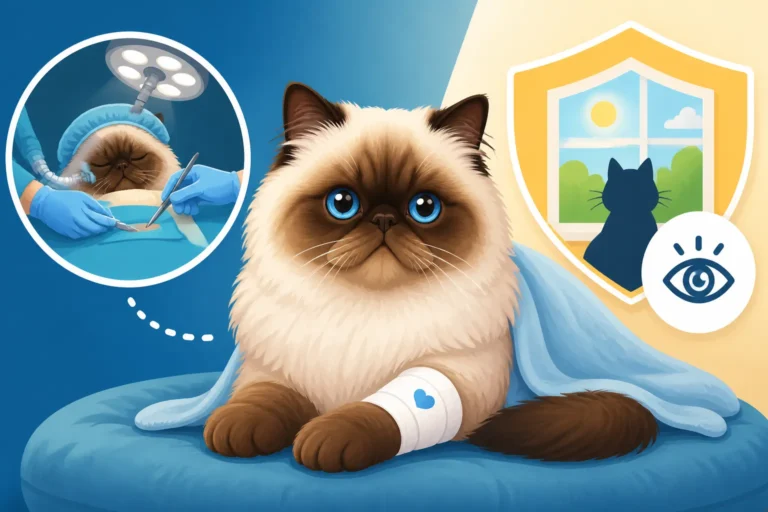
Don’t hesitate to discuss surgical options like stenotic nares correction or soft palate resection if your vet suggests it. These procedures, when performed early, can significantly improve a cat's ability to breathe, reduce strain on their heart, and dramatically enhance their quality of life. Think of it as opening up those pinched straws to allow for easier airflow. Investing in pet insurance, like a comprehensive plan from Healthy Paws, can be incredibly beneficial here, as these surgical interventions and ongoing specialist care can be quite costly. Regular monitoring for conditions like PKD1 came down the Persian side of a Himalayan and retinal atrophy reached the Himalayan from the Persian too are also vital, as these are hereditary issues not directly tied to facial structure but common in the breed.
Daily Grooming and Environmental Adjustments
Beyond vet visits, daily home care plays a massive role in maintaining a Himalayan's health, particularly for their eyes and coat. The morning face routine every Himalayan needs involves gently wiping their eyes and cleaning any folds around their nose to prevent moisture buildup and infection. This simple act can prevent painful fold dermatitis that starts beside a Himalayan's nose. For their magnificent long coat, daily combing is essential to prevent mats, which can lead to skin irritation and infections. You can learn how long a Himalayan's daily comb takes to keep their fur healthy and beautiful.
Environmental control is equally important. Himalayans, especially the Peke Face variety, overheat twice as fast as a Siamese. Keeping your home cool, especially during summer months, is vital. This might mean keeping the air conditioning on, providing cooling mats, or ensuring they always have access to cool, tiled floors. Avoid any strenuous play that could lead to excessive panting, and never, ever allow a flat faced Himalayan to fly in the hold of an airplane due to the risks of respiratory distress in unpressurized cargo areas. These simple adjustments can make a profound difference in their comfort and well-being.
Nutritional Support and Weight Management
Diet and weight are also critical components of a Himalayan’s overall health and longevity. Because Himalayans are not typically highly active cats – they often prefer to stay on the floor and the sofa – they can be prone to weight gain. An overweight Himalayan's cobby frame has an even harder time breathing and can struggle to groom itself, leading to more mats and skin issues. It’s important to understand how few calories a Himalayan burns sitting in one chair and feed them accordingly.
Choose a high-quality diet appropriate for their age and activity level, and consider the shape of their bowls. Because of their flattened faces, many Himalayans struggle to eat out of deep bowls, often pushing food out or eating with their paws. A wide, shallow bowl or a raised dish can make meal times much easier and cleaner, ensuring they get adequate nutrition without unnecessary stress. Regularly monitoring their weight with your vet and adjusting their diet as needed is crucial for preventing obesity-related health problems, allowing them to remain spry and comfortable for as many years as possible.
Disclaimer
This article is for general informational purposes only and does not constitute professional advice. Laws, prices and regulations vary by location and change over time. Consult a qualified professional for guidance on your specific situation.