Which Pain Relief a Himalayan With Cysts Can Take
Finding effective pain relief for your beloved Himalayan cat when they're grappling with the discomfort of Polycystic Kidney Disease (PKD) can feel like navigating a minefield. As cat parents, we instinctively want to alleviate their suffering, but with compromised kidneys, many standard pain medications can actually do more harm than good, leaving you feeling helpless and worried. This guide is here to unravel the complexities of pain management for Himalayans with kidney cysts, helping you understand safe options and how to work with your veterinarian to ensure your furry friend's comfort and well-being.
The Delicate Balance of Pain Management with Polycystic Kidney Disease
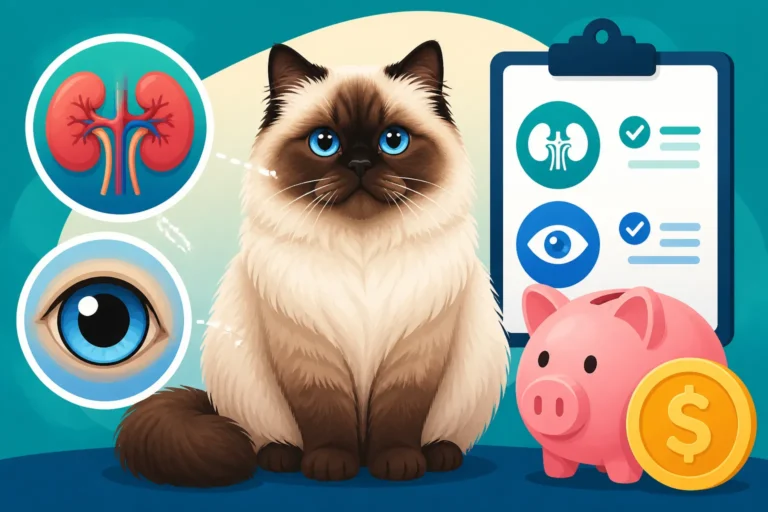
Polycystic Kidney Disease, or PKD, is a genetic condition that often plagues Himalayan cats, inherited from their Persian lineage. It's characterized by the development of numerous fluid-filled cysts within the kidneys, which gradually enlarge over time, displacing healthy kidney tissue and eventually leading to kidney failure. Watching your cat deal with the associated discomfort, whether it's dull, chronic pain from enlarged kidneys, or more acute pain from other co-occurring conditions, is heartbreaking. The challenge then becomes how to provide relief without further burdening their already struggling renal system.
Understanding PKD and its Impact on Medication Metabolism
For a Himalayan with PKD, the kidneys aren't just organs for waste filtration; they're also crucial for processing and eliminating many medications from the body. When kidney function declines due to the expanding cysts, this detoxification process becomes severely impaired. Toxins can build up, but so can medications, leading to a higher concentration in the bloodstream and an increased risk of severe side effects. This is the core dilemma: a medication that might be perfectly safe for a cat with healthy kidneys can become toxic or even fatal for a cat whose kidneys are failing. Owners often express immense frustration, feeling caught between wanting to relieve obvious pain and the terrifying prospect of inadvertently causing more damage. It's a truly awful tightrope walk.
Imagine your cat's kidneys as a finely tuned filtration system for a swimming pool. When that system is clean and efficient, it handles everything perfectly. Now, imagine that filtration system is half-clogged with debris (the cysts). It can barely keep up with the normal waste, let alone trying to filter out a strong chemical (medication) that you've introduced to help with another issue. The chemical just builds up, making everything worse. This analogy helps explain why dosages and types of pain relief must be so carefully considered for a Himalayan with PKD. The condition is something many owners learn to live with, adapting their care routines and often turning to resources like "Living With a Himalayan That Inherited the Persian Kidney Gene" to better understand the day-to-day realities.
Why Conventional Painkillers Aren't Always an Option
When we think of pain relief, our minds often jump to common anti-inflammatory drugs. However, for a cat with PKD, many of these are simply off the table. Non-Steroidal Anti-Inflammatory Drugs, or NSAIDs, like meloxicam, are a prime example. While incredibly effective for pain and inflammation in healthy animals, NSAIDs work by affecting blood flow to the kidneys. In an animal with already compromised kidney function, reducing this blood flow further can precipitate acute kidney failure or worsen existing chronic kidney disease very rapidly. It's a risk most veterinarians simply won't take unless absolutely no other options exist and the cat's quality of life is severely impacted, and even then, with extreme caution and monitoring.
Beyond NSAIDs, many over-the-counter pain medications meant for humans are outright toxic to cats, regardless of kidney health. Acetaminophen (Tylenol) is a classic example that can cause severe liver damage and red blood cell destruction in felines. Aspirin, another human staple, can lead to gastrointestinal bleeding and kidney damage in cats. It's absolutely crucial to never administer any human pain medication to your Himalayan without explicit veterinary guidance. The frustration is understandable when you just want to reach for something to help, but resisting that urge is vital for your cat's safety. Understanding this is key to providing comprehensive care, which also includes knowing "What a Himalayan's Yearly Bloods Should Cover After Eight" to track kidney health.
Safe Pain Relief Options for Himalayans with Cysts
So, what can you give your precious Himalayan when they're hurting and their kidneys are already struggling? The good news is that veterinary medicine has advanced, offering several safer alternatives specifically designed for or adapted to cats with kidney issues. The key, always, is working hand-in-hand with your veterinarian who can assess your cat's specific condition, the stage of their PKD, and any other health concerns.
Vet-Approved Medications and Their Considerations
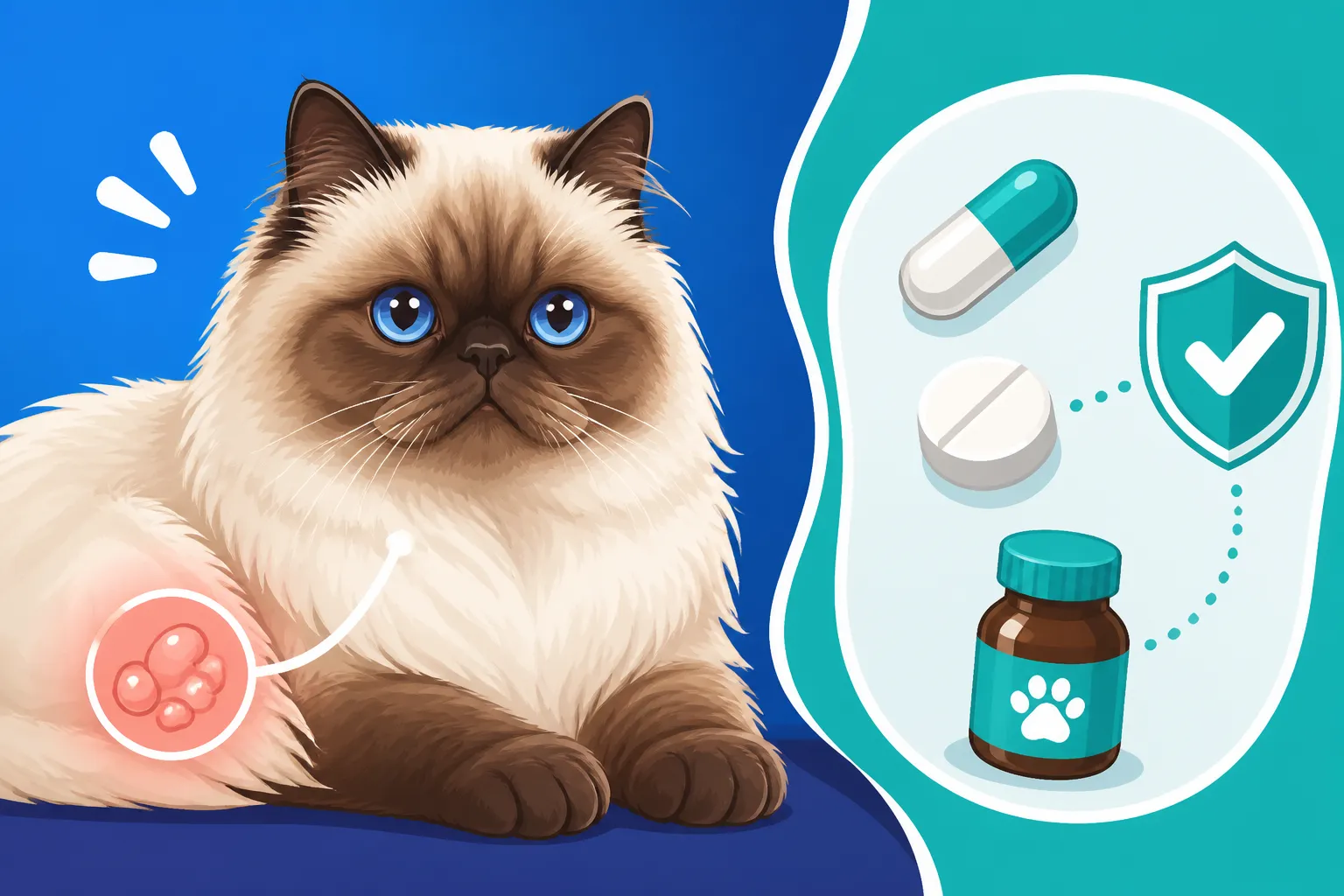
When it comes to pain relief for a Himalayan with PKD, your vet will likely consider a few specific medications that are metabolized differently or have a lower impact on kidney function.
-
Gabapentin: This is often a go-to choice for chronic pain, neuropathic pain (nerve pain), and even as a mild sedative for anxious cats. Gabapentin works by calming overactive nerve signals, rather than directly affecting inflammation or blood flow like NSAIDs. It's primarily excreted by the kidneys, but studies have shown it to be relatively safe for cats with kidney disease, often requiring a dose adjustment by the vet. Side effects usually include mild sedation or incoordination, which can be managed by adjusting the dosage. Many owners find it helps their cats relax and move more comfortably without the severe risks associated with other drugs. The challenge for owners, however, is often assessing subtle pain in a cat, as Himalayans, true to their feline nature, are masters at hiding discomfort. This is why having regular conversations with your vet about your cat's behavior is so important.
-
Buprenorphine: For more acute or severe pain, such as after a surgical procedure or during a particularly painful flare-up, buprenorphine is often prescribed. It's an opioid pain reliever that is very effective and generally considered safe for cats, with primary metabolism in the liver rather than heavily relying on the kidneys for excretion. It's often given as a liquid that can be absorbed through the mucous membranes of the mouth, making administration easier for many owners. While powerful, it typically has fewer systemic effects on the kidneys compared to NSAIDs, making it a valuable tool for short-term, intense pain relief.
-
Amantadine: This medication is sometimes used as an "add-on" therapy, particularly for chronic, neuropathic pain, working synergistically with other pain relievers like gabapentin. It helps to block certain pain receptors in the brain, offering another layer of relief without placing a direct burden on the kidneys. Like all medications, it requires careful dosing and veterinary supervision.
The overarching theme here is strict veterinary guidance. Never try to dose these medications yourself or use left-over prescriptions. Your vet will determine the correct medication, dosage, and frequency based on your Himalayan's individual needs and kidney function, often monitored through regular blood tests. For cats battling conditions like PKD, many owners find peace of mind with pet insurance plans, such as those offered by Healthy Paws, which can significantly ease the financial burden of ongoing veterinary consultations, specialized medications, and monitoring.
Dietary and Supplemental Approaches
While medications are crucial for direct pain relief, other approaches can support your Himalayan's overall comfort and kidney health. These aren't pain relievers in themselves, but they contribute to a better quality of life.
-
Kidney-Friendly Diets: If your Himalayan has been diagnosed with PKD, your vet has likely already recommended a prescription renal diet. These diets are carefully formulated with controlled protein, phosphorus, and sodium levels to reduce the workload on the kidneys and slow the progression of kidney disease. While not directly addressing pain, a healthier kidney function means a healthier cat, which can translate to better energy levels and less overall discomfort. It's important to understand "Which Renal Diet a Cyst Positive Himalayan Ends Up On" and stick to it rigorously.
-
Omega-3 Fatty Acids: Supplements containing omega-3 fatty acids, particularly EPA and DHA derived from fish oil, have anti-inflammatory properties that can be beneficial for overall health and may help reduce inflammation associated with various conditions. For cats with kidney disease, omega-3s can also help support kidney function. However, it's vital to discuss any supplements with your vet first to ensure they are appropriate, correctly dosed, and won't interfere with other treatments or existing conditions. Not all supplements are created equal, and some can contain ingredients that are harmful to cats.
-
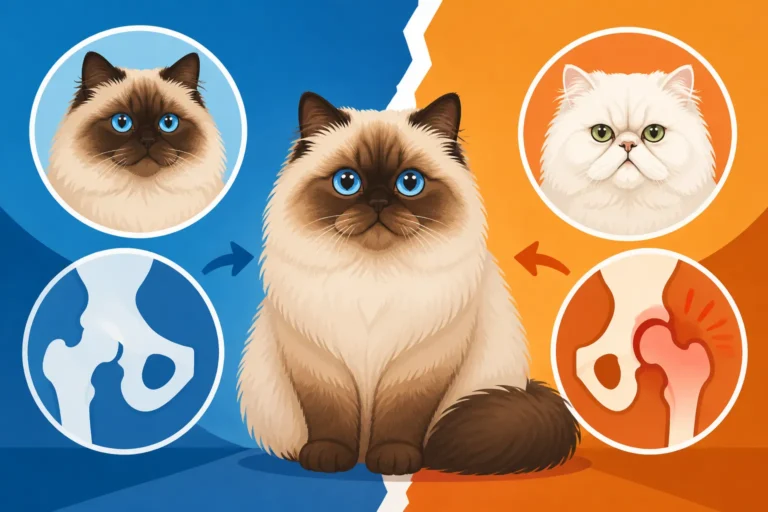
Glucosamine/Chondroitin: If your Himalayan is also suffering from arthritis or joint pain (which can unfortunately coexist with PKD, especially in older cats), your vet might suggest joint supplements. These supplements support cartilage health and can reduce inflammation in the joints, indirectly improving mobility and comfort. Again, this must be done under veterinary guidance, as some formulations might have ingredients or excipients unsuitable for kidney patients. The physical structure of a Himalayan, often described as "cobby" with short, sturdy legs, can sometimes predispose them to joint issues, making this a relevant consideration.
Creating a Comfortable Environment for Your Himalayan with PKD
Beyond medication and diet, making your home a sanctuary of comfort and accessibility for your Himalayan can significantly impact their well-being, especially as PKD progresses. Simple adjustments can make a world of difference for a cat who might be feeling a bit sore or less energetic.
Modifying the Home for Ease and Accessibility
Imagine trying to navigate your home with persistent discomfort. That's what it might be like for a Himalayan with PKD. Their beautiful, long coats and often a more docile nature can sometimes mask how much effort simple movements require.
- Accessibility is Key: Provide low-sided litter boxes so they don't have to climb over high edges, which can be painful for an aching back or stiff joints. Place food and water bowls in easily accessible, quiet locations. Consider elevated food bowls that allow them to eat without stooping down too much, which can be more comfortable for their flat faces and potentially sore necks. For a breed known for its particular eating habits, like a Himalayan, "Which Bowl Shape a Flat Faced Himalayan Can Use" is a crucial consideration.
- Comfortable Resting Spots: Ensure they have plenty of soft, supportive beds in their favorite resting spots. As their activity levels might decrease, they'll spend more time sleeping. A warm, draft-free spot is often preferred, but remember Himalayans can overheat easily due to their dense coats and brachycephalic (flat) faces. Provide options for cooler spots as well, such as a tile floor or a cooling mat, especially during warmer months. You might notice your Himalayan seeking out the coolest spots on the floor during summer, a clear sign they're trying to regulate their temperature.
- Ramps and Steps: If your Himalayan loves to join you on the sofa or bed, consider providing pet ramps or steps. This eliminates the need for jumping, which can put strain on their kidneys, spine, and joints. Even a small jump can be a significant effort when your body is not feeling its best.
- Stress Reduction: Cats are creatures of routine, and illness can amplify their sensitivity to change. Maintain a consistent daily schedule for feeding, playtime, and quiet time. A calm, predictable environment helps reduce stress, which can positively impact overall health and comfort.
These seemingly small changes collectively contribute to a much higher quality of life, allowing your Himalayan to conserve energy and move without unnecessary strain.
The Role of Regular Monitoring and Open Communication with Your Vet
Living with a Himalayan who has PKD means embracing a proactive approach to their health. Regular veterinary check-ups and open, honest communication with your vet are paramount. You are your cat's best advocate, and your observations at home are invaluable.
- Consistent Monitoring: This involves regular blood work (to track kidney values like BUN, creatinine, and phosphorus) and possibly urine tests. These tests help your vet assess the progression of the disease and adjust treatments, including pain relief, as needed. Your vet might recommend more frequent checks, especially as your cat ages or if there are changes in their condition. Understanding "How Early Cysts Show on a Himalayan's Kidney Scan" can also help in early detection and management.
- Observation is Key: Pay close attention to subtle changes in your Himalayan's behavior. Are they eating less? Drinking more (why "Why Extra Thirst in a Himalayan Points at Its Persian Half" is so important to note)? Hiding more? Reluctant to jump or play? Are they sleeping in unusual positions or places? Any of these can be signs of discomfort or worsening kidney function. Even small shifts can be significant when dealing with a chronic illness. Himalayans, with their generally placid demeanor, might hide their pain until it's quite advanced.
- Open Dialogue: Don't hesitate to ask your vet questions, voice concerns, or report any observations you have. Keep a journal of your cat's symptoms, medications, and any changes you notice. This detailed information helps your vet make the most informed decisions about their care. A good relationship with your veterinary team is your greatest asset in managing a chronic condition like PKD. The financial implications of this ongoing care can be substantial, and this is where a reliable pet insurance provider like Healthy Paws can truly make a difference, allowing you to focus on your cat's health rather than worrying about the bill.
| Pain Relief Type | Mechanism of Action | Suitability for PKD Cats (General) | Common Side Effects (Cats) | Key Considerations |
|---|---|---|---|---|
| NSAIDs | Reduces inflammation and pain | Generally NOT recommended (high risk of kidney damage) | Vomiting, diarrhea, kidney failure | Use only if absolutely no other option and with extreme veterinary monitoring; can be fatal. |
| Gabapentin | Calms overactive nerve signals | Often recommended (safer for kidneys) | Sedation, incoordination | Dosing adjustment may be needed for kidney cats; useful for chronic and neuropathic pain. |
| Buprenorphine | Opioid pain reliever | Often recommended (liver metabolized) | Sedation, constipation | Good for acute/severe pain; administered orally (mucous membranes); less kidney impact. |
| Amantadine | Blocks pain receptors | Sometimes recommended (adjunctive therapy) | Agitation, GI upset | Used with other pain relievers for chronic neuropathic pain; requires vet supervision. |
| Omega-3 Fatty Acids | Anti-inflammatory, kidney support | Beneficial (with vet approval) | GI upset (high doses) | Not a direct pain reliever but supports overall health and may reduce inflammation; always consult vet for dosage. |
| Glucosamine/Chondroitin | Supports joint health, reduces inflammation | Beneficial for joint pain (with vet approval) | GI upset | Not for PKD pain directly, but good for co-occurring arthritis; vet approval needed for formulation. |
Caring for a Himalayan with PKD requires dedication, vigilance, and a close partnership with your veterinary team. While finding the right pain relief can be challenging, understanding the safe options and making simple environmental adjustments can significantly improve your beloved cat's quality of life. Remember, every day you spend making them comfortable is a gift.
Disclaimer
This article is for general informational purposes only and does not constitute professional advice. Laws, prices and regulations vary by location and change over time. Consult a qualified professional for guidance on your specific situation.