Which Bowl Shape a Flat Faced Himalayan Can Use
If you're a proud parent to a magnificent Himalayan cat, you've likely noticed that mealtime isn't always as graceful and straightforward as it is with other felines. Their absolutely adorable, famously flat faces, while part of their unique charm, can actually make the simple act of eating and drinking surprisingly challenging, leading to frustration for both you and your beloved companion. This guide is here to shed light on why standard pet bowls just don't cut it for our brachycephalic beauties and, more importantly, to help you discover the ideal bowl shapes and feeding strategies to make mealtime a comfortable, clean, and enjoyable experience for your flat-faced Himalayan.
The Unique Eating Challenges of a Flat-Faced Himalayan
Let's be honest, those squishy, expressive faces are a big part of why we fell in love with Himalayans in the first place. But beneath that charming exterior lies an anatomical reality that significantly impacts their ability to eat and drink efficiently. It's not just about looking cute; it's about navigating the practicalities of a shortened muzzle and jaw.
Understanding Brachycephalic Anatomy and Its Impact on Eating
The term "brachycephalic" simply means "short-headed," and it perfectly describes breeds like our Himalayans. Unlike cats with longer muzzles, their facial bones are compressed, which has a ripple effect on their entire oral structure. Think about it: a shorter upper jaw means a more compact mouth. Their nostrils might be narrower, making breathing a bit more labored, especially when their face is pressed into a bowl. This structural difference isn't just cosmetic; it changes how they approach and ingest food.
When a Himalayan goes to eat, they often have to use their tongue in a different way, almost scooping food rather than lapping or grabbing it easily with their teeth. Their whiskers, which are incredibly sensitive navigation tools, can get bent back uncomfortably by deep bowl sides. Imagine trying to eat your dinner with your nose pressed against the plate and your cheekbones hitting the sides of the bowl! It's not just awkward; it can be downright uncomfortable, leading to cats who eat slower, make more mess, or even avoid eating certain foods because of the difficulty. This struggle is real, and it’s why understanding their unique anatomy is the first step to making mealtime better.
The Struggle with Standard Pet Bowls
Most pet bowls on the market are designed with the average cat in mind—a cat with a more typically proportioned muzzle. These bowls often feature deep sides, sometimes a narrow opening, and are usually designed to hold a generous amount of food. For a Himalayan, these design choices become instant obstacles.
When your flat-faced friend tries to get to their kibble or wet food in a deep, standard bowl, their nose and sensitive whiskers hit the sides long before their mouth comfortably reaches the bottom. This forces them to contort their neck and head at awkward angles, which can be particularly straining for a cat who already has a somewhat compromised airway. You might see them pushing their food around the bowl, trying to get it to a more accessible spot, or even using a paw to scoop it out – which, while adorable, isn't very efficient or hygienic. Why a Himalayan Pushes Food Out of a Round Bowl delves deeper into this particular habit. The goal should always be to make eating as effortless as possible, reducing any potential discomfort or aspiration risk. A conventional bowl, sadly, often does the opposite for a Himalayan.
Common Frustrations for Himalayan Owners at Mealtime
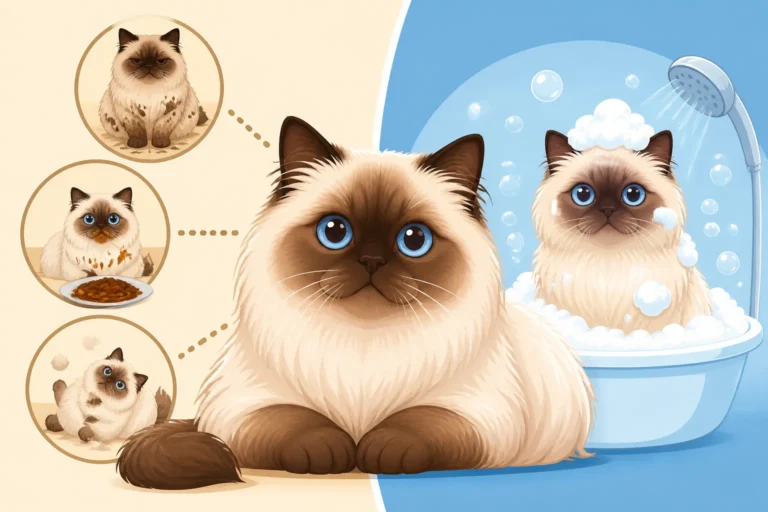
As an owner, you've probably experienced a fair share of these mealtime woes. Beyond the general mess of food being pushed out or knocked over, there's the concern that your cat isn't getting enough nutrition because eating is such a chore. You might notice them dropping bits of food onto their magnificent ruff, which then quickly becomes soiled and sticky. Why a Himalayan Drops Food Onto Its Ruff is a common complaint among Himalayan parents! This isn't just aesthetically unpleasing; it can lead to skin irritation or matting if not cleaned immediately, adding another task to your already busy day.
Then there's the sound – sometimes a lot of grunting or labored breathing while they eat, which can be worrying. You might also find yourself constantly cleaning up around the feeding area, wiping down their face, and trying to figure out if they've actually eaten a sufficient amount. It’s frustrating to see your beloved pet struggle with something as basic as eating, and it often leads to a cycle of trial and error with different bowls, only to find they're all equally unsuitable. It's a common struggle, and it definitely highlights the need for specialized feeding solutions.
Ideal Bowl Shapes for a Flat-Faced Feline
The good news is that recognizing these challenges is the first step to solving them! Once you understand why your Himalayan struggles, choosing the right bowl shape becomes much clearer. We're looking for designs that accommodate their unique facial structure, making every meal a pleasant experience rather than a wrestling match.
The Wide, Shallow Dish: A Game Changer
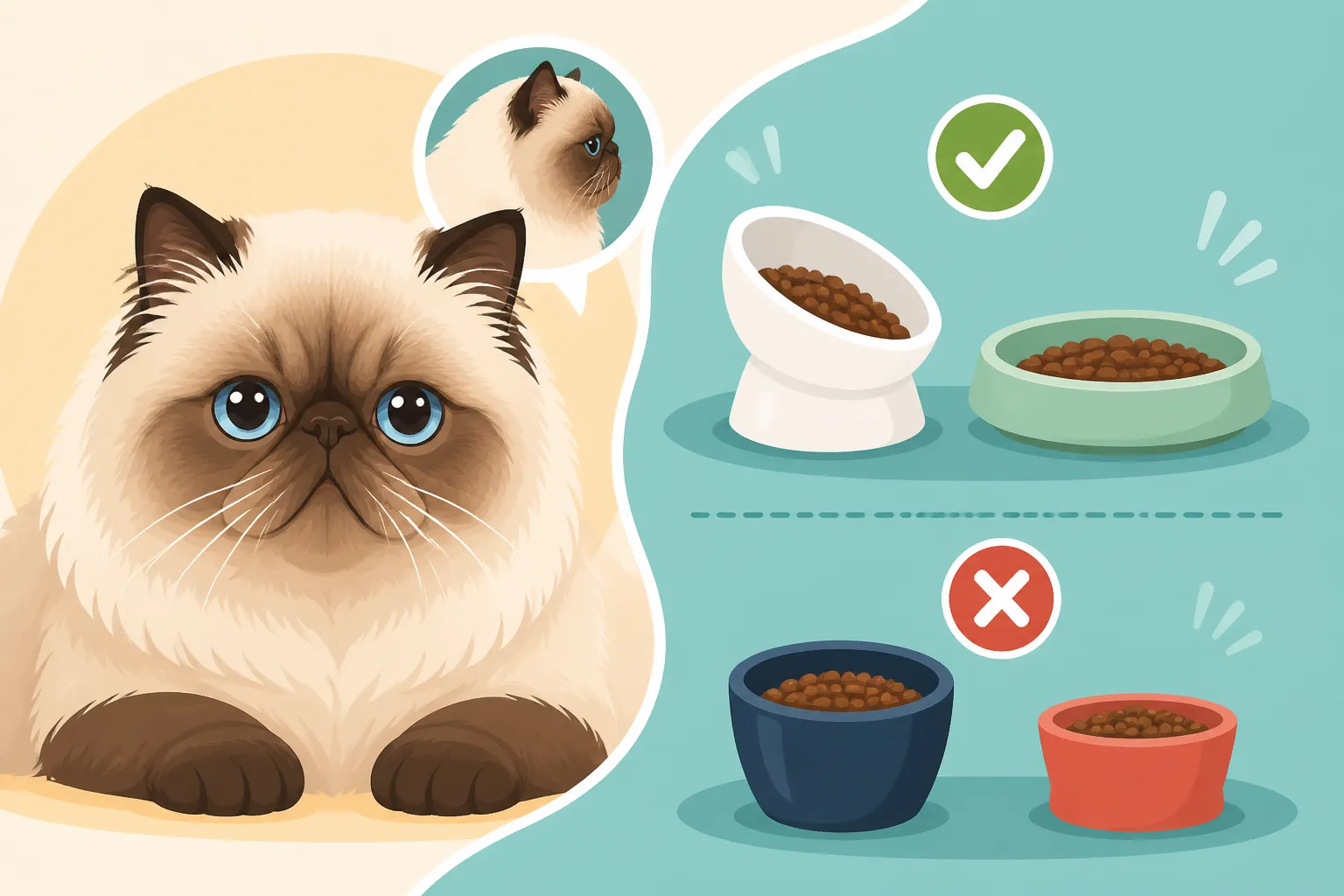
For most flat-faced cats, including our Himalayans, a wide, shallow dish is often the simplest and most effective solution. Think of a dinner plate, but with a slight lip to keep the food contained. The key here is the shallowness. This design allows your cat to access their food without having to bury their face deep into the bowl or bend their sensitive whiskers. Their nose can remain free, minimizing breathing difficulties during a meal.
The wide surface also means the food can be spread out, rather than piled high in a small area. This reduces the need for your cat to "dig" for their meal and prevents their delicate facial folds from becoming unnecessarily soiled. Many owners find that switching to a wide, shallow dish drastically cuts down on post-meal cleanup. You can often find excellent options for these on sites like Amazon or specialty pet stores that stock a wide variety of feeding solutions. It sounds so basic, but the difference it makes is profound for a brachycephalic cat.
Angled or Tilted Bowls: Lifting Food to the Face
Another innovative design that has gained popularity for flat-faced breeds is the angled or tilted bowl. These bowls are designed with one side lower than the other, creating a ramp effect for the food. This clever angle effectively lifts the food closer to your cat's mouth, reducing the amount they have to bend their neck or lower their head. It's like bringing the buffet right to their chin!
Angled bowls are particularly beneficial for wet food, which can sometimes be more challenging for Himalayans to scoop up from a flat surface. The tilt helps gravity do some of the work, pooling the food towards the front where it's most accessible. Some designs even feature a small lip at the bottom of the tilt to prevent food from spilling out. When combined with a wide opening, these bowls can significantly improve comfort, especially for older Himalayans or those with any neck stiffness. Many pet suppliers like Chewy offer a range of these specialized ergonomic bowls, often with non-slip bases to prevent enthusiastic eaters from pushing them around.
Elevated Bowls: Reducing Neck Strain and Mess
While not strictly about shape, the height of a bowl can also play a crucial role for a flat-faced Himalayan. Elevated bowls, whether part of a stand or individual bowls with built-in risers, lift the eating surface off the floor. This seemingly small adjustment can have a big impact on your cat's posture during meals. By bringing the food up to a more natural height, it minimizes the strain on their neck and spine, allowing them to eat in a more comfortable, upright position. How High a Himalayan's Dish Should Sit for a Flat Face emphasizes the importance of this consideration.
Beyond comfort, elevated bowls can also help with digestion by allowing food to travel down the esophagus more smoothly. For a Himalayan, whose breathing can be a bit more constricted, eating with less neck compression might even aid their respiratory comfort. And let's not forget the mess factor! With an elevated bowl, food is less likely to be nudged off the side and onto the floor, leading to a cleaner dining area. This is especially true for cats who tend to push their food rather than neatly eat it. A quick wipe-down of the stand is often all that's needed for cleanup.
| Bowl Type | Best For | Pros | Cons |
|---|---|---|---|
| Wide, Shallow Dish | All food types, minimizing whisker fatigue | Easy access, reduces face-burrowing, minimizes mess, simple design | May still require some neck bending if placed on the floor |
| Angled/Tilted Bowl | Wet food, cats with neck strain | Lifts food closer to mouth, less neck strain, prevents spills | Can be less stable if not on a non-slip base, specific design may not suit all cats |
| Elevated Bowl | Reducing neck strain, cleaner eating | Improves posture, aids digestion, reduces floor mess | Requires an appropriate height, can be bulkier, stand needs cleaning |
Choosing the Right Bowl Material and Features
Once you've narrowed down the ideal shape and height for your Himalayan's bowls, the next crucial step is to consider the material. The right material can impact everything from hygiene and durability to your cat's comfort and even their long-term health. Don't underestimate the power of a good bowl material!
Stainless Steel: Durable, Hygienic, and Safe
When it comes to pet bowls, stainless steel is often considered the gold standard, and for very good reason. It's incredibly durable, meaning it can withstand years of daily use without chipping, cracking, or breaking. This makes it a fantastic long-term investment. More importantly, stainless steel is non-porous. This means it doesn't harbor bacteria, odors, or food particles like some other materials can. This is a huge win for hygiene, especially for our Himalayans who might make a bit more of a mess around their bowls.
Cleaning stainless steel bowls is a breeze—they're almost always dishwasher safe, which is a massive time-saver for busy pet parents. Just toss them in, and they come out sparkling clean and sanitized. Furthermore, stainless steel is inert, meaning it won't leach any chemicals into your cat's food or water, providing a safe eating surface. It's a reliable, no-fuss choice that delivers on both practicality and health benefits. You'll find many wide, shallow, or elevated stainless steel options available, often sold individually or as part of a feeding station from reputable retailers.
Ceramic Bowls: Heavy, Stable, and Aesthetic
Ceramic bowls offer a beautiful and substantial alternative to stainless steel. Their inherent weight is a major advantage, as it makes them much harder for even the most enthusiastic Himalayan to tip over or push around the kitchen floor. This stability can be a real blessing, reducing spills and general mealtime chaos. Visually, ceramic bowls come in a vast array of colors and patterns, allowing you to choose something that complements your home decor. For those who appreciate aesthetics, ceramic can be a lovely choice.
However, there are a few considerations. While ceramic is generally non-porous when glazed correctly, any chips or cracks can expose the porous interior, making it a breeding ground for bacteria. This means you need to regularly inspect ceramic bowls for damage and replace them if you find any. Always ensure that ceramic bowls are food-grade and lead-free, especially if sourcing from less reputable places. Quality ceramic bowls are typically dishwasher safe, but always double-check the manufacturer's instructions. A well-made ceramic bowl, handled with care, can be a fantastic, stable, and attractive feeding option.
The Lowdown on Plastic Bowls and Their Pitfalls
Plastic bowls, while often the most affordable option, come with a significant list of drawbacks for any cat, but especially for a Himalayan. First and foremost, plastic is porous. Over time, scratches and tiny imperfections in the surface can trap bacteria, food particles, and odors, making them incredibly difficult to keep truly clean and hygienic. This can lead to issues like feline acne around your cat's chin, which is an unnecessary discomfort. For a Himalayan, whose face is already prone to moisture and potential skin issues around the folds, bacteria buildup is something we definitely want to avoid. Cleaning the Fold Beside a Himalayan's Flattened Nose highlights the importance of facial hygiene.
Plastic can also absorb odors and flavors from food, potentially making meals less appealing to your sensitive feline. Some plastics contain chemicals that, while deemed safe for human use, may not be ideal for long-term pet food contact. They are lightweight and easily pushed around, which contributes to mess. While a cheap plastic bowl might seem like a good idea initially, the potential health concerns, cleaning difficulties, and lack of stability make it a less-than-ideal choice for your Himalayan's daily dining. It's one area where spending a little more upfront can save you headaches (and vet bills!) down the line.
Non-Slip Bases and Dishwasher Safe Options
Regardless of the material you choose, there are two features that will significantly improve your mealtime experience: a non-slip base and dishwasher compatibility. A non-slip base, often made of rubber or silicone, prevents the bowl from sliding around on the floor as your Himalayan eats. This reduces frustration for your cat, minimizes spills, and keeps the food in one place. Imagine trying to eat your dinner while your plate keeps running away from you – it's not fun! This is particularly important for cats who tend to push their food, or those who are a bit clumsy.
Dishwasher-safe bowls are a true game-changer for busy households. The ability to simply pop the bowls into the dishwasher ensures a thorough cleaning and sanitation with minimal effort. This is far more effective than handwashing alone, especially for bowls that get covered in sticky wet food or drool. Regular, thorough cleaning is paramount for preventing bacterial growth, which is vital for your cat's oral health and overall well-being. When browsing options on Chewy or Amazon, always look for these two features in the product description; they’re small details that make a huge difference in daily convenience and hygiene.
Beyond the Bowl: Optimizing Hydration and Mealtime Experience
Choosing the right bowl is a fantastic start, but a holistic approach to your Himalayan's dining experience goes further. We need to think about how they drink, how to keep their eating area clean, and even the type of food that best suits their unique facial structure.
Water Bowls for Flat-Faced Cats: Keeping Them Hydrated
Just like with food bowls, standard water bowls can present a challenge for flat-faced Himalayans. Deep bowls often mean your cat has to submerge their entire chin and nose to reach the water, leading to a wet, soggy face and potentially getting water up their nostrils. This discomfort can deter them from drinking enough, which is a serious concern for overall health. How Much Water a Himalayan Should Get Through is a key indicator of health, and proper hydration is crucial, especially if they have any underlying kidney concerns.
The ideal water bowl for a Himalayan is also wide and shallow, allowing them to lap comfortably without drenching their face. Ceramic or stainless steel options with non-slip bases are excellent choices. Another popular option is a pet drinking fountain. Many modern fountains feature multiple drinking levels, allowing your cat to choose a comfortable height. The continuous flow of fresh, filtered water can also entice cats to drink more, which is always a good thing. Just ensure the fountain design doesn't force them to deeply submerge their face. Look for wider, flatter drinking surfaces on the fountain itself. Why a Wide Shallow Water Bowl Suits a Himalayan discusses this in more detail. Regardless of the type, keep the water fresh and the bowl sparkling clean every single day.
Managing Mess and Maintaining Hygiene Around Feeding Areas
Let's face it, our beautiful Himalayans, with their long fur and flat faces, aren't always the tidiest eaters. Food and water can easily end up on their ruff, on the floor, and in their facial folds. Managing this mess isn't just about aesthetics; it's crucial for their health. Regular cleanup is key. Place their food and water bowls on an easy-to-clean mat. Silicone mats with raised edges are fantastic for catching spills and preventing food from scattering across the floor. These can be easily wiped down or rinsed.
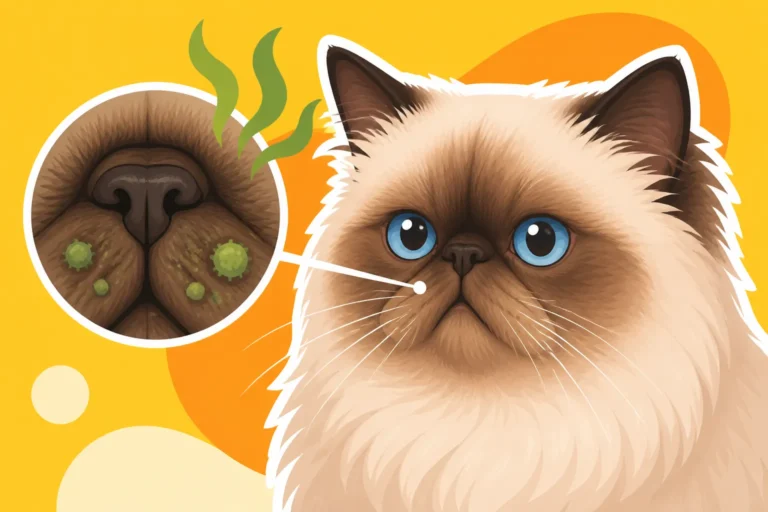
Immediately after each meal, take a moment to gently wipe your Himalayan's face with a damp, soft cloth. Pay particular attention to the folds around their nose and under their eyes, where food particles and moisture can easily get trapped. Neglecting this can lead to skin irritation, infections, or tear staining. Why a Himalayan's Nose Fold Smells if not kept meticulously clean. It sounds like a lot, but incorporating this quick cleanup into your post-meal routine will save you a lot of hassle and keep your cat comfortable and healthy.
Considering Food Type: Wet Food vs. Kibble for Brachycephalic Breeds
The type of food you offer can also influence how easily your Himalayan eats. While many Himalayans can manage kibble, some flat-faced cats find it more challenging to pick up and chew due to their crowded jaws and shortened muzzles. How a Shortened Jaw Crowds a Himalayan's Teeth explains the dental realities. Small, flat kibble pieces are generally easier for them to manage than large, round, or unusually shaped pieces. When purchasing kibble from Chewy or similar providers, pay attention to kibble size and shape.
Wet food, however, often proves to be much easier for Himalayans to consume. Its softer texture means less chewing effort, and it's generally easier to scoop up with their tongue. Many owners find that their flat-faced cats make less mess and eat more efficiently with wet food. If you feed a mixed diet, consider feeding wet food in their specialized bowls and perhaps offering kibble in smaller, more manageable portions. Regardless of the food type, always ensure it's high quality and appropriate for your cat's age and activity level. Why Wet Food Is Easier for a Himalayan to Take is a common observation among owners of these beautiful cats.
Transitioning Your Himalayan to a New Feeding Setup
So, you've chosen the perfect wide, shallow, angled, or elevated bowls, perhaps even a new water fountain. Now comes the delicate art of introducing them to your discerning feline. Cats, as we know, are creatures of habit, and a sudden change to their feeding routine or equipment can sometimes be met with suspicion or outright refusal. Patience is definitely your best friend here!
Gradual Introduction and Positive Reinforcement
The key to a successful transition is gradual introduction. Don't just swap out their old bowls for the new ones overnight and expect instant acceptance. Start by placing the new bowl (empty, at first) near their old feeding station, allowing them to investigate it on their own terms. Let them sniff it, rub against it, and get used to its presence. You might even put a favorite treat or a small amount of their regular food in the new bowl, right next to the old one.
Over several days, slowly move the old bowl further away and increase the amount of food in the new bowl, while decreasing it in the old. If your cat is particularly hesitant, you could even try mixing some of their favorite wet food or a special "topping" like a bit of plain cooked chicken into the new bowl to create a positive association. Always praise them when they approach or eat from the new bowl. The idea is to make the experience as stress-free and rewarding as possible, reinforcing that this new setup is a good thing. Consistency and a calm demeanor from you will go a long way.
Observing Your Cat's Comfort and Preferences
Every Himalayan is an individual, and what works perfectly for one might not be ideal for another. As you introduce new bowls, pay very close attention to your cat's body language and eating habits. Are they eating more comfortably? Is there less mess? Are they approaching the bowls with less hesitation? If you notice any signs of continued struggle, like pushing food excessively, pawing at the bowl, or avoiding it altogether, it might mean the chosen bowl isn't quite right, or they need more time to adjust.
Don't be afraid to experiment a little if needed. Perhaps an angled bowl works better than a purely shallow one, or a different height for the elevated feeder. You might even find that they prefer one type of bowl for wet food and another for kibble. The goal is to find their sweet spot, ensuring they are eating and drinking with ease and comfort. This attentive observation not only helps you fine-tune their feeding setup but also strengthens your bond, as you're actively responding to their unique needs and preferences. Ultimately, their comfort and health are what truly matter.
Disclaimer
This article is for general informational purposes only and does not constitute professional advice. Laws, prices and regulations vary by location and change over time. Consult a qualified professional for guidance on your specific situation.