Why Wet Food Is Easier for a Himalayan to Take
If you're a loving Himalayan cat owner, you've probably witnessed the adorable, yet sometimes frustrating, spectacle of your flat-faced feline friend trying to eat kibble. It's a common struggle: pushing food around the bowl, bits scattering everywhere, and that earnest little face looking bewildered. It’s not just a messy habit; it's often a genuine physical challenge for them. This guide is here to shed light on why wet food isn't just a treat for your Himalayan, but often a far easier and more beneficial way for them to nourish themselves, saving you both a lot of clean-up and stress.
The Unique Challenges of a Himalayan's Face and Mouth
Let's be honest, those squishy, beautiful Himalayan faces are a big part of their charm. But what makes them so undeniably cute also presents some very real, day-to-day hurdles, especially when it comes to mealtime. It’s not just about aesthetics; it’s about practical mechanics.
The Flat Face Predicament
Himalayans are a brachycephalic breed, meaning they have a shortened skull and a distinctly flat face. While this gives them that perpetually sweet, somewhat grumpy expression we adore, it's also the root cause of many eating difficulties. Imagine trying to scoop tiny, hard pellets into your mouth with a very short nose and a broad face – it’s just not designed for it!
Their short muzzles mean their upper jaw and nose are compressed, which often impacts their ability to pick up dry kibble efficiently. They might try to use their tongue or push their whole face into the bowl, often resulting in more food ending up on the floor or smeared across their pristine ruff than actually in their mouth. It’s a frustrating dance for them, and it’s equally frustrating for us to watch our precious pets struggle, knowing they're doing their best. This isn't them being picky; it's a physical limitation. They simply can't get a good grasp on individual pieces of kibble, and the angle of their jaw makes it an awkward proposition to begin with. You might find them trying to eat from the side of their mouth or tilting their head at odd angles, all just to manage a mouthful.
Crowded Jaws and Dental Woes
Beyond the external facial structure, the internal architecture of a Himalayan's mouth also poses significant challenges. The same genetic traits that give them their distinctive flat face also lead to a shortened jaw, which unfortunately means their teeth are often crowded and misaligned. Think about it: they have the same number of teeth as any other cat, but less space for them to comfortably sit.
This crowding can cause a whole host of dental problems, from early plaque buildup to painful gum disease. It makes chewing hard, crunchy kibble incredibly difficult and often uncomfortable. If you’ve ever had a toothache, you know how unpleasant chewing can be, and our Himalayans experience something similar. Many will simply try to swallow kibble whole, which isn't great for digestion, or they’ll avoid eating as much as they should because it hurts. This can lead to nutritional deficiencies over time. It’s vital to understand that this isn’t a sign of a picky eater, but often a genuine discomfort. The crowding can be so severe that their lower canines might even protrude, creating an uncomfortable bite. You can learn more about How Crowded a Himalayan's Lower Jaw Gets, which can really highlight the internal struggles they face with harder foods. This predisposes them to needing dental care much earlier in life; in fact, Why a Himalayan Needs Dentals Earlier Than a Siamese is a common concern vets discuss with owners.
Why Wet Food Is a Game Changer for Himalayans
Considering the inherent difficulties Himalayans face with their unique anatomy, wet food emerges as a clear hero at mealtime. It addresses many of these challenges directly, making eating a far more comfortable and efficient experience for them.
The Soft, Easy-to-Manage Texture
The primary advantage of wet food for a Himalayan lies in its texture. Whether it’s a smooth pâté, a chunky stew, or a finely shredded meat, the soft consistency eliminates the need for extensive chewing. This is huge for a cat with a crowded or misaligned jaw. They can simply lap it up or use their tongue to easily move it into their mouth, bypassing the awkward struggles they have with hard kibble.
This ease of consumption means less effort, less frustration, and ultimately, a more relaxed and enjoyable mealtime. No more scattering kibble across the floor, no more laborious attempts to pick up individual pieces. The smooth texture glides easily, making the entire process stress-free for their delicate facial structure. It also means they're more likely to eat enough to get the nutrients they need without pain or discomfort. This is particularly noticeable in older Himalayans or those with existing dental issues, where chewing anything hard becomes genuinely painful.
Hydration and Kidney Health Benefits
Cats, by nature, don't have a strong thirst drive. In the wild, they get most of their hydration from their prey. Domesticated cats often carry this trait, and when fed a dry kibble diet, they simply don't drink enough water to compensate. This is where wet food truly shines, especially for a breed like the Himalayan.
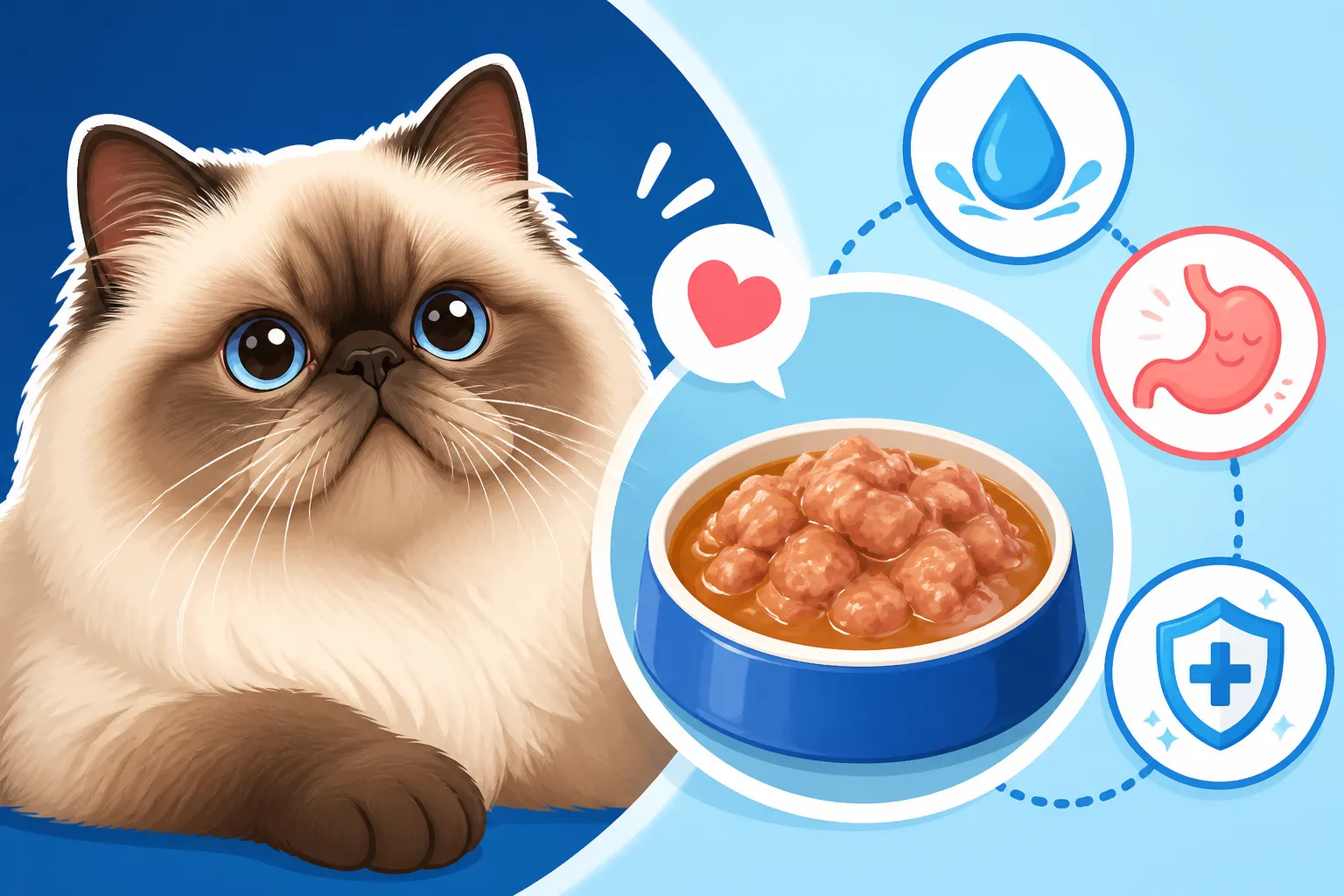
Wet food typically has a moisture content of 70-80%, providing a significant portion of their daily water intake with every meal. This increased hydration is incredibly beneficial for their overall health, but it's particularly crucial for kidney health. Himalayans, stemming from their Persian lineage, can be prone to certain kidney conditions like Polycystic Kidney Disease (PKD). Maintaining optimal hydration is a key factor in supporting kidney function and potentially slowing the progression of such conditions. If you've ever wondered Why Extra Thirst in a Himalayan Points at Its Persian Half, it's often a subtle sign of underlying kidney issues, and increasing moisture in their diet can be a proactive step. For cats with diagnosed kidney concerns, Which Renal Diet a Cyst Positive Himalayan Ends Up On will almost invariably involve a high-moisture, wet food formulation specifically designed to support their renal system. Even if your Himalayan has been tested clear of PKD, a common practice described in Water Matters More in a Himalayan Carrying Cysts, adequate hydration is just good preventive care for all felines.
Practical Tips for Feeding Wet Food to Your Himalayan
Switching to or consistently feeding wet food to your Himalayan can be a smooth transition with a few thoughtful adjustments. It’s not just about what they eat, but how they eat it.
Choosing the Right Bowl and Presentation
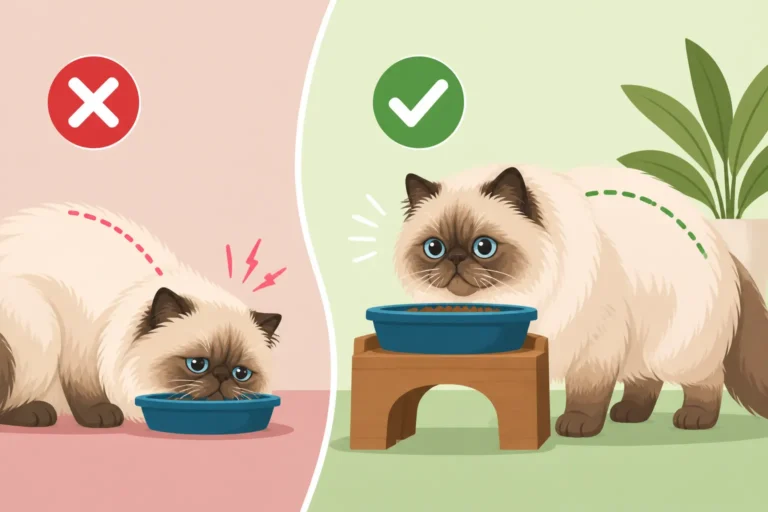
Because of their unique facial structure, the type of bowl you use can make a world of difference. Deep, narrow bowls are an absolute nightmare for a flat-faced cat; their whiskers get bent, and they can’t comfortably reach the food without mushing their face against the sides.
Instead, opt for shallow, wide dishes. These allow your Himalayan to access their food easily without discomfort or difficulty. Ceramic or stainless steel bowls are excellent choices as they are easy to clean and don't hold bacteria like some plastic bowls can. Some owners even find success with raised bowls, which can reduce the strain on their neck as they eat. You want something that lets them simply lap the food up, rather than having to dig or scoop. Many pet supply stores, like Chewy or those found on Amazon, offer a variety of "whisker-friendly" or "flat-faced cat" specific bowls that are perfect for Himalayans. These are often shallow, wide, and sometimes even angled. Understanding Which Bowl Shape a Flat Faced Himalayan Can Use is really important for their comfort. And don't forget the height! How High a Himalayan's Dish Should Sit for a Flat Face can also reduce neck strain, making mealtime even more pleasant.
Preventing Mess and Keeping Clean
Let's be real, even with the best intentions and the perfect bowl, a Himalayan eating wet food can still be a bit… messy. Their long ruffs and fluffy chins are magnets for stray bits of pâté or gravy. This isn't a failure on your part or theirs; it's just a reality of their magnificent coats combined with their flat faces.
To keep things tidy and prevent skin irritation, a little post-meal cleanup goes a long way. Have a soft, damp cloth or a pet-safe wipe handy to gently clean their face and chin after they've finished eating. This prevents food residue from drying and hardening in their fur, which can lead to mats or skin issues. You might have noticed Why Food Ends Up on a Himalayan's Chin and Ruff – it's a combination of their face shape and that glorious long hair. This quick wipe-down can easily become part of The Morning Face Routine Every Himalayan Needs to keep them looking pristine and feeling comfortable. Regular cleaning also helps prevent bacterial buildup in the folds around their nose, which can sometimes lead to irritation if left damp with food particles.
Transitioning from Dry Kibble
If your Himalayan is currently a kibble devotee, don't expect them to switch to wet food overnight. Cats can be creatures of habit, and some are very particular about changes in their diet. Patience is your best friend here.
Start by offering a small spoonful of wet food next to their regular kibble. Let them investigate it at their own pace. If they show interest, great! If not, don't force it. Try a different texture or flavor the next day. Once they start eating it, gradually increase the amount of wet food while decreasing the amount of kibble over several days or even a couple of weeks. This slow transition helps their digestive system adjust and minimizes any potential upset stomachs. Some cats respond well to having their kibble slightly moistened with warm water or a tiny bit of the wet food mixed in, just to get them used to the smell and texture. Consistency is key, so keep offering it even if they seem hesitant at first.
Additional Considerations for Himalayan Nutrition
Beyond the debate of wet versus dry, there are other important nutritional aspects to consider when caring for your beloved Himalayan. Their unique breed characteristics mean that their dietary needs often require a bit more attention than average.
Monitoring Weight and Portions
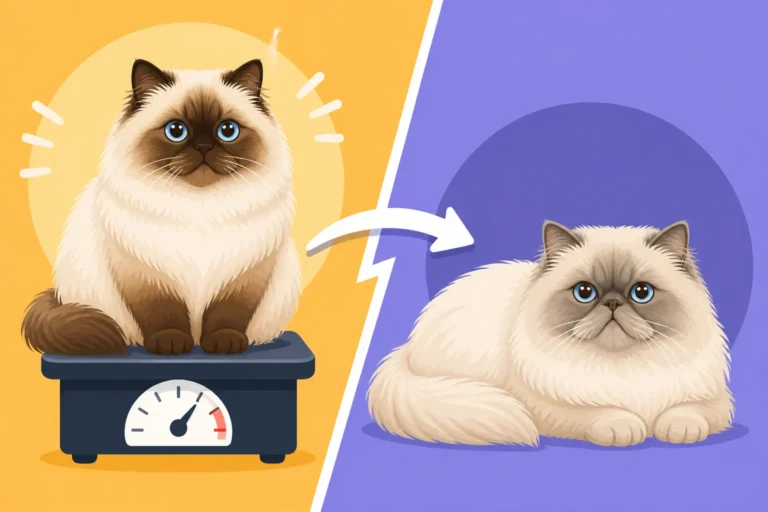
Himalayans are renowned for their calm, somewhat sedentary nature. While this makes them wonderful lap cats, it also means they don’t burn a tremendous amount of calories. Couple that with a luxurious, dense coat that can easily hide extra pounds, and you have a recipe for potential weight gain. An overweight Himalayan isn't just less mobile; it can lead to a host of health problems.
Wet food can actually be an excellent tool for weight management. Because of its high moisture content, wet food is often less calorically dense by volume compared to dry kibble. This means your cat can eat a more satisfying portion size without consuming excessive calories. However, portion control is still paramount. Always follow the feeding guidelines on the wet food packaging, adjusted for your cat's age, activity level, and ideal weight. Regular weigh-ins at home can help you track their progress. It's truly amazing how quickly a few extra ounces can accumulate when your cat is a devoted couch potato; Why a Cobby Himalayan Gains on a Portion Another Cat Burns is a real phenomenon you need to be mindful of. If you're unsure about the right portion size, a quick chat with your veterinarian can provide tailored advice to keep your fluffy friend at a healthy weight.
The Importance of a Balanced Diet
Whether you choose wet food, dry food, or a combination, ensuring your Himalayan receives a complete and balanced diet is non-negotiable. "Complete and balanced" means the food provides all the necessary nutrients in the correct ratios for a cat at their life stage. Look for labels that state the food meets the nutritional levels established by the Association of American Feed Control Officials (AAFCO).
A high-quality wet food will typically have meat as the first ingredient, indicating a good source of animal-based protein, which is essential for obligate carnivores like cats. Protein isn't just for muscles; it's crucial for maintaining that magnificent coat, healthy skin, and overall vitality. If you’re ever curious about their specific needs, What Protein Level a Himalayan's Coat Needs is a deep dive into how diet impacts their luxurious fur. Beyond protein, a balanced diet includes fats, vitamins, minerals, and a small amount of carbohydrates. While specific formulations vary by brand, reputable pet food companies, found easily on platforms like Chewy and Amazon, strive to meet these nutritional standards. It's worth researching and perhaps discussing with your vet to find the best option for your individual cat's needs, especially if they have any specific health concerns. And remember, even with the best diet, regular check-ups, which include discussing How Often a Himalayan's Crowded Mouth Needs Cleaning or Why a Himalayan Needs Dentals Earlier Than a Siamese, are vital for their long-term health.
Disclaimer
This article is for general informational purposes only and does not constitute professional advice. Laws, prices and regulations vary by location and change over time. Consult a qualified professional for guidance on your specific situation.