Why a Himalayan in a Cold House Darkens All Over
One of the most charming and utterly unique characteristics of the Himalayan cat, beyond their stunning blue eyes and luxurious Persian coat, is their exquisite point coloration. You know the look: dark ears, face, paws, and tail, set against a much paler body. It’s absolutely captivating! But sometimes, you might notice your beautiful Himmy’s pale body fur isn't quite so pale anymore. You might even worry something is wrong when their entire coat seems to be gradually deepening in shade. This guide is here to shed light on why your Himalayan's coat might be darkening, especially if you live in a cooler environment, and what this fascinating genetic quirk means for your feline companion.
The Genetic Blueprint Behind the Himalayan's Colors
Before we dive into why your Himalayan might be getting darker, it's crucial to understand the fundamental magic behind their unique color pattern. It’s not just random; it’s a brilliant display of genetic science that makes them so special.
How the Pointed Gene Works
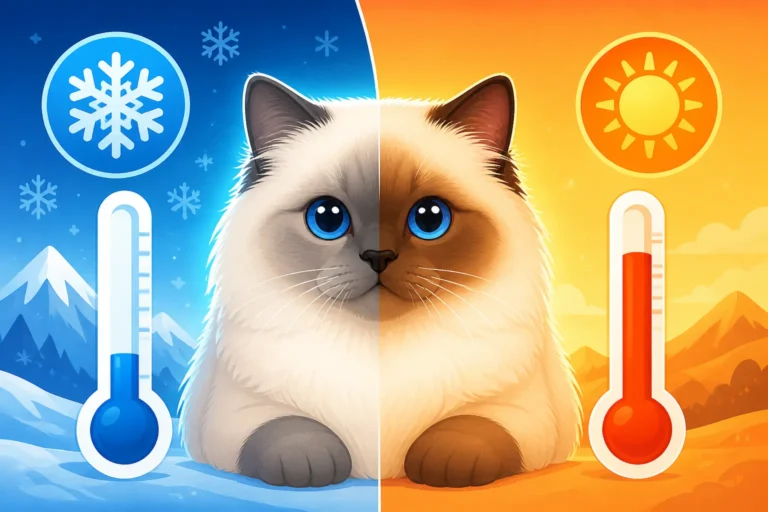
At the heart of every Himalayan’s stunning coloration is a temperature-sensitive gene, a real marvel of nature. This gene produces an enzyme responsible for pigment development, but here’s the kicker: this enzyme only works effectively at cooler temperatures. Think of it like a tiny internal thermometer for fur growth. In the warmer parts of the cat's body – primarily the torso and belly – the enzyme is less active, resulting in very little pigment, or even none at all. This is why the body coat stays beautifully pale, often cream or ivory.
However, in the cooler extremities – the points – where body temperature naturally drops a few degrees, this enzyme kicks into high gear. This means the ears, nose, paws, and tail develop rich, dark pigment, creating that striking contrast we all adore. This genetic trait is shared with other pointed breeds like the Siamese, which is one of the ancestral breeds that contributed to the Himalayan. It’s a fascinating biological mechanism that directly dictates the visual beauty of these cats, giving each one its signature look.
Born White, Then the Magic Begins
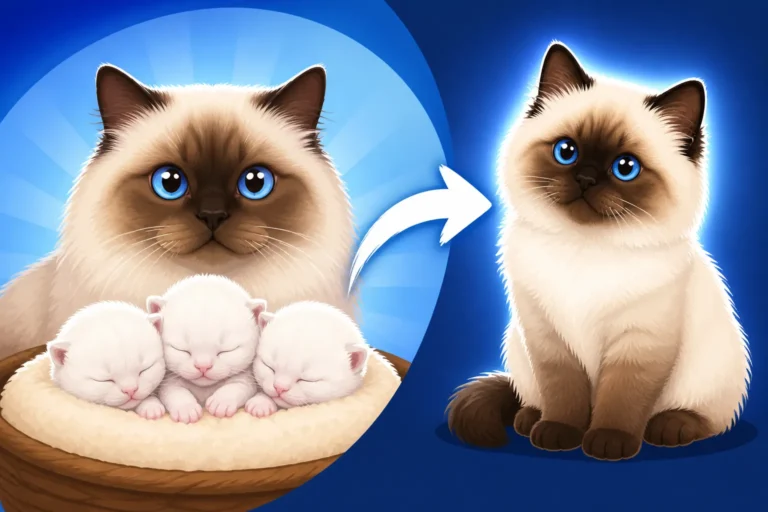
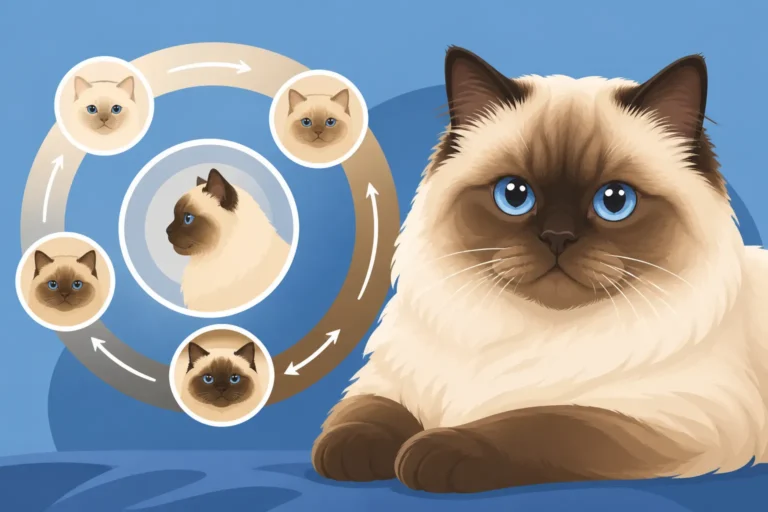
It’s often a surprise to new Himalayan owners, but every single Himalayan kitten is born almost entirely white. If you've ever seen a litter of brand-new Himmy babies, you'll know they look like tiny, fluffy snowballs! There are no visible points, no dark ears or paws, just a pristine pale coat. This is because, while they are developing in the warmth of their mother's womb, their entire body is essentially at a consistent, warm temperature. The temperature-sensitive enzyme simply doesn't have a chance to activate and deposit pigment anywhere.
It’s only once they are born and exposed to the cooler ambient air that their points slowly begin to emerge. Over the first few weeks and months of their lives, you'll watch in wonder as their ears, then their noses and paws, and finally their tails start to "toast" and gain their beautiful dark hues. This gradual darkening is a truly magical process, and observing it is one of the joys of raising a Himalayan. The intensity of this darkening will continue for quite some time, often taking How Many Years a Himalayan's Points Take to Finish. You can almost track the cooling spots on their body by watching the color spread.
The Impact of Environmental Temperature on Coat Color
This temperature-sensitive gene isn't just a one-time thing that sets their kitten colors and then stops. It's an ongoing process, and your home environment plays a significant role in how your Himalayan's coat evolves throughout their life.
Why a Cold Environment Darkens the Body Coat
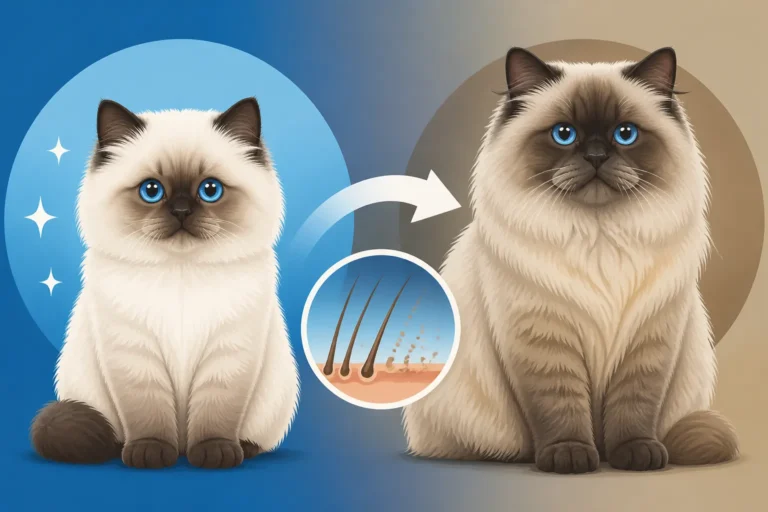
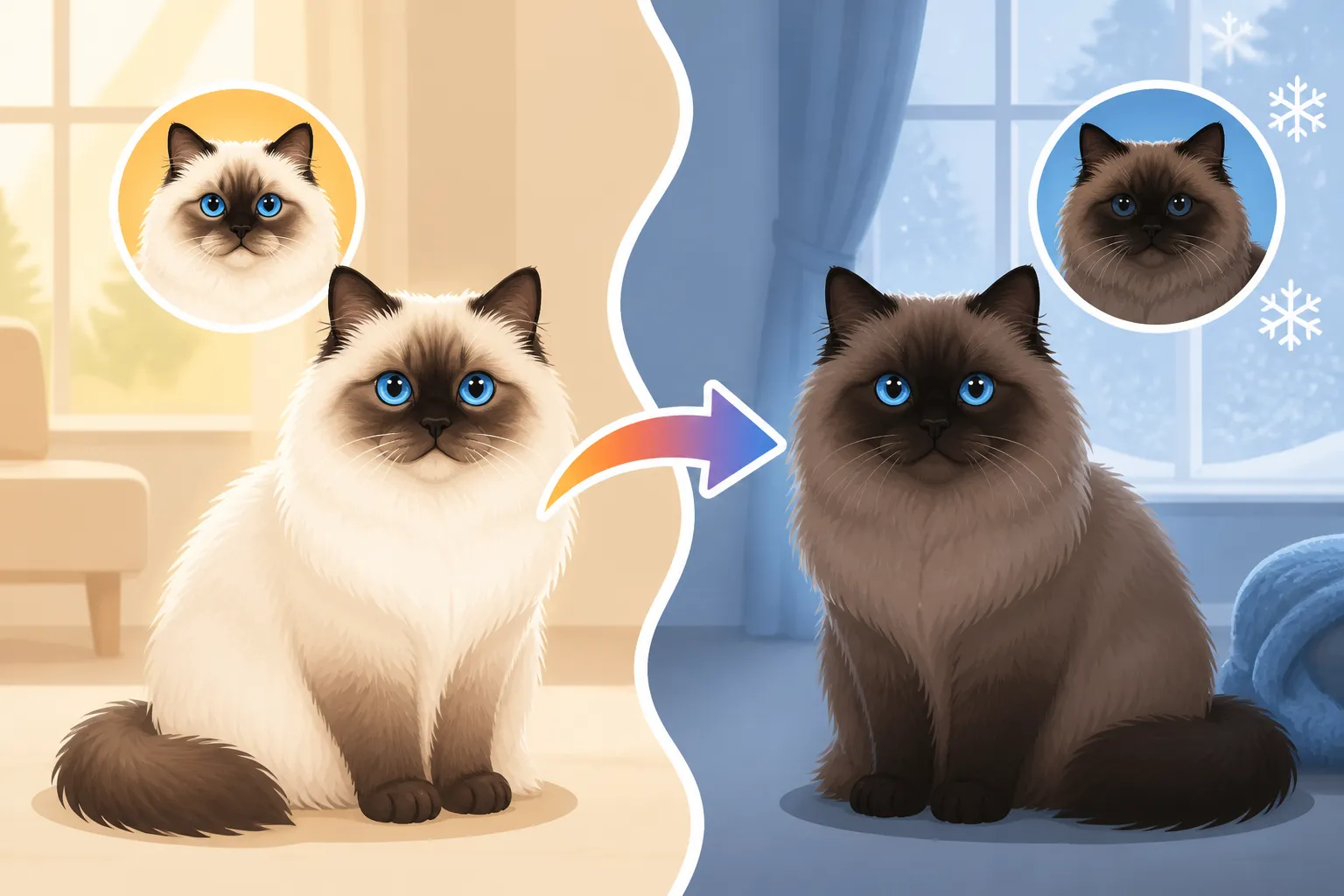
So, what happens when your Himalayan lives in a consistently cooler house? Well, remember that temperature-sensitive enzyme? When the overall ambient temperature is lower, your cat's entire body surface is a few degrees cooler than it would be in a warmer environment. This slight, persistent drop in temperature is enough to activate that pigment-producing enzyme in areas beyond the traditional points. Instead of just the ears and paws getting dark, you might see the pigment beginning to spread and deepen across their shoulders, flanks, and even their belly.
It’s not just that the existing points get darker; it's that the contrast between the points and the body coat becomes less stark because the body itself starts accumulating pigment. If your house consistently hovers on the cooler side, say in the lower 60s or even upper 50s Fahrenheit, you're essentially providing the perfect conditions for that enzyme to work its magic over a wider surface area of your cat's fur. It's a natural, physiological response to their environment, and it’s actually why How Temperature Decides a Himalayan's Point Color.
The Visible Effects of Consistently Cooler Temperatures
When a Himalayan lives in a perpetually cool environment, the changes to their coat can be quite striking. Their mask, which is the dark coloration on their face, might spread further up their forehead, almost like they're wearing a larger, more encompassing mask. The dark color from their legs might creep up their thighs, and their tail could become almost entirely solid in color. But the most noticeable change will be in their body coat. What was once a pristine cream or white might gradually deepen to a rich fawn, a pale grey, or even a deep beige, depending on their underlying point color.
This isn't a sign of ill health or anything to worry about; it's simply their genetics responding to the climate they live in. For example, a Seal Point Himalayan living in a cool house might develop a body coat that’s a warm, milky chocolate color instead of the desired ivory. A Blue Point might see its pale silver body deepen to a lovely slate grey. The overall effect is a cat with less "contrast" than one raised in a warmer home, often leading to a magnificent, almost solid color appearance, particularly as they age. In fact, many older Himalayans can become almost entirely dark, which is a common sight and perfectly normal. You can see this natural progression, where Why an Old Himalayan Looks Almost Solid Colored.
Beyond Temperature: Other Factors Influencing Coat Darkening
While environmental temperature is a primary driver for a Himalayan's coat color development, it's not the only factor at play. Several other elements contribute to how dark your Himmy's coat becomes over time, making their coloration a complex and ever-evolving masterpiece.
Age-Related Darkening
One of the most undeniable truths about Himalayan cats is that they naturally darken with age, regardless of how warm or cool your home is. It's just part of their life journey! Think of it like us getting a few more freckles or sunspots as the years go by. For Himalayans, the pigment-producing enzyme, even in warmer body areas, seems to gain a bit more activity or accumulate pigment more effectively over many years. This means that even a Himalayan who has always lived in a toasty warm apartment will likely show a deeper body coat and more extensive points as they reach their senior years.
This age-related darkening is often a slow, subtle process, happening almost imperceptibly year after year. What started as a kitten with brilliantly contrasted points and a pristine white body will, by the age of ten or twelve, likely have a much richer, deeper body color and more spread-out point coloration. It’s part of their charm, showing the beautiful passage of time. Why a Himalayan's Points Deepen Every Year It Lives illustrates this perfectly, showcasing how their genetic code is programmed for this beautiful, natural evolution.
Shaving and Regrowth
This one often catches owners by surprise, and it's a great example of that temperature-sensitive gene in action. If your Himalayan ever needs to be shaved, perhaps for a medical procedure, to remove severe matting, or even just for a stylish lion cut, you'll likely notice something fascinating when the fur grows back: the shaved area will often come in darker than the surrounding coat. Why does this happen? Well, when an area of fur is shaved, the skin underneath is exposed more directly to the ambient air, making it slightly cooler. This localized drop in skin temperature is enough to kick that pigment-producing enzyme into higher gear, causing the new hair to grow in with more color.
It can be quite a shock if you're not expecting it, seeing a dark patch on your Himmy's otherwise pale body. Rest assured, it's a completely normal, if sometimes cosmetically surprising, phenomenon. The good news is that over time, as the fur grows out and blends with the rest of the coat, and as the area warms up a bit under the new insulation, the color will often lighten again to match the surrounding fur, though it might take a while. This is a common occurrence, and Why a Shaved Patch Regrows Darker on a Himalayan delves into this in more detail.
Health and Hormonal Influences
While less dramatic than temperature or age, a Himalayan's general health, stress levels, and even hormonal fluctuations can subtly influence the quality and perceived color of their coat. A cat that isn't feeling its best, perhaps due to illness or chronic stress, might have a coat that appears duller, coarser, or even slightly off-color. While this isn't typically a darkening in the same way as the genetic temperature response, a lackluster coat can sometimes be perceived as a deepening of color, or at least a loss of vibrancy in the lighter areas.
Hormonal changes, such as those experienced during pregnancy or due to certain medical conditions, can also play a minor role. These influences are usually less about pigment deposition and more about the overall health of the hair follicle and the quality of the fur itself. For instance, if a cat is unwell, its coat might become greasy or sparse, changing its appearance. Ensuring your Himalayan is healthy, happy, and well-fed (perhaps with a high-quality food formulated for coat health) is paramount for maintaining a beautiful, vibrant coat, regardless of its precise shade. Always consult your vet if you notice significant changes in coat texture or appearance without an obvious cause.
Managing and Understanding Coat Color Changes
Living with a Himalayan means embracing their unique characteristics, and their ever-changing coat color is definitely one of them! While some aspects are simply part of their natural beauty, there are things you can do to manage and understand these changes.
What You Can Control: Maintaining a Consistent Environment
While you can't stop the natural darkening that comes with age, you absolutely can influence the extent to which environmental temperature impacts your Himalayan's coat. If you prefer your Himmy to maintain a higher contrast between their points and body coat, keeping your home consistently warm is key. Aim for a comfortable indoor temperature, typically between 70-75°F (21-24°C). This ensures that the majority of your cat's body remains warm enough to inhibit the excessive activation of that pigment-producing enzyme.
Consider using smart thermostats to maintain a steady temperature, or ensure your cat has access to warm, cozy sleeping spots, especially in colder rooms. Heated cat beds or insulated hideaways can make a big difference, providing localized warmth that discourages excessive body darkening. You can find many options for these on Amazon or Chewy. Remember, consistency is more important than extreme heat. A sudden drop in temperature, even for a few hours, can prompt that enzyme into action. By providing a stable, warm environment, you're not just ensuring your Himalayan's comfort, but also helping to preserve that classic, high-contrast look you love.
What You Can't Control: Embracing the Natural Progression
Despite your best efforts to maintain a warm environment, it’s important to remember that some degree of coat darkening is simply inevitable for a Himalayan. Age, genetics, and even subtle temperature variations that are beyond your control will all contribute to a gradual deepening of their colors over the years. It's part of their unique charm, a testament to their living, breathing genetic makeup. Instead of fighting it, try to embrace it as a beautiful evolution of your beloved pet.
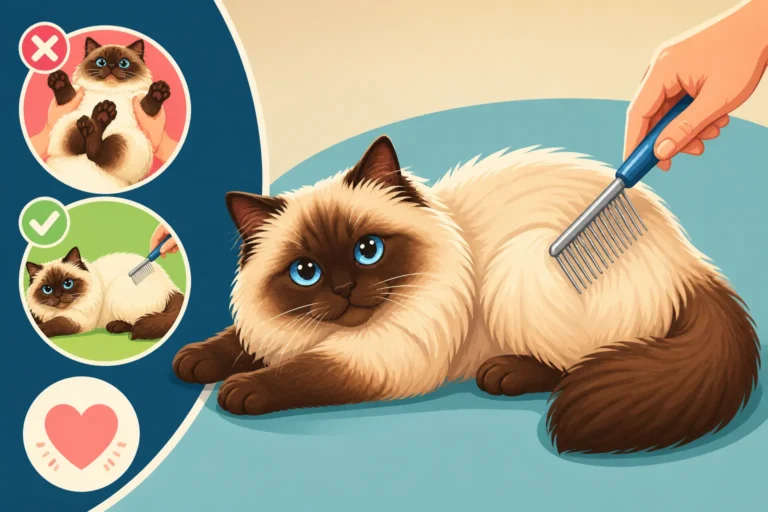
Each stage of their coat development, from the stark white kitten to the richly colored senior, has its own beauty. Focus on keeping their coat healthy and well-groomed, which is vital regardless of color. As their coat thickens and possibly deepens in color, your grooming routine might need slight adjustments. Regular, daily combing becomes even more crucial to prevent matting, especially in those denser areas. The Daily Comb a Himalayan Cannot Skip is an absolute must-read for any Himalayan owner, outlining why this routine is non-negotiable for their long, luxurious fur. Appreciate the unique palette your Himmy develops, knowing it's a natural part of their journey.
The Difference Between Point Darkening and Dirt/Stain
It’s easy to get a little confused between true pigment changes and superficial issues like dirt or staining, especially with such a pale-bodied cat. Understanding the distinction is vital for proper care and to avoid unnecessary worry.
Distinguishing True Pigment Change from External Factors
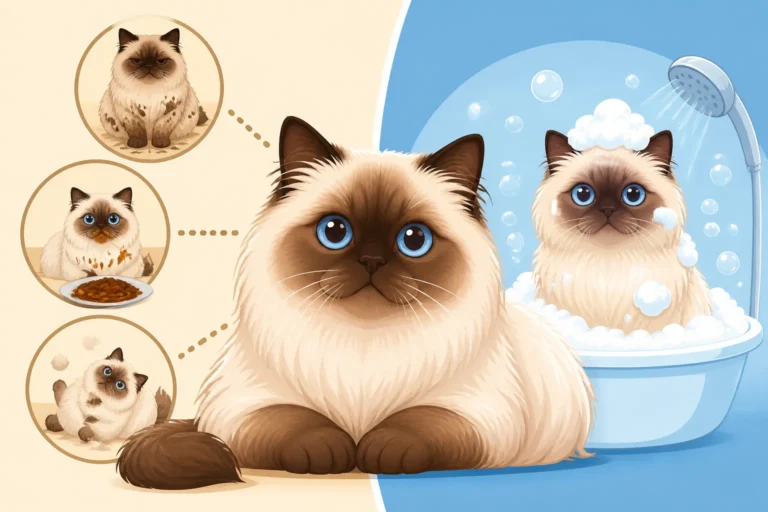
When your Himalayan’s body coat deepens in color due to temperature or age, it's a uniform, integrated change in the actual pigment of the fur shafts. The color is in the hair. However, sometimes what looks like darkening can actually be external factors at play. The most common culprit is tear staining, especially on their delicate faces. Himalayans, with their flatter faces, are prone to watery eyes, and the moisture, combined with certain porphyrins in their tears, can leave a reddish-brown stain on their pale fur. This often looks like a "darkening" around the eyes and nose fold, but it's not a genetic change in hair color.
Similarly, dirt, dust, or even certain food residues can cling to their long, luxurious coats, particularly around their paws, chest, and britches, creating a dingy or darker appearance. If your cat ventures into dusty corners or is prone to pushing food out of its bowl, these areas can accumulate grime. You can generally distinguish these by attempting to clean the area; if the color comes off or lightens significantly with proper grooming, it was likely external. True pigment change, on the other hand, is permanent and won't wash away.
Grooming for a Pristine Coat
Maintaining a pristine coat on a Himalayan, regardless of its color evolution, requires dedication. Daily grooming is not just about preventing mats; it's also about keeping their pale fur free from external staining and dullness. A good quality steel comb (many are available on Chewy or Amazon) used daily will remove loose hair, dander, and any surface dirt before it has a chance to set into the coat. Pay particular attention to areas prone to staining, like the face and paws.
For tear stains, a daily gentle wipe with a damp cloth or specialized pet-safe eye wipes (available at your local pet store or online) can make a huge difference. Why a Himalayan's Pale Body Coat Yellows touches on how important this routine is for maintaining their light body color. For their britches, trimming the fur slightly can prevent litter and fecal matter from clinging, which also contributes to a cleaner, brighter appearance. If you feed wet food, consider using a flat, wide bowl that prevents their ruff from dipping into the food, as leftover food residue can easily cause staining on their chest. Good quality, appropriate nutrition can also support overall coat health, making it less prone to dullness and more resilient.
Understanding these distinctions helps you celebrate your Himalayan's natural beauty while also proactively addressing any solvable cosmetic issues.
| Factor | Effect on Coat Color | Controllable? | How to Address/Manage |
|---|---|---|---|
| Environmental Temperature | Colder environments lead to overall darkening. | Yes | Maintain consistent warm indoor temperatures. |
| Age | Natural, gradual darkening over years. | No | Embrace it; adjust grooming as coat texture changes. |
| Shaving | Shaved areas grow back temporarily darker. | No (post-event) | Be aware; color often normalizes over time. |
| Tear Stains | Reddish-brown stains around eyes/nose. | Yes | Daily gentle wiping; keep face dry. |
| Dirt/Grime | Dull, darker appearance from external buildup. | Yes | Daily combing, regular cleaning, appropriate feeding bowls. |
| Health/Hormones | Subtle changes in coat quality/luster. | Indirectly | Ensure good nutrition and regular vet check-ups. |
Disclaimer
This article is for general informational purposes only and does not constitute professional advice. Laws, prices and regulations vary by location and change over time. Consult a qualified professional for guidance on your specific situation.