Why an Old Himalayan Looks Almost Solid Colored
It's a common and often surprising observation for many Himalayan cat owners: your beautiful, distinctly pointed cat, who perhaps started life with a pristine pale body and sharply contrasting dark points, seems to be transforming into something almost entirely different as they gracefully age. This gradual darkening, making your beloved senior Himalayan appear nearly solid colored, is a completely natural phenomenon, yet it can be quite perplexing if you don't understand the science and physiology behind it. This guide will explore all the fascinating reasons why your old Himalayan's coat undergoes such a remarkable transformation, from the intricate genetics at play to the subtle shifts in their daily life.
The Genetics Behind Himalayan Point Coloring
To truly understand why an old Himalayan's coat darkens, we first need to revisit the magic behind their iconic point coloration. It's not just a pretty pattern; it's a direct result of a fascinating genetic mutation, a temperature-sensitive enzyme that dictates pigment distribution. This is the very essence of what makes a Himalayan cat a Himalayan.
How the Point Gene Works
Himalayan cats, along with Siamese, Ragdolls, and other pointed breeds, carry a specific gene responsible for what's known as "temperature-sensitive albinism." This gene produces an enzyme called tyrosinase, which is crucial for melanin production – the pigment that gives hair its color. The trick is, this enzyme is only fully active at cooler body temperatures. In warmer areas, it's less effective or completely inactive.
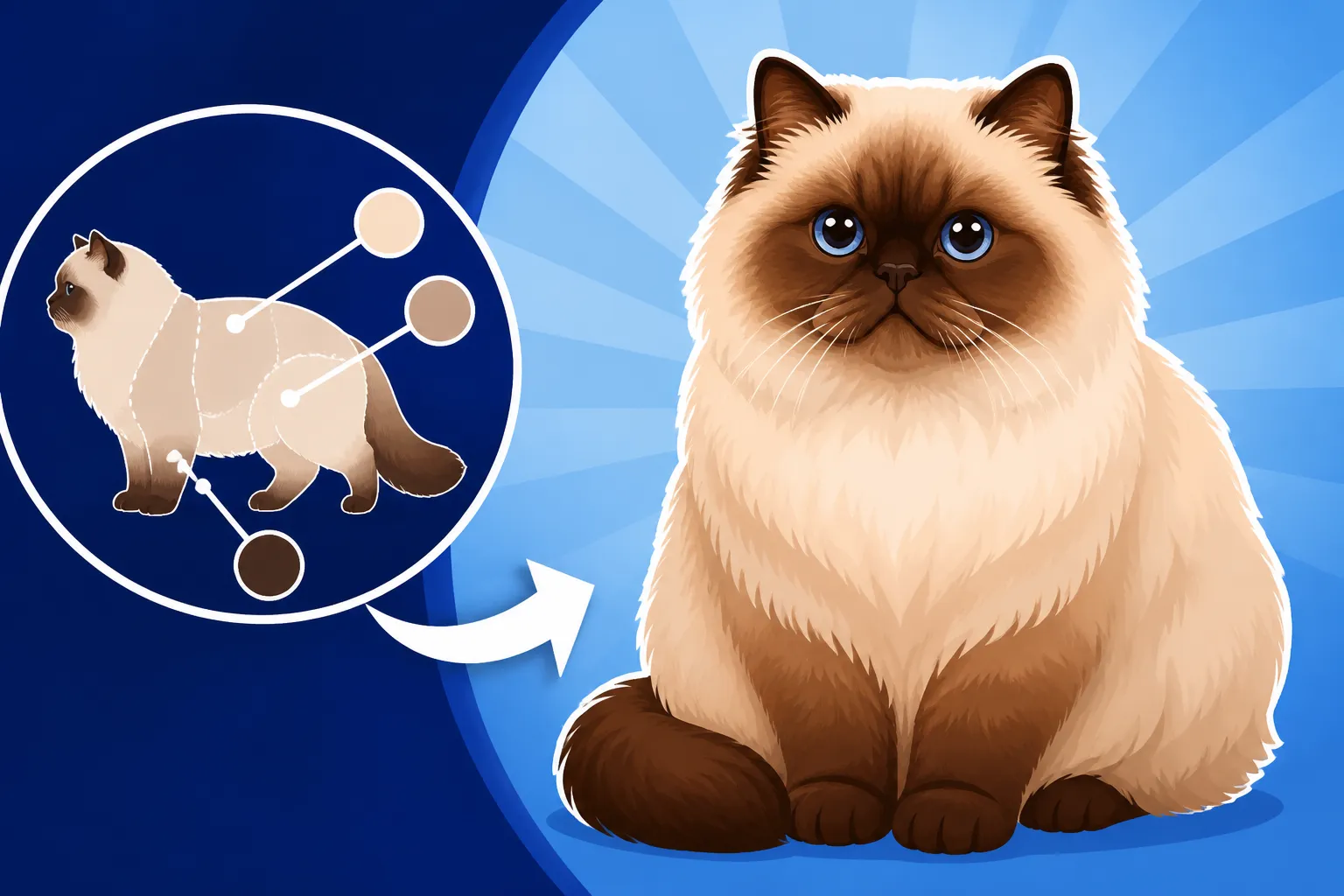
Imagine your cat's body as a landscape of varying temperatures. The core of their body, where vital organs reside, is the warmest. Here, the enzyme is largely inactive, resulting in very little melanin production, hence the pale, often cream or white, body coat. But move to the extremities – the cooler "points" like the ears, face mask, paws, and tail – and the enzyme kicks into high gear. This is where melanin is produced in abundance, leading to those gorgeous, dark points that are the hallmark of the breed. It's a precise, temperature-controlled biological process that determines every shade on your cat's exquisite fur. This is why A Himalayan's Point Color Is a Record of Where It Sleeps.
The Kitten Phase: Born White
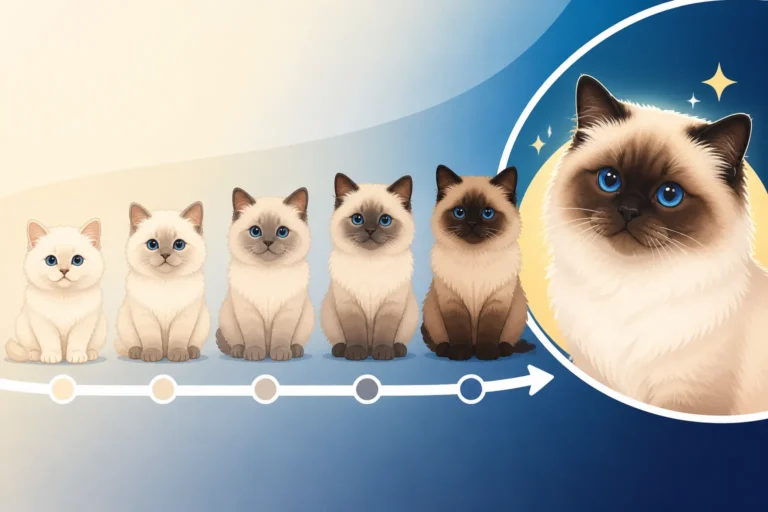
Perhaps one of the most charming facts about Himalayan kittens is that they are all born nearly white or a very pale cream. This often surprises first-time owners who are expecting miniature versions of their dark-pointed parents. The reason is simple and directly related to the temperature-sensitive gene. While inside the warmth of their mother's womb, the kittens are kept at a consistently high, cozy temperature. At these elevated temperatures, the tyrosinase enzyme responsible for producing pigment is completely inactive.
As a result, no melanin is deposited into their fur while they are developing prenatally. It's only after they are born and exposed to the cooler ambient temperatures of the outside world that their points begin to develop. Over the first few weeks and months, you can actually watch their ears, noses, paws, and tails slowly but surely start to darken, revealing their true point color. This incredible transformation highlights just how sensitive and crucial temperature is to their unique coat expression, and it's a clear example of Why Every Himalayan Kitten Is Born Almost White.
The Impact of Environment on Point Development
The environment your Himalayan lives in plays a significant role in how quickly and intensely their points develop, and how deeply their body coat eventually darkens. Think of it as a living canvas constantly reacting to its surroundings. A Himalayan raised in a cooler climate or a home with lower ambient temperatures will often develop darker, more extensive points, and their body coat may also show a deeper hue earlier in life. The cooler temperatures allow the pigment-producing enzyme to be active over a larger surface area of their body, not just the very extremities.
Conversely, a Himalayan living in a consistently warm house or a hot climate might have lighter points and a paler body coat throughout its younger years. Even small, consistent temperature differences can make a noticeable impact. Owners often report that their cats' coats lighten slightly in the summer months and darken again in winter, especially if they enjoy lounging in cooler spots. This environmental influence is a constant factor in their appearance, making their coat a dynamic display of their temperature experiences. This connection between temperature and coat color is a fundamental aspect of How Temperature Decides a Himalayan's Point Color.
Why Points Deepen with Age
As Himalayans transition from playful kittens to stately seniors, their bodies undergo a myriad of changes, many of which contribute to the gradual darkening of their coat. This isn't just about external environmental factors; it's deeply tied to their internal physiology and shifts in their lifestyle. The deepening of points is a very common observation and one that tells a story of their journey through life.
Metabolic Slowdown and Body Temperature
One significant factor contributing to an older Himalayan's darkening coat is the natural slowdown of their metabolism as they age. Just like humans, senior cats tend to become less active, their internal processes might operate at a slightly slower pace, and this can lead to subtle shifts in their overall body temperature regulation. While a young, energetic cat might generate more internal heat through constant movement and a robust metabolism, an older cat often expends less energy, potentially leading to a slightly lower core body temperature over extended periods.
This slight, yet consistent, reduction in body temperature across their torso and limbs can mean that the temperature-sensitive enzyme has a wider range in which to become active. It's no longer just the very coolest extremities where pigment is produced effectively; now, areas that were once just warm enough to keep the enzyme largely inactive may become cool enough for pigment to be deposited. This metabolic shift is one of the underlying reasons Why a Himalayan's Points Deepen Every Year It Lives, creating a canvas that appears more saturated with color as the years pass.
Less Active Lifestyle and Heat Retention
Another crucial aspect of aging that impacts coat color is the change in activity levels. Young Himalayans, while not as boisterous as some Siamese ancestors, still have bursts of playful energy. They dart, pounce, and explore, keeping their internal body temperature higher through movement. An older Himalayan, however, typically embraces a more sedentary lifestyle. They spend more time napping in their favorite sunbeam, curled up on the sofa, or simply watching the world go by from a comfortable perch.
This decreased physical activity means less internal heat generation. Furthermore, older cats might be less efficient at regulating their body temperature, and their preference for warm, cozy spots might not always compensate for a general drop in activity-driven heat. They might also huddle more, retaining heat closer to their bodies. The combination of lower activity and subtle changes in heat regulation means their body experiences a slightly cooler average temperature over time, allowing the point-coloring gene to express itself more broadly, leading to a darker, more "solid" appearance.
Hormonal Changes and Pigmentation
The aging process brings with it a host of hormonal changes in cats, just as it does in other mammals. While specific research directly linking these hormonal shifts to the darkening of a Himalayan's coat is complex, it's a known biological principle that hormones can influence pigmentation. For example, some cats might experience changes in thyroid function as they get older, which can impact coat quality and even color in some breeds. While not as dramatic as, say, a hormonal change causing a red coat to appear, the subtle alterations in the endocrine system could play a supporting role in the widespread activation of the temperature-sensitive gene.
It's a nuanced interplay where the aging body's entire system shifts, and pigmentation is one of the many processes that can be subtly affected. These internal biological changes, alongside the more obvious metabolic and activity shifts, all contribute to the cumulative effect of an older Himalayan's coat appearing significantly darker, moving further away from that stark point contrast of their youth towards a more uniform, rich coloration across their body.
The Role of Coat Density and Texture
Beyond genetics and internal physiology, the physical characteristics of a Himalayan's magnificent coat itself also contribute to the perception of it looking "almost solid colored" in old age. The texture, thickness, and even the cleanliness of the fur can dramatically alter how light reflects off it and how we perceive its color.
Increased Undercoat and Guard Hairs
As Himalayans age, their coat can actually become thicker and denser. This is particularly true of the undercoat, which acts as an insulating layer. A thicker undercoat, often combined with a slight change in the texture or quantity of guard hairs (the longer, outer hairs), can give the overall coat a much richer, more uniform appearance. A denser coat means that the lighter, warmer parts of the body are less visible through the top layer of fur, especially if the guard hairs themselves have also darkened slightly.
Think of it like adding more layers to a watercolor painting; the underlying lighter tones become less pronounced as more pigment is built up. This increased density can visually diminish the contrast between the points and the body, making the transition appear less stark and more blended. The sheer volume of fur on an older Himalayan, especially one with a classic Persian coat, can be quite astounding, further contributing to this effect.
Matting and Poor Grooming in Older Cats
Unfortunately, as cats age, they often become less flexible and less diligent about their meticulous grooming routines. For a long-haired breed like the Himalayan, this can quickly lead to problems with matting. Mats are dense clumps of fur that not only pull on the skin and cause discomfort but also trap dirt, oils, and moisture. These matted areas can appear significantly darker than the surrounding healthy coat, creating uneven patches of intense color.
A senior Himalayan might struggle to reach its back, hindquarters, or the sensitive areas around its armpits and britches. These neglected areas become prime spots for mats to form, and these mats can drastically alter the cat's overall appearance. What might look like a general darkening could, in part, be due to widespread matting that creates a darker, duller, and more uniform color across the body. Regular, gentle grooming, even for older cats, is absolutely essential to prevent this. A good quality steel comb from a trusted retailer like Chewy or Amazon can make a huge difference in keeping their coat pristine, and understanding The Daily Comb a Himalayan Cannot Skip is paramount. When it gets really bad, What an Old Himalayan Needs Once Its Coat Starts Matting might be professional help.
Sun Exposure and Coat Fading vs. Darkening
It's a delicate balance with any colored coat: sunlight can both deepen and lighten fur, depending on the pigment and duration of exposure. For Himalayans, long-term, consistent sun exposure can sometimes have a dual effect. While the temperature-sensitive gene dictates darkening in cooler areas, intense UV radiation over many years can sometimes cause some pigment to break down or "bleach" in certain areas. However, this is more often seen as a reddish tinge or dulling rather than a uniform darkening.
More commonly, sun exposure in older Himalayans contributes to a general 'weathered' look that can be perceived as darker, even if individual hairs are somewhat faded. The overall impression can be less vibrant, perhaps a bit duller, and the contrast between points and body can lessen. This is distinct from the genetic darkening discussed earlier, but it adds another layer to the visual complexity of an older cat's coat. Additionally, areas that yellow or get stained (like around the mouth or perineum) can also add to the perception of a less pristine, more uniformly colored coat, especially if the cat is less diligent about self-grooming. This is why addressing issues like Why a Himalayan's Pale Body Coat Yellows is part of holistic senior cat care.
External Factors Influencing Color Change
While genetics and physiology lay the groundwork for an old Himalayan's darkening coat, various external environmental and care factors can amplify or moderate this process. Owners often wonder if there's anything they can do, and indeed, daily routines and the immediate surroundings play a role in how pronounced these color changes become.
Ambient Room Temperature
We've already established that the Himalayan's point coloration is dictated by temperature. It logically follows that the ambient temperature of your home will significantly influence how dark your cat's coat becomes as they age. If your home is kept consistently cooler, especially during the colder months, the temperature-sensitive enzyme will be active over a broader area of your cat's body for longer periods. This means areas that might have remained pale in a warmer home will gradually darken.
This isn't to say you should keep your house uncomfortably warm to maintain a lighter coat – your cat's comfort and health come first! However, understanding this connection helps explain why one Himalayan might appear significantly darker than another of the same age and genetic background, simply due to their living environment. It's a key reason Why a Himalayan in a Cold House Darkens All Over, and it’s a process that continues throughout their life, with the cumulative effect becoming more noticeable in their senior years.
Diet and Supplements for Coat Health
Diet plays a crucial role in overall health, and a healthy coat is often a reflection of good nutrition. While no diet will completely prevent the natural darkening of an aging Himalayan's coat, a high-quality, balanced diet can certainly support optimal coat health, shine, and vitality. Poor nutrition can lead to a dull, brittle coat, which might appear darker due to lack of luster or increased shedding of healthy hairs, making underlying, darker hairs more prominent.
Senior cats, in particular, may benefit from diets formulated for older felines, which often contain specific nutrients to support aging skin and coat, such as Omega-3 and Omega-6 fatty acids. These essential fatty acids contribute to skin hydration and a glossy coat. Some owners also explore supplements, though it's always best to consult with your veterinarian before adding anything new to your cat's regimen. Reputable brands of cat food, easily found on sites like Chewy or Amazon, often specify formulations for senior cats or those with sensitive skin/coat needs. Ensuring your Himalayan receives adequate protein and healthy fats can help keep their fur in the best possible condition, even as its color deepens.
Medications and Health Conditions
Certain medications and underlying health conditions can also subtly influence a cat's coat color and quality, especially in older animals. For instance, some medications might impact metabolic rate, which indirectly affects body temperature and therefore pigment production. Conditions like hypothyroidism, though less common in cats than in dogs, can sometimes lead to changes in coat texture, dullness, or even altered pigmentation, making the coat appear different.
Any chronic illness that impacts a cat's overall health, such as kidney disease (which Himalayans can be predisposed to, originating from their Persian ancestry, as discussed in PKD1 Came Down the Persian Side of a Himalayan), can manifest in a poor, dull coat. While not directly turning the coat "solid colored," a compromised coat quality can contribute to the perception of a less vibrant, more uniformly muted coloration. Regular veterinary check-ups are vital for senior Himalayans to catch any emerging health issues early. Your vet will monitor blood values to ensure organ function is optimal and can advise on any specific dietary or supplemental needs, especially if you notice other changes in your cat's health in addition to their coat color. Keeping up with What a Himalayan's Yearly Bloods Should Cover After Eight is a crucial part of proactive senior care.
Distinguishing Natural Darkening from Health Concerns
While the gradual darkening of an old Himalayan's coat is largely a normal and expected part of aging, it's natural for concerned owners to wonder if this change, or any other coat alteration, could be a symptom of an underlying health problem. It's important to understand the difference between natural progression and something that warrants a trip to the vet.
Normal Aging vs. Hypothyroidism or Other Issues
The natural darkening process in Himalayans is typically slow, even, and affects the entire body over many years. It's a gradual blending of the points into the body color, rather than sudden, patchy, or uneven discoloration. The coat still maintains its softness and overall quality (provided it's well-groomed), just with a deeper hue.
However, certain health conditions can affect a cat's coat, leading to changes that might be mistaken for, or contribute to, perceived darkening. Hypothyroidism, for example, can cause a dull, sparse, or dry coat, and sometimes even hyperpigmentation in certain areas. Other systemic illnesses, nutrient deficiencies, or even chronic stress can impact coat health. If the coat change is accompanied by other symptoms like lethargy, changes in appetite or thirst, weight fluctuations, skin irritation, excessive shedding, or a noticeable decline in coat quality (e.g., oiliness, dryness, brittleness), then it's highly likely something more than just natural aging is at play. The key is the overall picture of your cat's health and the speed and nature of the coat changes.
When to Consult Your Vet
You should always consult your veterinarian if you are concerned about any changes in your cat's health, including significant or rapid alterations in their coat. While a slow, even darkening of a Himalayan's coat over several years is normal, here are some specific signs that warrant a vet visit:
- Sudden or Rapid Darkening: If your cat's coat seems to change dramatically over a few weeks or months, rather than gradually over years.
- Patchy or Uneven Discoloration: If certain areas darken intensely while others remain pale, or if there are new, unexplained dark patches on the skin beneath the fur.
- Poor Coat Quality: If the fur becomes excessively dry, greasy, brittle, matted despite grooming, or starts to fall out in clumps.
- Skin Issues: Any redness, bumps, sores, flakiness, or itching beneath the fur.
- Accompanying Symptoms: As mentioned earlier, if the coat change is paired with changes in behavior (lethargy, irritability), appetite, thirst, urination, bowel movements, or weight, don't delay a vet visit.
- Dullness or Lack of Luster: If the coat, even if darker, looks dull and lifeless, rather than rich and healthy.
Your vet can perform a thorough examination, including blood tests, to rule out underlying medical conditions and provide peace of mind. They can also offer advice on senior cat care, grooming strategies, and nutritional support to keep your aging Himalayan as comfortable and healthy as possible.
Maintaining Coat Health in Senior Himalayans
Even with the natural darkening that comes with age, you can do a great deal to ensure your senior Himalayan's coat remains healthy, comfortable, and beautiful. Regular proactive care becomes even more critical as they age and their own grooming abilities decline.
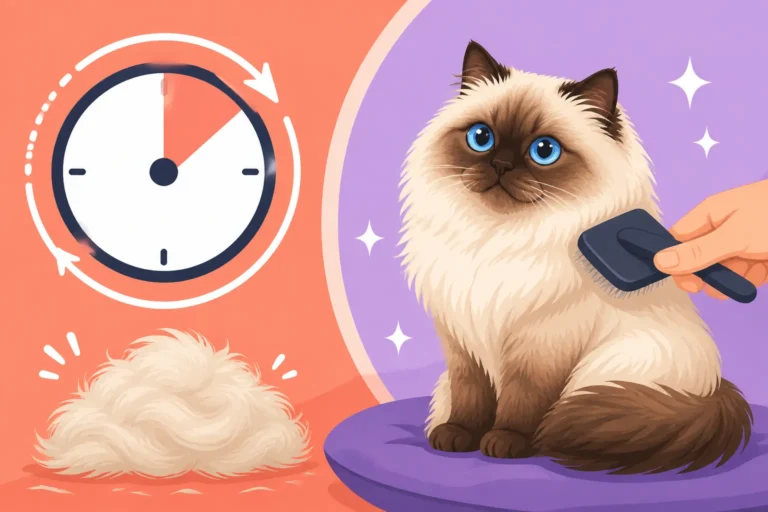
First and foremost, daily grooming is non-negotiable. As discussed, older cats are less flexible and prone to matting. A gentle daily session with a good quality steel comb will prevent mats, distribute natural oils, and provide a wonderful bonding opportunity. Pay extra attention to areas they can no longer reach, such as their back, tail, and britches. If mats do form, resist the urge to cut them out with scissors yourself, as you can easily injure your cat's delicate skin. Professional groomers or your vet can safely remove stubborn mats. Products like specialized grooming rakes and detangling sprays can be purchased from pet retailers like Amazon to aid in this process.
Secondly, ensure they are on a high-quality diet appropriate for senior cats. These diets are often formulated with ingredients to support aging joints, kidney function, and skin and coat health. Adequate hydration is also vital; consider a water fountain to encourage drinking, especially if your cat has a history of kidney concerns.
Finally, routine veterinary check-ups are paramount. Your vet can advise on supplements for coat health, check for any skin issues lurking beneath the dense fur, and ensure your cat is otherwise healthy. Addressing any underlying health conditions promptly will indirectly support a healthier coat. While their coat might continue to deepen in color, these measures will ensure it remains soft, clean, and free from painful mats.
To illustrate the changes, here’s a quick comparison:
| Feature | Young Himalayan (Kitten to 2-3 Years) | Old Himalayan (8+ Years) |
|---|---|---|
| Body Color | Very pale, often cream or white | Significantly darker, more muted, less contrast |
| Point Contrast | Sharp, distinct, clearly defined | Blended, diffused, less stark separation from body |
| Coat Density | Fine, soft, moderately dense | Thicker undercoat, can appear fuller |
| Grooming Need | Regular, but often self-sufficient | Crucial daily assistance, prone to matting |
| Metabolism | High, active | Slower, less active, potentially lower core temperature |
| Overall Look | Crisp, high contrast, vibrant | Richer, more uniform, "solid-colored" appearance |
Disclaimer
This article is for general informational purposes only and does not constitute professional advice. Laws, prices and regulations vary by location and change over time. Consult a qualified professional for guidance on your specific situation.