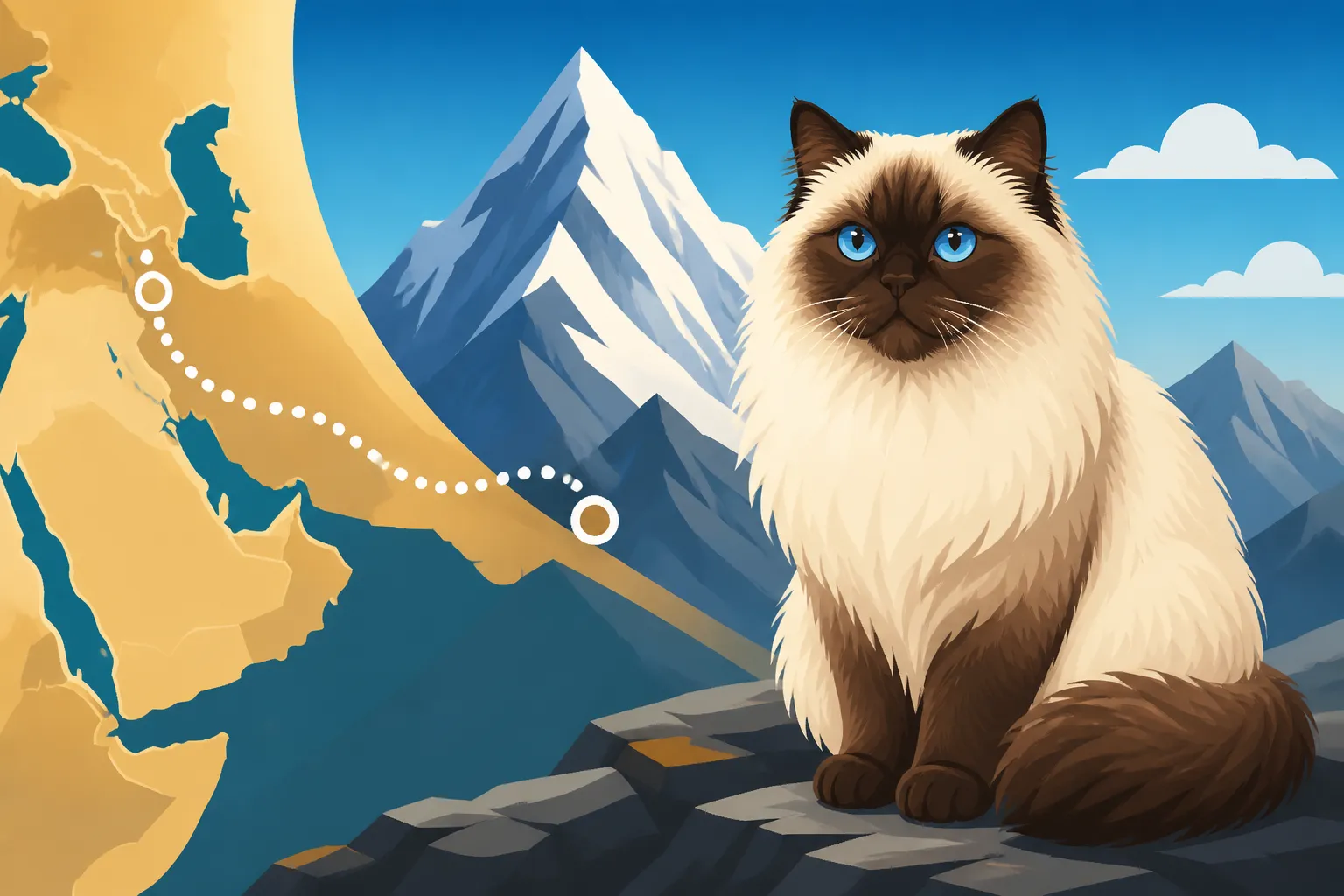
PKD1 Came Down the Persian Side of a Himalayan
It's heartbreaking to discover that the adorable, fluffy Himalayan you've welcomed into your home might be carrying a silent genetic secret, one that could threaten their kidneys down the line. Many new owners are completely unaware of the prevalence of Polycystic Kidney Disease (PKD1) in the breed, a condition passed directly from their Persian ancestors. This comprehensive guide aims to peel back the layers on PKD1, explaining its origins, how it affects your beloved cat, and what steps you can take to protect them.
Understanding PKD1: A Silent Threat to Himalayans
Polycystic Kidney Disease, or PKD1, is one of those health concerns that often flies under the radar until it's too late. It's a genetic condition that causes fluid-filled cysts to form within the kidneys, gradually increasing in size and number over time. These cysts aren't just harmless bubbles; they slowly but relentlessly take over healthy kidney tissue, impeding its ability to filter waste from the blood and perform other vital functions.
What PKD1 Actually Is
At its core, PKD1 is caused by a specific genetic mutation. For Himalayans, this particular mutation is identified as PKD1 and is inherited in an autosomal dominant fashion, meaning only one copy of the defective gene is needed for a cat to develop the disease. Imagine your cat's kidneys as sophisticated filtering stations, diligently working day in and day out to keep their system clean. With PKD1, it's like tiny, unwelcome balloons start inflating inside these stations. Initially, these cysts are microscopic, practically invisible, and don't cause any problems.
However, as your cat ages, these cysts grow larger, multiplying and expanding. They begin to crowd out the normal, functional kidney tissue, reducing the overall capacity of the kidneys. This slow, progressive takeover is what makes PKD1 such a silent threat. Your cat might appear perfectly healthy for years, showing no outward symptoms, even as the internal damage continues to mount. It's like a slow leak in a tire – you might not notice it until you're stranded.
The impact of these growing cysts is ultimately a reduction in kidney function. When enough healthy tissue is replaced by cysts, the kidneys can no longer efficiently remove toxins from the blood. This leads to a buildup of waste products, which can make your cat feel unwell, lethargic, and eventually lead to chronic kidney disease (CKD) and renal failure. The insidious nature of the disease means that by the time overt symptoms appear, a significant portion of kidney function might already be lost, making management more challenging.
Why PKD1 is So Prevalent in Persians and Himalayans
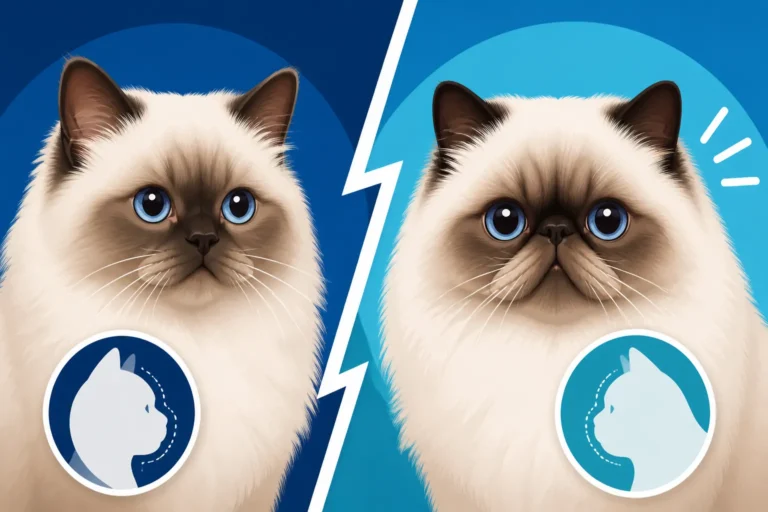
The prevalence of PKD1 in Himalayans isn't a random occurrence; it's deeply rooted in the breed's history and the breeding practices that shaped it. The Himalayan is, essentially, a colorpoint Persian, created by crossing Persians with Siamese cats to introduce the striking "pointed" coat pattern and beautiful blue eyes. While this cross brought about the aesthetic qualities we adore, it also unfortunately inherited the genetic predispositions of the parent breeds.
Persians, one of the oldest and most popular cat breeds globally, had a significant prevalence of PKD1 within their lines long before genetic testing became widely available. Many early Persian breeders, unknowingly, propagated the defective gene as they focused on developing specific facial structures, coat types, and temperaments. Because the disease often doesn't show obvious signs until later in a cat's life, it was easily overlooked in breeding programs for generations.
When the Himalayan breed was established, these Persian lines, along with their genetic baggage, were used. It was an unfortunate consequence of focusing on desirable traits like the long, luxurious coat and unique coloring, without the scientific tools to screen for hidden health issues like PKD1. This historical context explains why PKD1 became so widespread in both Persians and, by extension, Himalayans, making it a critical health concern for anyone considering one of these magnificent cats.
Tracing the Ancestry: PKD1's Persian Legacy
To truly understand why PKD1 is such a concern for Himalayans, we have to look back at their lineage, particularly the strong influence of the Persian breed. The story of PKD1 in Himalayans is inextricably linked to the history of the Persian cat. It's a classic example of how genetic traits, both desirable and undesirable, can be passed down through generations.
The Persian Connection to PKD1
The Persian cat breed, renowned for its opulent long coat, distinctive flat face, and sweet disposition, has a long and storied history. For centuries, these cats were bred for their aesthetic appeal, captivating royalty and cat enthusiasts alike. However, in the pursuit of beauty and specific breed standards, a significant health challenge emerged and silently spread throughout the population: Polycystic Kidney Disease.
Before the advent of genetic screening and widespread veterinary diagnostic imaging, breeders had no reliable way to identify cats carrying the PKD1 gene. A cat could appear perfectly healthy, live a full life, and pass the gene on to numerous offspring without anyone realizing the hidden danger. This made PKD1 endemic within the Persian breed. As popular lines were bred repeatedly due to their desirable physical characteristics, the PKD1 gene spread like wildfire, becoming deeply embedded in the breed's genetic fabric across the globe. Many highly sought-after show cats, unknowingly, became super-spreaders of this silent disease.
The lack of understanding about autosomal dominant inheritance further complicated matters. Even if a breeder noticed kidney issues in an older cat, they might not have connected it directly to genetics or understood how to prevent its transmission. This created a situation where PKD1 became an unfortunate hallmark of the Persian breed, a deeply ingrained challenge that took decades of scientific advancement and dedicated breeder effort to begin to reverse.
How Himalayans Inherited PKD1 from Persians
The Himalayan cat, with its stunning blue eyes and colorpoint pattern, was developed in the 1930s by crossing Siamese cats with Persians. This groundbreaking work was even documented in scientific papers, truly showing how The Himalayan Was Made at Harvard in the 1930s. The goal was to combine the Persian's luxurious long coat and stocky body with the Siamese's distinctive points and eye color. While this cross-breeding achieved its aesthetic aims spectacularly, it also served as the primary pathway for PKD1 to enter the Himalayan gene pool.
When these initial crosses were made, the focus was entirely on establishing the desired physical traits – the pointed pattern, the long coat, the cobby body, and the specific facial structure. Health screening for genetic diseases like PKD1 simply wasn't on the radar, or the tools for such screening didn't exist. Consequently, any Persian cat used in the early Himalayan breeding programs that carried the PKD1 gene inevitably passed it on to their Himalayan offspring.
Since PKD1 is an autosomal dominant condition, a Himalayan kitten only needed to inherit one copy of the affected gene from its Persian parent to be genetically positive for the disease. This meant that even if a Siamese parent was completely clear (which they generally are, as PKD1 is not typically found in Siamese cats), the Himalayan offspring still had a 50% chance of inheriting PKD1 from an affected Persian parent. Over time, as these initial Himalayan lines were further bred, the prevalence of PKD1 continued within the burgeoning breed, mirroring the rates seen in their Persian progenitors. It was a genetic inheritance that came with the package, a hidden vulnerability within their otherwise beautiful genetic blueprint.
The Genetics Behind PKD1 Transmission
Understanding PKD1 isn't just about knowing it's a kidney disease; it's about grasping the basic genetics of how it's passed down. This knowledge is empowering for current and prospective Himalayan owners, as it sheds light on why responsible breeding practices are so crucial. The way PKD1 is inherited makes it particularly tricky, yet also surprisingly straightforward to eliminate through careful breeding.
Autosomal Dominant Inheritance Explained
The term "autosomal dominant inheritance" might sound like something out of a complicated science textbook, but it's actually quite simple to understand in the context of PKD1. In genetics, "autosomal" means the gene responsible for the trait or disease is located on a non-sex chromosome, so it affects both male and female cats equally. "Dominant" is the key word here: it means that an individual only needs to inherit one copy of the affected gene from one parent to develop the condition.
Unlike recessive conditions where an animal can be a silent carrier, needing two copies of the gene to show symptoms, with PKD1, if a cat has the gene, it will develop cysts. There are no "carrier" states where the cat is healthy but can pass it on without being affected itself. If a cat tests positive for the PKD1 gene, it means they have the disease and will develop cysts. This also means that if one parent has PKD1, there's a 50% chance with each kitten born that they will inherit the gene and thus the disease. It's like flipping a coin – every time, there's an independent 50/50 chance.
This mode of inheritance has profound implications for breeding. If a breeder uses a cat that is positive for PKD1, half of its kittens, on average, will inherit the gene. This cycle can continue indefinitely if breeders are not testing their cats. It highlights why understanding that Why PKD Needs Only One Copy in a Himalayan is so critical for making informed decisions, whether you're a breeder or just a loving pet owner concerned about your cat's health.
From Gene to Cyst: The Disease Progression
Once a Himalayan inherits the PKD1 gene, the process of cyst formation begins, though it’s not an immediate or dramatic event. The journey from a single mutated gene to visible, impactful cysts is a gradual one, often occurring silently over years. It’s this slow progression that makes early detection so vital and yet so challenging without specific testing.
In the very early stages of life, sometimes even before birth, microscopic cysts begin to form in the kidneys of a PKD1-positive cat. These are tiny, often imperceptible, fluid-filled sacs that are initially so small they cause no noticeable problems. A kitten with PKD1 might appear perfectly healthy and robust, full of playful energy. This is precisely why relying on observation alone is insufficient; the disease is already at work internally, long before any outward symptoms manifest.
As the cat matures, these cysts slowly but steadily grow in size and number. Imagine them as tiny balloons that gradually inflate within the kidney structure. Over months and years, these expanding cysts start to displace the healthy kidney tissue, encroaching on the nephrons – the functional units responsible for filtering waste. This displacement leads to a progressive decline in kidney function, which eventually results in chronic kidney disease. This is How Kidney Cysts Grow on a Himalayan's Scan over time, gradually taking over more and more of the kidney's vital capacity.
The rate of cyst growth and the onset of clinical symptoms can vary greatly between individual cats, even those from the same litter. Some Himalayans with PKD1 might live a relatively normal lifespan with only mild kidney impairment, while others might develop severe kidney failure much earlier. This variability adds another layer of complexity, emphasizing that every PKD1-positive cat needs careful monitoring and management throughout its life.
The Devastating Impact of Undiagnosed PKD1
The heartbreaking reality of PKD1 is that its effects are often not noticed until the disease has progressed significantly. This delayed recognition means that by the time a Himalayan starts showing obvious signs, a large portion of their kidney function might already be compromised, making treatment more about management than cure. The quiet nature of the disease is its most dangerous aspect.
Recognizing the Subtle Signs of Kidney Disease
Because PKD1 is a slowly progressive disease, its early symptoms can be incredibly subtle and easily missed or attributed to other, less serious issues. Many owners don't realize anything is amiss until their cat is quite sick, which can be incredibly frustrating and saddening. It's a reminder of why vigilant observation and regular veterinary check-ups are so important, especially for a breed known to carry this genetic predisposition.
One of the earliest and most common signs of kidney trouble, which you might notice, is an increase in thirst and urination. Your cat might be drinking more water than usual, and you might find yourself scooping the litter box more frequently or noticing larger clumps of urine. This is because the damaged kidneys are less efficient at concentrating urine, so the body tries to flush out toxins by increasing water intake. This is often the first red flag, and Why Extra Thirst in a Himalayan Points at Its Persian Half is often directly related to this kidney issue.
Beyond increased thirst, other signs can include lethargy or a noticeable decrease in activity. Your once playful Himalayan might prefer to nap more, engage less in games, or simply seem "off." Their coat might lose its usual luster, becoming dull or unkempt, as poor kidney function affects overall health and grooming habits. You might also notice a gradual loss of appetite, occasional vomiting, or even weight loss, which can be hard to spot under that magnificent, thick coat. Bad breath, due to toxin buildup, can also be a subtle indicator.
The Progression to Kidney Failure
When PKD1 is left undiagnosed or unmanaged, the relentless growth of cysts ultimately leads to a severe decline in kidney function, culminating in chronic kidney failure. This is a devastating stage where the kidneys are no longer able to effectively perform their life-sustaining tasks. For pet owners, it's a profoundly difficult journey, often filled with tough decisions and emotional strain, watching their beloved companion struggle.
In the advanced stages of kidney failure, the body's ability to excrete waste products is severely compromised. Toxins such as urea and creatinine build up in the bloodstream, leading to a condition called uremia. This buildup causes a cascade of severe symptoms: persistent nausea, frequent vomiting, extreme lethargy, loss of appetite leading to significant weight loss, and severe dehydration. Cats may also develop anemia because kidneys produce hormones necessary for red blood cell production, and high blood pressure, which further damages the kidneys and other organs.
The quality of life for a cat in kidney failure deteriorates significantly. They often feel constantly unwell, weak, and may withdraw from interaction. Managing the condition becomes a complex balance of diet, medications, and sometimes fluid therapy, all aimed at slowing progression and alleviating symptoms. While modern veterinary medicine offers ways to support cats with kidney failure, the condition is ultimately irreversible. Understanding How Kidney Failure Arrives in a Himalayan Past Twelve and recognizing its signs is crucial for providing timely intervention and making compassionate choices when the time comes.
Testing and Prevention: Breaking the Cycle
The good news amidst the challenges of PKD1 is that it is entirely preventable and manageable through responsible practices. Advances in veterinary science have provided us with reliable tools to identify affected cats, allowing breeders to make informed decisions and pet owners to prepare for potential health needs. Breaking the cycle of PKD1 requires dedication, knowledge, and proactive measures.
The Importance of Genetic Testing (DNA Swab)
For any Himalayan owner, or anyone considering bringing one home, genetic testing for PKD1 is not just recommended—it's absolutely essential. This simple, non-invasive test is the definitive way to determine if a cat carries the PKD1 gene and will develop the disease. It provides a clear 'yes' or 'no' answer, removing all guesswork.
The process for genetic testing is incredibly straightforward, usually involving a simple cheek swab. A veterinary professional or even a breeder can collect cells from the inside of your cat's mouth using a special swab. This sample is then sent to a specialized genetic laboratory for analysis. The beauty of this test is its accuracy and ease. It can be performed on kittens as young as a few weeks old, meaning breeders can screen their entire litters and breeding stock long before any physical symptoms would ever manifest. This immediate and definitive result is why Why a Cheek Swab Clears a Himalayan for PKD is such a powerful tool.
The implications of genetic testing are profound. For breeders, it means they can identify PKD1-positive cats and remove them from their breeding programs, ensuring that future generations of Himalayans are born free of this inherited disease. For potential buyers, it provides peace of mind; insisting on proof of clear PKD1 test results for both parents (or at least the kitten itself) is the single most important step you can take to prevent owning a cat that will eventually suffer from this condition. It's a fundamental pillar of ethical and responsible breeding.
Ultrasound Screening as a Complementary Tool
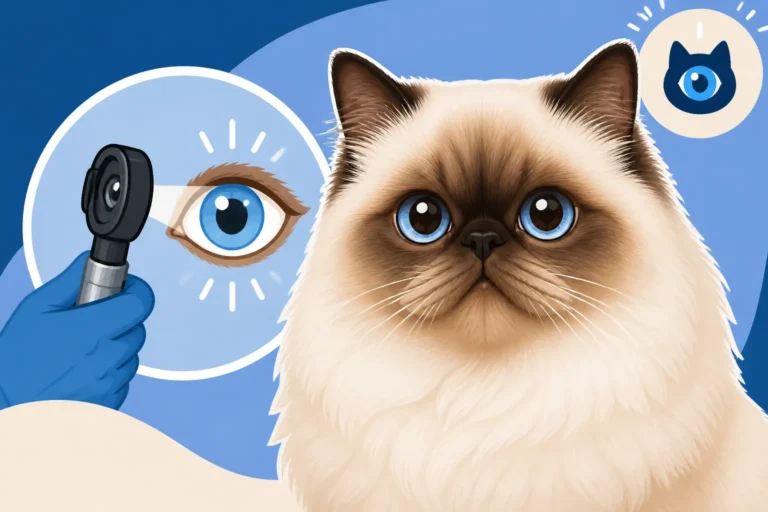
While genetic testing offers a definitive answer regarding the presence of the PKD1 gene, ultrasound screening plays a crucial complementary role, especially in certain situations. An ultrasound provides a visual assessment of the kidneys, allowing a veterinarian to actually see if cysts are present and, if so, their size and number. This can be particularly useful for older cats with unknown genetic history, or as a secondary confirmation.
For breeders, an ultrasound can sometimes detect cysts even before a genetic test result is available, or it can offer insight into the severity of the disease in a known positive cat. It's also invaluable for situations where a cat's genetic status is unclear, perhaps if they were adopted or if genetic testing wasn't available for their lineage. While genetic testing confirms the potential for cysts, ultrasound confirms their physical presence. This is why Why an Ultrasound Still Backs Up a Himalayan's Gene Test, especially in a breeding program setting or for an older cat, can be very important.
It’s important to note that very small cysts might not be visible on an ultrasound, particularly in younger cats. This is why genetic testing is considered the gold standard for diagnosis in breeding programs. However, for a cat that is suspected of having kidney issues, or as part of a comprehensive health check-up for an older Himalayan, an ultrasound provides critical information about the current state of their kidney health and the progression of any existing cysts.
Responsible Breeding Practices to Eradicate PKD1
The ultimate solution to PKD1 in Himalayans lies squarely with responsible breeding practices. It's a solvable problem, but it requires a commitment from breeders to prioritize health over other traits. The power to break the cycle of this devastating genetic disease rests in their hands, and it starts with rigorous testing and informed decision-making.
The cornerstone of eradicating PKD1 is mandatory genetic testing for all breeding cats. Every queen and stud in a cattery should have a clear PKD1 DNA certificate before being used for breeding. This isn't just a suggestion; it's a moral imperative. If a cat tests positive for the PKD1 gene, it should be immediately removed from the breeding program, regardless of how beautiful or desirable its other traits might be. This might sound harsh, but it's the only way to ensure future generations are free from this burden.
Furthermore, responsible breeders will only breed cats that have two clear parents. This strategy is critical because it ensures that there is no chance of the gene being passed down. Understanding Why Two Clear Parents End PKD in a Himalayan Line is the core principle. When both parents are genetically clear, 100% of their offspring will also be clear, effectively halting the transmission of the disease in that lineage. This proactive approach, coupled with transparency and providing test results to prospective buyers, is what distinguishes an ethical breeder from one who might unknowingly (or knowingly) perpetuate health problems. By consistently breeding only clear-tested cats, the prevalence of PKD1 within the Himalayan breed can, and should, become a thing of the past.
Living With a PKD1 Positive Himalayan
Discovering your beloved Himalayan is PKD1 positive can feel like a punch to the gut. The news is tough, but it's not a death sentence, especially with early detection and proactive management. Living with a PKD1 positive cat means committing to a journey of dedicated care, focusing on diet, veterinary oversight, and maintaining their quality of life. It’s a marathon, not a sprint.
Dietary Management for Kidney Health
One of the most impactful ways to support a PKD1 positive Himalayan, particularly as their kidney function begins to decline, is through careful dietary management. The right food can significantly slow the progression of kidney disease and alleviate symptoms, giving your cat more comfortable years. This isn't just about picking up any "senior" cat food; it requires a specialized approach.
Veterinarians will often recommend a prescription renal diet. These diets are specifically formulated with controlled levels of protein, phosphorus, and sodium, all of which are crucial for kidney health. Lowering phosphorus intake, in particular, is vital because damaged kidneys struggle to excrete it, leading to a dangerous buildup in the blood. The protein content is reduced but highly digestible, ensuring your cat still gets the essential amino acids they need without overworking their kidneys. This is exactly Which Renal Diet a Cyst Positive Himalayan Ends Up On and why it's a cornerstone of their care.
Beyond the specific nutritional profile, increasing your cat's moisture intake is paramount. Wet food is always preferred over dry kibble for cats with kidney disease, as it helps keep them hydrated and supports kidney function. If your cat is resistant to wet food, gradually transition them or add water to their kibble if they'll tolerate it. Always ensure they have access to fresh, clean water in multiple locations. Hydration is key to helping their struggling kidneys flush out waste products as effectively as possible.
Veterinary Care and Symptom Management
Living with a PKD1 positive Himalayan necessitates a close partnership with your veterinarian. Regular check-ups are no longer just routine; they become critical monitoring opportunities to track the progression of the disease and adjust management strategies as needed. It's an ongoing commitment to their well-being.
Your vet will likely recommend frequent blood work, usually every 3-6 months, to monitor key kidney indicators like SDMA (Symmetric Dimethylarginine) and creatinine. SDMA is an especially useful early marker for kidney function decline, often elevated even before creatinine levels rise significantly. These blood values, along with urine specific gravity tests, provide a comprehensive picture of how well their kidneys are functioning. Tracking How a Himalayan's Kidney Numbers Are Tracked From Five helps your vet intervene at the earliest signs of worsening function.
As the disease progresses, your cat might need medications to manage secondary symptoms. This could include anti-nausea drugs to improve appetite, phosphate binders to reduce phosphorus absorption, or even medications to manage high blood pressure, which is common in kidney disease. In advanced stages, subcutaneous fluid therapy (fluids given under the skin at home) can be incredibly beneficial for hydration and flushing toxins. While these treatments can add up, having pet insurance like Healthy Paws can be a real lifesaver, helping to cover the costs of these ongoing veterinary expenses and making sure your beloved Himalayan gets the best possible care without you having to worry as much about the financial burden.
Ensuring Quality of Life
Beyond the medical and dietary interventions, ensuring a high quality of life for your PKD1 positive Himalayan is paramount. This means focusing on their comfort, emotional well-being, and adapting their environment to meet their changing needs. It's about letting them be a cat, despite their health challenges.
Create a comfortable, low-stress environment for your cat. Ensure they have warm, cozy sleeping spots, easy access to food and water bowls, and a clean litter box. As kidney disease progresses, cats can become more sensitive to changes and stress, so maintaining a consistent routine can be very reassuring. Monitor their behavior closely; any sudden changes in appetite, energy levels, or litter box habits should prompt a call to your vet. Being attuned to these subtle shifts is crucial for early intervention.
Recognize that managing a chronic illness like PKD1 takes an emotional toll on owners too. It's okay to feel sad, frustrated, or worried. Providing palliative care and making difficult decisions about their quality of life, especially as the disease progresses, is one of the hardest parts of pet ownership. However, knowing you've done everything possible to make their life comfortable and happy, even with a challenging diagnosis, is a testament to your love. The journey of Living With a Himalayan That Inherited the Persian Kidney Gene is certainly challenging, but also deeply rewarding when you prioritize their comfort and happiness.
| Feature | Genetic (DNA) Test for PKD1 | Ultrasound Screening for PKD1 |
|---|---|---|
| Purpose | Detects presence of the PKD1 gene mutation | Visualizes kidney cysts and assesses kidney structure |
| Method | Cheek swab (DNA sample) | Non-invasive imaging using sound waves |
| Age for Testing | Any age (even very young kittens) | Typically 6 months or older for reliable cyst detection |
| Results | Definitive "positive" or "negative" for the gene | Identifies visible cysts; may miss microscopic cysts |
| Breeding Use | Essential for screening breeding stock to eradicate the gene | Useful for confirmation, assessing disease progression, and screening older cats with unknown genetic history |
| Limitations | Doesn't tell you the severity or current kidney function | Can miss very small cysts; relies on sonographer skill |
| Cost | Generally a one-time fee per cat for the genetic test | Varies; can be more expensive, often requires follow-up scans |
Disclaimer
The information provided in this article is for educational and informational purposes only, and does not constitute veterinary advice. Always consult with a qualified veterinarian for any health concerns or before making any decisions about your pet's health or treatment.