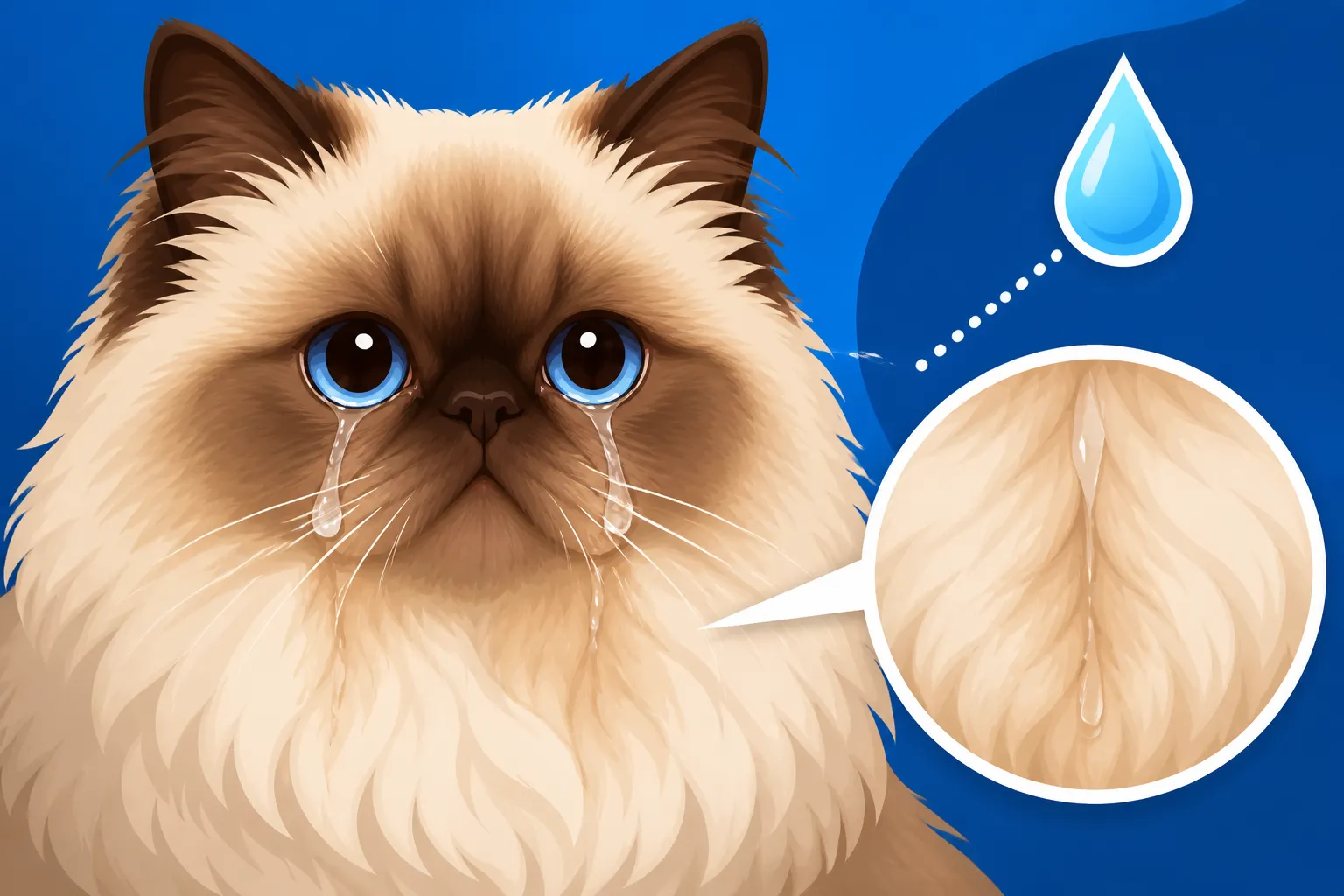
Why a Himalayan’s Tears Run Onto Its Ruff
It's incredibly frustrating, and often quite heartbreaking, to see those beautiful, expressive blue eyes of your Himalayan constantly streaming with tears, leaving reddish-brown trails down their pristine ruff. You try to keep them clean, you wipe and wipe, but it feels like a losing battle, and you worry if it's normal or a sign of something more serious. This comprehensive guide will delve into the specific reasons why Himalayans are prone to watery eyes and tear staining, helping you understand the underlying causes and equipping you with practical strategies to manage this common breed characteristic.
The Unique Anatomy of a Himalayan's Face
Himalayan cats are renowned for their stunning long coats, distinctive color points, and perhaps most famously, their flat, expressive faces. While undeniably adorable, this unique facial structure, known as brachycephaly, is the primary reason why many Himalayans experience chronic tear staining. It's not just a cosmetic issue; it's a direct consequence of how their delicate facial bones and soft tissues are arranged.
The Brachycephalic Structure and Tear Ducts
Think of the Himalayan's face as a beautifully condensed design. This shortened, broad skull means that everything in the facial area is compressed, including the intricate system responsible for tear drainage. Unlike cats with longer muzzles, where tear ducts follow a relatively straight path from the eye to the nasal cavity, a Himalayan's ducts often have a more tortuous, convoluted route. They can be narrow, kinked, or even partially obstructed right from birth, making it difficult for tears to drain properly into the nose. This structural challenge is often called epiphora, which simply means an overflow of tears. The tears have nowhere to go but down the face, eventually running right onto their beautiful, often pale, ruff. It’s a constant battle against gravity and genetics for these cats.
Shallow Eye Sockets and Prominent Eyes
Another significant anatomical factor is the Himalayan's relatively shallow eye sockets. Their eyes tend to be large and prominent, often appearing quite round and full. While contributing to their sweet, innocent expression, this prominence leaves the eyes more exposed to the environment. They're more susceptible to irritation from dust, drafts, or even just the air drying out the surface of the eye. When an eye gets irritated, even mildly, its natural response is to produce more tears to try and flush out the irritant. For a Himalayan, this increase in tear production, coupled with already inefficient drainage, means a guaranteed overflow. It's a double whammy: more tears are produced, and fewer can be effectively drained away, leading to that tell-tale dampness around the eyes and along the facial fur. This constant moisture sets the stage for staining and other skin issues.
Common Causes of Excessive Tearing (Epiphora)
While the Himalayan's brachycephalic anatomy is a major predisposer, several specific issues within that structure, and sometimes external factors, exacerbate the problem of tears running onto their ruff. Understanding these distinct causes can help you better identify what might be contributing to your cat's particular situation.
Blocked or Malformed Tear Ducts
As we touched on, the tear ducts, or nasolacrimal ducts, are often the primary culprits. In many Himalayans, these tiny drainage tubes are either too narrow, have sharp bends, or are completely blocked. Sometimes, the opening where the tears are supposed to enter the duct (the puncta) can be too small or even sealed shut, a condition known as imperforate puncta. Imagine trying to drain a sink with a clogged or bent pipe; the water just backs up and overflows. That's essentially what's happening with your Himalayan's tears. When tears can't flow down into the nasal cavity, they have no option but to spill over the lower eyelid and run down the fur. This is a common and often lifelong challenge for the breed, making daily cleaning an absolute necessity. Even if the ducts are not completely blocked, their inefficient structure means they often can't handle the normal volume of tear production, especially if there's any slight increase due to irritation. For some Himalayans, the issue is not just drainage, but the quality of the tear film itself, which might not adhere properly to the eye, causing it to pool and run off.
Eyelid Abnormalities: Entropion and Ectropion
Beyond the tear ducts, the eyelids themselves can play a significant role. Entropion is a condition where the eyelid, usually the lower one, rolls inward towards the eyeball. This causes the eyelashes and surrounding fur to constantly rub against the delicate surface of the eye (the cornea). This friction is incredibly irritating and uncomfortable, leading to excessive tear production as the eye tries to lubricate and protect itself. If you notice your Himalayan squinting, rubbing their eyes, or showing signs of pain in addition to the tearing, entropion could be the cause. It's a painful condition that often requires surgical correction to prevent further damage to the eye.
Conversely, ectropion is when the eyelid rolls outward, exposing the sensitive conjunctiva (the pink tissue lining the inner eyelid) and the eye itself. While less common in Himalayans than entropion, an outwardly rolled lid can create a pocket where tears collect and spill over, rather than draining naturally. It also leaves the eye more vulnerable to dust, debris, and dry air, all of which trigger increased tearing. Both of these conditions highlight how the precise structure of the eyelids is crucial for proper tear management, and any deviation in a brachycephalic breed can lead to chronic epiphora and staining. If you're observing Why a Himalayan's Eyes Water All Day, these eyelid issues are definitely worth investigating with your vet.
Irritation from Facial Folds and Hairs
Himalayans, particularly those with the flatter Peke-face profile, often have prominent facial folds or wrinkles around their nose and eyes. These folds can trap moisture, dirt, and bacteria, creating a damp, warm environment that's perfect for skin irritation and even infection, which can then trigger more tearing. Furthermore, their luxuriant long fur, a hallmark of the breed, can also contribute to the problem. The long hairs around the eyes and on the bridge of the nose can act like wicks, drawing tears away from the eye and down the face and onto the ruff. These damp hairs then rub against the skin, causing further irritation.
The fur also creates a perfect breeding ground for yeast and bacteria, which thrive in moist conditions. This secondary infection, often appearing as reddish-brown discoloration, is what truly makes the staining so persistent and unsightly. Even meticulous daily cleaning might struggle if the underlying cause is irritation from constantly damp fur pressing against sensitive skin. You might even notice that this issue is more pronounced if your Himalayan has a particularly heavy ruff, which can make it harder to keep the area around the eyes dry. This is especially true for Himalayans with a What a Peke Face Himalayan's Profile Measures, where the folds are more pronounced compared to a What a Doll Face Himalayan's Profile Measures.
Understanding Tear Stains and Their Impact
Those unsightly reddish-brown streaks aren't just cosmetic; they're a clear indicator of constant moisture and can have deeper implications for your Himalayan's health and comfort. It's more than just a discolored coat; it's a dynamic environment on your cat's skin that needs diligent attention.
The Role of Porphyrins and Bacteria in Reddish Stains
So, what exactly makes those tear stains so stubbornly reddish-brown? It's primarily due to compounds called porphyrins. Porphyrins are iron-containing waste products produced when the body breaks down red blood cells. These compounds are excreted through tears, saliva, and urine. When clear tears containing porphyrins are exposed to sunlight, they oxidize and turn that characteristic rust color. This is why the stains can look quite dramatic on lighter-colored coats, especially on a cream-bodied Himalayan. It's a natural biochemical process that, unfortunately, leads to a very visible result.
However, porphyrins are only part of the story. The constant dampness from overflowing tears creates an ideal breeding ground for yeast and bacteria. One of the most common culprits is the yeast Malassezia, which can flourish in moist, warm environments, contributing to the reddish-brown discoloration and often a distinct, sometimes unpleasant, odor. Certain bacteria can also proliferate, further darkening the stains and exacerbating skin irritation. It’s this combination of oxidized porphyrins and microbial growth that makes the stains so persistent and gives them their distinctive hue. This is the core of What Turns a Himalayan's Tear Stains Rust Colored.
Impact on Skin Health and Coat Appearance
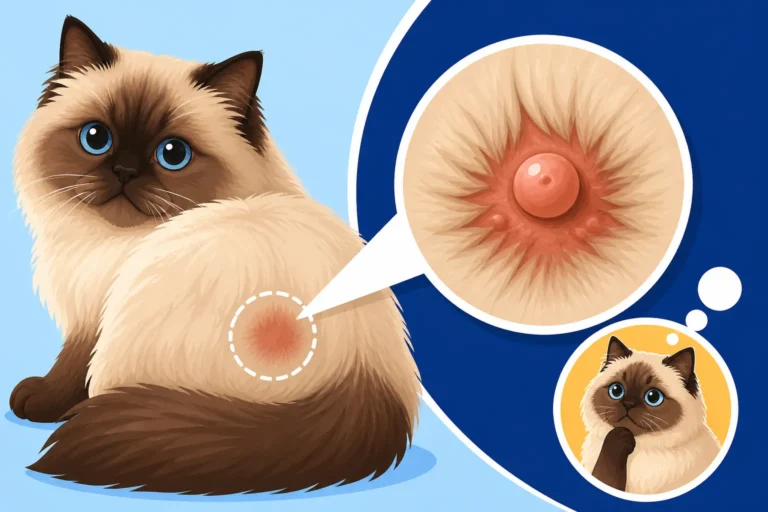
Beyond the immediate cosmetic impact, chronic tear staining can lead to significant skin problems for your Himalayan. The constant moisture and the presence of bacteria and yeast can cause irritation, inflammation, and even painful skin infections, often referred to as "fold dermatitis" or "pyoderma." The skin under those damp streaks can become red, raw, itchy, and even develop sores. This isn't just uncomfortable for your cat; it can be truly painful. If the area becomes infected, you might notice a stronger, more yeasty odor, or even signs of discomfort when you try to clean the area.
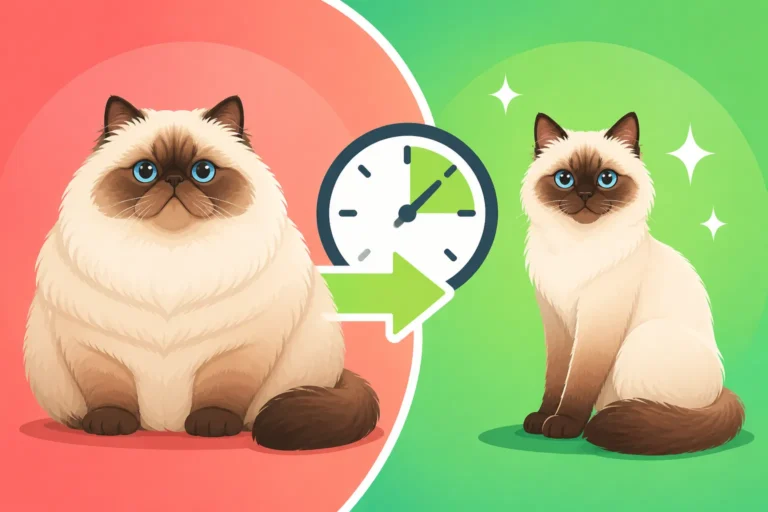
Furthermore, the long, luxurious coat of a Himalayan is particularly susceptible to matting when constantly wet and stained. The fur around the eyes and on the ruff can become stiff, crusty, and tangled, creating tight mats that pull on the skin. These mats not only look terrible but can also trap more moisture and debris, worsening skin irritation and making cleaning even more difficult. A heavily matted ruff can even restrict your cat's movement or cause significant discomfort. It's a vicious cycle where tears lead to staining and matting, which then leads to more irritation and potential infection. This is why it's so important to manage the issue proactively, not just for aesthetics, but for your cat's overall health and well-being.
Managing and Preventing Tear Staining
Addressing tear staining effectively requires a multi-pronged approach that combines diligent daily care with environmental adjustments and, when necessary, veterinary intervention. It's about breaking that cycle of irritation and moisture, and committing to a consistent routine.
Daily Cleaning Routines and Products
The absolute cornerstone of managing tear staining in Himalayans is a consistent daily cleaning routine. This isn't just a suggestion; it's a necessity. Aim to clean the area around your cat's eyes at least once, preferably twice, a day. Use soft, lint-free cotton pads or a clean, damp cloth. Plain warm water is often sufficient for minor staining, but there are also specialized cat-safe tear stain removers available. Look for products specifically designed for cats, free from harsh chemicals, peroxides, or bleaching agents that can irritate their delicate eyes. Some popular choices include Eye Envy, Angels' Eyes Topical Wipes, or Vetericyn Plus Antimicrobial Ophthalmic Gel. Always follow the product instructions carefully.
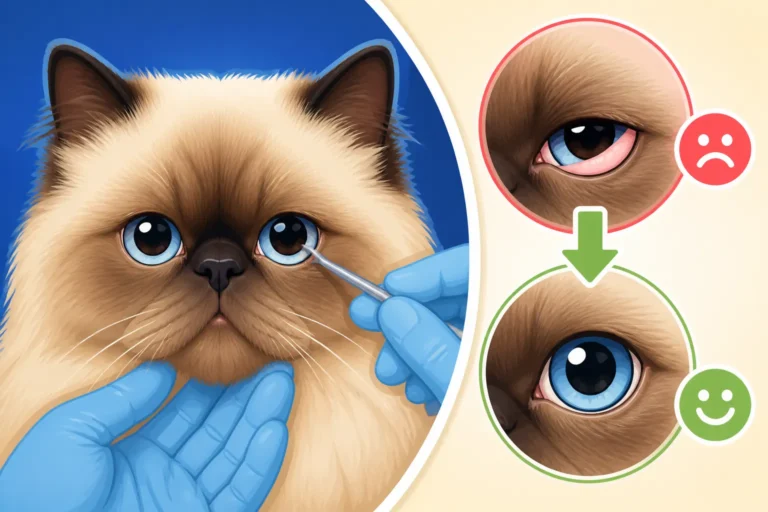
When cleaning, gently wipe away crusts and dampness from the inner corner of the eye, moving outwards. Be extremely careful not to touch the eyeball itself. After cleaning, it's crucial to gently dry the area thoroughly with a fresh, clean cotton pad or tissue. Leaving the area damp only invites further bacterial and yeast growth. Regular wiping helps remove porphyrins before they oxidize and prevents the build-up of moisture that leads to secondary infections. Consistency is key here; a missed day can quickly lead to a significant worsening of the stains, as outlined in Why a Himalayan's Face Needs Cleaning Every Morning.
Environmental and Dietary Considerations
Sometimes, environmental factors can contribute to increased tearing. Dust, strong cleaning product fumes, cigarette smoke, or even certain airborne allergens can irritate your cat's eyes, prompting more tear production. Try to keep your home as dust-free as possible, use air purifiers if needed, and avoid spraying aerosols or strong cleaners near your Himalayan. Their sensitive brachycephalic airways and eyes are very susceptible to irritants.
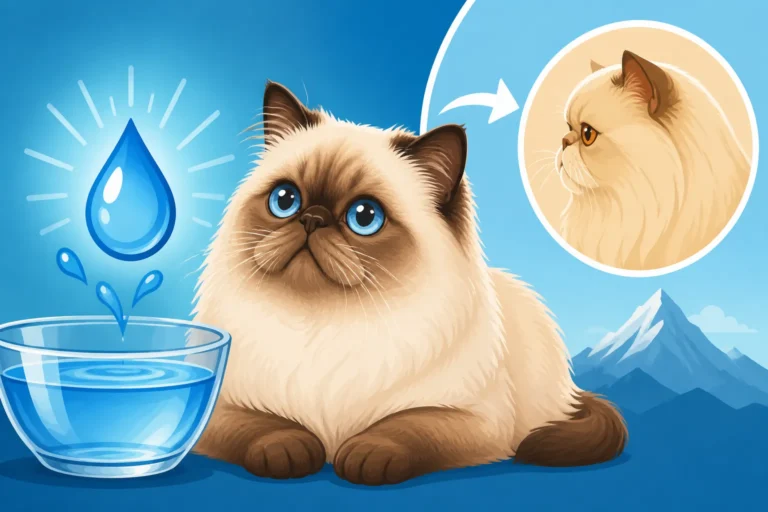
Diet can also play a subtle role. Some theories suggest that certain ingredients or water quality can contribute to porphyrin levels or yeast growth, but scientific evidence is mixed. However, ensuring your Himalayan has access to fresh, filtered water in a shallow, wide bowl (which prevents their ruff from getting soaked when drinking) is always a good practice. Some owners report success with purified or distilled water, or adding a probiotic supplement to their cat's food. Certain food dyes or artificial ingredients found in some cat foods are also speculated to contribute to staining, though this is anecdotal. Choosing a high-quality, balanced diet without unnecessary fillers is always beneficial for overall health, and might indirectly help with tear staining. While not a guaranteed fix, optimizing their environment and diet can be part of a holistic approach to minimize How Tear Staining Marks a Himalayan's Pale Body Coat.
When to Seek Veterinary Intervention
While routine tear staining is a common part of owning a Himalayan, there are definite red flags that warrant a trip to the veterinarian. If you notice any sudden increase in tearing, a change in the color or consistency of the discharge (e.g., yellowish or greenish pus), squinting, redness, swelling, excessive rubbing of the eyes, sensitivity to light, or if your cat seems to be in pain, these are all signs of a potential underlying problem that needs professional attention. It could be an eye infection, a corneal ulcer, or even a more serious issue like glaucoma.
Your vet will conduct a thorough eye examination. They might use a special stain (fluorescein) to check for corneal abrasions or ulcers, or perform a Schirmer tear test to measure tear production. They can also use a special dye (fluorescein) to check the patency of the tear ducts to see if they are blocked. In some cases, flushing the tear ducts under sedation might be attempted to clear minor blockages, as discussed in Whether Flushing a Himalayan's Tear Ducts Achieves Anything. If eyelid abnormalities like entropion are present, surgery might be recommended to correct the issue and prevent chronic irritation and potential vision problems. Don't hesitate to seek veterinary advice; early intervention can prevent more severe complications and ensure your beloved Himalayan is as comfortable as possible.
Living with a Tear-Prone Himalayan
Embracing the reality of a tear-prone Himalayan means integrating specific care practices into your daily life. It’s a commitment, but one that ensures your cat remains comfortable, healthy, and looking their best despite their genetic predispositions.
Grooming the Ruff to Minimize Staining
Beyond daily wiping, strategic grooming of your Himalayan's ruff can significantly help manage tear staining. The long, dense fur around their face and neck acts like a sponge, soaking up overflowing tears and wicking them down the coat, which then leads to that persistent discoloration and matting. Consider carefully trimming the hair immediately around the eyes and on the bridge of the nose. This should only be done with blunt-nosed scissors and extreme caution, or, ideally, by a professional groomer who is experienced with flat-faced breeds. Removing this excess hair can prevent it from wicking tears and reduce irritation to the eyes.
Regular combing and brushing of the entire ruff are also essential to prevent mats from forming in the already damp, sticky fur. Mats create pockets of moisture and can pull on the delicate skin, exacerbating irritation. A fine-toothed steel comb is excellent for working through the ruff and keeping it free of tangles. If the ruff is severely stained or matted, a gentle trim (a "lion cut" for the body, leaving the ruff) might be necessary to allow the skin underneath to breathe and heal. Remember, keeping the fur dry and clean is paramount, so a well-groomed ruff is not just for aesthetics but for preventing How Fold Dermatitis Starts Beside a Himalayan's Nose.
Long-Term Care and Financial Planning
Owning a Himalayan cat with a predisposition to tear staining means committing to a lifetime of proactive care. This isn't a one-time fix; it's an ongoing management strategy. Regular vet check-ups are crucial, not just for general health, but specifically to monitor their eye health and address any potential complications early on. These visits will likely include discussions about their tear ducts, eyelid health, and any signs of infection.
Financially, it’s wise to factor in the cost of daily cleaning supplies (wipes, solutions), potential prescription eye drops, and periodic veterinary consultations for their eyes. If surgery is ever needed for entropion or tear duct flushing, these procedures can be an additional expense. Many owners find value in pet insurance, like Healthy Paws, to help manage unexpected veterinary costs, especially for a breed known for certain predispositions. While a good pet insurance plan from providers like Healthy Paws can help with unforeseen medical needs, routine preventative care, including daily wiping and grooming, will always be a part of your budget when caring for a Himalayan. Preparing for these ongoing needs ensures you can provide the best possible care for your beautiful companion throughout their life.
Distinguishing Normal Tearing from Infection
It's a fine line sometimes, trying to figure out if your Himalayan's eyes are just "doing their normal Himalayan thing" or if there's a genuine problem brewing. Knowing the difference can save you a lot of worry and ensure your cat gets the right care at the right time.
Recognizing the Signs of Eye Infections
While some degree of clear, watery discharge and reddish-brown staining is common for Himalayans, there are definite signs that point to an eye infection or other serious issue. If the discharge changes from clear to thick, cloudy, yellowish, or greenish, that's a major red flag indicating pus and infection. Another sign to watch for is excessive blinking, squinting, or holding one eye partially or completely shut. This often means pain or extreme discomfort.
Look closely at the whites of their eyes and the conjunctiva (the pink membranes inside the eyelids); if they appear significantly red, swollen, or inflamed, it's likely more than just routine staining. Your cat might also be pawing at their face more frequently, rubbing their eyes, or showing sensitivity to light. A strong, unpleasant odor coming from the stained area can also be a sign of bacterial or yeast overgrowth. If you notice any of these symptoms, it's time for an immediate vet visit. These aren't just cosmetic issues; they indicate a potential health problem that needs prompt medical attention to prevent further damage or discomfort for your feline friend. Understanding Telling Ordinary Himalayan Tear Staining From an Infection is crucial for their well-being.
The Importance of Regular Vet Checks for Eye Health
Because Himalayans are so prone to eye issues due to their unique facial structure, regular veterinary check-ups that specifically include an thorough eye examination are non-negotiable. Even if your cat isn't showing any obvious signs of infection, a vet can spot subtle changes, assess the patency of their tear ducts, and check for early signs of conditions like entropion, corneal ulcers, or other issues that might not be immediately apparent to you. Early detection is key for many eye conditions, as it allows for quicker intervention and often better outcomes.
Your vet can also offer personalized advice on the best cleaning products, techniques, and any dietary or environmental adjustments specific to your cat's needs. They can also demonstrate how to safely clean the eye area and administer any prescribed drops or ointments. Building a good relationship with a vet who is knowledgeable about brachycephalic breeds means you have a trusted partner in managing your Himalayan's unique health challenges. Consistent care, combined with professional oversight, ensures that those beautiful blue eyes remain as healthy and comfortable as possible throughout their life. Don't underestimate the power of an expert eye to catch problems before they become severe, potentially even helping to choose the right preventative care that might be covered by pet insurance like Healthy Paws.
Disclaimer
The information provided in this article is for general informational purposes only and is not intended as a substitute for professional veterinary advice, diagnosis, or treatment. Always seek the advice of your veterinarian or other qualified health provider with any questions you may have regarding a medical condition or the health and welfare of your pet.