Whether Flushing a Himalayan’s Tear Ducts Achieves Anything
If you're a Himalayan cat parent, you know the constant battle with tear stains. It's frustrating to see those reddish-brown streaks marring your beautiful cat's face, making you feel like you're constantly falling behind on their grooming. You've likely tried every wipe, every dietary change, and wondered if there's a more permanent fix, like flushing their tear ducts. This guide is here to shed some light on tear duct flushing for Himalayans, explaining what it is, when it's considered, and what you can realistically expect from the procedure.
The Real Reason Behind Your Himalayan's Watery Eyes
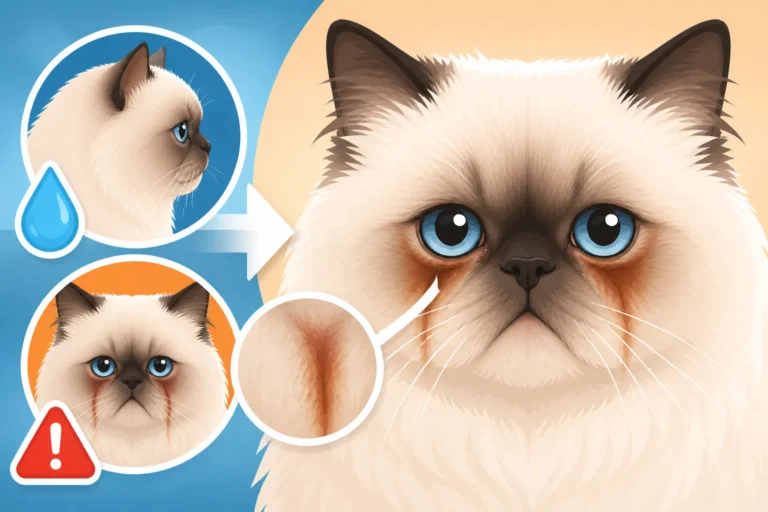
It’s easy to feel like your Himalayan is just particularly prone to watery eyes, and you wouldn't be wrong. Their unique facial structure, which we adore so much, is often the primary culprit behind those persistent tear stains and the underlying tear duct issues.
The Unique Himalayan Face and Tear Production
Let's be honest, your Himalayan's face is utterly captivating. Those large, round, expressive blue eyes and that sweet, flattened nose are part of what makes them so special. However, these very features, a hallmark of the breed, are also the main reason for their struggles with epiphora, or excessive tearing. Unlike cats with longer muzzles, a Himalayan's brachycephalic (flat-faced) skull means their tear ducts, known as nasolacrimal ducts, are often kinked, narrowed, or even completely blocked.
Imagine a garden hose with a permanent bend in it – the water just can't flow through freely. That's often what's happening with your Himalayan's tear ducts. Tears are produced constantly to keep the eye lubricated and flush out irritants. In a normally structured cat, these tears drain efficiently through the ducts into the nasal cavity. For Himalayans, that path is obstructed. Instead of draining internally, the tears overflow onto the face, settling into the fur around the eyes and nose. This damp environment is a breeding ground for yeast and bacteria, which cause the characteristic reddish-brown staining.
Whether you have a darling Doll Face Himalayan, whose profile is still quite distinct, or a more extreme Peke Face Himalayan, whose profile measures flatter, this anatomical predisposition is a constant challenge. The shape of their skull dictates the path of those ducts, and often, it's just not ideal for drainage. This is why you might feel like you're fighting an uphill battle; it's not a hygiene issue, but a structural one.
Beyond Anatomy: Other Causes of Excessive Tearing
While their beautiful face is a major factor, it's crucial to remember that other issues can exacerbate or even cause excessive tearing in Himalayans. It's not always just a simple case of anatomy, and these other factors might be more easily addressed.
Sometimes, it's something as simple as environmental irritants. Dust, pollen, strong perfumes, or even certain cleaning products can irritate your cat's sensitive eyes, leading to increased tear production. Think about how your own eyes water when you're around something irritating – cats are no different. Keeping their living environment clean and free of airborne irritants can make a surprising difference.
Allergies are another common culprit. Just like people, cats can suffer from environmental or food allergies that manifest as itchy, watery eyes, alongside other symptoms like skin irritation or digestive upset. If you notice your Himalayan rubbing their eyes frequently, or if the tearing comes and goes with certain seasons or foods, it’s worth discussing allergy testing with your vet.
Then there are specific eye conditions. One common issue for Himalayans is entropion, where the eyelid rolls inward, causing the eyelashes to rub against the cornea. This is incredibly irritating and painful, leading to constant tearing and potentially corneal ulcers. Another possibility is conjunctivitis, an inflammation of the conjunctiva (the lining around the eye), which can be caused by bacteria, viruses, or allergies. Your vet will be able to diagnose these conditions during a thorough eye exam. It's also worth noting that the large, exposed nature of their blue eyes can make them more susceptible to minor irritations. These issues highlight why a vet visit is always the first step to rule out treatable medical conditions before assuming it's solely anatomical.
The Procedure of Tear Duct Flushing: What It Entails
When the persistent tear staining seems to defy all home care efforts, and your vet has ruled out other medical issues, tear duct flushing might come up as a possible next step. It sounds like a straightforward fix, but it's important to understand that it's a medical procedure, not a quick spa treatment for your feline friend.
The Vet's Approach: Anesthesia, Cannulation, Saline Flush
Tear duct flushing, formally known as nasolacrimal duct irrigation, is performed by a veterinarian, usually under general anesthesia. This isn't something that can be done while your cat is awake, as it requires absolute stillness and can be uncomfortable. The anesthesia ensures your Himalayan is completely relaxed and pain-free throughout the procedure, minimizing stress for both your cat and the veterinary team.
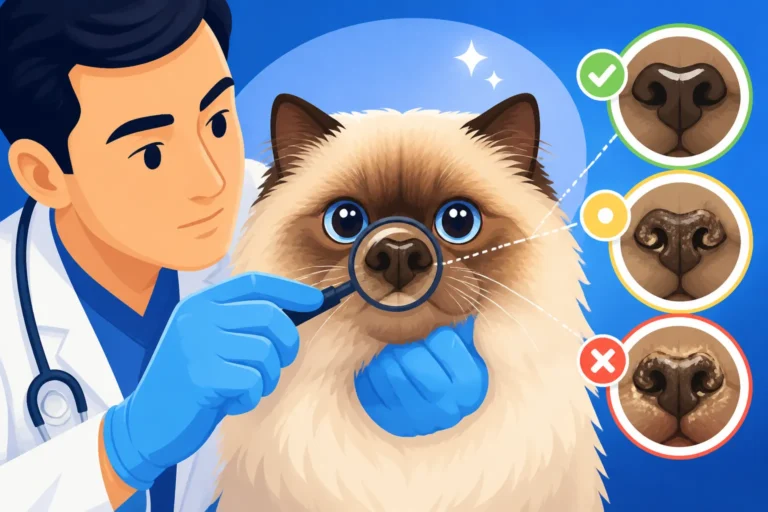
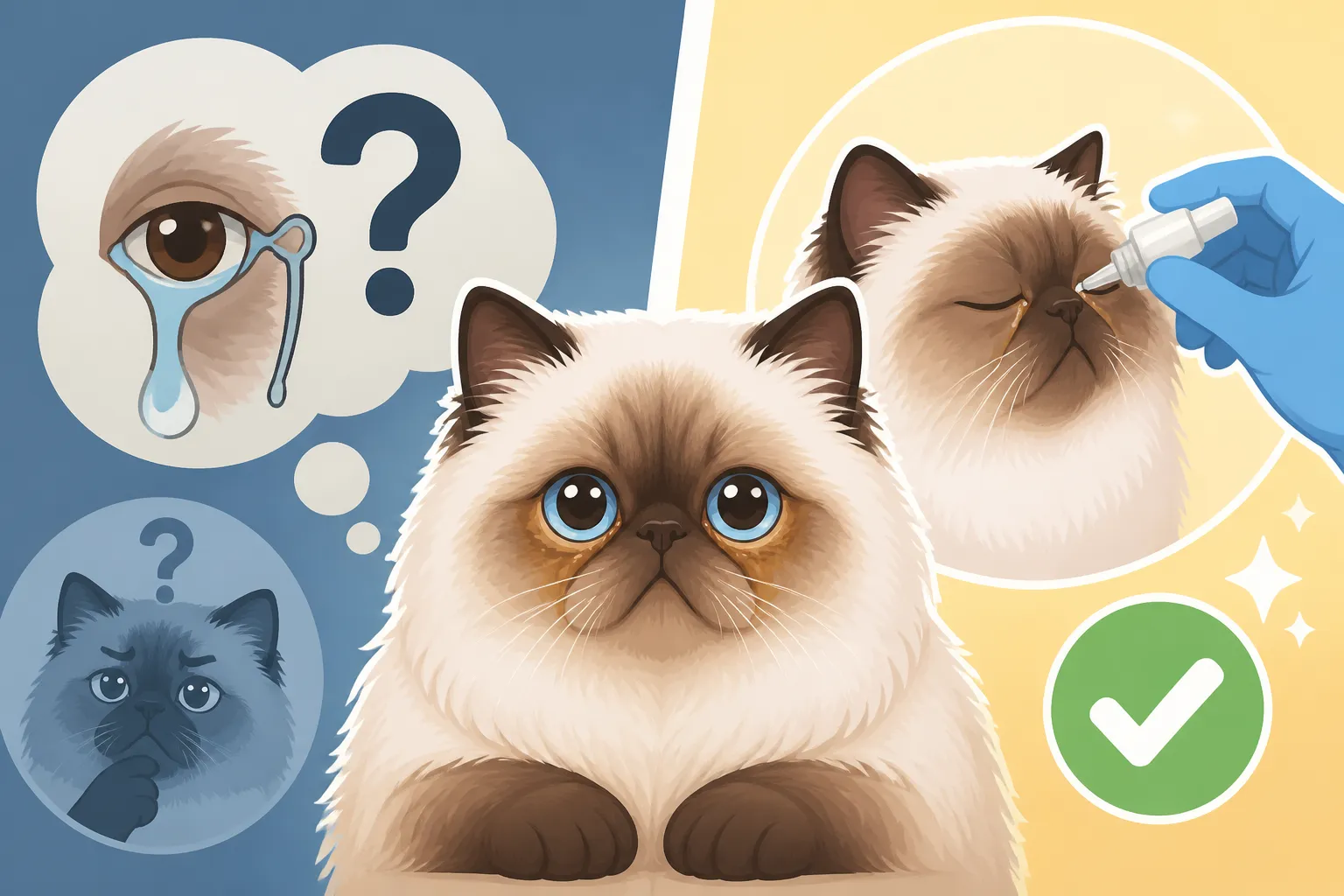
Once your cat is under anesthesia, the vet will carefully examine the eyes and the opening of the tear ducts, which are tiny pores located near the inner corner of each eye. They will then insert a very fine, blunt cannula (a small tube) into the punctum (the tear duct opening). This is a delicate process, as the ducts are tiny and easily damaged.
Sterile saline solution is then gently flushed through the cannula. The goal is for the saline to travel through the nasolacrimal duct, clear any obstructions (like dried mucus, cellular debris, or even small hairs), and exit through the nostril. Sometimes, a dye like fluorescein is used first to confirm if the duct is patent at all before attempting to flush. If the saline or dye comes out of the nostril, it confirms that the duct is open. If it doesn't, it indicates a complete blockage. The vet might gently massage the area around the duct to help dislodge any blockages. The entire process typically takes a short amount of time, but the recovery from anesthesia is the main consideration.
Potential Risks and Limitations
While tear duct flushing can offer temporary relief, it’s not without its risks or limitations, and it’s crucial to have realistic expectations. The procedure requires general anesthesia, which always carries some degree of risk, especially for brachycephalic breeds like Himalayans who can sometimes have more delicate airways. Your vet will perform pre-anesthetic blood work and a thorough physical exam to minimize these risks, but they are never zero. If you have pet insurance like Healthy Paws, it might help cover these diagnostic and procedural costs, easing your mind.
Beyond the anesthesia, there's the risk of local irritation or trauma to the delicate tear ducts during cannulation. While vets are incredibly careful, the ducts are fragile. More significantly, flushing often only provides temporary relief. Because the underlying anatomical issue – the narrow, kinked, or misshapen ducts – hasn't changed, blockages often recur. It’s like clearing a clogged drain that has a fundamental plumbing flaw; it’s likely to clog again. Some owners find their cat's ducts re-clog within a few weeks or months, leading to the same frustrating tear staining.
It’s also important to understand that flushing doesn't address every cause of tearing. If the issue is due to excessive tear production from allergies or ongoing eye irritation, merely clearing the duct won't stop the tears from flowing. Similarly, if the eyelid is rolling in (entropion), causing constant irritation, flushing the duct won't solve that core problem. Therefore, a thorough diagnostic work-up by your veterinarian or a veterinary ophthalmologist is essential to determine if flushing is even an appropriate course of action for your specific Himalayan.
Is Flushing a Long-Term Solution for Himalayans?
The short answer is, unfortunately, usually no. While flushing can be a very helpful diagnostic tool and provide temporary relief, it rarely offers a permanent fix for the anatomical challenges faced by most Himalayans.
Addressing the Root Cause vs. Symptom Management
The core issue for many Himalayans is not just a temporary blockage, but the physical structure of their tear ducts and surrounding facial anatomy. Flushing clears the existing debris or mucus, but it doesn't reshape the duct or widen its narrow passages. Think of it like continually bailing out a leaky boat without patching the hole – you might stay afloat for a while, but the problem will persist.
For some cats, especially those with mild or intermittent blockages, flushing might provide relief for an extended period, particularly if the blockage was due to something like a foreign body or thick mucus. However, for most Himalayans, where the duct is inherently narrowed or kinked, the likelihood of recurrence is high. This can lead to a cycle of repeated anesthetic procedures, which isn't ideal for your cat's long-term health or your wallet.
In cases of severe, chronic blockage due to anatomical issues that significantly impact the cat's comfort or lead to recurrent infections, a veterinary ophthalmologist might discuss more invasive surgical options. These procedures aim to create a new drainage pathway or widen existing ones, but they are complex, expensive, and not without their own set of risks and potential complications. They are typically reserved for the most severe cases where quality of life is significantly impacted, not just for aesthetic reasons related to tear staining. For most Himalayan owners, understanding that flushing is primarily a diagnostic and temporary symptomatic treatment rather than a definitive cure is key to managing expectations.
Daily Management Strategies for Tear Staining
Given that tear duct flushing often isn't a long-term solution, focusing on diligent daily home care is truly the bedrock of managing tear staining for your Himalayan. This isn't just about aesthetics; it's about preventing skin irritation and infections that can result from constant dampness.
The most crucial step is a consistent morning face routine. This means gently wiping your Himalayan's face every single day, sometimes even twice a day, to remove accumulated tears before they can stain and irritate the skin. You'll want to use soft, lint-free pads or cotton balls dampened with warm water, or a veterinarian-approved ophthalmic cleaning solution designed for cats. There are many products available specifically for cleaning around sensitive eyes. Always wipe away from the eye, being careful not to touch the eyeball itself. Drying the area thoroughly after cleaning is just as important, especially the folds around their nose, which can otherwise harbor moisture and lead to fold dermatitis. For a cream-bodied Himalayan, you know how quickly those stains show, so consistency is key.
Beyond cleaning, consider using a good quality, vet-recommended tear stain remover. While these won't stop the tearing, they can help break down the porphyrins (pigments in tears that cause the reddish-brown color) and make existing stains less noticeable. Be sure to choose products specifically formulated for cats and avoid anything with harsh chemicals or antibiotics, unless prescribed by your vet for an infection. Products like Eye Envy or Angels’ Eyes (applied topically, not the oral supplements) are popular choices, but always check with your vet first.
Diet can also play a role. Some owners find that feeding a high-quality, grain-free diet with limited ingredients can reduce inflammation and tear production. Ensure your cat's food and water bowls are shallow and wide to accommodate their flat face without bending their whiskers or getting their ruff soaked. Stainless steel or ceramic bowls are also preferred over plastic, as plastic can harbor bacteria. Keeping the area around the water bowl clean can also help prevent your Himalayan from soaking their ruff and inadvertently introducing more moisture and bacteria to their face.
Comparison of Tear Duct Flushing vs. Daily Home Care
| Feature | Tear Duct Flushing (Vet Procedure) | Daily Home Care (Owner Responsibility) |
|---|---|---|
| Primary Purpose | Diagnostic, temporarily clears ducts, can address acute blockages. | Prevents staining, skin irritation, and secondary infections; symptom management. |
| Invasiveness | Invasive (requires general anesthesia). | Non-invasive. |
| Cost | Significant (includes vet exam, anesthesia, procedure fees). | Low (cost of wipes, gentle cleansers, special bowls). |
| Frequency | Infrequent, if at all; only when medically necessary. | Daily, often multiple times a day. |
| Effectiveness | Temporary relief for anatomical issues; potentially curative for acute blockages. | Ongoing management, essential for long-term comfort and appearance. |
| Addresses Cause? | No, not for anatomical issues; Yes for acute foreign body/mucus blockages. | No, manages symptoms. |
| Risks | Anesthesia risks, duct irritation/trauma, recurrence. | Minimal if done gently; risk of skin irritation if products are harsh. |
Remember, your consistent efforts at home are truly what keep your beautiful Himalayan comfortable and looking their best, even if their eyes water all day.
When to Consider Tear Duct Flushing and What to Expect
The decision to pursue tear duct flushing is a significant one, and it's something you should always make in close consultation with your trusted veterinarian. It's not a routine procedure, and understanding when it's genuinely beneficial and what outcomes are likely is crucial.
Deciding with Your Vet: Prioritizing Your Cat's Health
Your vet is your best ally in navigating the complexities of your Himalayan's health. When it comes to tear duct flushing, they will consider several factors before recommending it. First, they'll want to rule out all other potential causes of excessive tearing, as mentioned earlier. This might involve a comprehensive eye exam, special eye drops to check for corneal ulcers, or even specific diagnostic tests if an infection or allergy is suspected. They will specifically look for issues like entropion, which might require a different intervention entirely.
Tear duct flushing might be considered in specific scenarios:
- Acute Blockage: If your cat suddenly develops severe tearing and discomfort, and a specific blockage is suspected (e.g., from an irritant, a specific clump of mucus), flushing might be the quickest way to clear it and restore comfort.
- Diagnostic Tool: Sometimes, flushing is performed not just to clear the duct, but to confirm whether the duct is patent at all. If the saline or dye doesn't come through, it gives your vet valuable information about the severity and location of the obstruction.
- Prior to Other Treatments: In rare cases, if a more involved surgical intervention is being considered for chronic anatomical issues, flushing might be done beforehand to get a clearer picture of the duct system.
However, if your Himalayan has chronic, mild tear staining that isn't causing any discomfort, infection, or vision problems, and it's clearly due to their brachycephalic anatomy, your vet might advise against flushing. The risks of anesthesia and the likelihood of recurrence often outweigh the potential benefits for purely aesthetic concerns. Always ask your vet for photos in profile to understand the underlying structure.
Managing Expectations and Financial Considerations
It's vital to have realistic expectations about tear duct flushing. For many Himalayans, it’s not a magic bullet that will permanently stop tear staining. It’s more likely to be a temporary measure that might need to be repeated, or a diagnostic step to understand the problem better. This ongoing need for care, whether it’s daily wiping or potential repeat procedures, is just part of loving and caring for this wonderful breed.
Financially, tear duct flushing can be a significant expense. The costs typically include the initial veterinary consultation, pre-anesthetic blood work, the anesthesia itself (which can be more complex for flat-faced breeds), the flushing procedure, and any post-procedure medications. These costs can vary widely depending on your location and your vet's fees. It's not uncommon for such a procedure to cost several hundred dollars, if not more. This is where having pet insurance like Healthy Paws can truly make a difference, as it can help cover a significant portion of diagnostic tests and procedures, giving you peace of mind to make the best decisions for your furry family member without undue financial stress. Understanding the costs associated with even routine care, like cleaning a Himalayan's crowded mouth, can help you budget for unforeseen medical needs. The overall cost of a Himalayan from kitten to fifteen years old can be substantial, so planning for potential health expenses is always wise.
Ultimately, your Himalayan is a cherished member of your family, a delightful companion who loves to be a lap cat and make little chirping sounds. Managing their tear staining is an ongoing commitment, and while flushing tear ducts can be a part of that journey for some, it's often the consistent, loving daily care that truly makes the most difference in their comfort and well-being.
Disclaimer
This article is intended for informational purposes only and does not constitute medical advice. Always consult with a qualified veterinarian for any health concerns or before making any decisions about your pet's medical care.