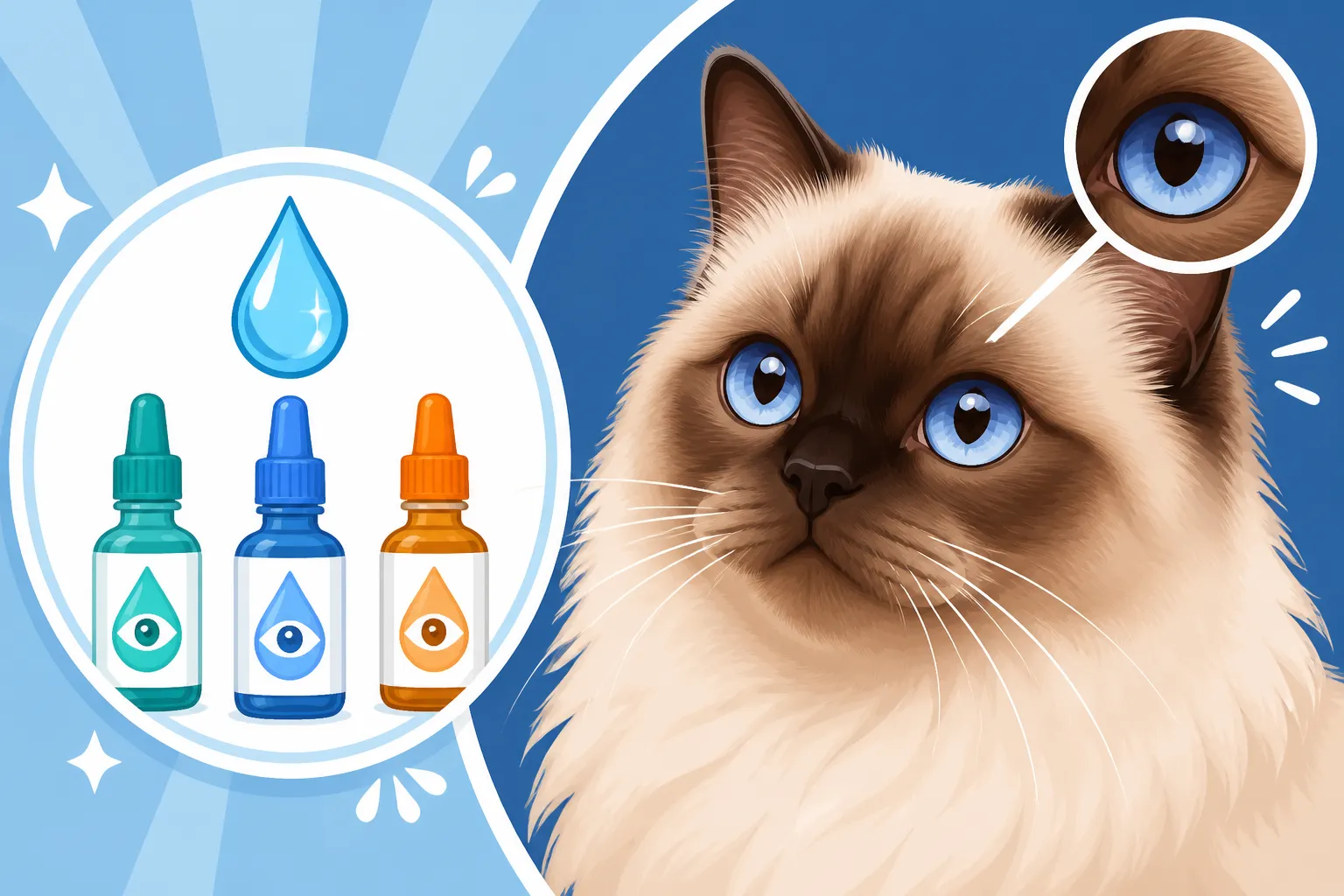
Which Drops Suit a Himalayan’s Exposed Blue Eyes
It’s a familiar sight for any Himalayan cat parent: those beautiful, wide blue eyes, perhaps a bit watery, or showing faint rust-colored streaks of tear stains running down their delicate faces. Our beloved flat-faced felines are incredibly endearing, but their unique facial structure often leaves their eyes more exposed and vulnerable than other breeds, leading to a host of common, albeit often minor, irritations. Finding the right eye drops to keep their peepers healthy and comfortable can feel like navigating a maze, but don't worry—this guide is here to help you understand which options are suitable for your Himalayan's exposed blue eyes and when to reach for them.
Understanding the Himalayan's Unique Eye Vulnerability
The very features that make our Himalayans so distinctive are often the source of their eye challenges. It's not just about aesthetics; their breed standard dictates certain physical traits that directly impact ocular health.
The Distinctive Facial Structure and Eye Placement
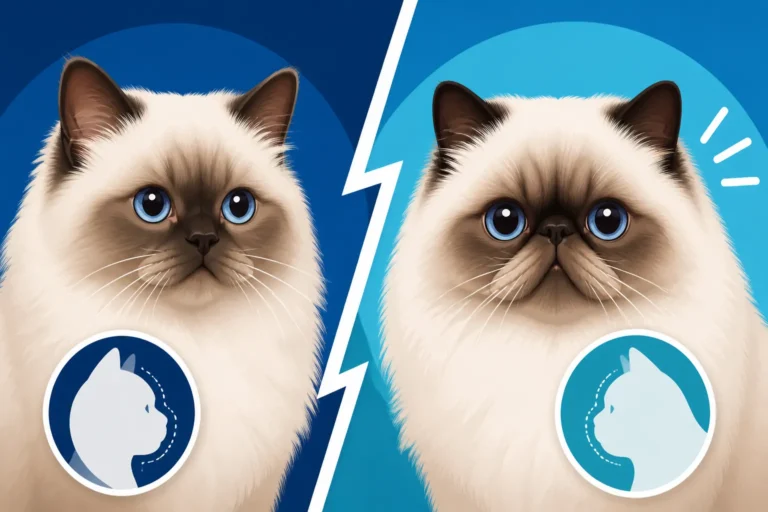
Himalayans, being a colorpoint variety of the Persian breed, inherit that wonderful, cobby body and, crucially, the brachycephalic, or flat-faced, conformation. This means their skull is shorter and broader, pulling their nose up and their eyes forward. Imagine trying to keep your eyes perfectly moist when they sit so prominently on your face, without the deeper sockets or longer muzzles that provide natural protection for other cat breeds. Their large, round, expressive eyes are a hallmark of the breed, but this prominence leaves them more exposed to the environment.
This shallow orbital socket can lead to a condition known as exophthalmos, where the eyeball protrudes slightly. It's not always a dramatic bulging, but even a subtle degree means the eyelids might not fully cover the eye when blinking or sleeping. This constant exposure accelerates the evaporation of the tear film – the natural liquid layer that keeps the eye lubricated and protected. Think of it like trying to keep a window clean and clear in a dusty environment; it's a constant battle against the elements. Their delicate lower eyelids can also sometimes roll inwards, a condition called entropion, which causes lashes to rub against the eye, a truly uncomfortable experience that requires veterinary attention. To learn more about this particular issue, you might want to read our article on What Entropion Does to a Himalayan's Blue Eye.
How Blue Eyes and Lack of Pigment Factor In
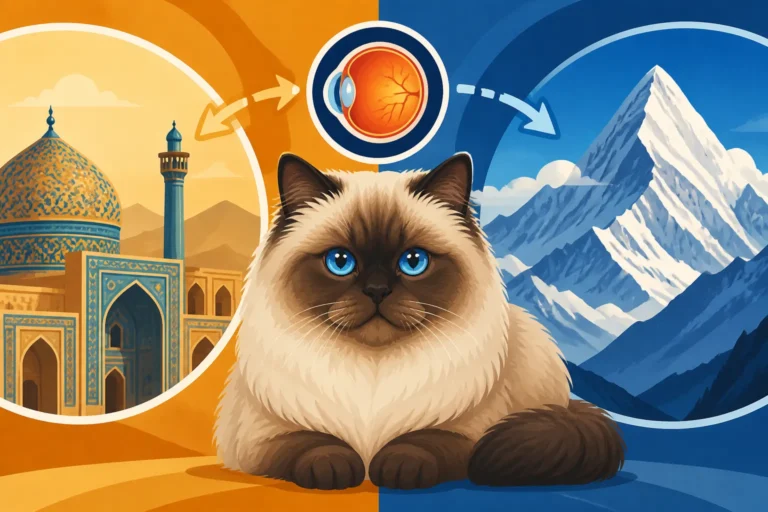
Another defining characteristic of Himalayans is their stunning blue eyes. This beautiful trait is directly linked to the same gene that gives them their colorpoint pattern, meaning their extremities are darker than their body. What many owners don't realize is that blue eyes often come with a reduced amount of pigment in the iris and surrounding tissues, which can make their eyes more sensitive to light, both natural sunlight and even bright indoor lighting.
This reduced pigmentation can also extend to the eyelids themselves. Paler eyelids, or a lack of dark protective pigment, offer less natural protection against harmful UV rays and can make the delicate skin around the eyes more prone to irritation. Imagine how a fair-skinned person might be more sensitive to bright light; it's a similar principle for our Himalayans. While their blue eyes are part of their charm, understanding this sensitivity is key to providing them with the best care, especially when they might be basking in a sunny window or under bright lights.
Common Eye Concerns Resulting from Exposure
Because of their unique facial structure, Himalayans are unfortunately predisposed to several ocular issues. Being aware of these common concerns can help you spot potential problems early and know when to intervene.
Chronic Dryness and Irritation
The constant exposure of a Himalayan's eyes means the tear film, which is vital for lubrication and protection, evaporates more quickly than it would in a cat with deeper eye sockets or a more pronounced muzzle. This isn't always the classic "dry eye" (Keratoconjunctivitis Sicca or KCS) you might hear about in other breeds, which involves a failure to produce enough tears. For Himalayans, it’s often about the quality and retention of tears. Even if they produce a normal amount, if it evaporates too fast, the eye surface can become dry and irritated.
Symptoms of chronic dryness can be subtle at first: perhaps a little more blinking than usual, a slight redness along the eyelid margins, or a tendency to rub their face. Over time, this constant irritation can lead to more serious issues if not addressed. The eye might try to compensate by producing more tears, leading to a cycle of overflow and then rapid evaporation, never quite achieving adequate lubrication. It's a frustrating situation for both cat and owner, as you try to balance the need for moisture with the reality of their facial structure.
Excessive Tearing and Tear Staining
Paradoxically, many Himalayans experience excessive tearing, known as epiphora, despite having exposed eyes that might otherwise seem prone to dryness. This happens because their tear ducts, which drain tears from the eye into the nasal cavity, are often curved, kinked, or even completely blocked due to the flattened facial structure. The tears have nowhere to go but to overflow onto the face. You'll often notice this as persistent wetness around the inner corners of their eyes, creating distinct "tear tracks." Our guide on Why a Himalayan's Eyes Water All Day delves deeper into this phenomenon.
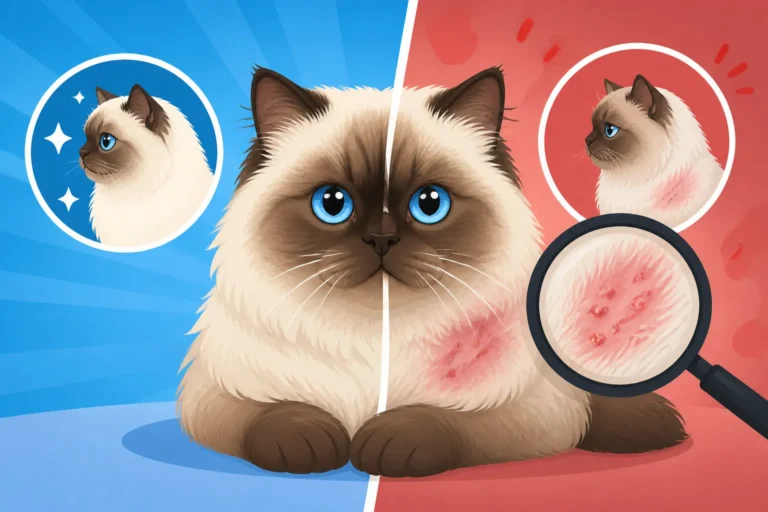
This constant moisture isn't just a cosmetic issue. The warm, damp environment beneath the eyes is a perfect breeding ground for yeast and bacteria. When these microorganisms thrive, they produce porphyrins, which are iron-containing pigments that turn the clear tears into that stubborn, reddish-brown stain so common on pale-bodied Himalayans. If left unchecked, this dampness can lead to skin irritation, inflammation, and even painful dermatitis in the delicate folds of their face. It’s a battle against both moisture and microbial growth, and understanding how to manage it is crucial for their comfort and cleanliness. You can learn more about how this staining marks their coat in How Tear Staining Marks a Himalayan's Pale Body Coat.
Increased Risk of Corneal Issues
The exposed nature of a Himalayan's eyes, coupled with potential irritation from overflowing tears or even inward-growing eyelashes, significantly increases their risk for corneal problems. The cornea, the clear outer layer of the eye, is highly susceptible to injury. A simple scratch from a playful paw, an accidental brush against furniture, or even dust particles can cause a corneal abrasion. Because their eyes are so prominent, they simply don't have the same level of protection that deeper-set eyes enjoy.
If these abrasions aren't detected and treated promptly, they can quickly escalate into more serious conditions like corneal ulcers, which are open sores on the eye surface. These are incredibly painful and can lead to permanent vision impairment or even loss if infection sets in. It’s critical to be vigilant for any signs of discomfort—squinting, pawing at the eye, redness, or cloudy discharge. Should you ever suspect such an injury, remember that Why a Himalayan's Eye Injury Cannot Wait Until Monday emphasizes the urgency of veterinary care. Early intervention is key to preventing long-term damage.
Navigating the World of Eye Drops for Himalayans
When it comes to treating your Himalayan's eyes, not all drops are created equal. It’s important to understand the different types available and when each is appropriate. Never assume that what works for you or another pet is safe for your delicate Himalayan.
When to Use Over-the-Counter Saline or Lubricating Drops
For daily maintenance and addressing mild, non-infectious irritation, over-the-counter (OTC) saline and lubricating eye drops can be a real lifesaver for your Himalayan. These are generally safe for routine use and can help flush away irritants and provide much-needed moisture.
Sterile Saline Solutions: These are essentially purified water with a balanced salt content (sodium chloride) to mimic natural tears. They contain no medications and are primarily used for gently flushing the eye.
- Purpose: Ideal for rinsing out dust, loose hairs, or minor debris that might get into your Himalayan's exposed eyes. They can also offer temporary relief from mild, generalized irritation.
- What to Look For: Always choose sterile, preservative-free saline solutions whenever possible. Preservatives, while helping to prevent bacterial growth in the bottle, can sometimes be irritating to a sensitive cat's eye with prolonged use. Brands like Purilens or simple sterile saline eyewash intended for contact lens rinsing (but not contact lens solution which often contains other chemicals) can be good options.
- Usage: A few drops, once or twice a day, can help keep the eye surface clean and reduce accumulated irritants.
Lubricating Eye Drops (Artificial Tears): These drops are formulated to mimic the natural tear film and provide a longer-lasting layer of moisture on the eye's surface.
- Purpose: Excellent for addressing chronic dryness caused by tear evaporation and for providing ongoing comfort to exposed eyes. They help keep the cornea hydrated and protected.
- What to Look For: Seek out products designed specifically for animals, or discuss human artificial tear brands with your vet. Ingredients like hypromellose, carboxymethylcellulose, or hyaluronic acid are common and effective. Again, preservative-free single-use vials are often preferred for daily, long-term use. Popular human brands like Refresh Tears or Systane often have veterinary equivalents or are recommended by vets, but always check with your vet first to ensure the exact formulation is safe.
- Usage: Depending on the severity of dryness or exposure, these can be used several times a day to maintain optimal lubrication.
It's crucial to understand that these OTC drops are for symptom relief and prevention of minor issues, not for treating infections or serious injuries. If you see signs of pain, discharge, or worsening redness, it's time for professional veterinary care.
Prescription Drops for Specific Conditions
When your Himalayan’s eye issues go beyond simple irritation or dryness, over-the-counter solutions just won't cut it. This is where your veterinarian steps in, prescribing specific medicated eye drops tailored to the underlying problem. Ignoring persistent symptoms and relying solely on OTC remedies can lead to worsening conditions and long-term damage.
Antibiotic Eye Drops:
- Purpose: These are prescribed to treat bacterial eye infections, such as conjunctivitis or infected corneal ulcers. They work by killing or inhibiting the growth of bacteria.
- Examples: Common veterinary antibiotic drops include those containing tobramycin, neomycin, polymyxin B, or erythromycin.
- Important Considerations: Antibiotics are specific to bacteria; they won't help with viral or fungal infections. It's vital to complete the entire course of treatment, even if symptoms improve quickly, to prevent recurrence and antibiotic resistance. Never use old antibiotic drops or drops prescribed for another animal, as this can be dangerous and ineffective. If you're seeing signs like thick, colored discharge, significant redness, or swelling, it’s likely an infection, and a vet visit is paramount.
Anti-inflammatory Eye Drops:
- Purpose: These drops reduce inflammation and swelling in the eye, which can be caused by allergies, trauma, or certain immune-mediated conditions. They can make your cat much more comfortable by alleviating pain and reducing redness.
- Examples: Non-steroidal anti-inflammatory drugs (NSAIDs) like ketorolac, or corticosteroids like prednisolone acetate, are commonly used.
- Important Considerations: Steroidal anti-inflammatory drops are potent and must be used with extreme caution, only under strict veterinary guidance. They can be incredibly detrimental if there’s an undiagnosed corneal ulcer, as they can prevent healing and even worsen the ulcer. This is why a thorough examination, often including a fluorescein stain to check for ulcers, is absolutely necessary before any steroid-containing drop is prescribed.
Immunomodulator Drops (e.g., Cyclosporine or Tacrolimus):
- Purpose: These drops are typically prescribed for chronic dry eye (KCS) where the cat's immune system attacks its own tear glands, reducing tear production. They work by suppressing this immune response and stimulating natural tear production.
- Important Considerations: These are often used long-term, sometimes for the cat's entire life, to manage KCS. They require consistent application and regular re-evaluation by your vet to monitor effectiveness and adjust dosage. While KCS is less common in Himalayans than epiphora, it's a possibility, and these drops can be game-changers for affected cats.
Always remember that prescription eye drops are powerful medications. They require a diagnosis from your vet, and strict adherence to their instructions regarding dosage and frequency. If you notice any adverse reactions, or if your cat's condition doesn't improve, always contact your veterinarian immediately. When serious eye issues arise, having pet insurance like Healthy Paws can provide significant peace of mind, helping to cover the costs of diagnostics and specialized medications.
What to Avoid in Eye Drops
Just as important as knowing what to use is knowing what not to use. Many human eye drops, or even those marketed generally for pets, contain ingredients that can be harmful or irritating to your Himalayan’s sensitive eyes.
First and foremost, never use human eye drops without explicit veterinary approval. While some human artificial tears are deemed safe, many contain preservatives, vasoconstrictors (which reduce redness by constricting blood vessels), or other active ingredients that are either toxic or highly irritating to cats. For instance, drops designed to "get the red out" often contain naphazoline or tetrahydrozoline, which can cause serious systemic side effects in cats if absorbed, or local irritation to the eye itself. Their mechanisms are designed for human physiology, not feline.
Secondly, avoid any drops that contain harsh chemicals, dyes, or fragrances. These are completely unnecessary for eye health and can cause severe allergic reactions or chemical burns to the delicate ocular tissues. The eye is incredibly sensitive, and any unnecessary additives are potential irritants.
Thirdly, steer clear of remedies found online or in forums that promise miracle cures for tear stains and involve unverified ingredients. Many of these products contain antibiotics or other potent chemicals that should never be used without a veterinary prescription. Chronic, unregulated antibiotic use can lead to antibiotic resistance and can mask serious underlying issues that require proper diagnosis. Furthermore, some ingredients might whiten the fur by bleaching it, which is incredibly dangerous if it gets into the eye itself.
Lastly, do not self-diagnose and treat an eye infection or injury. If you see any signs of infection (pus-like discharge, swelling, pain) or suspect an injury (squinting, pawing, visible damage), a vet visit is not optional. As we discussed earlier regarding What a Corneal Ulcer Looks Like on a Blue Eyed Himalayan, some conditions, like ulcers, can be severely worsened by the wrong type of drop (e.g., steroids). Always consult your veterinarian for an accurate diagnosis and appropriate prescription. Relying on unsafe or inappropriate products can cause irreversible damage to your cat’s vision and comfort.
Best Practices for Eye Drop Application and Ongoing Care
Administering eye drops to a cat, especially one as discerning as a Himalayan, can be a challenge. But with the right technique and a consistent routine, it becomes a manageable part of their daily care.
Step-by-Step Guide to Applying Drops Safely
Applying eye drops might seem daunting at first, but with a calm approach and a bit of practice, you’ll become a pro.
- Preparation is Key: Gather everything you need: the eye drops, a clean towel, and perhaps a small treat for after. Choose a quiet, well-lit area where your cat feels secure, like a favorite spot on the couch or a table. If your cat is particularly squirmy, you might want to wrap them gently in a towel (a "kitty burrito") to keep their paws safely tucked away and prevent them from scratching you or the bottle.
- Positioning Your Himalayan: Gently hold your cat’s head. If you’re right-handed, use your left hand to cup their chin, tilting their head slightly upwards. Use the thumb of that hand to gently pull down the lower eyelid, creating a small "pocket."
- Applying the Drops: With your dominant hand, hold the eye drop bottle between your thumb and forefinger, making sure not to touch the tip of the bottle to your cat’s eye or any other surface. This prevents contamination. Bring the bottle close to the eye, but not directly over it, aiming for the lower lid pocket. Squeeze the prescribed number of drops into the eye. A good tip is to approach from behind their head, rather than directly in front, so they don’t see the bottle coming and get scared.
- Allowing Absorption: Once the drops are in, release your cat's head and allow them to blink naturally. This helps distribute the medication across the eye surface. Resist the urge to wipe immediately.
- Positive Reinforcement: Offer praise, gentle strokes, and that special treat immediately after. This helps them associate the process with a positive outcome, making future applications easier.
- Consistency: Stick to the prescribed schedule. Consistency is crucial for the drops to be effective. If your cat is truly resistant, don’t hesitate to ask your vet for tips or demonstration. For some cats, two people might be needed: one to gently hold the cat, and one to administer the drops.
Remember, patience and a gentle touch go a long way. Building trust around this routine is essential for their long-term eye health.
Daily Maintenance Beyond Drops
While eye drops are essential for managing specific conditions, a holistic approach to daily eye care and overall well-being is paramount for your Himalayan. Their unique facial structure demands consistent attention far beyond just squirting drops.
First, regular cleaning of their tear tracks and facial folds is non-negotiable. As we discussed, their overflowing tears and flattened faces create damp pockets where bacteria and yeast can thrive, leading to staining and skin irritation. Every morning, as part of The Morning Face Routine Every Himalayan Needs, gently wipe their eyes and the surrounding area with a soft, damp cloth or a pet-specific eye wipe. Look for wipes that are fragrance-free and contain mild, non-irritating ingredients. For deeper cleaning of the actual nose fold, ensure it's kept dry and clean to prevent fold dermatitis. Our article on What Happens If a Himalayan's Nose Fold Stays Damp explains why this is so critical.
Second, consider their diet and environment. High-quality food can support overall health, including skin and coat health, which indirectly impacts tear staining. Some owners find that certain ingredients can exacerbate tear staining, so observe if any dietary changes correlate with increased staining. Ensure their living environment is as dust-free as possible, regularly vacuuming and cleaning to minimize airborne irritants that can get into their exposed eyes.
Third, routine veterinary check-ups are vital. Even if your Himalayan seems fine, regular visits allow your vet to spot subtle changes or potential problems before they become serious. They can assess tear production, check for early signs of corneal issues, and examine their overall eye health. The question of How Often a Himalayan's Eyes Should Be Examined is not a trivial one; these routine checks are crucial preventative measures. This is where a comprehensive pet insurance plan, such as one from Healthy Paws, can truly be invaluable. It ensures that you're never in a position of having to choose between your cat's health and your budget for these essential preventative care and potential diagnostic services.
Finally, ensure their grooming includes careful attention to the fur around their eyes. Long hair can sometimes wick tears onto the face, creating more staining, or even irritate the eye itself. A gentle trim of any stray hairs that might brush against the cornea can be beneficial, but always do this with extreme caution or have a professional groomer handle it.
Recognizing When to Seek Veterinary Help
Knowing when to administer simple over-the-counter drops versus when to rush to the vet is critical for your Himalayan's eye health. While minor irritation can often be managed at home, certain symptoms demand immediate professional attention. Never hesitate to contact your veterinarian if you're unsure. It's always better to be safe than sorry, especially when it comes to vision.
Immediate veterinary attention is required for:
- Sudden onset of pain: Squinting, holding an eye closed, excessive blinking, or pawing at the eye are clear signs of discomfort and potential pain.
- Visible injury: If you see a scratch, puncture, or foreign object in the eye, do not try to remove it yourself. This needs professional handling.
- Changes in eye appearance: Cloudiness in the cornea, a visible ulcer (which may look like a divot or cloudy spot, sometimes picked up by a green stain at the vet), a bulging eye, or a noticeably swollen eyelid are all red flags.
- Abnormal discharge: While clear tearing can be normal for Himalayans, thick, yellow, green, or bloody discharge indicates an infection or serious injury. As we discussed in Telling Ordinary Himalayan Tear Staining From an Infection, distinguishing between cosmetic staining and infection is vital.
- Sudden vision loss: Bumping into furniture, disinterest in toys, or a hesitant gait can indicate a problem with vision.
- Redness that doesn't improve: If the whites of the eyes or the conjunctiva (pink tissue lining the eyelids) are very red and don't improve with gentle cleaning or saline flushing within 12-24 hours, it's time for a vet visit.
For any of these more serious symptoms, home remedies or over-the-counter drops are not sufficient. Delaying veterinary care can lead to permanent damage, chronic pain, or even loss of the eye. Your veterinarian has the diagnostic tools, such as fluorescein stains, tonometry (to check eye pressure), and ophthalmoscopes, to accurately diagnose the problem and prescribe the correct treatment. Having a reliable pet insurance provider like Healthy Paws can alleviate the financial stress that often comes with emergency vet visits and specialized eye care, allowing you to prioritize your Himalayan's immediate needs.
In summary, the beautiful, expressive eyes of your Himalayan require vigilant care. By understanding their unique vulnerabilities, knowing when to use appropriate eye drops, practicing consistent daily hygiene, and recognizing when to seek professional help, you can ensure your beloved companion enjoys clear, comfortable vision for years to come.
Here's a quick overview of common eye drop types for easy reference:
| Type of Drop | Purpose | Key Ingredients | When to Use (OTC/Rx) | Important Notes |
|---|---|---|---|---|
| Sterile Saline | Flushing debris, mild irrigation | Sodium chloride, purified water | OTC | No medicinal properties; safe for daily flushing; preservative-free preferred. |
| Lubricating Eye Drops | Chronic dryness, artificial tears | Hypromellose, Carboxymethylcellulose, Hyaluronic Acid | OTC | Mimics natural tears; provides moisture; preservative-free options ideal for long-term use. |
| Antibiotic Drops | Bacterial eye infections (e.g., conjunctivitis, ulcers) | Tobramycin, Neomycin, Polymyxin B, Erythromycin | Prescription | Requires vet diagnosis; do not use for viral issues; complete the full course. |
| Anti-inflammatory Drops | Reduce swelling, pain from inflammation/allergies | NSAIDs (e.g., Ketorolac), Corticosteroids (e.g., Prednisolone) | Prescription | Vet diagnosis crucial; never use steroids if an ulcer is present; careful monitoring needed. |
| Immunomodulator Drops | Chronic dry eye (KCS) | Cyclosporine, Tacrolimus | Prescription | Suppresses immune response, stimulates tear production; often long-term treatment. |
Disclaimer
The information provided in this article is for general informational purposes only, and does not constitute veterinary advice. Always consult with a qualified veterinarian for any health concerns or before making any decisions related to your pet's medical care.