Why a Himalayan’s Lower Canines Show
It can be quite startling to look at your beautiful Himalayan and notice that their lower canine teeth seem to be constantly peeking out, almost like little fangs. It’s a common worry for many Himalayan parents, seeing those prominent teeth and wondering if it's normal, if it hurts them, or if it's a sign of a bigger problem. This guide will delve deep into why these lovely cats often display their lower canines, exploring the unique anatomy that contributes to this characteristic and what you can do to ensure your furry friend stays healthy and comfortable.
Understanding the Unique Himalayan Jaw Structure
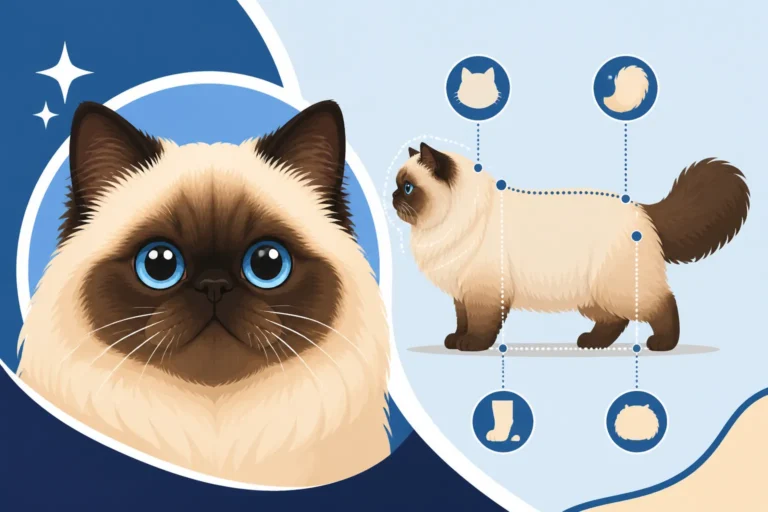
The Himalayan cat, with its undeniably charming flat face and luxurious coat, carries a unique set of anatomical traits that distinguish it from many other breeds. While these features contribute to their adorable appearance, they also bring about specific considerations, especially concerning their dental health. The visible lower canines are a direct consequence of this distinct facial structure.
The Brachycephalic Legacy: More Than Just a Flat Face
Our beloved Himalayans are a blend of the elegant Persian and the vocal Siamese, and they inherited a significant trait from their Persian lineage: brachycephaly. This fancy word simply means "short-headed." Think about it – that sweet, flat face that melts our hearts is the result of selective breeding that has shortened the bones of the skull, particularly the muzzle and jaw. While this look is highly prized, it means that all the structures that would normally fit into a longer snout are now compressed into a much smaller space.
This isn't just about aesthetics; it has profound implications for their internal anatomy. When you picture a typical cat's head, you envision a certain proportion and length to the muzzle. For a Himalayan, that length is drastically reduced. Imagine trying to fit a standard-sized car engine into a compact car – something has to give, or at least be reconfigured. In a Himalayan's case, their teeth, which haven't necessarily shrunk in size to match the shortened jaw, are the main components that face this challenge. This brachycephalic structure is why you might wonder What a Doll Face Himalayan's Profile Measures or What a Peke Face Himalayan's Profile Measures, as the degree of flatness plays a significant role in these dental considerations. This breed characteristic is also a major reason Why Show Himalayans Drifted Toward the Flatter Face over time.
How a Shortened Jaw Crowds a Himalayan's Teeth
With a significantly shorter upper and lower jaw, the Himalayan's mouth becomes a bit of a jigsaw puzzle where not all the pieces quite fit. Cats, like us, have a set number of teeth, and nature designed them to occupy a certain amount of space. When that space is dramatically reduced due to the shortened jaw, the teeth end up being far more crowded than in a cat with a standard muzzle length.
This crowding leads to a cascade of issues. Teeth may rotate, overlap, or erupt at odd angles. The roots might be pushed closer together, making them more susceptible to problems. The most visible manifestation of this crowding, especially from the outside, is often seen in the lower canines. Because the lower jaw is shortened, and the upper jaw might not meet it in a perfectly aligned bite, these relatively long and sharp canine teeth have limited space to reside entirely within the mouth when closed. They often protrude outwards or upwards, becoming constantly visible. This issue can also impact the other teeth, leading to questions like How Crowded a Himalayan's Lower Jaw Gets in general. This compression means that the elegant, natural fit between the upper and lower dental arches, often referred to as a "scissor bite" in many breeds, is frequently compromised in Himalayans.
Why Those Lower Canines Make an Appearance
It’s not just a random quirk; there are very specific anatomical and genetic reasons why your Himalayan's lower canines might be more prominent. It's a combination of jaw structure, tooth size, and the way everything aligns – or rather, misaligns – in that charming, flat face.
The Angle of the Mandible: A Structural Predisposition
The mandible, or lower jaw, of a Himalayan cat often has a slightly different angle and curve compared to a cat with a longer muzzle. In a standard cat, the lower jaw typically curves gently upwards, allowing the lower canine teeth to slot neatly behind the upper canine teeth when the mouth is closed. This provides protection for the lower canines and keeps them from protruding.
However, in many Himalayans, because of the overall shortening and reshaping of the skull, the lower jaw might not angle quite as steeply upwards, or its overall length is simply insufficient to tuck those canines away. Instead, they might be more vertical, or the angle allows them to sit slightly forward of where they "should" be, leading them to pierce the lip line or sit permanently outside the upper lip. This anatomical variation is a direct result of the brachycephalic breeding. It’s part of the package that comes with that adorable flat face, making those lower canines a common sight. Understanding What a Persian Jaw Does to a Himalayan's Bite can shed more light on these structural nuances.
Overcrowding and Displacement: Where Do the Teeth Go?
Beyond the mandible's angle, the sheer lack of space within the Himalayan's mouth is a primary culprit. Imagine all of a cat's teeth—incisors, canines, premolars, and molars—all trying to fit into a jaw that's significantly shorter than what nature intended. Something has to give. The canine teeth, being the largest and longest in the cat's mouth, are often the first to feel the squeeze.
When there isn't enough horizontal space, these teeth get pushed, rotated, or displaced. Sometimes, they simply can't find a proper spot to sit flush with the gumline or align correctly with the opposing jaw. This means they might erupt at a slightly outward angle, or the crowding around them forces them forward, making them visible even when the mouth is closed. It's not just the canines that suffer; other teeth can become impacted, leading to further dental complications down the line. This relentless pressure and displacement of teeth is a major reason How Many Teeth a Himalayan Has Lost by Ten can be higher than in other breeds.
Beyond Aesthetics: Potential Health Implications
While those visible lower canines might look a bit fierce or simply distinctive, it's crucial to understand that they can sometimes lead to practical and health challenges for your Himalayan. It's not just a cosmetic trait; it’s an anatomical variation that warrants attention.
One of the most immediate concerns is irritation or injury to the soft tissues of the mouth. If the protruding lower canines consistently rub against the upper lips, gums, or even the roof of the mouth, it can cause chronic irritation, sores, or ulcers. Imagine having something sharp constantly poking the inside of your cheek – it would be uncomfortable and potentially lead to infection. For some Himalayans, these constant pressure points can be quite painful, affecting their ability to eat comfortably or even just relax.
Furthermore, malocclusion – the improper alignment of the teeth – can make it more difficult for your cat to chew their food effectively. They might struggle with certain kibble shapes or sizes, or even wet food can become messy as they try to manipulate it in their mouth. This can lead to digestive issues if food isn't properly broken down, or simply a less enjoyable eating experience. It's something many owners find themselves addressing by looking for Which Bowl Shape a Flat Faced Himalayan Can Use.
Lastly, dental hygiene becomes a bigger challenge. Crowded or misaligned teeth are much harder to keep clean. Food particles and plaque can easily accumulate in the tight spaces, leading to faster build-up of tartar, gum disease (gingivitis), and eventually more severe periodontal disease. This is why regular dental care is paramount for Himalayans. An insurer like Healthy Paws understands these breed-specific challenges and often provides comprehensive coverage options for dental issues, which can be a real lifesaver when dealing with the unique needs of a Himalayan's mouth. These potential issues underscore Why a Himalayan Needs Dentals Earlier Than a Siamese.
Managing and Addressing Visible Lower Canines
Discovering that your Himalayan has visible lower canines can be concerning, but thankfully, there are steps you can take, from daily home care to professional veterinary interventions, to ensure your cat remains healthy and comfortable. The key is proactive management and keen observation.
Daily Care and Observation: What Owners Can Do at Home
Your role as a Himalayan owner involves a bit more hands-on care, especially when it comes to their oral health. Start by making a habit of gently examining your cat's mouth regularly. You don't need to be a vet, but knowing what's "normal" for your cat allows you to spot changes early. Look for any signs of redness, inflammation, or sores on the lips, gums, or roof of the mouth where the canines might be rubbing. Pay attention if your cat seems hesitant to eat, drops food, or shows discomfort when touching their face.
Daily brushing, while challenging for some cats, is the gold standard for preventing plaque and tartar buildup. Invest in a cat-specific toothbrush and toothpaste (never use human toothpaste!). Even if you can only manage a quick swipe on the outer surfaces of the teeth, it makes a difference. For Himalayans, this can be particularly tricky due to their crowded mouths. If brushing isn't feasible, dental wipes or dental rinses can help. Also, consider dental treats, though always ensure they are appropriately sized for a flat-faced cat to avoid choking hazards. This preventative approach is vital given their predisposition to dental issues. Remember, a quick daily check can save a lot of heartache down the road.
When to Seek Veterinary Advice: Recognising Red Flags
While visible lower canines are common, not all cases are benign. Knowing when to call your vet is crucial. You should seek veterinary advice promptly if you observe any of the following:
- Bleeding or Redness: Any persistent redness, inflammation, or bleeding around the canines, lips, or gums.
- Sores or Ulcers: Visible sores, raw spots, or ulcers where the canines make contact with soft tissues. These can be quite painful.
- Difficulty Eating: If your cat is dropping food, showing pain when eating, or noticeably struggling to chew.
- Excessive Drooling: More drooling than usual, especially if it's thick or discolored, can indicate oral discomfort or infection.
- Bad Breath: While cats can have some natural odor, unusually foul breath (halitosis) is a strong indicator of dental disease or infection.
- Behavioral Changes: Any sudden changes in demeanor, such as increased irritability, lethargy, or hiding, could be linked to pain.
- Swelling: Any swelling around the face or jaw area.
Your vet will conduct a thorough oral examination and may recommend dental X-rays to assess the tooth roots and underlying bone structure. Early intervention can prevent minor issues from becoming major, painful problems for your beloved Himalayan. Remember, your cat’s annual check-up is the perfect time to address these concerns; your vet can guide you on the best course of action.
Veterinary Interventions for Dental Malocclusion
When home care isn't enough or a problem is identified, your veterinarian has several options to address dental malocclusion and visible canines. These interventions are usually performed under general anesthesia to ensure your cat's comfort and allow for a thorough procedure. It's important to remember that Why a Himalayan's Anesthetic Needs a Longer Recovery due to their brachycephalic nature, so discuss this with your vet.
- Dental Cleaning and Polishing: This is a fundamental first step for any dental issues. Under anesthesia, plaque and tartar are removed, and teeth are polished to create a smoother surface less prone to future buildup. This also allows the vet to fully examine all teeth.
- Extractions: If a lower canine is causing significant trauma to the upper jaw tissues, or if a tooth is severely crowded, damaged, or infected, extraction might be the best course of action. Removing the offending tooth can alleviate pain, prevent ongoing irritation, and improve overall oral health. While it sounds drastic, cats adapt incredibly well to missing teeth, especially when it relieves chronic pain.
- Crown Reduction and Vital Pulpotomy: In some cases, if the canine tooth is healthy but simply too long and causing trauma, a vet might recommend crown reduction. This procedure involves carefully shortening the tooth and then capping it to protect the exposed pulp (the living tissue inside the tooth). This is a specialized procedure often performed by a veterinary dental specialist.
- Orthodontics (Rare): For select cases of malocclusion, veterinary orthodontics might be considered. This could involve applying braces or other devices to gradually reposition teeth. However, this is quite rare in cats, especially for conditions like protruding lower canines, and typically reserved for very specific scenarios by a specialist.
It's crucial to consult with your veterinarian to determine the most appropriate treatment plan for your Himalayan. They will assess the severity of the malocclusion, the impact on your cat's quality of life, and discuss the risks and benefits of each option. Investing in pet insurance from providers like Healthy Paws can also help manage the costs associated with these specialized dental procedures, ensuring you can always choose the best care for your cat without undue financial stress.
Living with a Himalayan's Distinctive Smile
Embracing the unique qualities of your Himalayan cat, visible canines and all, is part of the joy of having such a special companion. With the right understanding and proactive care, those prominent teeth don't have to be a source of constant worry, but rather a distinctive feature that reminds you of their unique heritage.
Adapting Feeding and Play: Practical Tips
Because of their unique jaw structure and potentially protruding canines, some adjustments to daily routines can make a world of difference for your Himalayan.
When it comes to feeding, traditional deep bowls might pose a challenge. A flat-faced cat might struggle to reach food at the bottom without bending their whiskers uncomfortably or even bumping their nose. Look for wide, shallow bowls or elevated dishes. Ceramic or stainless steel options are often preferred for hygiene. Consider the kibble size and shape too – smaller, flatter pieces might be easier for them to scoop up and chew. Sometimes, wet food is simply easier to manage, reducing strain on their crowded mouths. For more specific guidance, you might find our article on Why a Himalayan Drops Food Onto Its Ruff helpful.
Playtime might also need a slight tweak. While Himalayans are not known for being as boisterous as their Siamese ancestors (The Himalayan Kept the Siamese Voice and Lost the Volume), they do enjoy interactive play. Be mindful of toys that might be difficult for them to pick up or could cause oral injury. Soft, lightweight toys that they can bat around or chase are often better than hard, oddly shaped items that could poke their gums or get stuck between teeth. Observe how they interact with toys and adjust accordingly to prevent any discomfort.
The Importance of Regular Dental Check-ups
This cannot be stressed enough: regular veterinary dental check-ups are paramount for Himalayans. Even if your cat doesn't show obvious signs of discomfort, their unique oral anatomy makes them highly susceptible to dental disease.
Your veterinarian should examine your Himalayan's teeth and mouth at least once a year, and often more frequently as they age, especially if they have known dental issues. These examinations are not just about looking at the visible teeth; they involve assessing the gums, checking for any hidden pockets of infection, and evaluating the overall bite. Your vet may recommend routine professional dental cleanings under anesthesia, which allow for a thorough scaling, polishing, and X-rays to assess below the gum line. This proactive approach helps catch problems early, before they become painful or lead to more complex and costly treatments. Think of it as an essential part of their wellness plan, right up there with vaccinations and parasite control. Maintaining good oral health significantly contributes to your Himalayan's overall quality of life and longevity. An annual dental exam is a critical component of understanding What Fifteen Years of a Himalayan's Coat and Face Costs in terms of preventative care.
Remember, a little extra attention to their unique dental needs goes a long way in ensuring your Himalayan leads a happy, comfortable life.
Disclaimer
This guide is intended for informational purposes only and should not replace professional veterinary advice. Always consult with a qualified veterinarian for any health concerns or before making any decisions about your pet's medical care.