Why a Himalayan’s Anesthetic Needs a Longer Recovery
It's incredibly worrying when your beloved Himalayan needs surgery, and the thought of them going under anesthesia can bring a wave of anxiety. Many owners feel unprepared for the extended and often more complicated recovery period their flat-faced felines experience, leaving them wondering what makes Himalayans so different. This guide will walk you through the unique physiological reasons behind their longer anesthetic recovery, helping you understand what to expect and how best to support your sweet companion.
The Unique Challenges of a Himalayan's Airway and Anatomy
Let's be honest, those adorable flat faces that make Himalayans so endearing also come with a set of anatomical challenges. These aren't just cosmetic features; they profoundly impact how your cat breathes, especially under the influence of anesthesia. It’s not about their personality or how tough they are; it’s simply how their unique physiology works.
Understanding Brachycephalic Syndrome and its Anesthetic Risks
The most significant factor influencing a Himalayan's anesthetic recovery is their brachycephalic (flat-faced) anatomy, a characteristic they inherited from their Persian lineage. This isn't just a squished nose; it's a whole syndrome that affects their entire respiratory system. Think about it: they have the same amount of tissue as a long-nosed cat, but it’s all compressed into a much smaller space. This often means they have narrowed nostrils (stenotic nares), an elongated soft palate that can partially block their airway, and sometimes even a hypoplastic (underdeveloped) trachea, which is a narrower windpipe.
When a Himalayan goes under anesthesia, these existing airway challenges are severely exacerbated. Anesthetic drugs relax muscles, including those in the throat and airway. For a cat with an already compromised airway, this relaxation can quickly lead to obstruction. Vets have to be incredibly careful during intubation (inserting a breathing tube) to ensure a clear passage, and even then, the swollen tissues post-intubation can make extubation (removing the tube) a delicate dance. They might need to leave the breathing tube in longer than with other breeds, waiting until your cat is far more awake and able to protect its own airway. This extended period with the tube, while necessary, naturally means a longer overall recovery in a controlled environment. You can imagine the stress this puts on a veterinary team, and why it's crucial for How a Vet Manages a Himalayan Under Anesthetic.
The Impact of a Crowded Jaw on Intubation and Recovery
It’s not just the soft tissues; the very structure of their mouth and jaw can pose challenges. Himalayans often have a crowded mouth due to their shortened jaw. While we often focus on their external facial features, the internal oral cavity is equally affected. This crowding can make it tricky for veterinary staff to intubate them smoothly. The positioning required to get a clear line of sight and gently pass the endotracheal tube can be more complex, requiring extra care and patience. Any difficulty here, even minor, prolongs the time they are under and can contribute to irritation or swelling in the throat, which again impacts recovery.
Furthermore, a crowded mouth can also affect how easily they can swallow and breathe once the tube is out. Swelling, even mild, in an already constricted airway can quickly become problematic. This is why vigilance is key during the immediate post-operative period. You might also notice issues with their teeth even when they are fully recovered, which might lead to Why a Himalayan Needs Dentals Earlier Than a Siamese as part of their routine care. Because of these unique risks, many insurance providers like Healthy Paws offer policies that can help cover the unexpected costs of specialized anesthetic care, giving owners some peace of mind.
Metabolism, Temperature, and Recovery Factors
Beyond the obvious airway concerns, a Himalayan's metabolism and their luxurious coat also play significant roles in how they process and recover from anesthesia. These factors, while less dramatic than a blocked airway, contribute significantly to the slower and more deliberate recovery process.
How Kidney Health Influences Anesthetic Clearance
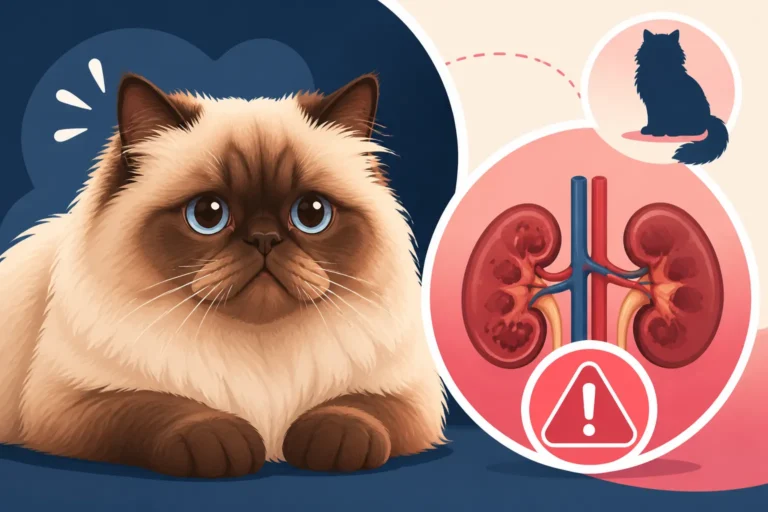
Many Himalayans, stemming from their Persian ancestry, have a predisposition to Polycystic Kidney Disease (PKD1). While responsible breeders thoroughly test their breeding cats for this genetic condition, and you should always insist on Which Two Certificates a Himalayan Breeder Owes You, it's still a concern to be aware of. Even in Himalayans without full-blown kidney failure, compromised kidney function can affect how quickly anesthetic drugs are processed and eliminated from the body. Most anesthetic agents are metabolized by the liver and excreted by the kidneys. If the kidneys aren't working at peak efficiency, these drugs can linger in the system longer, leading to a more prolonged period of grogginess and disorientation.
This slower clearance means your cat will take more time to fully wake up and regain their normal faculties. This isn't necessarily dangerous, but it does require extended monitoring by the veterinary team to ensure they are stable, comfortable, and not experiencing any adverse reactions as the drugs slowly leave their system. This is precisely Why a Himalayan's Kidneys Are Checked Before Sedation – it’s a critical pre-anesthetic screening that helps the vet choose the safest possible drug protocol for your individual cat.
Regulating Body Temperature with a Dense Persian Coat
Another often-overlooked factor is the Himalayan's stunningly dense, long coat. While it’s beautiful, it acts like a thick, insulating blanket. When a cat is under anesthesia, their body temperature naturally drops. This is partly due to the anesthetic drugs themselves, partly due to exposure during surgery, and partly because their normal thermoregulation (body temperature control) is impaired. For a Himalayan, bringing that body temperature back up to a safe level takes much longer because their coat traps heat so effectively.
Imagine trying to cool down in a heavy winter coat after exercising; it's tough! Conversely, warming up with that coat can also be a challenge if they've become too cold. Vets use warming blankets, Bair Huggers, and heated recovery kennels, but the sheer volume and insulating quality of the Himalayan's fur mean they retain cold for longer and warm up more gradually. This extended warming period is essential because hypothermia can slow metabolism further and prolong drug effects. This means your cat might be kept in the recovery area for an extra hour or two, simply waiting for their body temperature to stabilize, contributing to their Why a Himalayan Overheats Twice as Fast as a Siamese tendency in general.
Extended Monitoring and Post-Procedure Care
Given these unique challenges, the care your Himalayan receives after anesthesia is just as crucial, if not more so, than the procedure itself. It's a testament to the veterinary team's dedication and your commitment as an owner to ensure a smooth and safe journey back to full awareness.
Why Vigilant Observation is Crucial in the Hours After
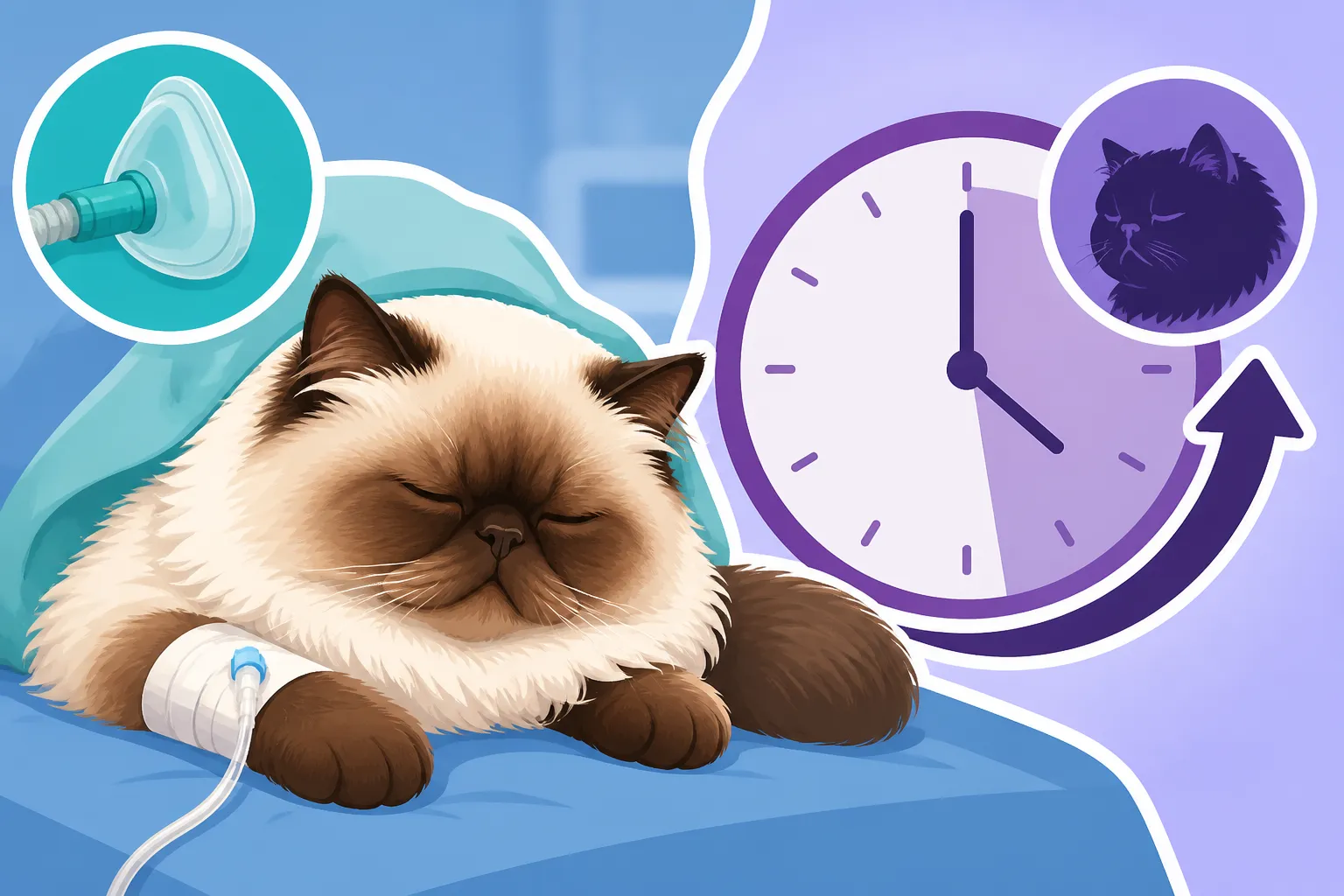
Due to the brachycephalic airway, the potential for kidney issues impacting drug clearance, and the challenges of temperature regulation, a Himalayan needs much more intensive and extended post-anesthetic monitoring. This isn't just a quick peek every hour; it's a careful assessment of their breathing rate and effort, mucous membrane color, heart rate, temperature, and level of consciousness. The veterinary team will be watching closely for any signs of respiratory distress, such as noisy breathing, open-mouth breathing (which is always an emergency in a cat), or excessive panting. They’ll also monitor for any lingering sedation that could lead to aspiration if they try to eat or drink too soon.
This vigilant observation continues well into the recovery period, often for several hours after a non-brachycephalic cat would be considered stable. They are ensuring that the airway remains open and clear as the anesthetic drugs wear off and the muscles regain their tone. Sometimes, a vet might even prescribe anti-inflammatory medications to reduce swelling in the airway proactively. A good vet clinic will have dedicated staff for this recovery period, understanding that these cats require a higher level of attention, which is Why a Himalayan Is a Harder Anesthetic Than a Siamese is a fact of veterinary life. Having insurance like Healthy Paws can be incredibly helpful here, as extended stays for monitoring can add to the bill, but are absolutely essential for your cat's safety.
Preparing Your Home for a Slower Recovery
Once your Himalayan is cleared to come home, their recovery journey isn't over. They will still be a bit wobbly, disoriented, and potentially sleepier than usual. It’s important to create a safe, quiet, and comfortable recovery space for them. This means a warm, soft bed in a low-traffic area where they won't be disturbed by other pets or rambunctious children. Ensure their food and water bowls are easily accessible and shallow enough for their flat face to manage without strain. Often, a raised bowl can help, as discussed in Which Bowl Shape a Flat Faced Himalayan Can Use.
You'll need to continue observing their breathing, looking for any signs of struggle or unusual noises. Keep them calm and limit activity. Offer small amounts of wet food or a bland diet if instructed, as digestion might also be a bit sluggish. Their dense coat means you'll also need to keep an eye on their temperature, ensuring they don't get too warm in their recovery spot. If it's summer, make sure the room is cool. This careful home environment, combined with the earlier Why a Himalayan's Anesthetic Needs a Longer Recovery in the clinic, truly ensures your precious companion gets back on their paws safely and comfortably. Don't be surprised if they seem a bit out of sorts for a day or two; it's all part of the process for these special cats.
| Factor | Impact on Anesthesia & Recovery | Why It Prolongs Recovery |
|---|---|---|
| Brachycephalic Airway | Narrow nostrils, elongated soft palate, small trachea. | Increased risk of airway obstruction, delayed extubation, post-op swelling. |
| Crowded Jaw | Difficulty with intubation and potential for post-op oral discomfort. | Longer intubation time, risk of tissue irritation. |
| Kidney Function (PKD Risk) | Slower metabolism and excretion of anesthetic drugs. | Anesthetic drugs linger longer, causing extended grogginess. |
| Dense Persian Coat | Impaired body temperature regulation. | Slower to warm up post-anesthesia, increasing risk of hypothermia. |
| Overall Physiology | Leads to a more delicate balance of vital signs under sedation. | Requires intensive, continuous monitoring for extended periods. |
Disclaimer
Please remember that this article is intended for informational purposes only and should not replace professional veterinary advice. Always consult with a qualified veterinarian regarding your Himalayan's specific health concerns and before making any decisions about their medical care, especially concerning anesthesia.