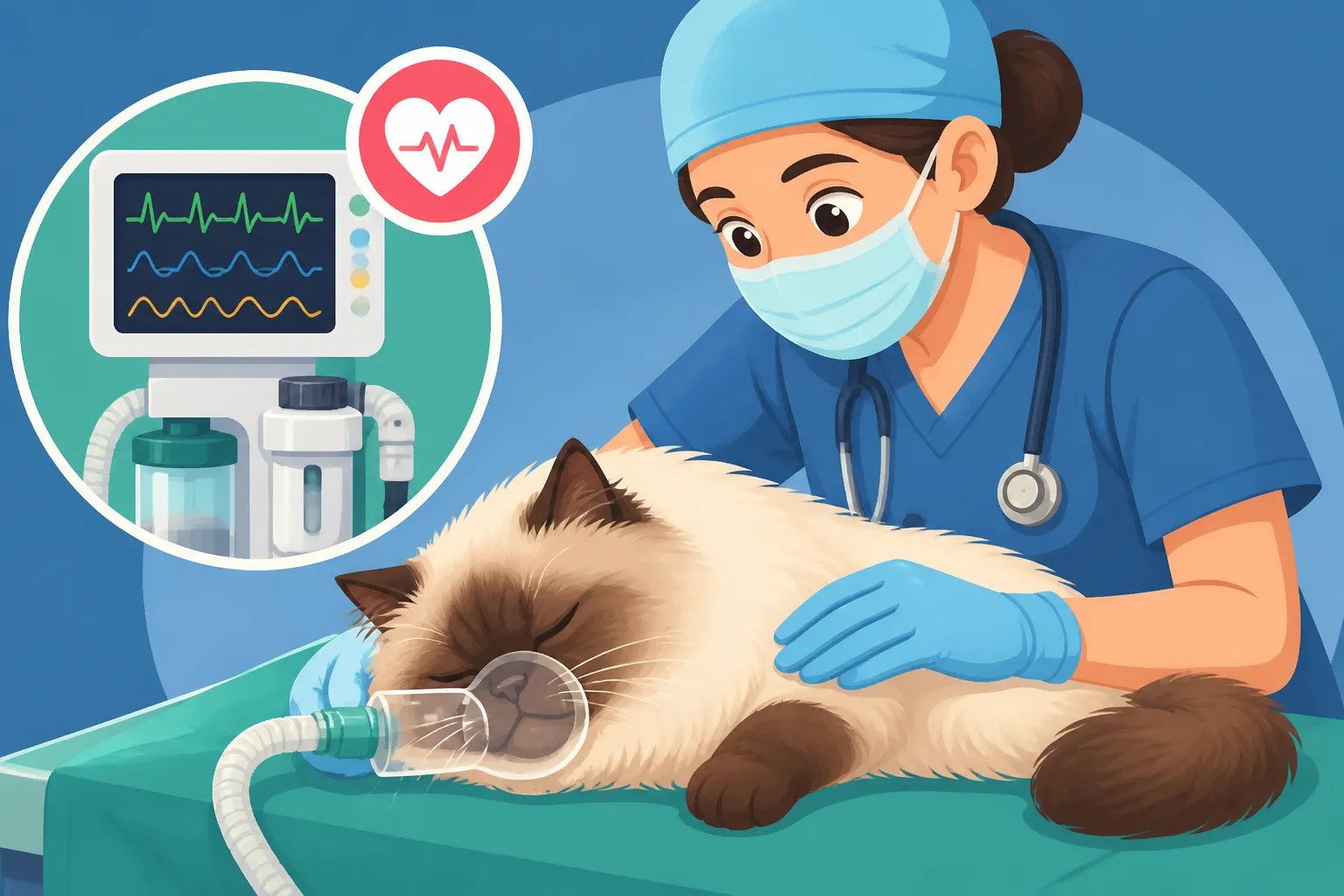
How a Vet Manages a Himalayan Under Anesthetic
Sending your beloved Himalayan in for any procedure requiring anesthesia can feel incredibly daunting, filled with worries about their safety and unique health needs. Their distinctive flat faces and dense coats present specific challenges that vets must skillfully navigate. This comprehensive guide will walk you through exactly how veterinary professionals manage a Himalayan under anesthesia, from crucial pre-op checks to gentle post-procedure recovery, aiming to ease your concerns and empower you with knowledge.
Understanding the Unique Anesthetic Challenges of Himalayans
Our beautiful Himalayans, with their striking looks and sweet dispositions, are truly special, but their unique physical traits mean that anesthesia isn't quite the same as it would be for a typical domestic shorthair. It's not just about their undeniable cuteness; it's about understanding their specific physiology and how it influences every step of the anesthetic process.
Brachycephalic Airway Concerns
The most significant factor vets consider when preparing a Himalayan for anesthesia is their brachycephalic, or "flat-faced," anatomy. Unlike cats with longer muzzles, Himalayans have shortened airways, which can make breathing challenging even when they're wide awake. You might notice your Himalayan snores louder than its Siamese ancestors or breathes with a slight audible wheeze. When sedated, these pre-existing issues can become much more pronounced. Imagine trying to breathe through a pinched straw – that's sometimes what it feels like for them, especially if their nostrils are narrow, their soft palate elongated, or their trachea (windpipe) is smaller than average.
This makes them particularly susceptible to airway obstruction during and immediately after anesthesia. Vets are always keenly aware of How a Vet Grades a Himalayan's Nostrils and other airway indicators, as these observations inform their entire anesthetic plan. It’s a primary reason why a Himalayan's anesthetic needs a longer recovery, as veterinary teams must ensure their breathing is stable and uncompromised before they can fully wake up. The focus is always on ensuring a clear and open airway at all times.
Temperature Regulation and Long Coats
Another hurdle with our magnificent Himalayans is their dense, luxurious double coat. While absolutely stunning, this thick fur, inherited from their Persian lineage, acts as a fantastic insulator. This is usually great for keeping them cozy and comfortable in cooler temperatures. However, under anesthesia, a cat's ability to regulate its own body temperature can fluctuate wildly. Himalayans are naturally prone to overheating because of this thick coat and their less efficient breathing, even when simply playing, as highlighted in Why a Himalayan Overheats Twice as Fast as a Siamese.
In a surgical setting, maintaining a stable body temperature is critical. If they get too warm, it can lead to dangerous complications; if they get too cold, recovery can be prolonged and difficult. Vets must be proactive, using specific strategies to keep them comfortable and safe, balancing the need to stay warm during surgery with the risk of overheating. This involves careful environmental control and constant monitoring.
Underlying Health Considerations
Beyond their facial structure and coat, Himalayans, like any purebred cat, can carry certain predispositions that vets must be mindful of. For instance, Polycystic Kidney Disease (PKD) is a genetic condition commonly found in Persian-derived breeds, including Himalayans. While responsible breeding and gene testing have significantly reduced its prevalence, it's still something to consider. Kidney function is crucial for processing and eliminating anesthetic drugs from the body, so any compromise could lead to complications.
Similarly, while not as prevalent as in some other breeds, cardiac issues like hypertrophic cardiomyopathy (HCM) can occur. A vet might look for What a Murmur Means in a Himalayan during pre-op checks. Additionally, older Himalayans, much like any older cat, can develop other conditions such as thyroid imbalances, making it crucial to understand Why an Old Himalayan Losing Weight Needs Its Thyroid Read. These underlying health factors are why a comprehensive health assessment is absolutely non-negotiable before any anesthetic procedure.
Pre-Anesthetic Preparation: Setting Your Himalayan Up for Success
The best way to manage a Himalayan safely under anesthesia starts long before they even step into the operating room. It's all about thorough preparation and a customized approach tailored specifically to your cat's needs. This meticulous planning is key to minimizing risks and ensuring the smoothest possible experience.
Comprehensive Pre-Op Diagnostics
Before any anesthetic is administered, a good vet will insist on a full workup. This isn't just a formality; it's a deep dive into your cat's health status to identify any potential risks. This typically includes a complete physical exam, where the vet will listen to their heart and lungs, check their overall condition, and assess their airways. Blood tests are also standard, usually including a complete blood count (CBC) to check for infection or anemia, and a biochemistry panel to assess organ function, particularly the kidneys and liver. For Himalayans, specifically, vets will often pay extra attention to kidney values, sometimes recommending imaging like an ultrasound if there's any concern. This detailed screening is why Why a Himalayan's Kidneys Are Checked Before Sedation is a standard protocol.
Some pet insurance providers, like Healthy Paws, emphasize the importance of these preventative measures, often covering diagnostic tests that lead to better outcomes by catching potential issues early. These tests provide a vital roadmap, helping the vet tailor the anesthetic agents and dosages specifically for your cat, ensuring the safest possible plan.
Personalized Anesthesia Protocols
There's truly no one-size-fits-all approach to anesthesia, especially not for a unique breed like a Himalayan. Armed with the detailed results of the pre-op diagnostics, your vet will develop a personalized anesthetic protocol. This involves selecting specific drugs that are less likely to depress respiration or cardiovascular function, or those that are more readily metabolized by your cat's particular organ health. For example, knowing a cat has early signs of kidney issues might lead to using drugs that are primarily cleared by the liver, or opting for agents with shorter durations of action.
They'll also consider the duration and invasiveness of the procedure. A quick nail trim under sedation will have a very different protocol than a lengthy dental procedure where How Often a Himalayan's Crowded Mouth Needs Cleaning is addressed. This tailored approach minimizes risks and maximizes safety, taking into account their brachycephalic nature and any potential sensitivities found in their test results.
Hydration and Fasting Guidelines
You'll receive strict instructions regarding food and water before the procedure, and it's vital to follow them precisely. Typically, cats are asked to fast for several hours (usually 8-12 hours for food, sometimes less for water) before anesthesia. This is to prevent aspiration – where stomach contents are vomited and then inhaled into the lungs – which can be a severe complication, especially for brachycephalic breeds already prone to respiratory challenges.
Ensuring your Himalayan is well-hydrated before fasting, however, is equally important. Your vet might even recommend pre-anesthetic subcutaneous or intravenous fluids, especially for older cats or those with certain health conditions, to support their organs and maintain blood pressure during the procedure. These fluids also help the kidneys process anesthetic drugs more efficiently. Healthy Paws policies often cover these supportive care measures, understanding their crucial role in a safe anesthetic experience and smooth recovery.
During the Procedure: Advanced Monitoring and Support
Once your Himalayan is under anesthesia and the procedure begins, the veterinary team doesn't just step away. This is where continuous vigilance and advanced medical technology truly shine, providing a constant safety net for your precious pet. The goal is to keep them stable, comfortable, and well-supported throughout.
Close Monitoring of Vital Signs
Throughout the entire anesthetic period, a dedicated veterinary technician or nurse will be continuously monitoring your Himalayan's vital signs. This isn't a quick glance; it's a meticulous, minute-by-minute assessment using specialized equipment. They'll be watching their heart rate and rhythm (often via an ECG), respiratory rate and depth, blood pressure, oxygen saturation (pulse oximetry), and end-tidal CO2 (capnography) – which measures the carbon dioxide in their exhaled breath, providing valuable insight into lung function and circulation. Any deviation from the norm triggers immediate action.
This continuous data stream allows the veterinary team to adjust anesthetic depth, administer supportive medications, or modify oxygen flow as needed, ensuring your cat remains as stable as possible. This comprehensive level of monitoring is one of the key reasons Why a Himalayan Is a Harder Anesthetic Than a Siamese due to their unique physiological profile, making constant vigilance absolutely necessary.
Maintaining Airway Patency and Oxygenation
Given the Himalayan's brachycephalic anatomy, special attention is consistently paid to maintaining an open airway. Once anesthetized, an endotracheal tube is carefully placed into their trachea. This tube not only ensures a clear path for air but also allows for the direct delivery of anesthetic gases and supplemental oxygen. The size of the tube is carefully chosen to avoid trauma while still providing effective ventilation, sometimes opting for a slightly smaller tube than might be used for a longer-nosed cat of the same size.
Throughout the procedure, the vet team ensures the tube remains patent and properly positioned, and they're constantly checking oxygen levels. They also have tools ready for immediate intervention, such as specialized airway adjuncts or even a tracheostomy kit, though these are rarely needed in routine procedures when proper pre-anesthetic assessment and management are in place. Proper oxygenation is paramount, particularly for breeds like the Himalayan, whose natural breathing might be slightly compromised even at baseline. Understanding What a Well Built Himalayan's Breathing Sounds Like can help owners recognize when their cat is thriving versus struggling.
Temperature Management Throughout
As mentioned earlier, temperature regulation is critical for Himalayans. During anesthesia, meticulous measures are put in place to prevent both hypothermia (low body temperature) and hyperthermia (high body temperature). To prevent them from getting too cold, which can slow metabolism and recovery, they'll often be placed on warming blankets (circulating water or forced-air warming systems), and intravenous fluids might be warmed.
Conversely, because of their dense coats and predisposition to overheat, the environment is carefully controlled, and cooling measures are ready if needed. This could include using fans, wet towels, or even alcohol on paw pads, though extreme cooling is usually reserved for emergency situations. The aim is to keep their core body temperature within a very narrow, safe range to support their bodily functions and facilitate a smooth recovery. Taking steps at home to understand How to Cool a Long Coated Himalayan in Summer can even help owners recognize signs of heat stress and appreciate the challenges vets face.
Post-Anesthetic Recovery: Gentle Waking and Continued Care
The procedure itself might be over, but the work isn't done. The recovery phase is just as crucial, particularly for a Himalayan, and requires just as much care and observation to ensure a safe and comfortable transition back to full consciousness. This period is often where the unique challenges of their breed are most evident.
Gradual Waking and Observation
Once the procedure is complete and anesthetic gases are turned off, the process of waking up begins. This is often a gradual and carefully managed process. Your Himalayan will be moved to a quiet, warm recovery area where they can be continuously observed by a dedicated technician. The endotracheal tube typically remains in place until they are strong enough to swallow, lift their head, and actively clear their own airway, ensuring no risk of aspiration as they regain consciousness. Rushing this can be dangerous.
They'll be monitored for vital signs, signs of discomfort, and particularly their breathing patterns. Vets understand that Why a Himalayan's Anesthetic Needs a Longer Recovery is due to their brachycephalic nature, so patience is key in this phase. The team wants to see clear, unlabored breathing and good coordination before considering them fully awake and stable enough to be left without direct, constant supervision.
Pain Management and Comfort
Pain management is an integral part of modern veterinary care, ensuring your Himalayan wakes up comfortably and without unnecessary stress. Depending on the procedure, your vet will administer appropriate pain relief before, during, and after surgery. This might include injectable pain medications, local anesthetic blocks applied near the surgical site, or even oral medications to take home for several days post-op. The goal is to keep them as comfortable as possible, which aids in a smoother recovery and faster return to their normal selves. Pain can also hinder their ability to breathe efficiently or recover optimally.
Your vet will discuss the pain management plan with you in detail, outlining what medications will be used and what signs of discomfort to look for once your cat is home. For ongoing health needs or unexpected complications, knowing you have a comprehensive pet insurance plan with a provider like Healthy Paws can also offer immense peace of mind.
Home Care Instructions and Follow-Up
Before you take your Himalayan home, you'll receive a detailed set of home care instructions. These will cover everything from how to administer any prescribed medications, feeding guidelines (often starting with small, bland meals like boiled chicken or special recovery food), managing their activity levels (usually restricting strenuous play for a few days), and carefully observing their incision site if applicable.
You'll also be told what specific things to watch out for – such as persistent lethargy, vomiting, lack of appetite, or any changes in breathing or litter box habits. Don't hesitate to ask questions; your vet team wants you to feel confident in caring for your cat during this crucial recovery period. Often, a follow-up appointment will be scheduled to check on their progress, remove stitches, or simply ensure they are recovering well. Sometimes, particularly after dental work, they might experience a slightly crowded mouth, which can affect eating initially, a concern often addressed when managing How Often a Himalayan's Crowded Mouth Needs Cleaning.
| Anesthetic Aspect | General Cat Anesthesia Considerations | Himalayan Cat Specific Considerations |
|---|---|---|
| Airway Assessment | Basic physical exam, visual inspection of throat. | Detailed assessment of nostril size, soft palate length, trachea diameter. High risk of laryngeal edema post-extubation. |
| Pre-Op Diagnostics | Basic blood panel (CBC, chemistry). | Comprehensive blood panel, urinalysis, potential cardiac screening (ECG/echo if indicated), possibly specific genetic tests for conditions like PKD. |
| Drug Protocol | Standard anesthetic agents based on weight/age. | Carefully selected drugs minimizing respiratory/cardiac depression; regional nerve blocks for pain control to reduce systemic drug requirements. |
| Intubation & Airway Mgmt | Standard endotracheal intubation, extubation when swallowing reflex returns. | Smaller endotracheal tube may be necessary; tube kept in longer during recovery until full consciousness and stable airway function is confirmed; close observation for airway obstruction. |
| Temperature Regulation | Warming blankets to prevent hypothermia. | Proactive warming strategies balanced with vigilant monitoring for overheating; environmental control is paramount due to dense coat and brachycephaly. |
| Monitoring | ECG, HR, RR, SpO2, BP, Temp. | Intensified focus on respiratory parameters (Capnography for CO2, consistent SpO2) due to inherent airway challenges; strict blood pressure control. |
| Recovery Period | Often swift and relatively uneventful. | Extended, closely supervised recovery in a quiet, temperate environment. Airway support may be needed longer. Monitoring for signs of brachycephalic airway syndrome exacerbation. |
| Pain Management | Standard post-operative pain relief. | Multi-modal pain relief tailored to the procedure, often including local blocks, to ensure comfortable, stress-free breathing during recovery. |
This meticulous approach, from the initial consultation to the final recovery instructions, underscores the veterinary commitment to providing the safest possible experience for your cherished Himalayan. Understanding these comprehensive steps can truly help you feel more at ease, knowing your cat is in highly capable and attentive hands.
Disclaimer
This article is intended for informational purposes only and does not constitute veterinary advice. Always consult with a qualified veterinary professional for any health concerns or before making any decisions about your pet's care, particularly regarding anesthesia. Individual circumstances can vary greatly, and professional guidance is essential.