Why a Cobby Himalayan Is Weighed at Every Visit
It's incredibly easy for us Himalayan cat parents to overlook subtle changes in our beloved fluffballs, especially when it comes to their weight. Their magnificent, dense coats and famously cobby build can be a brilliant camouflage, making it tough to visually gauge if they're gaining or losing those precious pounds. That's why one of the simplest, yet most critical, parts of every single vet visit for your Himalayan is a thorough weigh-in. This guide will walk you through why that number on the scale is far more important than you might think for your Himalayan's long-term health and well-being.
The Deceptive Fluff: Why Weight Changes Go Unnoticed in Himalayans
Let's face it, one of the biggest joys of owning a Himalayan is that luxurious, flowing coat and their adorable, stout build. But these very characteristics, which make them so undeniably charming, can also become a significant hurdle in monitoring their health. It’s not your fault if you've missed a few pounds here or there; it's simply the reality of sharing your home with such a spectacularly fluffy feline.
The Himalayan's Unique Body Type: A Cobby Challenge
Himalayans inherit their cobby, sturdy body type from their Persian ancestors. This means they naturally have a compact, well-rounded torso, short legs, and a broad chest. Add to that their incredibly dense double coat, complete with a lavish ruff, full britches, and a bushy tail, and you've got a feline masterpiece that looks substantial no matter what. This "cobby" description isn't just a fancy show term; it describes a real physical structure that can make visual assessment of their body condition extremely difficult. You might try to feel for ribs or a waistline, but often, you're just feeling layers of glorious fur. It’s also why their coats can hide all sorts of things, making it tough to even spot issues like Why a Himalayan's Coat Hides a Wound for Days until they're quite advanced.
Why Visual Assessment Falls Short for Your Fluffy Friend
Imagine trying to guess the weight of a fluffy Persian rug. You just can't, right? It's much the same with a Himalayan. Their long, flowing hair can create an optical illusion. A cat that's gaining weight might just look a little "fuller" or "more luxurious," rather than noticeably plump. Conversely, a cat that's losing weight, perhaps due to an underlying health issue, might still appear substantial because their fur fluffs out, creating a deceptive volume. You could be looking at significant weight loss, but the fur acts like a padded suit, obscuring any tell-tale signs of muscle wasting or a diminishing waistline. This camouflage means that by the time you can visually tell a weight change, it might already be quite significant and potentially indicative of a more serious, progressed problem.
More Than Just a Number: What a Himalayan's Weight Reveals
A consistent weight record isn't just about making sure your Himalayan fits into their favorite sleeping spot; it's a vital diagnostic tool. That number on the scale, especially when tracked over time, can provide your veterinarian with invaluable insights into your cat's overall health, often signaling problems long before outward symptoms appear.
Early Detection of Health Issues
For Himalayans, like all cats, weight fluctuations can be a red flag for a variety of health conditions. Weight loss, even a gradual decline, can indicate issues such as dental problems making eating painful, hyperthyroidism (especially in older cats), diabetes, or even serious conditions like inflammatory bowel disease or kidney disease. Given their Persian heritage, Polycystic Kidney Disease (PKD) is a concern in the breed, and while genetic testing has greatly reduced its prevalence, monitoring weight is still crucial. A declining weight could be an early indicator of kidney issues, even for a Himalayan whose line was previously clear. It's truly heartbreaking to think that some Himalayans can go into How Young a Himalayan Can Go Into Kidney Failure, making early detection paramount. For older cats, keeping an eye on their weight is also key to catching conditions like How Kidney Failure Arrives in a Himalayan Past Twelve or thyroid imbalances.
On the other hand, weight gain can lead to its own host of problems, contributing to joint issues, diabetes, and even exacerbating respiratory problems, which are already a concern for flat-faced breeds. Regular weighing helps your vet catch these trends early, allowing for timely intervention and a better prognosis. This proactive approach is exactly why investing in a good pet insurance plan, like those offered by Healthy Paws, is so important. They understand that early diagnosis through routine vet checks, including weight monitoring, can make a huge difference in managing your cat’s health over their lifetime.
Impact on Mobility and Grooming
Even a couple of extra pounds can have a profound impact on a Himalayan's quality of life. Their naturally short, sturdy legs and cobby frame aren't designed for carrying excessive weight. Overweight Himalayans might find it harder to jump onto their favorite armchair or even navigate stairs. This reduced mobility isn't just about comfort; it can lead to joint strain and arthritis over time.
Perhaps even more immediately, extra weight severely compromises their ability to groom themselves properly. Their dense, long coats require diligent self-grooming to prevent mats and tangles. An overweight Himalayan often struggles to reach their lower back, flanks, and especially their britches, leading to painful and tight mats forming in these areas. You know the frustration of trying to comb out a mat, but imagine your cat trying to clean it with their tongue! This often means more frequent trips to the groomer, or even needing sedation for professional dematting, which nobody wants for their beloved pet. We've all seen how quickly Why an Overweight Himalayan Cannot Reach Its Britches becomes a problem, turning a gorgeous coat into a matted mess. Neglected mats can lead to skin infections and discomfort, transforming a grooming challenge into a serious medical issue where Why a Matted Himalayan Becomes a Medical Case.
Anesthetic Risks and Surgical Considerations
Should your Himalayan ever need surgery or even a routine dental cleaning under anesthesia, their precise weight is absolutely critical. Anesthesia and medication dosages are calculated based on body weight. An inaccurate weight can lead to under-dosing or, more dangerously, over-dosing, which can have severe, even life-threatening, consequences.
Himalayans, as a brachycephalic (flat-faced) breed, already carry a higher anesthetic risk due to their unique respiratory anatomy. This makes accurate dosing even more paramount. Any vet will tell you that a Himalayan is often considered Why a Himalayan Is a Harder Anesthetic Than a Siamese because of these factors. Having an up-to-date and accurate weight ensures that your vet can administer the safest possible dosage for your individual cat, minimizing risks during any procedure. It’s another reason why those regular weigh-ins aren't just a formality—they're a safety measure.
The Importance of a Consistent Weigh-In Routine
Given all these factors, it becomes clear that a consistent weigh-in routine is not just a suggestion, but a necessity for Himalayan owners. It’s about building a proactive health management plan that supports your cat throughout their entire life.
At the Vet's Office: Making Every Visit Count
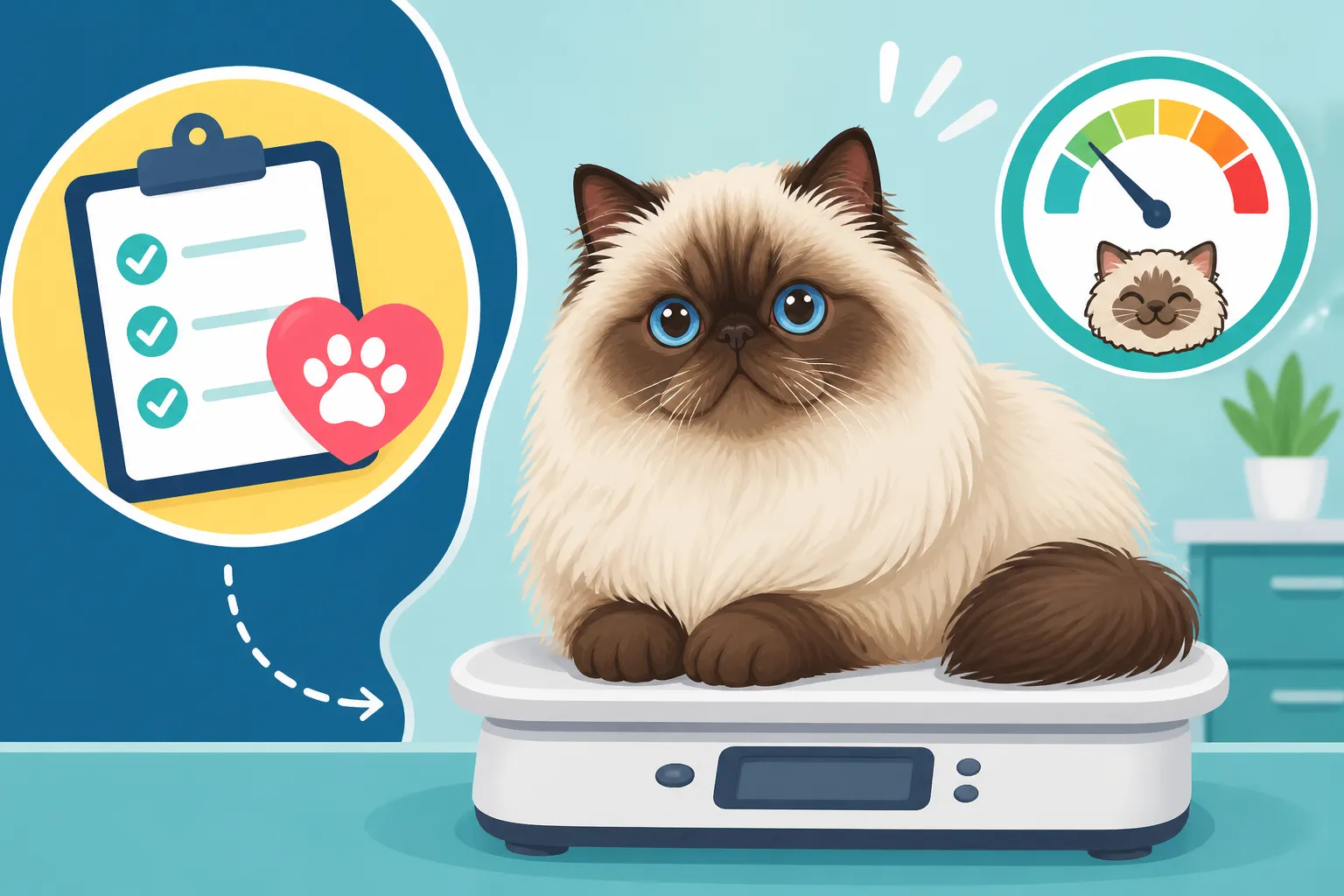
Every single time your Himalayan steps paw into the veterinary clinic, a weigh-in should be standard procedure. It doesn't matter if it's for a routine check-up, a nail trim, or something more pressing; insist on it. While most clinics are diligent, sometimes in a busy environment, it might inadvertently get skipped. Don't be shy about reminding them. These consistent measurements allow your vet to establish a baseline for your cat and track any changes over weeks, months, or years.
Your vet isn't just looking for a number; they're looking at the trend. A gradual increase or decrease, even if it seems small, can be far more telling than an isolated reading. They can then correlate these changes with other observations during the physical exam, your cat's eating habits, and any other symptoms you might have noticed. This comprehensive approach ensures that you're always on top of your cat's health. Pet insurance providers, like Healthy Paws, also often require regular vet visits and encourage proactive health management, as it ultimately leads to better outcomes and can sometimes reduce the severity or cost of treating advanced conditions.
Home Weighing vs. Vet Weighing: A Combined Approach
While the vet's calibrated scales are the gold standard for accuracy and charting, you can also incorporate home weighing into your routine. This can be particularly useful for monitoring trends between vet visits, especially if your cat is on a weight management plan or has a known health condition that requires close observation.
Specialized pet scales are available, or you can use your own bathroom scale by first weighing yourself, then weighing yourself while holding your cat, and subtracting the difference. The key is consistency: use the same scale, at the same time of day (before meals is often best), and record the results. This way, you can spot minor changes early and inform your vet if you see a concerning trend.
It's important to remember that home scales might not be as precise as veterinary equipment, so think of your home readings as a helpful guide for trends, rather than definitive medical measurements. Always confirm significant changes with your vet's scale.
Here's a quick comparison of home vs. vet weighing:
| Feature | Home Weighing | Vet Weighing |
|---|---|---|
| Accuracy | Varies, generally less precise than vet scales | Highly accurate, calibrated medical-grade scales |
| Frequency | Can be done daily/weekly for trend monitoring | Typically annual or semi-annual check-ups |
| Convenience | High, done in your cat's familiar environment | Requires a trip to the clinic |
| Cost | Initial purchase of a scale (optional) | Included in vet visit fee |
| Purpose | Early trend detection, owner awareness | Diagnostic, medical record, dosage calculation |
| Reliability | Good for consistent trends | Essential for definitive medical data |
Proactive Weight Management for a Healthy Himalayan Lifespan
Understanding the importance of regular weigh-ins is just the first step. The real goal is to proactively manage your Himalayan's weight to ensure they live a long, happy, and healthy life. This involves a combination of mindful nutrition, appropriate activity, and a strong partnership with your veterinary team.
Tailored Nutrition and Portion Control
Himalayans are typically not highly active cats. They enjoy their naps, their laps, and their quiet contemplation. This relaxed lifestyle means they don't burn as many calories as a more energetic breed. It's often underestimated How Few Calories a Himalayan Burns Sitting in One Chair. Because of this, even seemingly small portions of food can quickly lead to weight gain if not carefully managed.
Working with your vet to determine the ideal weight and daily caloric intake for your individual cat is crucial. Factors like age, activity level, and whether they are spayed or neutered will influence their needs. Once you know that number, consistent portion control is key. Using a kitchen scale to measure their food precisely, rather than relying on scoops, can make a huge difference. You might be surprised How Much a Cobby Himalayan Gets in a Weighed Meal to maintain their ideal weight. Investing in high-quality food designed for less active cats can also be beneficial, providing essential nutrients without excess calories.
Encouraging Gentle Activity
While Himalayans aren't known for scaling curtains or chasing laser pointers for hours on end, they still benefit from regular, gentle play. The key is to find activities they enjoy that get them moving without overexerting them, especially considering How Soon a Himalayan Kitten Runs Out of Breath. Short, interactive play sessions with wand toys that mimic prey can be highly effective. Encourage them to bat at toys, stalk, and pounce from a seated position, or gently chase a toy a short distance.
Consider placing toys strategically around the house to encourage small bursts of movement throughout the day. Puzzle feeders can also be a great way to engage their minds and make them work a little for their food, adding a subtle element of activity to their day. Just make sure the puzzle feeder is flat-faced friendly! Avoid anything that might cause them to overheat, particularly in warmer weather. Short, consistent engagement is far better than infrequent, intense sessions.
Partnering with Your Vet for Optimal Health
Your veterinarian is your most valuable partner in maintaining your Himalayan's optimal weight and overall health. They can help you interpret weight trends, recommend appropriate dietary changes or specialized foods, and suggest safe exercise routines. They can also rule out any underlying medical conditions that might be contributing to weight changes.
Regular check-ups, even for seemingly healthy cats, are essential. These visits are the perfect opportunity to discuss any concerns you have about your Himalayan's weight, appetite, or activity level. Your vet can also advise on How Often a Tested Himalayan Still Needs Checking for genetic conditions like PKD, or age-related conditions. Remember, proactive care is always more effective (and often less costly in the long run) than reactive treatment. Having a robust pet insurance plan, such as one from Healthy Paws, can provide peace of mind, knowing that you’re financially prepared to follow through on all your vet’s recommendations for diagnostics or treatments, should they be needed. They help ensure that financial worries don't stand in the way of your Himalayan receiving the best possible care throughout their entire lifespan.
Disclaimer
This article is for general informational purposes only and does not constitute professional advice. Laws, prices and regulations vary by location and change over time. Consult a qualified professional for guidance on your specific situation.