What a Himalayan’s Cobby Frame Should Weigh
It can be surprisingly tricky to tell if your beloved Himalayan cat is at a healthy weight, especially with all that magnificent, luxurious fur masking their true physique. Many of us worry about their chunky appearance, wondering if it's just the breed's natural "cobby" build or if our furry friends are actually carrying a few too many pounds. This guide is here to unravel the mystery, helping you understand what a healthy weight truly looks like for your Himalayan and how to keep them in tip-top condition, hidden beneath that beautiful coat.
Understanding the Himalayan's Unique "Cobby" Frame
When you first hear "cobby," you might picture a round, pudgy cat, but for Himalayans, it's a specific breed standard that describes their body type. They're meant to be heavily boned, with a broad chest, short, thick legs, and a compact, rounded torso. This isn't a lean, lithe cat like a Siamese; they're built for substance. However, this dense, powerful build, combined with their incredibly thick double coat, can make it genuinely difficult for owners to assess their cat's body condition just by looking. It's easy to mistake a well-conditioned cobby cat for one that's a little overweight, or conversely, to miss subtle signs of unhealthy weight gain or loss. This unique build is part of their charm, but it also means we need to be more vigilant about their health.
What "Cobby" Actually Means for Weight
The term "cobby" isn't an excuse for obesity, but rather a descriptor of their sturdy bone structure and musculature. A healthy Himalayan should feel solid and dense, not squishy or bony. Their strong, short legs support a broad, powerful body. This means that a Himalayan will naturally weigh more than a cat of similar height but with a sleeker, more athletic build. Imagine trying to compare the ideal weight of a stocky bulldog to a lean greyhound – it's just not a fair comparison, and the same applies to cat breeds. We’re aiming for strong and substantial, not heavy and inactive.
Typical Weight Ranges for Adult Himalayans
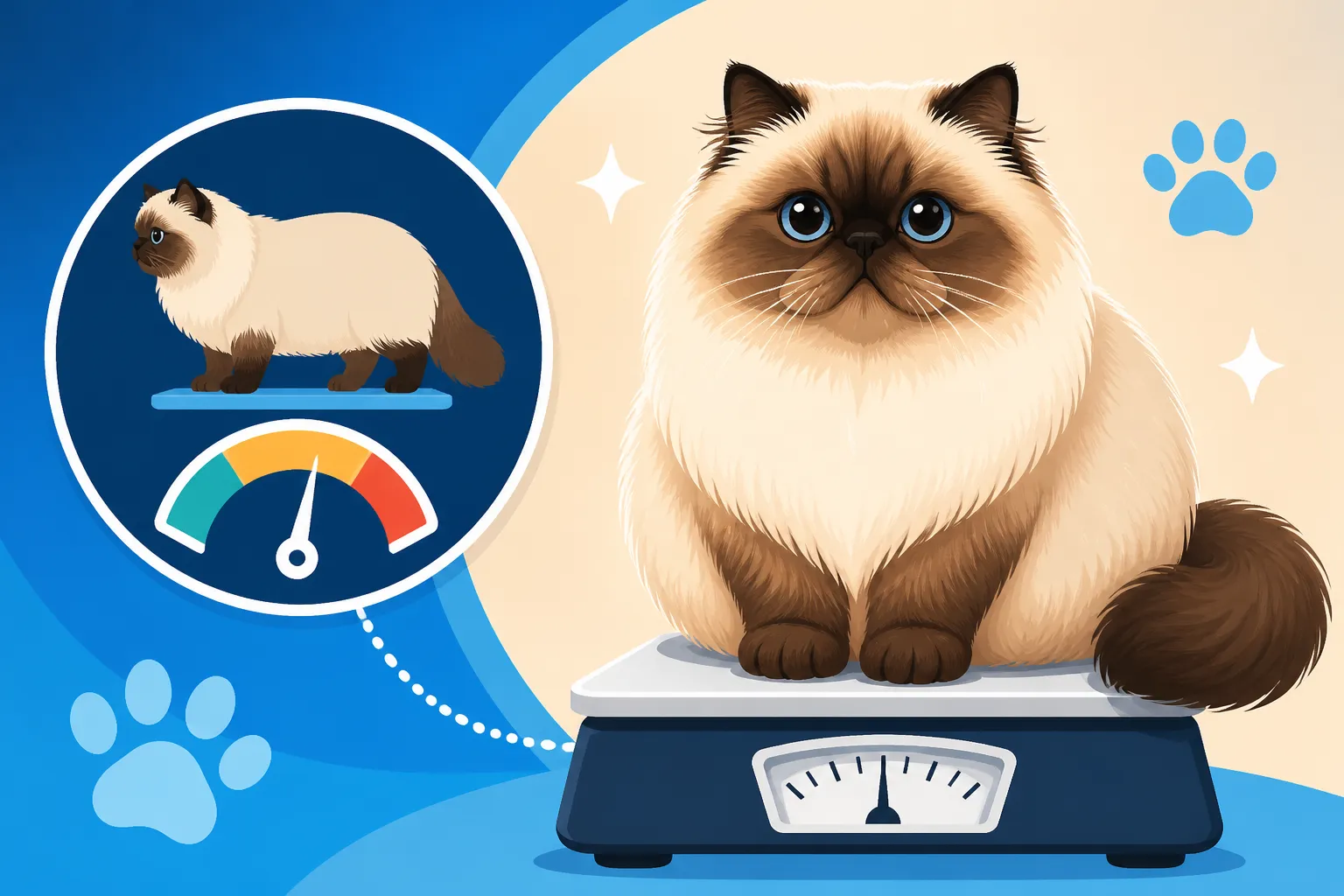
While every cat is an individual, there are general guidelines for what an adult Himalayan's cobby frame should weigh. These are broad ranges, and individual cats can fall outside them while still being perfectly healthy, depending on their bone structure and overall size.
- Males: Adult male Himalayans typically weigh between 9 to 14 pounds (4.1 to 6.4 kg). They are generally larger and more robust than females.
- Females: Adult female Himalayans usually range from 7 to 11 pounds (3.2 to 5 kg). They tend to have a slightly more delicate frame, though still distinctly cobby.
It's crucial to remember that these are just averages. A large-boned male might be a healthy 15 pounds, while a small-boned female could be perfectly healthy at 6 pounds. The number on the scale is less important than their overall body condition, which we'll dive into next. This is why regular vet check-ups are so important, as your vet can help you understand these nuances for your specific cat.
The Importance of Body Condition Scoring (BCS)
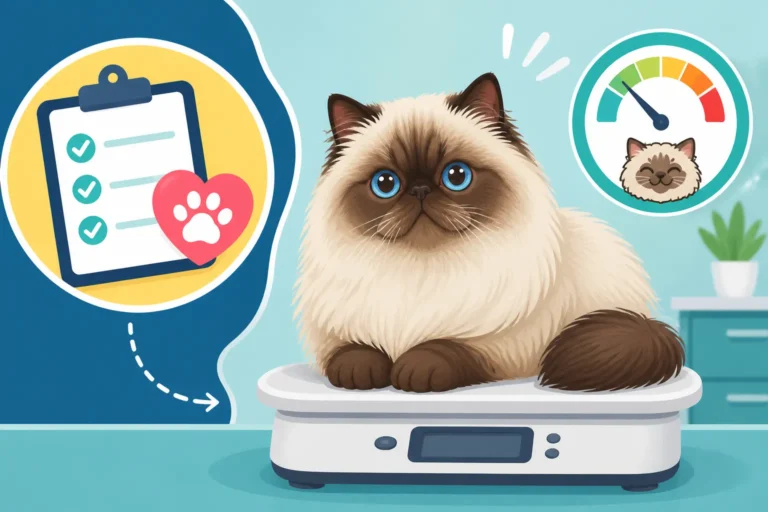
Because of that magnificent coat and their cobby build, simply weighing your Himalayan isn't enough to determine if they're at a healthy weight. Many experienced owners find themselves regularly asking, "How do I really know?" The answer lies in Body Condition Scoring (BCS), a tool vets use that you can also learn to apply at home. It's a hands-on approach that lets you feel your cat's underlying structure, even through the thickest of ruffs. This method helps you look past the fluff and truly assess how much fat and muscle your cat is carrying.
Feeling for Ribs, Spine, and Hip Bones
This is where you get tactile with your feline friend. Don't worry, it won't hurt them, and most cats tolerate it quite well, especially if you make it part of their regular petting routine. The goal is to feel for key bony landmarks that aren't usually visible.
- Ribs: Gently run your fingers along your cat's sides, just behind their front legs. You should be able to feel their ribs with slight pressure, almost like feeling the back of your hand. If you can see them, or they feel sharp and distinct without much pressure, your cat might be underweight. If you can't feel them at all, and it feels like a soft cushion, they're likely overweight. For a detailed guide on this, you might find our article on "How to Find a Himalayan's Ribs Through a Persian Coat" particularly helpful.
- Spine: Run your fingers along their backbone, from the shoulders to the tail. You should feel the individual bumps of the vertebrae, but they shouldn't protrude sharply. There should be a small amount of muscle and fat covering them. If you can easily count each vertebra or they feel very prominent, your cat is likely too thin. If it feels like a smooth, unbroken roll, they're probably carrying too much weight.
- Hip Bones: Gently feel around their hips, just in front of the tail. Similar to the ribs and spine, you should be able to feel them, but they shouldn't stick out. A slight covering of fat and muscle is ideal.
Understanding the Body Condition Score Chart
Vets typically use a 5-point or 9-point scale for BCS. The 5-point scale is generally easier for owners to use at home.
| Score | Description | Appearance & Feel |
|---|---|---|
| 1 | Emaciated | Ribs, spine, and hip bones easily visible and palpable with no fat. Severe abdominal tuck. |
| 2 | Thin | Ribs, spine, and hip bones easily palpable. Minimal fat covering. Obvious abdominal tuck. |
| 3 | Ideal | Ribs palpable with slight fat covering, not visible. Waist apparent behind ribs. Abdominal tuck present. |
| 4 | Overweight | Ribs difficult to feel under moderate fat. Waist indistinct. Rounded abdomen, slight to no abdominal tuck. |
| 5 | Obese | Ribs covered by heavy fat, very difficult to feel. No waist. Obvious abdominal distension, often with fat deposits over lower back and tail base. |
Your goal is for your Himalayan to be a BCS of 3. This means they are lean enough to be healthy, but still have the musculature and substance of their cobby build. Don't hesitate to ask your vet to demonstrate how to perform a BCS check at your next appointment. Regular monitoring, perhaps once a month, can help you catch any changes early.
Factors Influencing a Himalayan's Weight
Your Himalayan's weight isn't a static number; it's a dynamic reflection of various aspects of their life. It's not just about how much they eat; it's a complex interplay of age, activity, genetics, and even underlying health. Understanding these factors can help you be a more proactive and attentive pet parent. For example, a young, playful Himalayan kitten will have different needs than a senior cat content to nap in their favorite sunbeam.
Age and Life Stages
A Himalayan's weight will naturally fluctuate throughout their life:
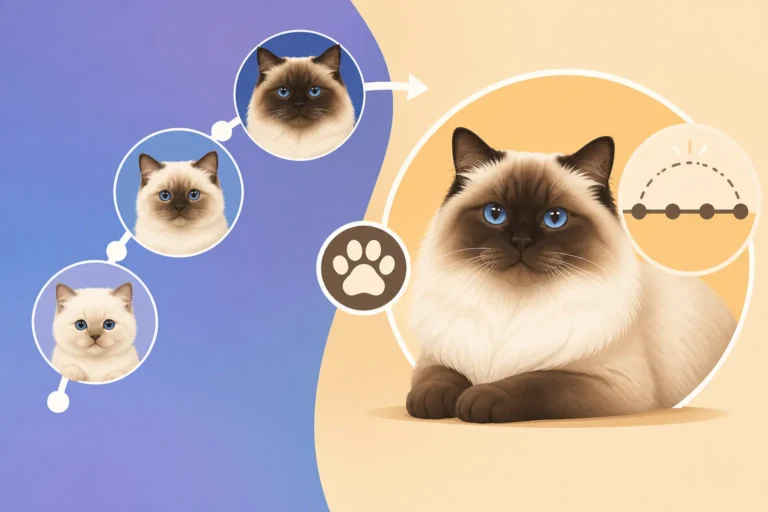
- Kittens: Growing kittens are usually lean and lanky, burning through calories at an incredible rate to fuel their rapid development. Their cobby frame will start to fill out as they approach their first birthday.
- Adults (1-8 years): This is typically when they settle into their ideal adult weight. Their growth slows, and their metabolism stabilizes. This is also the period where consistent diet and exercise are paramount to prevent unhealthy weight gain.
- Seniors (8+ years): As Himalayans age, their metabolism can slow down, and their activity levels often decrease. This makes them prone to weight gain, but conversely, some senior cats might lose weight due to underlying health conditions like hyperthyroidism or kidney disease. Regularly checking "What a Himalayan's Yearly Bloods Should Cover After Eight" is crucial for senior cats to detect potential issues early.
Gender and Spay/Neuter Status
Just like in humans, gender plays a role. Male Himalayans tend to be larger and heavier than females due to natural biological differences. Furthermore, spaying or neutering can significantly impact a cat's metabolism. Sterilized cats often have a lower caloric need, and if their diet isn't adjusted accordingly, weight gain can become a real problem. It’s not uncommon for a cat to gain a few pounds after their surgery, which makes it even more important to monitor their food intake.
Activity Levels
Himalayans are generally known for their calm, placid demeanor. They aren't typically "zoomie" cats that tear through the house for hours. Their Persian lineage contributes to a lower activity drive than their Siamese ancestors. They love a good nap in a sunny spot or a cozy lap. This lower activity level means they don't burn as many calories as a highly active breed, making them more susceptible to weight gain if their food portions aren't carefully managed. However, even a calm Himalayan needs some enrichment and playtime. Simple wand toys or puzzle feeders can encourage gentle movement. A cat that lies on the coldest tile in the house all day and rarely moves might need their calories adjusted down slightly.
Diet and Feeding Habits
This is perhaps the most obvious, yet often overlooked, factor. The type of food, amount, and frequency all contribute. Many owners free-feed their cats, leaving dry kibble out all day. While convenient, this can lead to overeating, especially for a less active breed like the Himalayan. Measured, portion-controlled meals, ideally two smaller meals a day, are often a better strategy. The quality of the food matters too; look for high-protein, moderate-fat formulas. Be mindful of treats, which can add significant calories without much nutritional value. Consider how much a cobby Himalayan gets in a weighed meal, as even small adjustments can make a big difference over time.
Health Conditions
Sometimes, changes in weight aren't simply about diet and exercise but point to an underlying health issue. For instance, increased thirst and urination coupled with weight loss could indicate kidney disease, a concern given their Persian heritage and the potential for Polycystic Kidney Disease (PKD). Weight gain might be a symptom of an underactive thyroid, while sudden weight loss could signal hyperthyroidism or even dental problems that make eating painful. A cat with a crowded mouth needs regular dental care, as discomfort can lead to changes in eating habits. Regular veterinary check-ups are vital for catching these issues early, and having pet insurance like Healthy Paws can provide peace of mind when it comes to unexpected diagnostic tests or treatments.
Risks of Unhealthy Weight in Himalayans
Just like in humans, carrying too much or too little weight can have serious repercussions for your Himalayan's health and quality of life. The very traits that make them so endearing – their cobby build, thick coat, and sometimes flatter face – can amplify these risks, turning a mild issue into a significant challenge. It's not just about aesthetics; it's about giving your furry family member the best possible chance at a long, comfortable life.
Risks of an Overweight Himalayan
Obesity in Himalayans, as with any cat, is more than just cosmetic. It significantly increases the risk of several serious health problems:
- Joint Strain and Arthritis: Their cobby frame is built for substance, but not excessive weight. Extra pounds put immense stress on their short legs and joints, leading to or worsening conditions like arthritis, making movement painful. You might notice them struggling to jump onto the sofa or seeming stiff after a nap. This sedentary behavior then creates a vicious cycle, as reduced movement makes it harder to lose weight.
- Breathing Difficulties: Many Himalayans, particularly those with a flatter or "peke" face, already have compromised airways due to their brachycephalic (short-nosed) features. Excess weight adds even more pressure around the throat and chest, exacerbating breathing difficulties. An overweight Himalayan might snore louder than its Siamese ancestors or pant excessively after even minimal activity. In severe cases, this can lead to respiratory distress, especially in warm weather.
- Diabetes Mellitus: Obesity is a leading risk factor for feline diabetes. The body's cells become resistant to insulin, leading to high blood sugar levels that can cause a host of other health issues, requiring daily insulin injections and strict dietary management.
- Liver Disease: Cats are prone to hepatic lipidosis (fatty liver disease) if they go too long without eating, especially if they are overweight. This can be triggered by stress or illness and is a serious, life-threatening condition.
- Grooming Challenges: Their beautiful, dense coats require meticulous grooming. An overweight Himalayan often struggles to reach and clean certain areas, particularly their back, britches, and tail. This can lead to mats, skin infections, and hygiene issues around the litter box. Our article, "Why a Himalayan Is Surrendered Over Its Grooming", really delves into the challenges when grooming becomes too difficult for the cat or owner. This can quickly escalate, turning a beautiful coat into a matted, painful mess, which can then become a medical case requiring professional intervention, sometimes even sedation to shave the mats.
- Increased Anesthetic Risk: If an overweight Himalayan needs surgery or dental work, the anesthetic procedure carries higher risks due to their breathing challenges and potential for other health complications. Vets have to take extra precautions, which can make routine procedures more complex.
Risks of an Underweight Himalayan
While obesity often gets more attention, an underweight Himalayan is also a cause for concern and can indicate serious underlying issues.
- Underlying Illness: Unexplained weight loss is often the first, and sometimes only, visible symptom of a variety of medical conditions, including kidney disease, hyperthyroidism, diabetes, inflammatory bowel disease, or even cancer. If your Himalayan is losing weight without a change in diet or activity, a vet visit is imperative.
- Nutritional Deficiencies: A cat that isn't eating enough, or isn't absorbing nutrients properly, can become deficient in essential vitamins and minerals. This can compromise their immune system, making them more susceptible to infections and slowing down healing processes.
- Muscle Wasting: Severe weight loss includes the loss of muscle mass, making cats weak and less able to move around comfortably. This can impact their overall vitality and quality of life.
- Compromised Immune System: When a cat is underweight and malnourished, their immune system is weakened, leaving them vulnerable to illnesses and unable to fight off infections effectively.
- Poor Coat and Skin Health: A healthy coat reflects good internal health. Underweight cats often have dull, dry, and thinning fur, which might also be more prone to matting or skin problems.
It's clear that maintaining an ideal body condition is crucial for your Himalayan's overall health. Don't underestimate the power of consistent monitoring and working closely with your veterinarian.
Strategies for Maintaining a Healthy Weight
Now that we understand the importance of a healthy weight for your Himalayan's unique cobby frame, let's talk about practical, everyday strategies to keep them in peak condition. It's a combination of smart feeding, encouraging gentle activity, and staying on top of their health with regular vet visits. No extreme diets or grueling exercise routines here, just consistent, loving care tailored to their needs.
Dietary Management and Portion Control
This is often the most significant lever you have for managing your Himalayan's weight.
- Choose High-Quality Food: Opt for cat foods with a high-quality protein source as the first ingredient. Many vets recommend wet food for cats, as it provides hydration and can be more filling with fewer calories than dry kibble, especially for a flat-faced cat that might struggle with certain kibble shapes. Consider "Which kibble a Himalayan's shortened jaw can lift" or "Why wet food is easier for a Himalayan to take" when making your choice.
- Measure Portions Accurately: This is non-negotiable. Don't eyeball it. Use a measuring cup or, even better, a kitchen scale to ensure you're giving the exact recommended amount. The calorie requirements on pet food bags are often guidelines for active cats, so you might need to feed slightly less for a sedentary Himalayan. Our guide on "How Much a Cobby Himalayan Gets in a Weighed Meal" offers more insights into precise feeding.
- Scheduled Meals: Instead of free-feeding, offer two to three measured meals a day. This helps regulate their metabolism, prevents overeating, and allows you to monitor their appetite. If they leave food behind, it could be an early sign of an issue.
- Limit Treats: Treats are fine in moderation, but they are often calorie-dense. Choose low-calorie, healthy treats, and factor them into your cat's daily caloric intake.
- Hydration is Key: Ensure fresh water is always available. A wide, shallow water bowl or a cat fountain can encourage more drinking, which is vital for kidney health and overall well-being. "Why water matters more in a Himalayan carrying cysts" is an important read if your cat has a history of kidney concerns.
Encouraging Gentle Activity and Enrichment
Himalayans aren't marathon runners, but they still benefit from daily play to burn calories and keep their minds sharp.
- Short, Frequent Play Sessions: Instead of one long session, try 5-10 minute playtimes several times a day. Wand toys are fantastic for engaging them without overexertion. Even a laser pointer can get them moving, but always end with a tangible toy they can "catch" to prevent frustration. Remember, "When to end a Himalayan's play session" is important to prevent overheating.
- Puzzle Feeders: These can be great for slowing down eating and providing mental stimulation. Just make sure to select one "Which puzzle feeder a Himalayan can get its face into" given their flattened facial structure.
- Vertical Space (Low and Safe): While Himalayans aren't avid climbers, a sturdy, waist-high cat tree or a few low, secure shelves can give them options for observation and gentle climbing, encouraging more movement than just staying on the floor.
- Interactive Toys: Toys that move or dispense treats can keep them engaged when you're not actively playing.
Regular Veterinary Check-ups and Monitoring
Your vet is your best partner in maintaining your Himalayan's healthy weight and overall health.
- Annual Wellness Exams: These are essential for all cats, but especially for Himalayans. Your vet will perform a thorough physical exam, including a BCS, and discuss any changes in weight, appetite, or behavior. They can catch subtle signs of illness before they become serious.
- Discuss Weight with Your Vet: Always bring up any weight concerns you have. Your vet can provide tailored advice, help you calculate precise calorie needs, and rule out any underlying medical conditions impacting weight.
- Consider Pet Insurance: Investing in pet insurance, like a plan from Healthy Paws, can be incredibly helpful for covering the costs of unexpected vet visits, diagnostic tests, or treatments if a weight-related health issue arises. It allows you to make decisions based on your cat's health needs, not just your budget.
- Monitor at Home: Weigh your Himalayan regularly at home (once a month is a good frequency) and continue to perform the BCS check. Keep a log. This helps you identify trends and allows you to intervene early if you notice a significant change. Early detection is always key.
By combining these strategies, you can ensure your cobby Himalayan enjoys a long, healthy, and happy life, thriving beneath their magnificent coat. It takes a little effort, but the benefits for your cherished companion are immeasurable.
Disclaimer
This article is intended for informational purposes only and does not constitute veterinary advice. Always consult with a qualified veterinarian for any health concerns or before making any decisions about your pet's medical care, diet, or treatment.