Why a Himalayan Is Surrendered Over Its Grooming
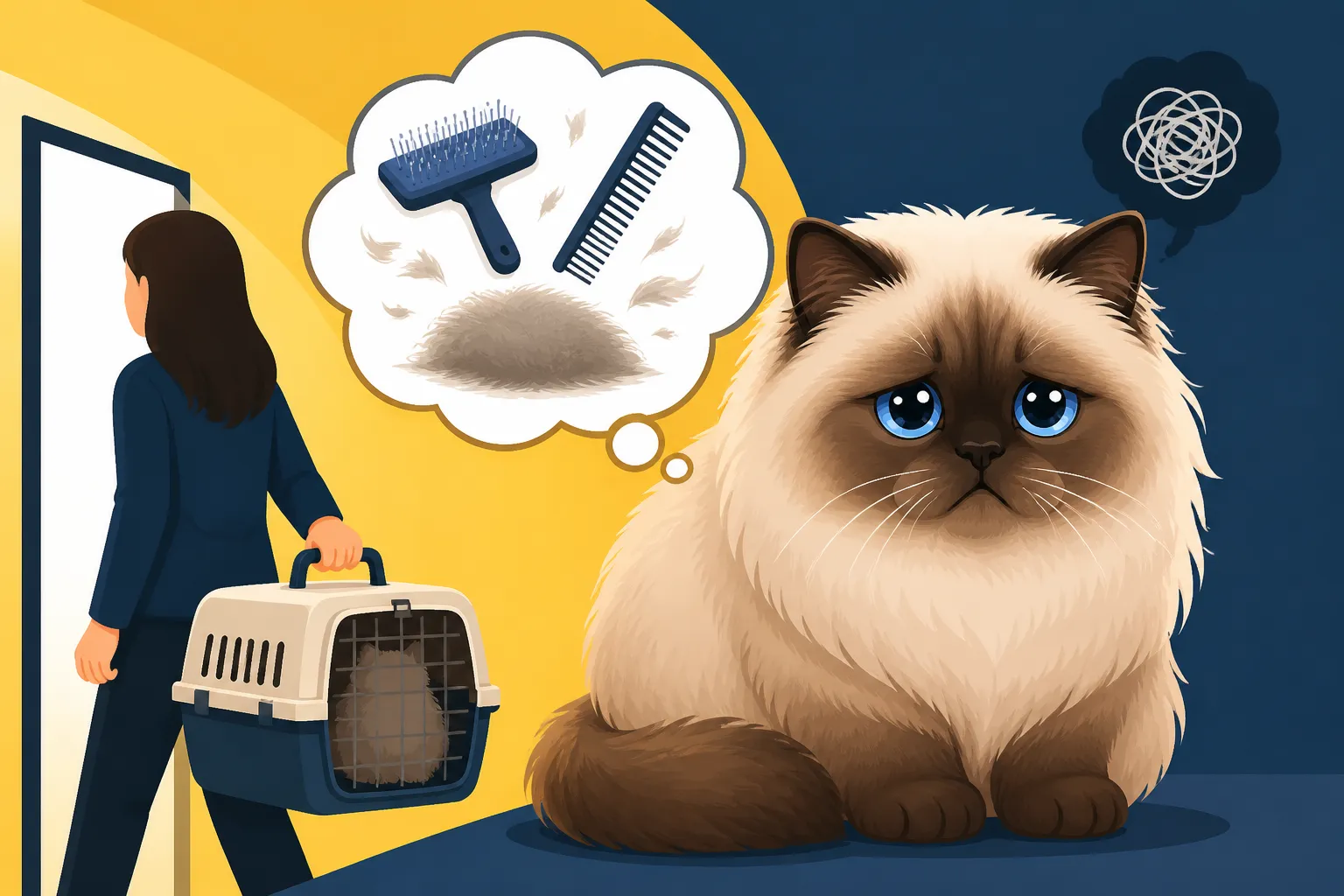
It's a heartbreaking reality: many Himalayan cats, with their utterly enchanting faces and luxurious coats, find themselves in rescues or shelters not because of behavior issues, but because their previous owners simply couldn't keep up with their demanding grooming needs. The truth is, the sheer volume and texture of a Himalayan's coat, combined with their unique facial structure, present a daily commitment that many first-time owners are completely unprepared for. This guide aims to pull back the curtain on these challenges, explaining exactly why grooming can become such a point of contention and what you can do to ensure your beautiful companion thrives in your home.
The Luxurious, Demanding Himalayan Coat
Let's be honest, that stunning, flowing coat is probably one of the main reasons you fell in love with Himalayans in the first place. It's truly magnificent, resembling a cloud of soft fur, complete with a glorious ruff and plume-like tail. But this beauty comes with a significant responsibility, one that's often underestimated until you're elbow-deep in tangles.
Understanding the Double Coat and Its Origins
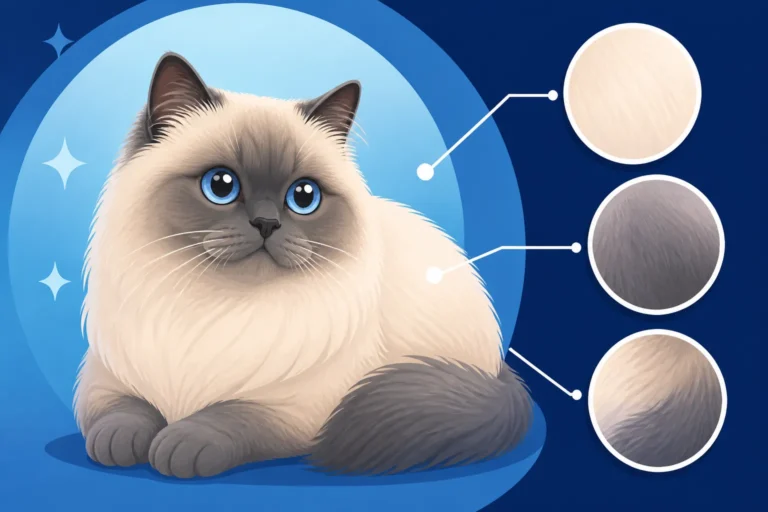
A Himalayan's coat isn't just long; it's a double coat, inherited from its Persian ancestors. This means it has two distinct layers: a longer, coarser outer guard coat that provides protection, and a dense, woolly undercoat that acts as insulation. While this combination keeps them cozy, especially in cooler climates, it's also a mat magnet. The fine, soft undercoat is incredibly prone to tangling and felting, especially when it sheds, getting caught in the longer outer hairs. Imagine trying to comb through two different textures of hair that are constantly intertwining – that's what happens on your Himalayan. This isn't just a minor inconvenience; it's a constant battle against nature, and without daily intervention, mats will form. You might even find yourself wondering How Long a Himalayan's Coat Actually Grows when you see just how much fur they carry!
The Flat Face and Grooming Impediments
Beyond the body coat, a Himalayan's distinctive "flat face" (or "Peke face," if you're referring to the more extreme variety) adds another layer of grooming complexity. While incredibly endearing, this brachycephalic structure means they often struggle to groom themselves effectively. Their short muzzles make it difficult to reach many parts of their own bodies, especially behind their ears, under their chin, and even on their lower back and britches. This self-grooming deficit puts even more responsibility on you, the owner. Moreover, the flattened facial structure often leads to excessive tearing, as the tear ducts can't drain properly. These tears then run down their face, staining the fur and creating dampness in the delicate skin folds around their nose. This dampness isn't just unsightly; it can quickly lead to irritation, skin infections, and a generally uncomfortable cat. Establishing The Morning Face Routine Every Himalayan Needs is critical, not just for aesthetics, but for their health and comfort.
The Daily Grooming Battle: Time, Technique, and Temperament
So, you understand the coat's nature. Now, let's talk about the work involved. It’s more than just a quick brush-through; it's a commitment that shapes your daily life with your Himalayan.
The Time Commitment You Can't Skimp On
Many people imagine a weekly brushing session will suffice for a long-haired cat. For a Himalayan, that's simply not enough. Their coat demands daily attention. We're talking about dedicated time every single day, without fail. If you skip a day, you're not just delaying; you're often creating twice the work for the next day as new tangles have formed and existing ones have tightened. Depending on the density and length of your cat's specific coat, this could be anywhere from 15 to 30 minutes (or even more if a tangle has already started). This daily ritual needs to be factored into your life. It's a non-negotiable part of Himalayan ownership. It’s why some seasoned owners track How Many Minutes a Day a Persian Coat Takes on a Himalayan because it really adds up over time. If you have a busy lifestyle, or often travel, this daily requirement can quickly become overwhelming, leading to neglect even by well-meaning owners.
Mastering the Tools and Techniques
Grooming a Himalayan isn't just about owning a brush; it's about owning the right tools and knowing how to use them. A cheap slicker brush from the supermarket won't cut it. You need a sturdy, wide-toothed metal comb (often called a greyhound comb) to get down to the undercoat, and perhaps a finer comb for the ruff and face. Learning proper "line brushing" is essential, where you part the fur and brush small sections at a time, ensuring you reach the skin. It’s a bit like detangling human hair, but on a much furrier, less cooperative subject! Without the correct tools and technique, you'll only brush the top layer of fur, leaving mats to form unnoticed underneath, close to the skin. This is where a good quality comb becomes an invaluable investment. Knowing Which Steel Comb a Himalayan's Coat Needs is crucial for effective grooming.
When Your Himalayan Isn't a Fan
Let's face it, not every cat adores being groomed. While many Himalayans can be conditioned to tolerate and even enjoy their daily pampering, especially if started young, some simply resist. This resistance can stem from various reasons: an uncomfortable previous experience, mats that cause pain when brushed, or just a strong-willed personality. A grooming session can quickly turn into a wrestling match, with swatting paws and frustrated owners. This struggle, day after day, can be mentally and physically exhausting. Owners, feeling defeated and potentially scratched, might start to shorten sessions or skip days altogether, which, as we know, only exacerbates the problem. It's a vicious cycle that, if not broken, can lead to severe matting. The unfortunate truth is that a cat that actively fights grooming often ends up like a Himalayan that fights it being Why a Himalayan That Fights Grooming Ends Up Sedated for proper care.
The Costly Consequences of Neglect
When daily grooming slides, the problems quickly escalate from minor tangles to serious health concerns, impacting both your cat and your wallet.
Mats: More Than Just a Bad Hair Day
A mat isn't just a knot; it's a dense, painful clump of fur that can pull on the skin, causing extreme discomfort. Mats restrict movement, making it hard for your cat to walk, jump, or even lie down comfortably. They can hide parasites, skin infections, and even wounds from view. As mats grow and tighten, they can cut off circulation to areas of the skin, potentially leading to necrosis. The skin underneath a mat often becomes inflamed, irritated, and can develop painful sores. Imagine wearing a heavy, tight garment that constantly pulls at your skin – that's what a severely matted cat experiences. It's not just an aesthetic issue; it's a welfare issue. At this stage, trying to brush out mats is often cruel and can cause significant pain, requiring professional intervention. This is precisely Why a Matted Himalayan Becomes a Medical Case rather than a simple grooming problem.
Skin Infections and Hygiene Issues
The issues don't stop at mats. The folds in a Himalayan's face, combined with tear staining, create a perpetually damp environment. This is a perfect breeding ground for bacteria and yeast, leading to conditions like fold dermatitis. These infections are incredibly uncomfortable, itchy, and can produce a foul odor. Imagine the discomfort of a constant itch that you can't relieve, right on your face. Similarly, the long fur around their britches can easily become soiled with urine or feces, especially if they have loose stools or a slightly larger build. If not meticulously cleaned, this leads to painful skin scalds and infections. Knowing How Fold Dermatitis Starts Beside a Himalayan's Nose can help you recognize and prevent these painful situations. These hygiene issues are not only unpleasant but also contribute to the cat's overall misery and stress.
The Financial and Emotional Toll of Vet Visits
When grooming is neglected to the point of severe matting or skin infections, a trip to the vet is inevitable, and it won't be cheap. Removing extensive mats often requires sedation or even general anesthesia, especially if the cat is in pain or uncooperative. The cost of this procedure, plus any necessary treatment for underlying skin conditions, can quickly run into hundreds of dollars. Many owners are shocked by these unexpected veterinary bills, compounding their stress. This financial strain, combined with the emotional burden of seeing their beloved pet in distress and feeling responsible for their discomfort, can be immense. It's at this point that some owners, overwhelmed by the commitment and costs, sadly make the decision to surrender their Himalayan. While pet insurance plans, like those offered by Healthy Paws, can help mitigate these costs, the preventative daily grooming is always the best approach.
Preventing Surrender: Proactive Care and Support
The good news is that with the right approach and a clear understanding of what's involved, you can absolutely prevent your Himalayan from ending up in this unfortunate situation. It truly comes down to commitment and consistency.
Establishing a Consistent Routine From Day One
The best defense against grooming-related issues is a proactive approach, starting when your Himalayan is a kitten. Make grooming a positive experience from the very beginning. Short, gentle sessions every day, coupled with praise and delicious treats, can help your kitten associate grooming with pleasure, not pain or fear. Touch every part of their body, gently comb, and regularly inspect their face and ears. Consistency is paramount. Even a few minutes a day will build tolerance and keep small tangles from becoming big mats. It's about slowly desensitizing them and building a habit that they accept as part of their daily life. Learning how to manage Getting a Himalayan Kitten Used to the Comb will pay dividends for years to come.
Seeking Professional Help
You don't have to be an expert groomer to own a Himalayan, but you do need to understand when to call in the professionals. If you're struggling to keep up, or if mats are forming despite your best efforts, a professional groomer can be a lifesaver. They have the expertise, tools, and often the patience to tackle difficult coats. Many owners opt for regular "lion cuts," especially in warmer months, where the body fur is clipped short, leaving the ruff, tail tip, and sometimes "boots" on the legs. This can dramatically reduce daily grooming requirements, giving both you and your cat a much-needed break from the constant battle against mats. Don't view a professional groomer as a failure on your part, but as an essential partner in your cat's well-being. This is where many owners realize Why a Himalayan Owner Ends Up on First Name Terms With a Groomer. Sometimes, professional help is the only way to get a severely matted Himalayan back to comfort, and this often involves a visit to the vet for Why a Matted Himalayan Ends Up Clipped Under Sedation.
Dietary and Environmental Considerations
Believe it or not, diet and environment also play a role in grooming manageability. A high-quality diet, rich in Omega-3 and Omega-6 fatty acids, can promote a healthier skin barrier and a silkier coat that is less prone to matting. You can find excellent options, including those with added coat support, on platforms like Chewy. Additionally, managing tear staining can involve specific dietary changes or daily cleaning with vet-approved wipes to keep the facial area dry and free from infection. The type of litter you use matters too. Clumping litters can cling to long fur, especially around the britches, increasing the risk of matting and hygiene issues. Opt for litters with finer granules or those designed to be less clingy to long fur. It's worth researching Which Litter Does Not Cling to a Himalayan's Britches to reduce daily cleanup.
| Aspect of Care | Proactive Routine | Neglected Routine |
|---|---|---|
| Daily Combing | 15-30 minutes daily with a steel comb | Weekly or less frequent; superficial brushing |
| Facial Care | Daily wiping of tear tracks and nose fold | Irregular cleaning; dampness persists |
| Mat Prevention | Consistent line brushing, immediate tangle removal | Tangles allowed to grow, hidden mats develop |
| Skin Health | Healthy, clean skin; good air circulation | Irritated, infected skin; hidden sores |
| Coat Condition | Soft, flowing, tangle-free, good contrast | Matted, dirty, greasy, painful |
| Vet Involvement | Routine check-ups, preventative care | Emergency visits for sedation, mat removal, infection |
| Owner Effort/Cost | Daily time investment, cost of quality tools | High vet bills, emotional distress, potential surrender |
Understanding the Commitment
Owning a Himalayan is a true joy, but it’s a specific kind of joy that comes with specific responsibilities. They are not a low-maintenance breed when it comes to grooming. Their beauty is a direct result of dedicated care. If you are considering bringing a Himalayan into your home, be brutally honest with yourself about the time, patience, and financial resources you can commit to their grooming needs for their entire lifespan, which can be The Nine to Fifteen Years a Himalayan Usually Gets. It’s a lifelong partnership where you are responsible for their comfort and well-being, and proper grooming is at the heart of that. When you truly embrace this commitment, the bond you form through these daily routines will be incredibly strong, and you'll have a healthy, happy, and magnificent companion by your side. Remember, the investment you make in daily grooming truly saves you much larger costs and heartache down the road. It’s part of What Fifteen Years of a Himalayan's Coat and Face Costs, but it's an investment in their happiness.
Disclaimer
This article is for general informational purposes only and does not constitute professional advice. Laws, prices and regulations vary by location and change over time. Consult a qualified professional for guidance on your specific situation.