Why a Himalayan Owner Ends Up on First Name Terms With a Groomer
It’s a scenario many Himalayan cat owners know all too well: you start out with the best intentions, armed with brushes and combs, convinced you can keep that magnificent coat pristine yourself. Yet, despite your diligent efforts, you soon find yourself staring at a stubborn mat, or a general dullness, that seems utterly beyond your capabilities. This guide is for those moments, diving deep into why professional groomers become an indispensable part of a Himalayan's care routine and why you'll likely get to know yours on a first-name basis.
The Unique Challenges of the Himalayan Coat
Owning a Himalayan cat is an absolute joy, but it comes with a certain responsibility, especially when it comes to their glorious, flowing coat. This isn't just any long hair; it's a dense, luxurious, and sometimes quite challenging feature that often necessitates more than just a quick brush at home. Many new owners, and even some seasoned ones, underestimate just how much specialized care this coat demands.
Density and Texture: A Mat's Best Friend
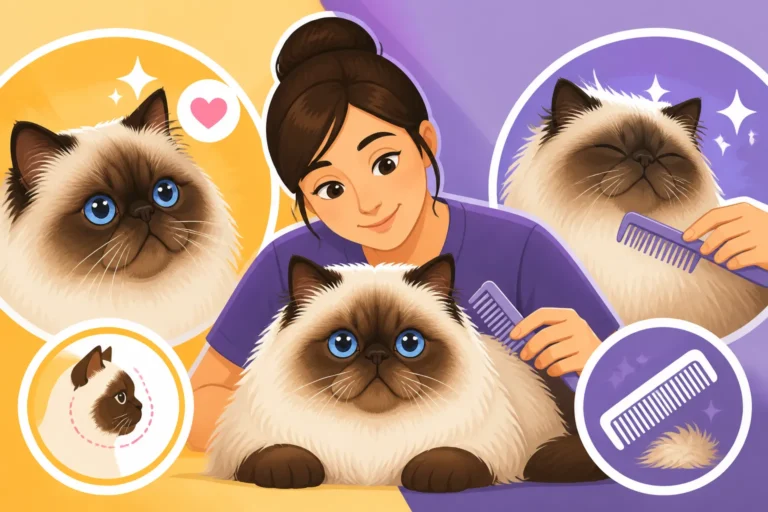
Himalayans inherit their long, dense double coat primarily from their Persian ancestry. This isn't a single layer of fur; it's a rich outer guard coat and a very fine, cottony undercoat. While stunning to look at and incredibly soft to touch, this combination is, frankly, a mat magnet. The fine undercoat loves to tangle, especially when shed hairs get caught within the longer guard hairs. A single day of missed combing can see a small knot transform into a formidable mat, particularly in high-friction areas like behind the ears, under the armpits, or on the "britches" around their hindquarters. It’s like trying to comb out wet cotton candy – it just clings to itself. You might feel like you're doing a good job with your daily comb, but those deeper tangles can sneak up on you, forming a solid, unforgiving clump beneath the surface that a standard brush simply glides over. This unique texture is a big part of Why a Himalayan Mats Faster Than a Ragdoll's, a distinction many long-haired cat owners might not initially realize.
Anatomy That Makes Grooming Tricky
Beyond the coat itself, the very structure of a Himalayan cat contributes to grooming challenges. These are cobby, heavily boned cats with short legs and a distinctively flat or "peke" face, depending on their specific breeding. While these traits are part of their charm, they also present physical limitations for self-grooming. A Himalayan often struggles to reach certain parts of its body effectively due to its cobby frame and relatively short legs. Imagine trying to thoroughly clean your own lower back or the backs of your thighs with very short arms – it’s just not going to happen.
This means areas like the underbelly, the inside of the hind legs (the britches), and even behind their ears become prime spots for mats to develop. An older or less agile Himalayan, or one carrying a bit too much weight, will find these tasks even more difficult. This inability to properly self-groom is why Why an Overweight Himalayan Cannot Reach Its Britches is such a critical consideration for their overall health and coat maintenance. What seems like laziness isn't always laziness; it's often a physical impossibility for them.
When Home Grooming Isn't Enough: The Case for Professional Help
No matter how dedicated you are to your daily combing routine, there will likely come a time when you face a grooming challenge that feels insurmountable. This isn't a failure on your part, but rather a testament to the unique demands of the Himalayan coat. Trying to tackle severe issues at home can often lead to more stress for both you and your beloved cat, and sometimes even accidental injury.
Mats and Pelts: Beyond the Home Comb's Reach
A small mat can quickly escalate into something far more serious: a pelt. A pelt is essentially a solid, felted layer of matted fur that lies tight against the skin. It can cover large sections of the body, restricting movement, pulling at the skin, and causing significant pain and discomfort. These aren't just cosmetic issues; pelts can hide skin infections, parasites, and sores underneath, creating a breeding ground for bacteria and causing intense itching. Attempting to cut out a pelt at home with scissors is incredibly risky. Himalayan skin is delicate and thin, and it's shockingly easy to accidentally snip a piece of skin, leading to a painful wound that will require veterinary attention. Many owners have discovered this the hard way, thinking they were being careful, only to find the skin pulled up into the mat more than they realized. This is why Working a Mat Out From Under a Himalayan's Points often requires the precision and specialized tools of a professional.
When a mat becomes this severe, it often requires careful shaving, sometimes even under light sedation at the vet, which is an additional cost and stress that no one wants. This is the stark reality behind Why a Neglected Himalayan Ends Up Sedated for Clipping. A groomer, on the other hand, is trained to identify and safely remove these serious mats, minimizing stress and preventing injury. They understand the different types of mats, from the superficial to the deep-seated, and know exactly how to approach each one without causing distress or harm.
The Flat Face and Eye Care Connection
The Himalayan's distinctive flat face, or brachycephalic structure, is undeniably adorable, but it also creates specific challenges, particularly around the eyes and nose fold. Many Himalayans experience chronic tearing, leading to tear stains that can become quite prominent, especially on lighter-colored coats. This constant dampness can also lead to skin irritation and bacterial growth in the deep folds around their nose. While daily wiping is absolutely essential, as highlighted in Why a Himalayan's Face Must Be Wiped Every Day, sometimes it's not enough to prevent staining or address deeper issues.
A professional groomer can offer more than just a routine wipe. They can carefully trim the delicate hairs around the eyes to prevent them from wicking moisture and accumulating debris. They can also provide a thorough cleaning of the nose fold, using specialized, cat-safe products that go beyond what you might have at home. For persistent staining, some groomers might offer advice on diet or supplements that could help, or recommend specific gentle cleansers. Brands like Chewy often carry a variety of gentle eye wipes and cleansers suitable for sensitive feline faces, which can be useful for home maintenance between professional visits. This focused attention on their unique facial structure ensures better hygiene and comfort, preventing the buildup that can lead to irritation or infection.
The Benefits of a Professional Groomer
When you invest in a Himalayan, you're investing in a cat that truly needs a village, and a professional groomer is a vital part of that village. They bring a level of expertise, equipment, and efficiency that most home environments simply can't replicate, making the grooming process safer, more thorough, and ultimately, less stressful for everyone involved.
Expertise and Specialized Tools
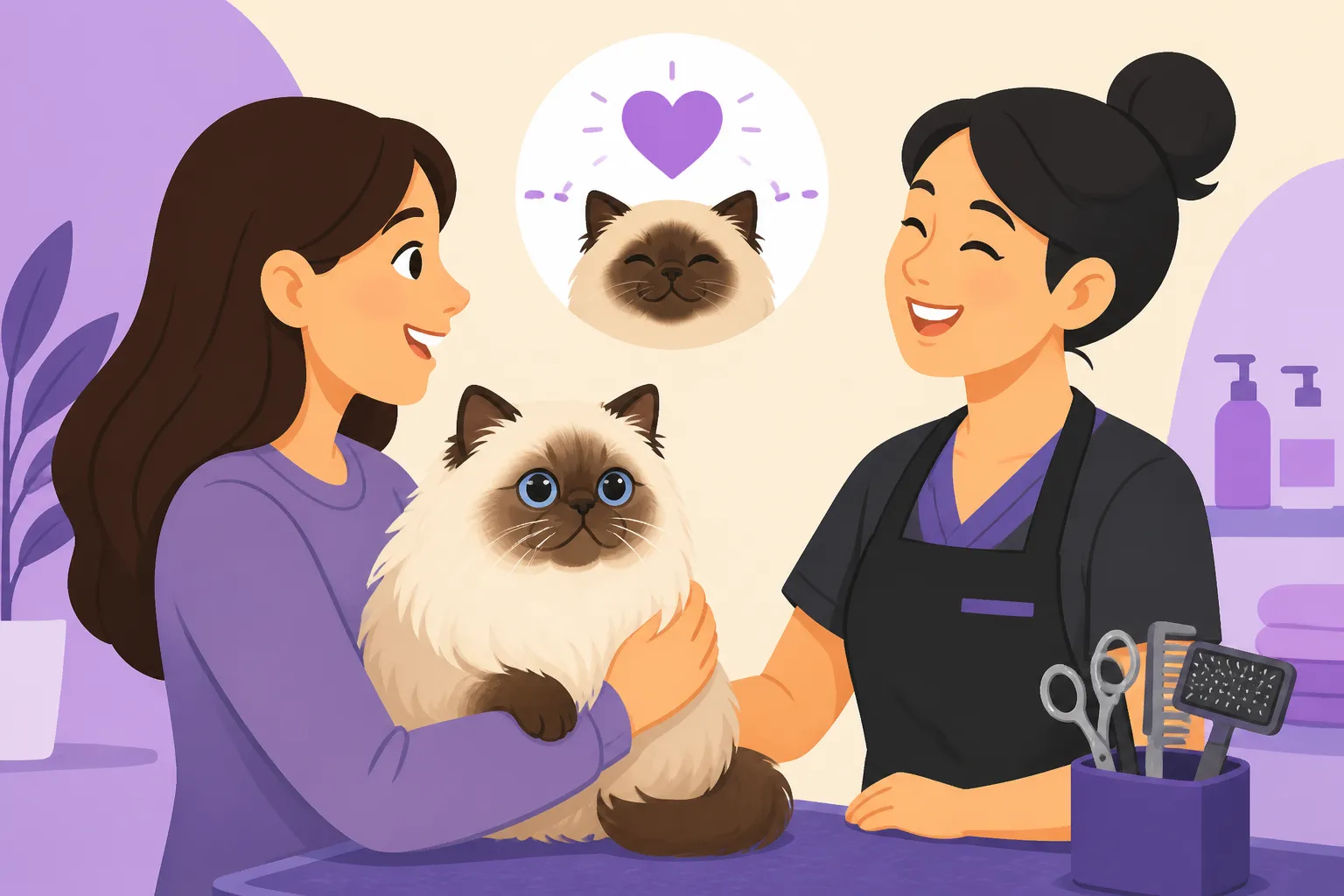
Think of a professional groomer as a highly skilled artisan for your cat's coat. They possess an understanding of feline anatomy, coat types, and behavior that goes far beyond what an average owner can learn from a few online tutorials. They've seen it all – from the tiniest tangle to the most severe, concrete-like pelts – and they know exactly how to approach each situation safely and effectively. Their hands are trained to feel for hidden mats, identify sensitive areas, and work with the cat's natural movements rather than against them.
Beyond their knowledge, groomers have access to specialized tools that are simply not practical or affordable for most pet owners. This includes various types of combs, from wide-toothed detanglers to fine-toothed finishing combs, all designed to work through specific sections of a dense coat without causing pain. High-velocity dryers are a game-changer; they not only dry the coat quickly and thoroughly (preventing dampness that can lead to new mats) but also help to "blast" out loose undercoat, significantly reducing shedding and future tangles. Clippers are another essential tool, used for safe mat removal, sanitary trims, and even full lion cuts, like those mentioned in What a Groomer Charges for a Himalayan Lion Cut. These aren't just basic human hair clippers; they're designed for animal fur, with different blades for various coat types and lengths, reducing the risk of nicks and razor burn. This combination of skill and specialized equipment means a groomer can achieve a level of cleanliness and comfort for your Himalayan that is incredibly difficult, if not impossible, to achieve at home.
Reducing Stress for You and Your Cat
Let's be honest, trying to comb out a stubborn mat from a squirming, protesting cat can be incredibly stressful for both of you. Many cats simply tolerate grooming, and for some, it's a deeply unpleasant experience. This stress can lead to negative associations with grooming, making future attempts even harder. A professional groomer, especially one experienced with cats, understands feline behavior. They often employ techniques to keep cats calmer, such as working in quiet environments, using gentle handling, and knowing when to take a break. They can also work more efficiently, getting the job done quicker, which means less time for your cat to be stressed.
For an owner, handing over the responsibility of a difficult grooming task to a professional can be a huge relief. No more wrestling matches, no more guilt over accidentally hurting your cat, and no more frustrating hours spent trying to untangle impossible knots. When your Himalayan returns home, freshly groomed and feeling much more comfortable, you'll both benefit from the reduced tension. This can actually strengthen your bond, as grooming ceases to be a source of conflict and becomes a pleasant routine facilitated by an expert. Regular professional grooming means you can focus on the cuddly, affectionate side of your Himalayan, rather than dreading the next battle with the brush.
Finding and Working With Your Himalayan's Groomer
Deciding to bring a professional groomer into your Himalayan's care routine is a fantastic step towards ensuring their comfort and health. But not all groomers are created equal, especially when it comes to the unique needs of a long-haired, brachycephalic cat. Taking the time to find the right fit and then fostering a good relationship with them will pay dividends for years to come.
What to Look For in a Cat Groomer
Finding the right groomer for your Himalayan is akin to finding the right pediatrician for your child – you want someone knowledgeable, gentle, and experienced. First and foremost, seek out a groomer who is cat-specific or has extensive, proven experience with felines, especially long-haired breeds like Persians and Himalayans. Dog groomers, while skilled, often use techniques and environments that can be overwhelming or inappropriate for cats. Ask about their training, certifications (e.g., Certified Feline Master Groomer), and how they handle nervous or resistant cats. A good feline groomer will prioritize low-stress handling and create a calm, quiet atmosphere.
Don't be shy about asking for a tour of their facility or requesting references. Observe the environment: Is it clean? Does it smell fresh? Are there separate areas for cats and dogs? Inquire about their procedures for mat removal, sanitary clips, and eye care. You want someone who understands the delicate skin under a Himalayan's dense coat and the sensitivities of their flat face. Transparency about their methods and pricing is also a good sign. Ultimately, you're looking for a professional who views grooming as a partnership with you, focused on your cat's well-being.
Preparing for a Grooming Appointment
Once you've found your ideal groomer, preparing your Himalayan for their appointment can help make the experience smoother. Start by ensuring your cat is as calm as possible before leaving the house. A gentle play session or a quiet cuddle can help. If your cat tends to get anxious in carriers or during car rides, talk to your vet about potential mild, temporary sedatives or calming supplements they might recommend. When you arrive at the groomer, be prepared to provide a full medical history, including any allergies, sensitivities, or behavioral quirks. Inform them about any areas where mats are particularly problematic, or if your cat has any current skin issues, like those that might lead to an abscess.
Clearly communicate your expectations for the groom. Do you want a full lion cut, just mat removal, or a tidy-up of their britches? Discuss the frequency of appointments – many Himalayan owners find a professional groom every 6-8 weeks, or even quarterly, keeps the coat in optimal condition, complementing their diligent home care. Remember, consistency is key, and getting on a regular schedule with your chosen groomer can build trust and make future visits easier for your cat.
Bridging Home Care and Professional Care
Professional grooming is an invaluable tool, but it doesn't entirely replace your role in your Himalayan's daily care. Instead, it works in tandem with your efforts, creating a comprehensive grooming strategy. Between professional appointments, your daily combing routine remains crucial, even if it feels like you're just preventing new problems rather than solving old ones. A good quality steel comb, like those recommended in Which Steel Comb a Himalayan's Coat Needs, used for a few minutes each day, can go a long way in preventing minor tangles from escalating. Focus on those prone areas: armpits, britches, behind the ears. For advice on these sensitive spots, see Combing a Himalayan's Britches Without Turning It Over.
Your groomer can also offer invaluable advice on products and techniques for home use. They might suggest specific brushes, detangling sprays, or even dietary supplements or specialized foods that promote healthy skin and coat. A well-nourished cat often has a healthier coat that's easier to manage. Furthermore, if you ever suspect a severe mat has caused a skin issue, or if your cat seems unusually uncomfortable after a grooming session, don't hesitate to consult your veterinarian. Having pet insurance like Healthy Paws can be a real lifeline if these issues require medical attention, covering unexpected vet bills related to skin infections, injuries from mats, or even sedation for severe mat removal. By combining your daily diligence with a professional's expertise, you create a seamless system that ensures your Himalayan remains comfortable, beautiful, and healthy from head to tail.
| Feature | Home Grooming (Daily) | Professional Grooming (Periodic) |
|---|---|---|
| Purpose | Maintenance, bonding, minor detangling | Deep cleaning, mat removal, sanitary clips |
| Tools Used | Steel comb, slicker brush, wipes | High-velocity dryer, specialized clippers, various combs, bathing equipment |
| Common Issues | Missed mats, superficial tangles, tear stains | Severe pelts, hidden skin issues, deep cleaning needs |
| Time Investment | 15-30 minutes daily | 1-3 hours per session, typically every 6-12 weeks |
| Cost | Initial tool purchase | Per-session fee, varies by service |
| Stress Level | Low to moderate (for minor tangles) | Can be high initially, but reduced with experienced groomer |
| Outcome | Tidy appearance, prevents minor issues | Thoroughly clean, mat-free, specialized care for face/paws |
Disclaimer
This article is for general informational purposes only and does not constitute professional advice. Laws, prices and regulations vary by location and change over time. Consult a qualified professional for guidance on your specific situation.