What a Himalayan Really Costs Once the Coat Is Counted
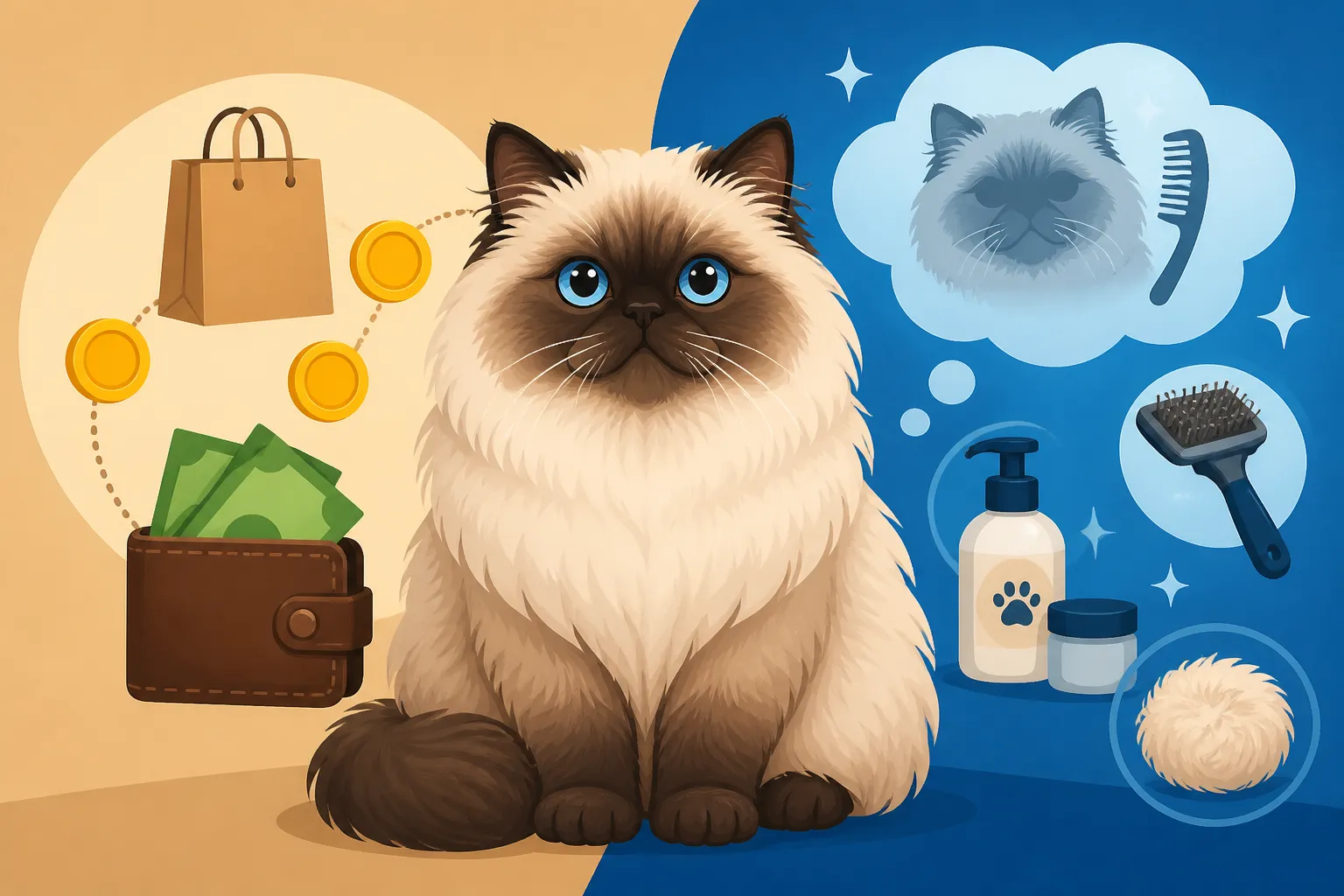
Many prospective Himalayan cat owners are captivated by their stunning looks, their plush, long coats, and those captivating blue eyes. What often gets overlooked, however, is the very real financial and time commitment that comes with maintaining that magnificent coat and managing the unique physical traits that accompany it. This guide will walk you through the true ongoing costs of Himalayan ownership, peeling back the layers of initial purchase price to reveal the substantial investment required to keep your fluffy companion healthy and happy, focusing particularly on the impact of their dense, beautiful fur.
The Himalayan Coat: A Daily Commitment, Not a Choice
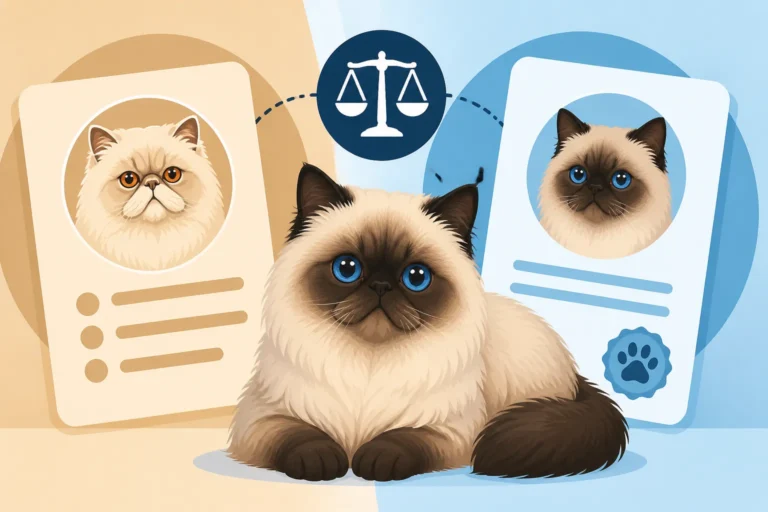
The Himalayan cat, a delightful blend of Persian grace and Siamese charm, inherits its luxurious, dense coat primarily from its Persian lineage. This isn't just a pretty accessory; it's a living, breathing part of your cat that demands constant attention, and by extension, a significant portion of your ownership budget. Ignoring it isn't an option unless you're prepared for serious health and financial repercussions.
Understanding the Unique Double Coat
A Himalayan's coat is a true double coat, meaning it has a soft, thick undercoat for warmth and a longer, coarser outer guard coat. This combination creates that characteristic voluminous, flowing appearance. It’s absolutely stunning to look at and incredibly soft to touch, but it’s also a magnet for anything and everything in your home. Dust bunnies, loose hair, stray crumbs, carpet fibers – you name it, it’s going to find its way into that glorious fur. The sheer volume and texture of this coat mean that loose hairs don't just fall out; they get tangled with the surrounding fur, creating knots that quickly escalate into painful, skin-tight mats. This is not a coat you can just brush once a week and be done with. It's an everyday affair.
The Inevitable Reality of Mats and Tangling
Imagine a tiny piece of Velcro constantly attracting debris, and you're getting close to understanding the matting potential of a Himalayan's coat. A single skipped day of grooming can lead to small tangles, and two or three missed days can result in mats that are almost impossible to comb out without causing your cat discomfort. These mats aren't just cosmetic issues; they can pull on the skin, causing pain and irritation. Underneath a severe mat, the skin can't breathe properly, leading to skin infections, hot spots, and parasites that go unnoticed. It’s a vicious cycle where discomfort makes the cat less tolerant of grooming, leading to more mats, and so on. If you ever find yourself thinking, "Oh, I'll just get to it tomorrow," remember Why a Missed Day Costs a Himalayan a Mat and prioritize that comb session.
Essential Tools and Routines: Your Grooming Arsenal
Before you even bring your Himalayan home, you need to invest in the right tools. This isn't just about buying a brush; it's about acquiring a specific set of high-quality instruments designed to tackle the unique challenges of a long, dense coat and a flat face. Skimping here will only cost you more in the long run.
Investing in the Right Grooming Equipment
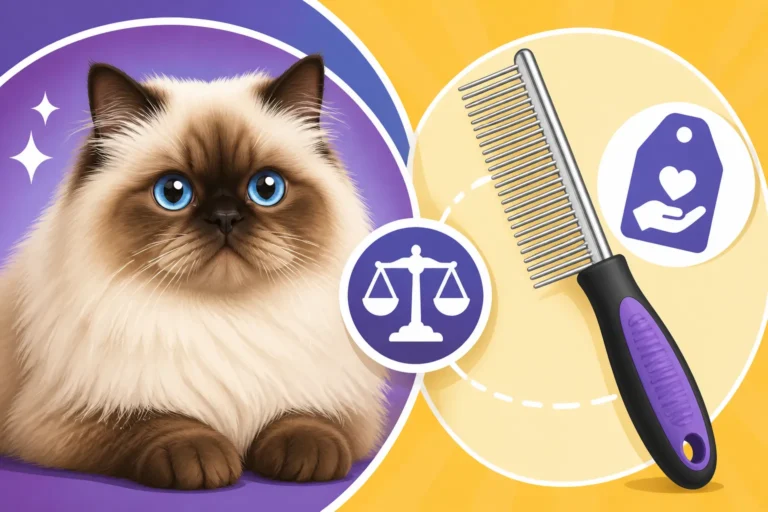
Your arsenal should include a sturdy metal comb with both wide and fine teeth, often referred to as a greyhound comb. This is your primary weapon against tangles and your best friend for getting right down to the skin to ensure no mats are lurking. Many owners find a slicker brush helpful for surface fluff, but it's the comb that truly prevents problems. You'll also need blunt-nosed scissors for carefully trimming around sensitive areas like the eyes, paws, and sanitary regions. Ear cleaner formulated for cats and plenty of soft cotton pads are also critical, as those small, low-set ears can trap dirt and wax. Finally, invest in specialized facial wipes or a soft cloth and warm water for daily face cleaning. Brands like Chewy offer a wide selection of grooming tools, from combs to wipes, making it easier to gather everything you need in one place.
Mastering the Daily Grooming Ritual
The golden rule for Himalayan ownership is simple: comb daily. Yes, every single day. The Daily Comb a Himalayan Cannot Skip is not an exaggeration. Dedicate at least 15-30 minutes to a thorough comb-through, paying special attention to areas prone to matting: behind the ears, under the "armpits," on the belly, and the "britches" around the hind legs. This isn't just about removing loose hair; it's a bonding experience. Start this routine with your kitten early, making it a positive, calm time with treats and praise. The more accustomed your cat is to being handled and groomed, the less stress it will cause for both of you as they age. Learning Which Steel Comb a Himalayan's Coat Needs can make all the difference in efficiency and effectiveness.
Addressing the Himalayan's Unique Facial Needs
Beyond the coat, the Himalayan's distinctive flat face, inherited from its Persian side, presents its own set of daily care requirements and associated costs. Those large, expressive blue eyes tend to tear up, and those tears can leave unsightly, rust-colored stains on their pale fur. If left unattended, this dampness can lead to skin irritation and infections in the folds around their nose. This means a mandatory morning routine of gently wiping their face and drying the folds. Why a Himalayan's Face Must Be Wiped Every Day is a lesson learned quickly by any owner. You'll go through a surprising amount of soft, cat-safe wipes or cotton balls, and possibly even tear stain removers, adding to your regular pet supply bill. While many products promise miracles, consistent, gentle cleaning is often the most effective and healthiest approach.
Beyond the Brush: Hidden Costs of Coat and Conformation
The costs associated with a Himalayan's coat and flat face extend beyond just grooming supplies. These breed-specific traits can influence everything from their diet and hydration to the type and frequency of veterinary care they require, impacting your overall budget in ways you might not initially anticipate.
Diet, Hydration, and Digestion
A Himalayan's luxurious coat and compact, cobby body can sometimes make eating and drinking a bit of a challenge. Their flat faces mean they often struggle with deep bowls, pushing food out onto their ruff or having difficulty scooping up kibble. This isn't just messy; it can lead to inefficient eating and potentially impact their nutrition. Many owners find success with shallow, wide dishes or even raised bowls that prevent their cat from bending too far and soiling their beautiful ruff. The type of food can also play a role in coat health and tear staining; some owners find that certain kibble shapes or wet food formulations are easier for their flat-faced companions to manage. Customized meal plans tailored to a cat's specific needs might be a higher upfront cost, but they can contribute to overall health and coat quality, potentially reducing vet visits down the line. Adequate hydration is also crucial, especially with a dense coat that can lead to overheating. Wide, shallow water bowls or even pet fountains might be necessary to encourage drinking.
Veterinary Care: Proactive vs. Reactive Spending
Neglecting a Himalayan's coat can quickly turn a grooming issue into a costly veterinary one. Severe matting often requires professional grooming, sometimes even sedation, to remove safely without injuring the cat. Underneath those mats, skin infections, parasites, or even wounds can fester, necessitating veterinary treatment, antibiotics, or special shampoos. The flat face also predisposes Himalayans to certain health concerns, such as stenotic nares (narrow nostrils) and elongated soft palates, which can impair breathing. Why a Himalayan Overheats Twice as Fast as a Siamese is directly related to these respiratory challenges and their thick coat. In severe cases, surgical correction might be recommended, representing a significant expense. Their crowded jaws also make them prone to dental issues, often requiring more frequent professional cleanings than other breeds. Why a Himalayan Needs Dentals Earlier Than a Siamese illustrates another area where proactive care, like daily tooth brushing (if your cat allows it), can mitigate future costs, but vet visits will still be essential. Choosing a vet who is experienced with brachycephalic (flat-faced) breeds is vital, as their anesthetic protocols often need to be modified.
Professional Grooming and "Emergency" Situations
While daily home grooming is non-negotiable, many Himalayan owners still opt for professional grooming every few months. This is especially true for lion cuts, which can help manage the coat during warmer months or when mats become too challenging for the owner. A professional groomer has the expertise and specialized tools to ensure a thorough, safe trim, but these services come at a cost. If you find yourself in a situation where your Himalayan's coat is severely matted, a trip to the vet for a sedated shave-down is often the only safe solution, which is far more expensive than a regular grooming appointment. This is a prime example of Why a Matted Himalayan Becomes a Medical Case. The cost of these "emergency" grooming sessions, combined with potential treatment for underlying skin issues, can quickly add up, dwarfing the cost of routine care. Remember, How Much an Hour a Week of Himalayan Combing Saves in Vet Bills is a powerful incentive for diligence.
Long-Term Budgeting for Your Fluffy Companion
Owning a Himalayan is a long-term commitment, often spanning 12-15 years or more. Understanding the cumulative effect of these daily and recurring expenses is crucial for responsible ownership. It's not just about the initial purchase price; it's about being prepared for the lifetime of care.
Insurance Considerations for Breed-Specific Traits
Given the breed's predispositions to certain health issues related to their coat, flat face, and genetics (like Polycystic Kidney Disease, or PKD, inherited from their Persian side), pet insurance can be a wise investment. While it won't cover pre-existing conditions, a good policy can help offset the costs of unexpected illnesses, accidents, or even chronic conditions that arise later in life. Companies like Healthy Paws offer various plans, and it's worth exploring how they handle breed-specific conditions. Reading the fine print is essential to understand what is covered, especially concerning issues like respiratory problems or skin conditions that might be considered "maintenance" rather than "illness" by some policies. Having insurance can provide immense peace of mind when facing a sudden vet bill that could otherwise be financially crippling.
Factoring in the "Time Cost" of Care
Beyond the monetary costs, there's a significant "time cost" associated with owning a Himalayan. The daily grooming, face wiping, and careful observation for any signs of discomfort or matting require consistent effort and dedication. This isn't a "set it and forget it" kind of cat. If your lifestyle doesn't allow for this daily time commitment, you might find yourself constantly battling coat issues or spending more on professional services. Moreover, understanding your Himalayan's unique needs, such as ensuring they don't overheat due to their coat and flat face, means being mindful of ambient temperatures and providing a cool environment. Why a Himalayan Cannot Cool Itself by Panting makes this especially important during warmer months. This time investment is part of the true cost of providing a high quality of life for your beautiful, high-maintenance companion.
| Expense Category | Description | Frequency | Typical Cost Impact |
|---|---|---|---|
| Grooming Tools | Metal combs, slicker brushes, blunt scissors, nail clippers | Annually/Bi-Annually | Moderate initial, low ongoing |
| Daily Face Wipes/Solutions | Specific wipes or gentle cleansers for tear stains and nose folds | Daily | Low to Moderate ongoing |
| Professional Grooming | Lion cuts, de-matting, sanitary trims (if not DIY) | Quarterly/Bi-Annually | Moderate to High, variable |
| Specialized Food/Bowls | Wet food, specific kibble, shallow/raised dishes to accommodate flat face | Monthly/As needed | Moderate to High ongoing |
| Vet Visits (Routine) | Annual check-ups, dental cleanings, potential genetic screening | Annually | Moderate to High |
| Vet Visits (Issue-Specific) | Skin infections, respiratory issues, emergency de-matting | As needed | Potentially Very High |
| Pet Insurance | Policy premiums for accident/illness coverage | Monthly/Annually | Moderate ongoing |
| High-Quality Litter | Low-dust, non-clumping options to prevent coat adherence | Monthly | Moderate ongoing |
Ultimately, the true cost of a Himalayan cat extends far beyond their adoption fee. It’s a continuous investment in their unique grooming, health, and dietary needs. But for those willing to commit, the reward is a loyal, affectionate, and utterly beautiful companion who fills your home with quiet charm and endless purrs. Just be prepared to make that daily combing a part of your life – and your budget!
Disclaimer
This article is for general informational purposes only and does not constitute professional advice. Laws, prices and regulations vary by location and change over time. Consult a qualified professional for guidance on your specific situation.