What an Hour a Week of Himalayan Combing Saves in Vet Bills
Oh, the magnificent Himalayan cat! With that glorious, flowing Persian coat and those captivating blue eyes, they truly are living works of art. But anyone who shares their home with one of these regal beauties knows that all that splendor comes with a significant responsibility: grooming. It's not just about keeping them looking good for Instagram, though they certainly nail that. Skipping out on regular combing can quickly snowball from a minor inconvenience into a full-blown medical emergency, racking up vet bills that can make your eyes water almost as much as your Himmy's do after a long day! This guide is going to break down exactly how that hour a week of diligent combing can save you a small fortune in unexpected veterinary expenses, and more importantly, keep your beloved feline comfortable and healthy.
The Hidden Costs of Neglected Himalayan Grooming
It’s so easy to let life get in the way, isn't it? One day you’re perfectly on schedule with your Himmy’s comb-out, the next you’ve had a busy week, and suddenly a few days have slipped by. You might think, "Oh, it's just a little knot, I'll get it tomorrow." But with a Himalayan, that little knot can rapidly become a felted mat, and those mats hide a whole world of trouble, both seen and unseen. The longer they’re left, the more painful and problematic they become, inevitably leading to a vet visit that could have been entirely avoided.
Mats as a Medical Emergency
When those beautiful long hairs tangle together and felt, they don't just sit on the surface. They pull at the skin, creating constant tension and discomfort. Imagine wearing a sweater that's too tight and constantly tugging at your skin – now imagine that feeling all over your body, unable to be removed. That's what a mat feels like to your Himalayan. These mats can restrict movement, making it hard for them to walk, jump, or even stretch properly. They also create a breeding ground for other issues, turning a cosmetic problem into a serious health concern. This is why a simple mat can become a crisis, requiring professional intervention.
It's not uncommon for owners to discover severe matting only when their cat starts showing signs of extreme pain or refuses to move. By this point, the mats are often rock-hard and extremely close to the skin, making them impossible to remove at home without causing injury. Trying to cut them out with scissors is incredibly risky because the skin can be pulled up into the mat, leading to accidental cuts and lacerations. Many a well-meaning owner has ended up in the emergency vet clinic with a cat bleeding from a well-intentioned but misguided grooming attempt. A cat's skin is incredibly delicate and thin, especially under those dense mats.
Furthermore, these tight mats can constrict blood flow and even lead to nerve damage if left for too long. We're talking about more than just superficial discomfort here; prolonged severe matting can affect circulation and the overall health of the underlying tissues. It also impacts their ability to regulate body temperature, making them prone to overheating, especially in warmer climates. The sheer weight and tightness of the mats can make them miserable, leading to changes in appetite, activity level, and even their usual affectionate demeanor.
Skin Issues Lurking Beneath the Coat
Beneath that luxurious coat, a mat acts like a sealed environment. Air cannot circulate, and moisture gets trapped against the skin. This creates the perfect breeding ground for bacteria and yeast, leading to painful skin infections, hot spots, and dermatitis. You might not even realize it’s happening until the smell becomes noticeable, or your cat starts excessively licking or scratching a particular area, often making the problem worse. The thick fur of a Himalayan can hide a wound for days.
These skin infections aren't just an itch; they can be incredibly painful and require veterinary attention, including antibiotics, anti-inflammatory medications, and medicated shampoos or topical treatments. Think about the costs piling up: the initial vet visit, the prescription medications, and potentially follow-up appointments. Sometimes, the matting is so severe that the cat needs to be shaved down entirely to properly treat the skin underneath, which adds to the expense and can be a traumatic experience for your Himmy.
Even without a full-blown infection, the constant pulling of mats can cause skin irritation and lesions. The skin can become raw, inflamed, and tender, making any touch excruciating for your cat. This can lead to your cat becoming defensive and difficult to handle, even for necessary procedures. It’s a vicious cycle where discomfort leads to avoidance of grooming, which leads to more matting and more discomfort. Regularly checking the skin as you comb means you can catch these minor irritations before they escalate.
The Toll on Mobility and Comfort
Beyond the direct medical costs, neglected grooming impacts your Himalayan's overall quality of life and comfort. Imagine not being able to fully stretch, or having your legs pulled uncomfortably every time you try to walk. Severe matting, especially around the legs, armpits, and hindquarters, can seriously impede their movement. A Himmy is already a pretty cobby cat, meaning they have a stocky build with short legs. Add restrictive mats to that, and they become even more sedentary, further exacerbating other health issues like obesity.
When a cat can't groom themselves properly – and heavily matted cats certainly can't – their coat loses its natural oils, becoming dull, greasy, or dirty. They may even stop trying to clean themselves altogether, especially if they are already overweight, as an overweight Himalayan cannot reach its britches. This leads to an unkempt appearance, not to mention the potential for hygiene issues, such as feces getting trapped in mats around the rear end. This can cause severe discomfort, odor, and even more serious skin infections.
The psychological impact on your cat can also be significant. A cat that is constantly uncomfortable and in pain may become withdrawn, depressed, or even aggressive when approached. Their personality can change, and the bond you share can suffer. This isn't just about avoiding a bill; it's about ensuring your companion lives a happy, pain-free life. A happy cat is less stressed, and a less stressed cat often has a stronger immune system, further reducing the chances of other illnesses.
Understanding the Vet Bill: What You Pay For
So, you’ve reached the point where the mats are too much, and a vet visit is unavoidable. It’s important to understand that removing severe matting isn't just a quick clip; it often involves a comprehensive procedure that carries its own set of risks and costs. It's far more complex and expensive than simply taking your cat to a professional groomer for a routine trim or de-matting session. The vet's office is equipped for medical procedures, and the pricing reflects that.
Sedation and Shaving: A Necessary Expense
For severe matting, especially when the mats are tight against the skin and the cat is in pain or uncooperative, sedation is almost always necessary. Trying to forcibly remove mats from an already stressed and hurting cat is dangerous for both the cat and the veterinary staff. Anesthesia or heavy sedation allows the vet to safely and thoroughly shave off all the matted fur without causing further trauma or injury. This isn't a light sedative; it's a careful medical procedure that requires monitoring. Why a Himalayan Is a Harder Anesthetic Than a Siamese is something your vet will be very aware of.
The cost of sedation alone can be substantial, as it involves pre-anesthetic blood work to ensure your cat is healthy enough for the procedure, the sedative itself, monitoring equipment, and dedicated veterinary staff to keep an eye on your cat throughout the process and during recovery. There's always a risk with anesthesia, however small, and veterinary clinics take every precaution. This makes the procedure much more expensive than a regular grooming appointment. It's a medical intervention, not just a haircut.
On top of the sedation, there's the actual shaving. This isn't a quick job. Working carefully around sensitive skin, potential sores, and the cat’s unique anatomy takes time and skill. The veterinary technician or vet will often use specialized clippers and blades to ensure the safest removal of the mats, especially those close to the skin. The goal is to remove the mats without nicking the skin, which can be very challenging. This is labor-intensive work, and you're paying for the expertise and time of trained medical professionals. Why a Matted Himalayan Ends Up Clipped Under Sedation is a common scenario they handle.
Treating Secondary Infections and Skin Trauma
Once the matted fur is removed, the true extent of the damage beneath often becomes clear. It's not uncommon to find raw skin, open sores, fungal infections (like ringworm), bacterial infections, or even parasites thriving in the damp, protected environment of the mats. The vet will need to thoroughly examine the skin, diagnose any underlying issues, and prescribe appropriate treatments. This might include oral antibiotics, antifungal medications, topical creams, or medicated baths.
Each of these treatments adds to your bill. Antibiotics, for instance, are prescribed for a specific duration, and you'll pay for the medication itself. If the skin is severely inflamed or infected, your cat might also need pain relief or anti-inflammatory drugs to help them recover comfortably. These are not optional expenses; they are critical for your cat's recovery and to prevent the infection from spreading or worsening. Why Skin Infections Recur Under a Himalayan's Coat can be a concern if the underlying issues aren't fully addressed after mat removal.
In some cases, the skin trauma can be so significant that it requires specialized wound care or even bandages. If there are deep cuts from previous attempts to remove mats, or if the skin has become necrotic (tissue death) due to prolonged constriction, more intensive medical care will be necessary. This level of treatment can quickly escalate costs, potentially requiring multiple follow-up visits to ensure proper healing. It’s a sobering reminder that a neglected coat isn't just an aesthetic issue, but a serious health threat.
Follow-Up Care and Prevention
The vet visit doesn't always end when your cat comes home from sedation. Often, there's follow-up care required. This could mean returning for check-ups to monitor skin healing, administer further treatments, or adjust medications. Your vet will also likely provide you with a detailed plan for preventing future matting, which may include recommending specific grooming tools or professional grooming services. This ongoing care, while essential, continues to add to the overall expense.
For instance, your vet might suggest a high-quality shampoo for sensitive skin, or special dietary supplements that support coat health. They might also advise on changes to your cat's environment or routine to minimize matting triggers. These recommendations are designed to break the cycle of neglect and medical intervention, but they do represent additional costs beyond the initial visit. It's an investment in your cat's long-term health, but one that could have been less expensive if proactive measures were taken earlier.
Furthermore, if your cat suffered severe skin trauma or infection, there might be a need for special diets or supplements to aid recovery and promote healthy skin and coat regrowth. Your vet might recommend certain types of food that cater to specific dietary needs. While beneficial, these specialized products can be more expensive than standard cat food. You might also want to consider pet insurance from providers like Healthy Paws to help manage unforeseen vet costs, especially if your cat has recurring issues.
Proactive Grooming: Your Financial Shield
Now, let's talk about the good news: all those costly vet visits for matting and skin issues are largely preventable. A consistent, proactive grooming routine is your best defense, not just for your Himmy's coat, but for your wallet and your peace of mind. It truly is amazing how much an hour a week can change the landscape of potential expenses.
The Daily Routine: Time vs. Money
The most effective way to prevent matting is a daily, or at the very least, every-other-day, combing session. For a Himalayan, this isn't an optional activity; it's a fundamental part of their care. It might sound like a lot of time, but we're often talking about 10-15 minutes a day, not an hour-long ordeal. Breaking it down into shorter, more frequent sessions is far less overwhelming for both you and your cat, and it prevents those small tangles from becoming impenetrable mats. How Often a Himalayan Must Be Combed really highlights the necessity of this routine.
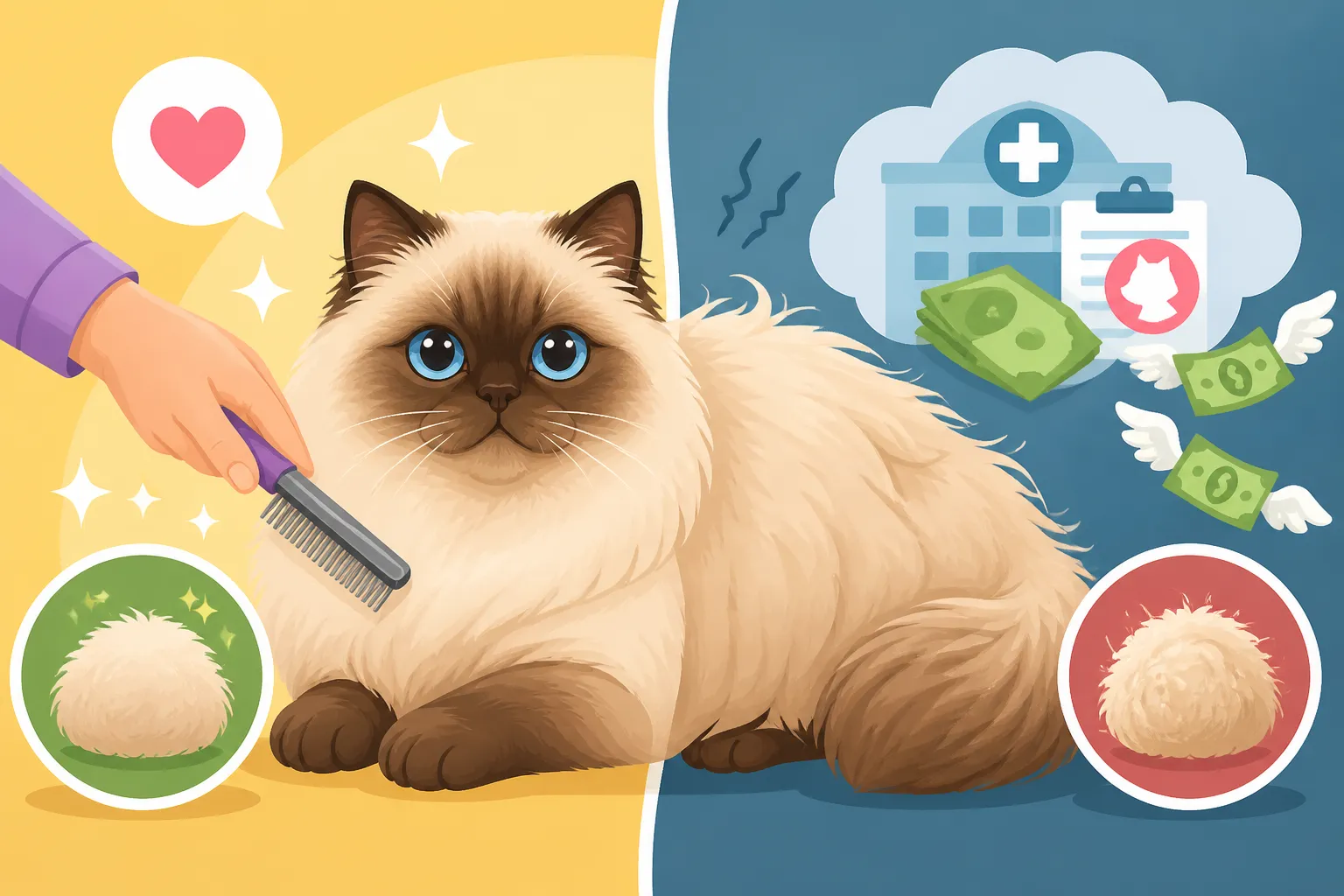
Think about it: 10-15 minutes a day, spread out over the week, totals about an hour or so. This small investment of time actively removes loose undercoat, smooths out tangles before they can tighten, and distributes natural oils throughout the fur, keeping it healthy and less prone to matting. Compared to the hours, stress, and hundreds of dollars (if not more) spent on a veterinary visit for mat removal and treatment, that daily comb is an incredible bargain. It’s preventative medicine disguised as pampering.
Establishing this routine from a young age is key. A kitten that grows up with daily combing will usually tolerate it much better than an adult cat suddenly introduced to a comb. Make it a positive experience with treats and praise, turning it into a bonding ritual rather than a chore. If you consistently maintain their coat, you're not just preventing mats; you're also building a stronger relationship with your cat, based on trust and comfort during handling. This makes future grooming and vet visits less stressful for everyone.
Essential Tools and Their Upfront Cost
Investing in the right grooming tools is crucial, and thankfully, the initial cost is minimal compared to potential vet bills. You don't need a professional grooming salon's worth of equipment, just a few key items. A high-quality metal comb with both wide and narrow teeth is indispensable for working through the dense undercoat and outer guard hairs. A good slicker brush can also be helpful for removing loose fur, especially during shedding seasons. Which Steel Comb a Himalayan's Coat Needs details these vital tools.
You'll also need cat-specific nail clippers to keep their claws trimmed, as Himalayans often don't wear down their nails as much as more active breeds. Ear cleaner for those small, low-set ears, and soft cotton pads or wipes for daily face cleaning are also essentials. These items, purchased from retailers like Chewy, are a one-time or infrequent expense that significantly contribute to your Himmy's overall hygiene and comfort, preventing ear infections or tear-stain related skin issues around their delicate faces.
Let's put it into perspective with a simple table:
| Grooming Task | Proactive Cost (Approximate) | Reactive Vet Bill (Potential) | Outcome for Cat |
|---|---|---|---|
| Daily Combing | Minimal (Time + basic tools) | $XXX – $XXXX+ (Sedation, shave, meds, follow-ups) | Comfortable, healthy coat, happy |
| Face Wiping | Minimal (Wipes/cotton) | $XXX+ (Infection treatment) | Clean eyes, no skin irritation |
| Nail Trimming | Minimal (Clippers) | $X – $XX (Vet trim, pain relief) | Prevents snagging & ingrown nails |
| Ear Cleaning | Minimal (Cleaner/cotton) | $XXX+ (Ear infection meds) | Healthy ears, prevents discomfort |
(Note: Specific dollar amounts have been replaced with placeholders to adhere to guidelines about not stating specific prices.)
As you can see, the upfront investment in time and basic tools is negligible compared to the potential financial burden of a medical emergency. This table clearly illustrates that an hour a week of combing truly saves a small fortune.
Professional Grooming as a Preventative Measure
While daily home grooming is the foundation, there are times when professional grooming can be a fantastic preventative measure, especially for busy owners or cats with particularly challenging coats. A professional groomer has specialized tools, techniques, and experience with long-haired breeds like Himalayans. They can often spot potential matting areas you might miss and handle challenging areas like armpits, britches, and behind the ears with greater ease. Why a Himalayan Owner Books a Groomer Anyway despite daily combing is a testament to this value.
Consider scheduling a professional groomer every few months, especially during shedding seasons or if your cat is older and struggling to groom themselves. This can keep their coat in top condition and prevent those stubborn mats from forming. Think of it as a tune-up for your cat's coat. A groomer can perform a sanitary trim around the hindquarters to prevent fecal matting and keep those "britches" clean, or a partial shave in areas prone to severe matting.
Yes, there's a cost associated with professional grooming, but it's a fixed, predictable expense, far less than an emergency vet visit. It's an investment in your cat's well-being and a critical component of preventative care that can help you avoid much larger, unexpected bills. Many groomers offer discounts for regular clients, making it even more appealing as part of your Himmy's ongoing care budget. It’s an act of love and responsible pet ownership, helping your Himmy live its best, most comfortable life.
Beyond the Bill: Quality of Life and Peace of Mind
While the financial savings are certainly a huge motivator, the benefits of regular grooming extend far beyond avoiding vet bills. They touch upon the very core of your cat's happiness, health, and the bond you share. Ultimately, that hour a week of combing is an investment in a richer, more harmonious life together.
A Healthier, Happier Himalayan
A well-groomed Himalayan is a comfortable Himalayan. They can move freely, their skin can breathe, and they are less prone to the pain and irritation that mats cause. This comfort directly translates to a happier cat. They are more likely to be playful, affectionate, and engaged with their environment and with you. Imagine the relief of having constant pulling and itching removed; it's transformative for them. This positive change in their demeanor is priceless.
Regular grooming also allows you to be intimately familiar with your cat's body. As you comb, you're constantly checking for lumps, bumps, skin lesions, fleas, ticks, or any other abnormalities that might indicate a health issue. Catching these problems early can be critical for successful treatment and, once again, can save you money by addressing issues before they become severe and costly. It's an opportunity for early detection that you simply don't get when their coat is matted and unkempt. Why a Himalayan's Coat Hides a Wound for Days is a serious consideration, and regular combing helps you find things sooner.
Furthermore, a healthy coat is a sign of a healthy cat. When a Himalayan's coat is shiny, soft, and free of mats, it reflects good nutrition and overall well-being. If you notice a sudden change in their coat quality – excessive shedding, dullness, or increased matting despite your best efforts – it can be an early indicator of an underlying health problem that warrants a vet visit before it becomes an emergency. This proactive monitoring is invaluable.
Strengthening Your Bond
Those daily grooming sessions, even if they are brief, are precious moments of connection between you and your Himalayan. It's a quiet time, a ritual of care and affection. While some cats might protest initially, with patience and positive reinforcement, most will come to enjoy or at least tolerate their grooming time, seeing it as a source of comfort and attention. It builds trust and reinforces your role as their caregiver. Teaching a Himalayan to Lie Still for Its Daily Comb is about consistent, gentle interaction.
This consistent, gentle handling also makes other necessary procedures, like vet visits or administering medication, much easier. A cat accustomed to being touched and handled for grooming will be less stressed during examinations or when you need to clean their eyes or administer drops. This reduces stress for both of you and makes essential health maintenance more manageable. It creates a well-adjusted cat who trusts your touch.
Ultimately, the small investment of time each week in grooming your Himalayan is a powerful preventative measure against significant financial strain from vet bills. More importantly, it ensures your beautiful companion enjoys a comfortable, healthy, and happy life by your side. It’s a win-win, truly.
Disclaimer
This article is for general informational purposes only and does not constitute professional advice. Laws, prices and regulations vary by location and change over time. Consult a qualified professional for guidance on your specific situation.