Why a Himalayan Contract Names Which Persians It May Mate
It can be incredibly confusing and even a little intimidating when you're looking at a Himalayan cat's purchase contract and see clauses dictating which specific Persian cats your beautiful new feline can be bred with. You might wonder why a breeder would go to such lengths to control future pairings. This guide is here to shed light on why these clauses exist, revealing the deep commitment breeders have to the health, type, and heritage of their precious Himalayan lines.
The Unique Heritage of the Himalayan Cat and Its Persian Ties
The Himalayan cat, with its stunning blue eyes and gorgeous point coloration, carries a rich history that's deeply intertwined with the Persian breed. Understanding this background is key to grasping why breeding contracts are often so specific about permissible mates.
The Blending of Siamese and Persian Ancestry
The very existence of the Himalayan cat is a testament to careful, intentional breeding. Back in the 1930s, dedicated researchers and breeders embarked on a fascinating journey to create a cat that combined the striking colorpoint pattern of the Siamese with the luxurious, long-haired coat and cobby body of the Persian. It wasn't just a whimsical idea; it was a scientific endeavor to prove certain genetic principles. The initial crosses, performed by people like Dr. Clyde Keeler and Virginia Cobb at Harvard University, meticulously documented how these traits could be passed down and combined.
These early efforts were about more than just aesthetics; they were about understanding genetics. The goal was to produce a cat that consistently displayed those beautiful points and the desired Persian conformation. This deliberate blending means that the Himalayan isn't just "a cat with points"; it's a carefully engineered breed with a precise genetic blueprint, one that fundamentally relies on its Persian lineage for its body type, coat, and sweet, docile temperament. If you're curious about the origins, you might find The Himalayan Was Made at Harvard in the 1930s a fascinating read.
The Complexities of Breed Registration and Recognition
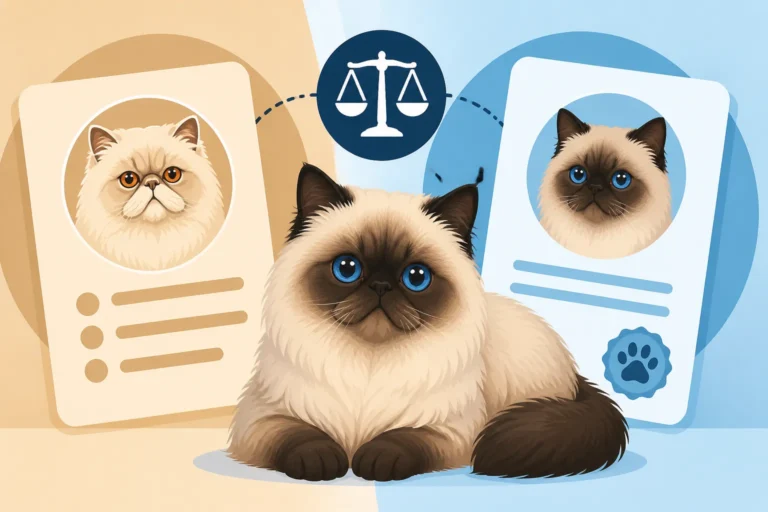
One of the most significant reasons you see Persian cats named in a Himalayan breeding contract stems from how the breed is recognized by various cat registries. It's not as straightforward as you might think! For instance, the Cat Fanciers' Association (CFA), one of the largest cat registries in the world, doesn't actually register the Himalayan as a separate breed. Instead, it classifies Himalayans as a "Colorpoint Persian Division" within the Persian breed. This means that, on official CFA paperwork, your Himalayan is technically a Persian.
Other registries, like The International Cat Association (TICA), do recognize the Himalayan as a distinct breed. This dual recognition can create a fair bit of confusion for potential owners, but for breeders, it means they often have to navigate both sets of rules and standards. When a contract specifies mating with a "Persian," it's often because, from a technical registration standpoint (especially with CFA), that's exactly what they're doing – breeding one type of Persian with another to maintain the Colorpoint Persian line. This decision by CFA in 1984, to fold the Himalayan into the Persian, continues to influence breeding practices today, and you can learn more about it in Why CFA Made the Himalayan a Persian Division in 1984. Breeders are effectively trying to ensure that any offspring remain registrable and meet the specific criteria of their chosen registry.
The Science Behind Himalayan Pointed Coats
Beyond the historical context, the very genetics of the Himalayan's stunning appearance play a huge role in why breeding contracts are so particular. Breeders aren't just being arbitrary; they're working with the laws of inheritance to maintain the beauty and health of the breed.
Understanding the Colorpoint Gene in Himalayans
The distinctive "pointed" pattern of a Himalayan – dark extremities (face, ears, paws, tail) and a lighter body – is due to a specific, temperature-sensitive, recessive gene. This gene is called the Himalayan gene, and it's what makes their blue eyes so iconic, too. For a kitten to display the pointed pattern, it needs to inherit two copies of this recessive gene – one from each parent. If a cat only has one copy, it's a "carrier" and won't show the points, but it can still pass the gene on.
This is where the choice of a Persian mate becomes incredibly important. A solid-colored Persian might carry a hidden copy of the Himalayan gene without showing any points itself. By carefully selecting a Persian that is either a known carrier or (less commonly) one that also displays points (a rarity, as most pointed cats are Himalayans or other specific breeds), a breeder can ensure that the resulting litter will carry on the desired coloration. Unplanned matings with Persians that don't carry this gene could result in an entire litter of solid-colored kittens, which, while beautiful, wouldn't be Himalayans.
Preserving Desired Appearance and Health Through Controlled Mating
Breeding is an art and a science, and Himalayan breeders work tirelessly to maintain the very specific "look" that defines the breed. This includes not just the point coloration, but also the cobby body, the round head, the small, low-set ears, and the plush, long coat – all traits inherited from the Persian side. A contract naming specific Persian mates helps ensure that these desirable physical characteristics are consistently reproduced.
Mating with just any Persian could introduce unwanted traits. For example, some Persian lines might have a less plush coat texture, a different head shape, or a longer nose that deviates from the Himalayan standard. Breeders are trying to protect their hard-earned lines, which have been carefully selected over generations for specific qualities. They want to ensure the kittens not only have the correct point colors but also exhibit the classic Himalayan "type" that makes them so adored. This meticulous approach also extends to coat contrast, as a well-bred Himalayan should have a clear distinction between its pale body and its darker points. Maintaining that pristine, light body coat is crucial, as highlighted in topics like Why a Himalayan's Body Coat Should Stay Light.
Breeder Motivations for Specific Mating Clauses
It’s easy to feel like these contract clauses are overly restrictive, but from a reputable breeder's perspective, they are absolutely vital tools for responsible breeding. These aren't just arbitrary rules; they are safeguards for the future of the breed.
Upholding Health Standards and Genetic Integrity
Perhaps the most critical reason for specifying breeding partners is to maintain the health and genetic integrity of the lineage. Both Persians and Himalayans can be predisposed to certain inherited health conditions, most notably Polycystic Kidney Disease (PKD) and Progressive Retinal Atrophy (PRA). Reputable breeders invest significantly in genetic testing to ensure their breeding cats are clear of these conditions. Which Two Tests Belong on Every Himalayan Pedigree are paramount for responsible breeding.
When a contract dictates that a Himalayan must be bred to a specific Persian, it’s often because that Persian has also undergone rigorous health testing and comes from a line known to be free of these genetic ailments. Allowing uncontrolled breeding could introduce these devastating conditions back into a carefully curated, healthy line, leading to heartache and significant veterinary bills for future kitten owners. It’s a proactive measure to ensure healthy kittens, something any new pet parent would appreciate. While pet insurance, such as a plan from Healthy Paws, can help with unexpected vet costs, prevention through careful breeding is always the first line of defense.
Maintaining Breed Type and Conformation
Breeders spend years, sometimes decades, perfecting their lines to meet the breed standard set by feline associations. This standard covers everything from the cat's physical appearance – the roundness of the head, the size and set of the ears, the "cobby" (stocky) body, the short legs, and the facial profile – to temperament. Each intentional breeding decision aims to reproduce and ideally improve these traits. The Himalayan breed standard is essentially the Persian standard, but with the added requirement of point coloration and blue eyes.
Introducing an "unapproved" Persian could bring in undesirable physical traits that might deviate significantly from the recognized standard. For example, a Persian with a very long nose or a different body shape might not produce offspring that look like true Himalayans, effectively diluting the breed's distinct characteristics. This is especially relevant when considering the "type" of face, as Why Show Himalayans Drifted Toward the Flatter Face illustrates, and breeders want to ensure consistency in the appearance of their cats. These clauses protect the breeder's legacy and commitment to the breed's visual identity.
Preventing Irresponsible Breeding Practices
Unfortunately, not everyone who breeds cats does so with the best intentions or knowledge. "Backyard breeders" often lack an understanding of genetics, breed standards, or the importance of health testing. They may breed solely for profit, without concern for the long-term health or welfare of the kittens or the integrity of the breed.
By including strict clauses about approved mating partners, reputable breeders are essentially trying to prevent their carefully bred cats from falling into irresponsible hands that might engage in such practices. These contracts serve as a safeguard against indiscriminate breeding, ensuring that their cats contribute positively to the future of the Himalayan breed, rather than potentially creating health problems or diluting established lines. They want to know their cat's offspring will be just as healthy and well-cared for as the parents.
Navigating Breeding Contracts as a Himalayan Owner
So, you've found a gorgeous Himalayan, and the contract has these specific clauses. Don't let it deter you! It's an opportunity to understand the breeder's dedication and to ensure you're entering a responsible partnership.
Deciphering Permitted Persian Partners
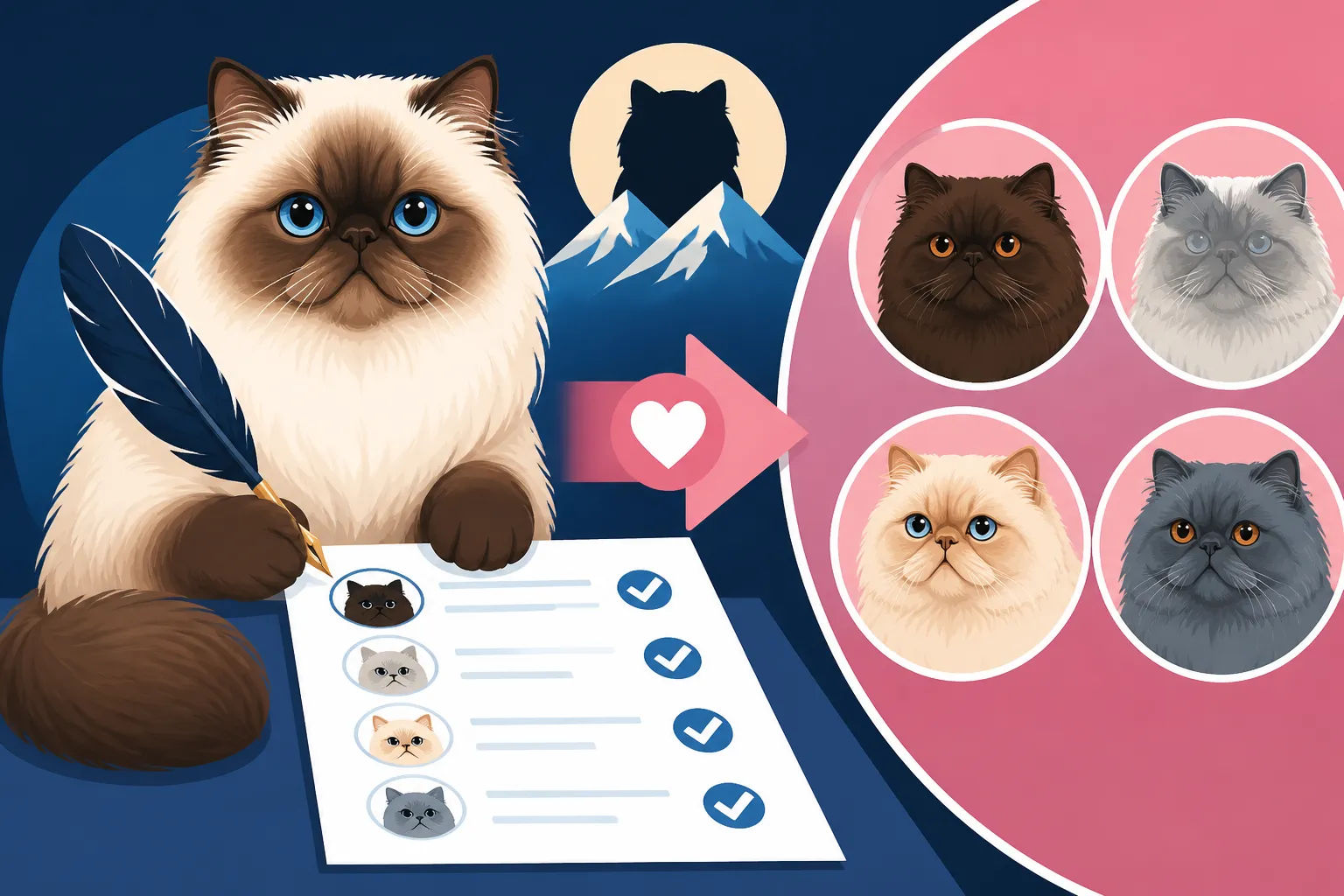
When a contract lists "named Persians" or refers to "pre-approved pedigrees," it typically means the breeder has a list of specific studs (male cats) or even entire catteries that they trust and have vetted. These are usually other reputable breeders whose cats have met the same stringent health testing requirements and adhere to similar breed standards. It's not about being exclusive for the sake of it, but about ensuring compatibility and predictability in the offspring.
As a potential owner with breeding rights, it's crucial to have an open conversation with your breeder about these requirements. Ask for clarification on why certain lines are preferred and what the process is for getting a new stud approved if you find one that interests you down the line. Most reputable breeders are more than happy to explain their rationale and guide you through the complexities. Remember, it's about building a partnership where everyone is invested in the well-being of the cats.
Key Contract Clauses Beyond Mating Permissions
While the mating clauses are specific to breeding, a comprehensive contract will cover much more. You'll likely find sections detailing health guarantees (often covering genetic conditions like PKD for a specific period), spay/neuter requirements (if the cat is being sold as a pet, not for breeding), return policies if circumstances change, and sometimes even dietary recommendations or grooming expectations. These are all designed to ensure the cat's welfare throughout its life.
Always read the entire contract thoroughly before signing. Don't be afraid to ask questions about anything you don't understand. Clarify what happens if a genetic issue arises, even after the guarantee period. Understanding Whether a Himalayan Guarantee Covers the Kidneys is incredibly important. A good breeder wants you to be fully informed and comfortable with all the terms. Considering pet insurance from providers like Healthy Paws from the start can also offer peace of mind, especially when you're preparing for the responsibilities that come with owning a beautiful, sometimes delicate, breed like the Himalayan. Knowing What a Himalayan Owner Should Ask About Registration can also provide valuable insight into the paperwork and lineage of your new companion.
| Contract Clause Type | Typical Purpose for Himalayan Breeders | Owner's Responsibility |
|---|---|---|
| Approved Studs | Ensures genetic health & type conformity (PKD/PRA clear, correct points) | Must use breeder-approved male cats for breeding; typically requires prior breeder consent. |
| Genetic Testing | Guarantees offspring free from common hereditary diseases | Ensure your breeding cat and any chosen mate undergo required health screenings. |
| Health Guarantee | Protects buyer against inherited health defects in the kitten | Provide vet care; report issues to breeder within specified timeframe; often has specific conditions for remedies. |
| Registration Terms | Upholds breed standards and pedigree integrity with registries | Register offspring with specified association; adhere to naming conventions or specific cattery prefixes. |
| Spay/Neuter | Prevents unplanned litters and ensures cats sold as pets are desexed | Arrange for surgical spay/neuter by a certain age (if pet-only contract); provide vet proof. |
| Dietary Advice | Promotes optimal health, coat quality, and growth | Follow breeder's recommended diet for proper nutrition. |
Disclaimer
This article is for general informational purposes only and does not constitute professional advice. Laws, prices and regulations vary by location and change over time. Consult a qualified professional for guidance on your specific situation.