How Much a Himalayan’s First Year of Face Care Costs
Bringing a gorgeous Himalayan kitten home is an absolute joy, but let's be realistic: their undeniable charm comes with a commitment, particularly when it comes to their unique, beloved faces. Many new owners quickly realize that the adorable flat face and luxurious coat demand a specific kind of care, and that care translates into ongoing costs. This guide is here to help you understand what to expect during your Himalayan's first year when it comes to keeping that precious face clean, healthy, and happy, breaking down the financial aspects you might not have considered.
The Daily Necessity: Wipes, Swabs, and Solutions
One of the most immediate and consistent costs you'll encounter with a Himalayan is the daily routine of face cleaning. This isn't just about aesthetics; it's a vital part of their health and comfort.
Why Daily Wiping Isn't Optional
Your Himalayan's beautiful, flat face, with those wonderfully large, expressive blue eyes, is also a design that can lead to some practical challenges. Unlike many other cat breeds, their unique facial structure, often referred to as 'brachycephalic', means their tear ducts can't always drain properly. This leads to a constant, gentle overflow of tears onto the fur around their eyes and nose. These tears, if left unattended, can quickly become a breeding ground for yeast and bacteria, leading to unsightly rust-colored stains, skin irritation, and even infections in the delicate folds of their nose. It's a daily battle against moisture and potential irritation, and if you skip a day, you often feel like you're playing catch-up. It's simply not something you can afford to overlook, because leaving it can lead to much more expensive vet visits down the line. You'll quickly learn that a clean face is a comfortable cat. We've talked before about Why a Himalayan's Eyes Water All Day, and that understanding is key here.
The Cost of Consumables
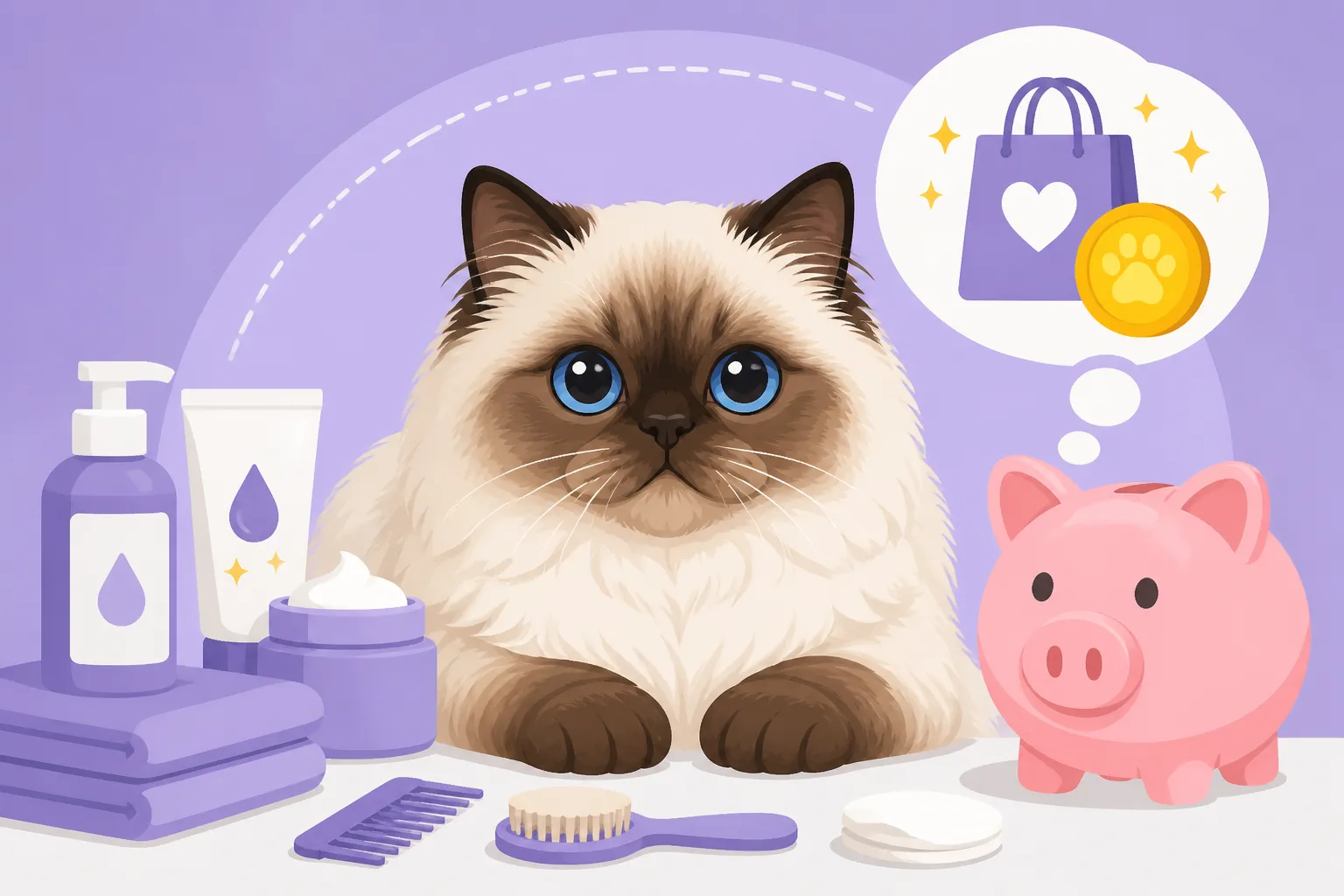
So, what exactly do you need for this daily ritual? Primarily, you're looking at a steady supply of specialized wipes, cotton pads, and cleaning solutions. Generic baby wipes are usually a big no-no, as they can contain ingredients that irritate sensitive feline skin and eyes. Instead, you'll be reaching for wipes specifically formulated for pet eye and face cleaning, often saline-based or infused with gentle, natural ingredients. Some owners also swear by plain cotton pads moistened with distilled or filtered water, followed by a dry pad to ensure the area is completely dry. You might also want to keep a supply of sterile cotton swabs on hand for getting into those tiny, tricky crevices around the nose.
The frequency of use means these items get used up quickly. A tub of 100 wipes might last you a month or even less, depending on how diligently you clean and how much staining your individual cat experiences. You'll soon find yourself adding these to your regular shopping list, often ordering them in bulk to save a little money. Retailers like Chewy offer subscription services that can make sure you never run out, which is a lifesaver when you realize you're on your last wipe! The cost adds up, but it's far less than treating a dermatological issue or eye infection. If you're wondering Which Wipes Are Safe Around a Himalayan's Blue Eyes, there are specific things to look for.
Dealing with Tear Stains and Discoloration
For many Himalayan owners, the rust-colored tear stains are a persistent frustration, especially if your cat has a pale cream or white body coat. While daily wiping helps immensely, some cats are more prone to staining due to their individual tear chemistry or diet. This leads many to explore specialized tear stain removers or supplements. These products can range from topical solutions applied with a cotton pad to dietary supplements designed to alter the pH of the tears.
It's important to approach these with caution and do your research, as some older formulations contained antibiotics that are now widely discouraged for routine, long-term use. Modern, safer options focus on gentle cleansers and natural ingredients. However, these specialized products often come with a higher price tag than basic wipes, and you might find yourself trying a few different brands to see what works best for your particular cat. What one cat responds to, another might not, turning it into a bit of a trial-and-error process.
Essential Grooming Tools and Their Upkeep
Beyond the daily consumables, certain grooming tools are indispensable for maintaining your Himalayan's facial health, particularly where the long coat meets the delicate facial features.
Specialty Combs for the Face and Ruff
Your Himalayan's luxurious double coat, inherited from their Persian ancestors, is magnificent but high-maintenance. While you'll need a robust steel comb for the body, the fur around their face and ruff requires a gentler, more precise touch. A fine-toothed comb, often called a flea comb, is excellent for carefully teasing out any tiny tangles or debris that get caught around the eyes and under the chin. These areas can matt quickly if neglected, turning painful for your cat. The ruff, that magnificent mane of fur framing their face, also needs daily attention. It's often the first place food or water can get caught, leading to mats right under their chin and around their ears. Keeping this area meticulously groomed prevents discomfort and larger matting issues that might require a professional groomer.
While a good quality stainless steel comb is a one-time purchase that will last for years, you might find yourself replacing smaller specialty combs if they get lost or damaged. It's about having the right tools for each delicate part of their majestic, fluffy face.
The Hidden Cost of Dental Care
This is often an overlooked aspect of flat-faced cat care, but it's incredibly important. Due to their shortened skull, Himalayans often have crowded mouths. Their teeth are packed into a smaller jaw, which can lead to misalignment, increased plaque buildup, and a higher risk of periodontal disease. This isn't just a cosmetic issue; poor dental health can lead to pain, infection, and even impact their overall systemic health. We've certainly gone into detail about How Crowded a Himalayan's Lower Jaw Gets, and it really is a critical factor.
Starting early with dental care is crucial. This means investing in a cat-specific toothbrush and enzymatic toothpaste that they can safely swallow. Regular brushing, ideally daily, can significantly slow down plaque accumulation. However, even with diligent home care, many Himalayans will require professional dental cleanings under anesthesia at the vet, sometimes more frequently than other breeds. These cleanings involve scaling, polishing, and potentially extractions if teeth are too crowded or diseased. The cost of a professional dental cleaning can be substantial, often representing one of the larger single expenses in their first year if issues arise or if you opt for an early baseline cleaning. It's a proactive measure that saves pain and greater expense later.
Grooming Sessions: DIY vs. Professional
While daily face wiping and combing are things you can absolutely do at home, there might come a time when you consider professional grooming. This isn't always about laziness; sometimes, it's about tackling specific problems or maintaining a pristine coat that you might not have the expertise or tools for yourself. Perhaps your Himalayan got a difficult mat under their chin, or their tear staining is particularly stubborn.
A professional groomer experienced with long-haired, flat-faced breeds can provide services like sanitary trims around the hindquarters (which, while not directly face care, impacts overall cleanliness and comfort), de-shedding treatments, and even specialized face trims to keep the fur around the eyes shorter and cleaner. These services come at a cost, of course. Some owners choose to incorporate a professional groomer visit every few months, while others might only call one in for emergencies or specific needs. The choice often depends on your comfort level, your cat's tolerance for grooming, and your budget. It's a valid option to consider for maintaining that glorious coat and ensuring no mats develop, even on their beautiful face.
Veterinary Attention for Facial Health
Your veterinarian is your best partner in ensuring your Himalayan's facial health, especially during that critical first year. Regular check-ups are paramount, and sometimes, unexpected issues can arise.
Initial Vet Checks and Baseline Assessments
When you bring your Himalayan kitten home, one of the first things your vet will do is a thorough examination, and their face will be a key area of focus. They'll assess their breathing, check their nostrils for openness, examine their eyes for any signs of entropion (inward-rolling eyelids) or excessive tearing, and look at their bite alignment to check for any severe malocclusions due to their shortened jaw. This initial assessment sets a baseline for their facial health.
During these early visits, your vet will also discuss preventative care, like dental hygiene, and might recommend specific cleaning products if your kitten is already showing signs of tear staining. They'll also gauge how severe their brachycephalic features are. Some Himalayans have a flatter face than others, and this can impact their breathing and tear drainage. Understanding your cat's specific facial anatomy from your vet is crucial for tailoring your care routine. Don't be afraid to ask questions; your vet has seen it all! This early exam is vital, just like when they check What a Himalayan Kitten's First Exam Includes Its Palate.
Addressing Common Facial Ailments Early On
Despite your best daily efforts, Himalayans can be prone to certain facial and eye conditions that require veterinary intervention. These can include:
- Entropion: Where the eyelid rolls inward, causing eyelashes to rub against the cornea. This is often present from kittenhood and can lead to irritation, pain, and corneal ulcers if left untreated. What Entropion Does to a Himalayan's Blue Eye
- Corneal Ulcers: Open sores on the surface of the eye, often caused by entropion, foreign bodies, or chronic irritation from tear staining.
- Fold Dermatitis: Skin inflammation or infection within the deep folds of skin around their nose, exacerbated by moisture retention.
Treatments for these conditions can range from medicated eye drops or ointments to antibiotics, anti-inflammatories, or even surgical intervention. For example, entropion often requires a minor surgical procedure to correct the eyelid position, and this can be a significant cost. Corneal ulcers can also be expensive to treat, requiring frequent vet visits and specialized medications. The good news is that catching these issues early can lead to more effective and less invasive treatments, highlighting the importance of those initial vet checks and ongoing vigilance from you.
The Role of Insurance and Wellness Plans
Given the potential for specific facial and health issues in Himalayans, pet insurance can be a real game-changer. While basic daily care supplies aren't typically covered, unexpected veterinary costs due to conditions like entropion, corneal ulcers, or severe dental issues can quickly add up. A good pet insurance policy, especially one that you enroll in when your cat is young and healthy, can help offset these expenses significantly. Providers like Healthy Paws, for instance, offer plans that cover accidents and illnesses, which would include many of the unexpected facial ailments your Himalayan might face.
It's wise to research policies thoroughly, understand what they cover (and what they don't, especially regarding pre-existing conditions), and compare deductibles and reimbursement rates. Some vets also offer wellness plans, which are subscription-based programs that cover routine care, vaccinations, and sometimes even a dental cleaning. While this isn't insurance, it can help budget for expected annual costs, including those critical vet checks for facial health.
Long-Term Considerations and Prevention
Thinking about your Himalayan's first year of face care isn't just about immediate costs; it's also about setting up good habits and making informed choices that will benefit them for their entire life.
Diet's Impact on Facial Health
Believe it or not, what you feed your Himalayan can play a role in their facial health, particularly concerning tear staining and dental issues. Some owners find that certain ingredients, fillers, or dyes in cat food can exacerbate tear staining. While scientific evidence varies, many anecdotal reports suggest that a high-quality diet with fewer artificial ingredients can sometimes reduce the severity of rust-colored stains. Similarly, the type of kibble can influence dental health. Larger, specially shaped kibble designed to encourage chewing can sometimes help scrape plaque off teeth, though it's never a substitute for brushing. Which Foods Darken a Himalayan's Tear Tracks is a surprisingly common question.
When choosing food, consider your Himalayan's flat face. Many standard kibble shapes and bowl designs aren't ideal for their shortened jaws, making it difficult for them to pick up food without pushing it around or making a mess. You might need to experiment with different food brands or even consider a mostly wet food diet, which can also contribute to better hydration and overall health. Remember, a healthy cat from the inside out often has fewer external issues.
Environmental Factors and Face Care
Your home environment also plays a subtle yet important role in your Himalayan's facial health. Dust, allergens, and airborne irritants can contribute to eye watering and sneezing, which in turn can worsen tear staining and irritation. Maintaining a clean, dust-free home can make a noticeable difference. Regular vacuuming, using air purifiers, and avoiding strong chemical cleaners or air fresheners near your cat's favorite resting spots can all help.
Consider the type of litter you use as well. Dusty litters can easily irritate their sensitive eyes and respiratory systems. Opting for a low-dust or dust-free litter can alleviate this common irritant, preventing unnecessary eye discharge that contributes to staining. Retailers like Chewy offer a wide range of low-dust litter options that are specifically designed for sensitive cats. It’s all about creating an environment that minimizes stress on their delicate facial features.
The Real Investment: Time and Consistency
Ultimately, the most significant "cost" in a Himalayan's first year of face care isn't always monetary; it's the investment of your time and consistent effort. Daily face wiping, regular combing, and attention to their dental hygiene are non-negotiable parts of responsible Himalayan ownership. This isn't a breed you can neglect for a few days without consequences.
Building a routine early in your kitten's life helps them become accustomed to these necessary procedures, making future grooming sessions much smoother. A happy, healthy Himalayan who tolerates having their face cleaned will ultimately lead to fewer vet visits for preventable issues, saving you both emotional stress and financial burden in the long run. It's about building a bond of trust and demonstrating your commitment to their unique needs.
Comparison of Estimated First-Year Face Care Expenses
This table provides a general overview of potential expenses. Actual costs will vary widely based on location, brand choices, and individual cat's needs.
| Category | Description | Estimated Frequency | Cost Shape (Annual) |
|---|---|---|---|
| Daily Consumables | Pet-specific face wipes, cotton pads, gentle cleaning solutions, saline | Daily | Low to Moderate (Ongoing purchase of several items monthly) |
| Grooming Tools | Fine-toothed comb, cat toothbrush, enzymatic toothpaste | One-time initial | Low (Initial purchase, then infrequent replacement of brush/paste) |
| Professional Grooming | Face trims, sanitary clips (if chosen) | 1-4 times annually | Moderate (Each session can be a significant cost) |
| Routine Vet Checks | Eye, nose, mouth assessment during standard wellness exams | 1-2 times annually | Included in general exam cost (Often moderate annual vet visit fees) |
| Specialized Vet Care | Treatment for entropion, corneal ulcers, fold dermatitis (meds, surgery) | As needed | Potentially High (Can be very costly if surgery or long-term medication is required) |
| Dental Cleaning | Professional cleaning under anesthesia | Possibly once | High (Single, significant vet bill) |
| Pet Insurance | Monthly premium to cover unexpected illness/accident (optional) | Monthly | Moderate (Ongoing monthly expense, but offsets high unexpected costs) |
| Specialized Diet | High-quality food, dental-specific kibble, supplements (optional) | Daily | Moderate to High (Premium food costs more, ongoing) |
Disclaimer
This article is for general informational purposes only and does not constitute professional advice. Laws, prices and regulations vary by location and change over time. Consult a qualified professional for guidance on your specific situation.