Why a Himalayan Kitten’s First Exam Includes Its Palate
Bringing home a fluffy, purring Himalayan kitten is one of life's true joys, but that first trip to the vet can sometimes feel overwhelming, packed with information you never even knew you needed. One crucial part of that initial check-up, often overlooked by new owners, is a thorough examination of your kitten's palate. It might sound unusual, but ensuring your tiny feline friend has a healthy, intact palate is absolutely vital for their ability to thrive, preventing serious health complications right from the start.
The Distinctive Features of the Himalayan's Facial Structure
Our beloved Himalayans are known for their incredibly endearing, plush, and often flat faces – a feature that makes them so uniquely charming. This brachycephalic (short-nosed) characteristic, while adorable, means their facial anatomy is a bit different from other cats. While we often focus on how this affects their breathing, the impact on their oral and dental structures is equally significant. A kitten’s face, including the intricate bone structure of the skull and jaw, continues to develop rapidly during those first few weeks and months. Understanding how this unique facial build influences their palate is the first step in appreciating why a vet pays such close attention.
The journey of development for a Himalayan kitten's face is a fascinating one, starting almost entirely white and gradually developing those distinctive points. As part of this growth, the bones of the skull and jaw are also forming. The flattened appearance means that the internal structures, including the roof of the mouth, can also be compressed or altered. This compression, inherent to the breed's standard, can sometimes lead to issues with tooth alignment, the position of the tongue, and crucially, the formation of the palate itself. This is why a vet doesn't just glance in; they take a detailed look to ensure everything is connected and closed as it should be.
Unpacking Cleft Palates and Their Profound Effects
When a veterinarian meticulously examines your Himalayan kitten's palate, they are primarily looking for a condition known as a cleft palate. This isn't just a minor cosmetic issue; it's a birth defect where there's an opening or a split in the roof of the mouth. This opening can range from a tiny notch in the soft palate, located at the back of the mouth, to a much more severe and extensive gap involving both the hard and soft palate, sometimes even extending into the nasal cavity. Imagine trying to eat or drink when the roof of your mouth isn't fully formed – it's incredibly challenging and dangerous for a tiny kitten.
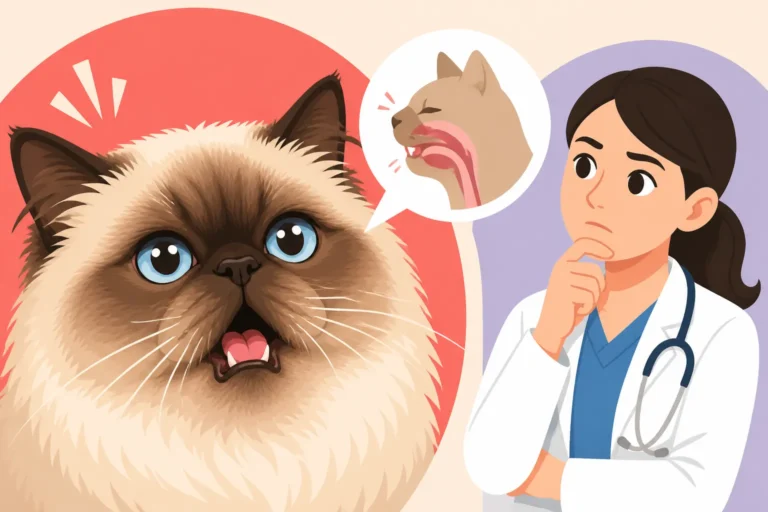
The consequences for a kitten born with a cleft palate are immediate and severe. The most significant problem is their inability to nurse properly. When they try to suckle, milk can pass directly from their mouth into their nasal passages, causing them to choke, cough, and struggle to breathe. This leads to poor nutrition, as they can't get enough nourishment, and a terrifying risk of aspiration pneumonia. Aspiration pneumonia occurs when food or liquid enters the lungs, causing a serious infection that is often fatal for vulnerable kittens. You might notice a kitten with a cleft palate struggling to gain weight, having milk bubbling from its nose after feeding, or showing signs of respiratory distress like sneezing, coughing, or labored breathing. For any kitten owner, especially those new to the breed, seeing these signs can be incredibly distressing. This is why it’s so critical for a Himalayan kitten's first exam includes its palate. Early identification can be the difference between life and death.
Different Types of Cleft Palates
To truly understand the implications, it helps to know that not all clefts are created equal. The severity and location of the split dictate the immediate risks and the complexity of any potential treatment.
- Primary Cleft Palate (Cleft Lip): This affects the lip and sometimes the premaxilla (the bone that holds the incisor teeth). While it can be visually striking, it's generally less life-threatening than secondary clefts and often easier to repair, though it still requires intervention to prevent feeding difficulties and potential infections.
- Secondary Cleft Palate (Soft or Hard Palate): This is the one vets are most concerned about during that initial oral exam.
- Soft Palate Cleft: This involves only the soft, muscular part at the back of the roof of the mouth. Kittens with this type might struggle with suckling but can often manage to eat some solid food once weaned. However, the risk of aspiration remains present, particularly with liquids.
- Hard Palate Cleft: This affects the bony part of the roof of the mouth. This is far more serious, as it creates a direct connection between the mouth and nasal cavity. Kittens with a hard palate cleft almost always struggle profoundly with nursing and are at extremely high risk for aspiration pneumonia.
- Complete Cleft Palate: This is the most severe form, involving both the hard and soft palate, and potentially extending into the lip and nose. Kittens with complete cleft palates often cannot survive without intensive intervention and specialized feeding from birth.
The presence of any cleft, especially those involving the hard or soft palate, directly impacts a kitten's ability to create the necessary suction for nursing. Without that airtight seal, food goes where it shouldn't, turning a natural act of nourishment into a hazardous ordeal. Pet insurance providers like Healthy Paws offer various plans that can help manage unexpected veterinary costs, and conditions like cleft palates, if not pre-existing, could be covered, providing immense relief during a stressful time.
What the Veterinarian Scrutinizes During a Palate Exam
So, what exactly happens when your vet performs a palate examination on your tiny, wriggling Himalayan kitten? It's a quick, gentle, but incredibly thorough process, usually done when the kitten is very young, ideally during their first health check around 8-12 weeks, before they leave the breeder. The vet isn't just peering into their mouth; they're looking for specific anatomical landmarks and feeling for any irregularities.
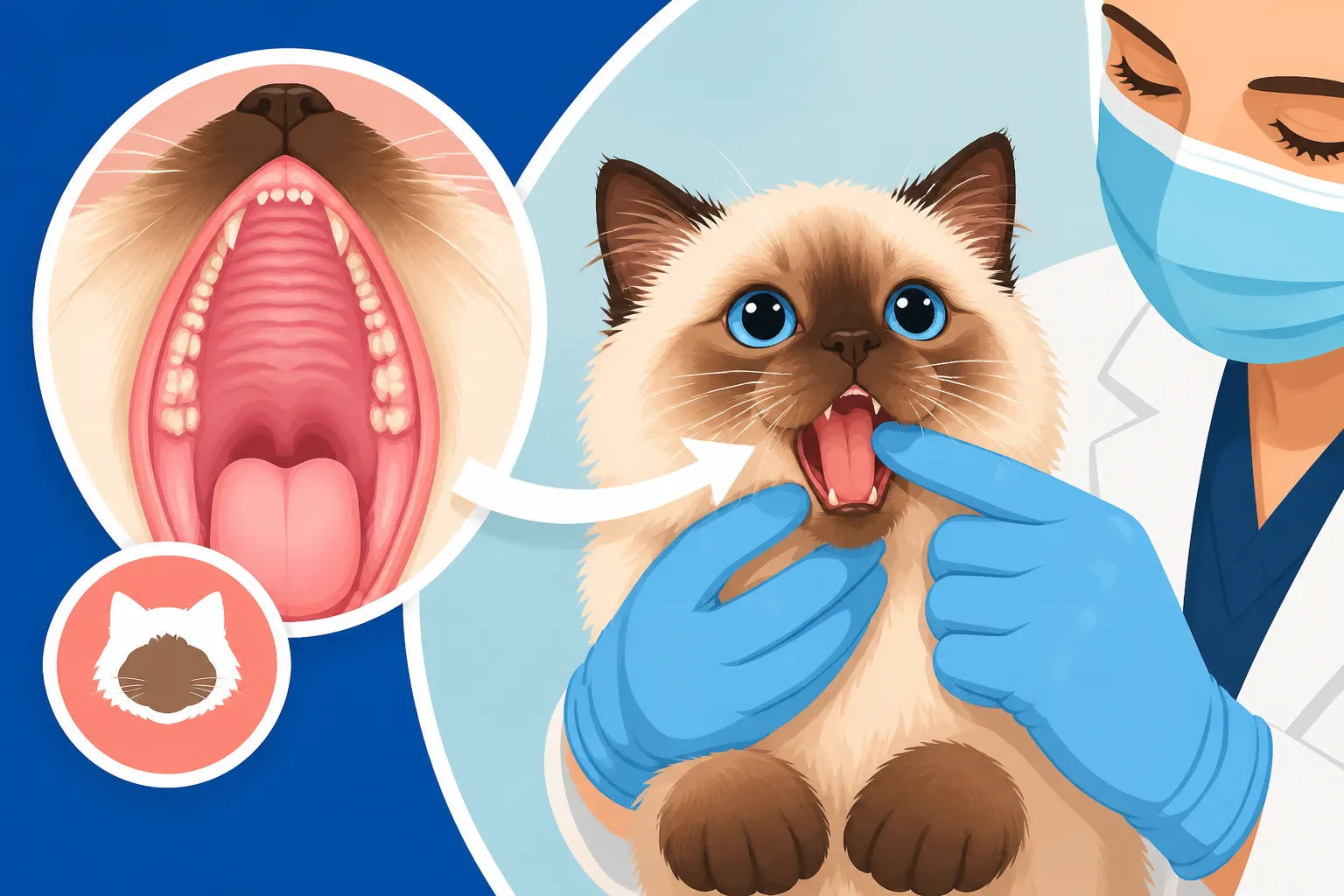
First, your vet will gently open your kitten's mouth. This is often done by carefully pressing on the corners of their jaw, or using a finger to gently pry open their tiny mouth while supporting their head. They'll use a light source, often a penlight or otoscope light, to illuminate the entire oral cavity. Their eyes will scan the roof of the mouth, looking for any visible gaps, fissures, or abnormal indentations. They'll pay close attention to the midline of both the hard and soft palate, as this is where clefts most commonly occur.
Beyond visual inspection, the vet will often use a gloved finger to gently palpate (feel) the hard palate. This allows them to detect any subtle soft spots or separations that might not be immediately visible to the eye. It's a precise motion, checking the integrity of the bone structure that separates the oral cavity from the nasal cavity. They’ll also check the soft palate, looking for any shortening or division. During this examination, the vet might also assess other aspects of the kitten's oral health, such as the alignment of the jaw and teeth, as Himalayans are prone to issues like How a Shortened Jaw Crowds a Himalayan's Teeth. It’s all part of ensuring a healthy start for your furry companion.
The Critical Timing of Early Detection
The importance of this early examination cannot be overstated. Ideally, a cleft palate should be identified within the first few days or weeks of a kitten's life. Breeders, being with the kittens from birth, are often the first to spot issues like milk coming from a kitten's nose. However, sometimes a partial or soft palate cleft can be less obvious, especially to an untrained eye. That's why the vet's professional eye and touch are indispensable.
Early detection allows for immediate intervention. If a significant cleft is found, the vet can advise on specialized feeding techniques, such as tube feeding or bottle feeding with specific nipples, to ensure the kitten receives adequate nutrition without the risk of aspiration. This gives the kitten the best chance to grow strong enough for potential surgical repair. Without early diagnosis, a kitten might simply "fade" due to malnutrition or succumb to aspiration pneumonia, leaving owners heartbroken and confused. This vital check is part of the comprehensive care package your new kitten receives, often a requirement if you're exploring pet insurance like Healthy Paws, which encourages proactive veterinary care.
Navigating Diagnosis, Treatment, and Lifelong Support
Discovering your Himalayan kitten has a cleft palate can be a shock, but it's important to remember that solutions and support are available. The diagnosis often requires a combination of visual and manual examination, sometimes supplemented by imaging if the extent of the defect is unclear or if other complications are suspected. Once diagnosed, the path forward depends largely on the severity of the cleft and the kitten's overall health.
For minor clefts, particularly those involving only the soft palate, some kittens may manage with careful feeding as they grow, and then a surgical repair can be performed when they are older and stronger, typically between 3-6 months of age. More extensive clefts, especially those involving the hard palate, almost always require surgical intervention. This surgery aims to close the opening, creating a normal separation between the mouth and nasal passages. It's a delicate procedure, often performed by a veterinary surgeon, and requires careful post-operative care. Himalayans, with their unique physiology, are sometimes considered a harder anesthetic than other breeds due to their brachycephalic airway, so selecting an experienced vet and veterinary anesthesiologist is paramount.
Living with a Repaired Palate
Even after successful surgery, some kittens may need continued support. This could involve special diets, altered feeding methods, or ongoing monitoring for respiratory issues. For owners, this means commitment, patience, and a willingness to work closely with their veterinary team. The good news is that with dedicated care, many kittens with cleft palates can go on to live full, happy lives.
The financial aspect of treating a cleft palate can be substantial, involving surgery, anesthesia, and potentially extended post-operative care. This is where comprehensive pet insurance, like a plan from Healthy Paws, can be invaluable. While it won't cover pre-existing conditions, if you enroll your kitten early and the condition isn't detected prior to policy activation, it could significantly offset the costs of treatment, allowing you to focus on your kitten's recovery rather than overwhelming vet bills.
| Type of Cleft Palate | Location of Opening | Primary Concerns for Kittens | Potential Treatment | Prognosis with Treatment |
|---|---|---|---|---|
| Primary (Cleft Lip) | Lip, sometimes premaxilla | Cosmetic, minor feeding issues | Surgical repair | Excellent, usually full recovery |
| Secondary (Soft Palate) | Soft part of roof of mouth | Aspiration risk, difficulty nursing | Surgical repair | Good, risk of aspiration reduced |
| Secondary (Hard Palate) | Bony part of roof of mouth | Severe aspiration risk, unable to nurse | Surgical repair (complex) | Guarded to good, depending on severity |
| Complete Cleft Palate | Hard & soft palate, potentially lip/nose | Life-threatening aspiration, severe nursing difficulty | Multiple surgical repairs, intensive care | Guarded, requires extensive care |
Your vet isn't just checking a box during that first exam; they're safeguarding your Himalayan kitten's future. By understanding why a Himalayan kitten's first exam includes its palate, you become a more informed and proactive pet parent, ready to face any challenges with your beloved furball.
Disclaimer
This article is intended for informational purposes only and does not constitute veterinary advice. Always consult with a qualified veterinarian for any health concerns or before making any decisions about your pet's medical care.