When a Himalayan’s Open Mouth Breathing Needs a Vet
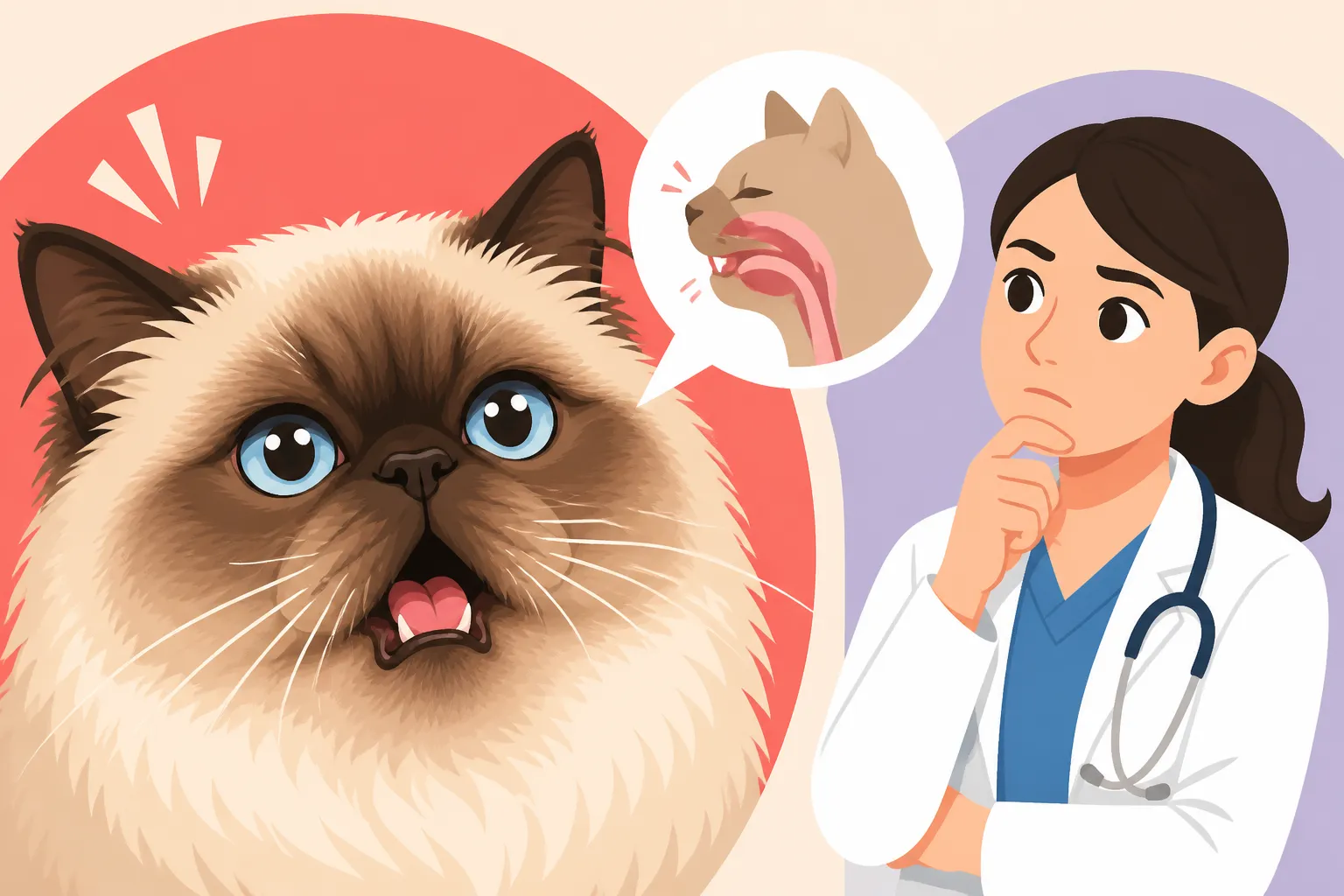
It's an alarming sight for any cat parent: you look over at your beloved Himalayan, and instead of its usual serene expression, its mouth is open, perhaps panting or struggling to catch a breath. While dogs often pant to cool down, open-mouth breathing in a cat is rarely normal, and for a Himalayan, with its unique facial structure, it can be a serious red flag. This guide will walk you through understanding why your Himalayan might be breathing with an open mouth, how to tell if it's an emergency, and what steps you need to take to keep your furry friend safe and healthy.
The Unique Breathing Challenges of a Himalayan Cat
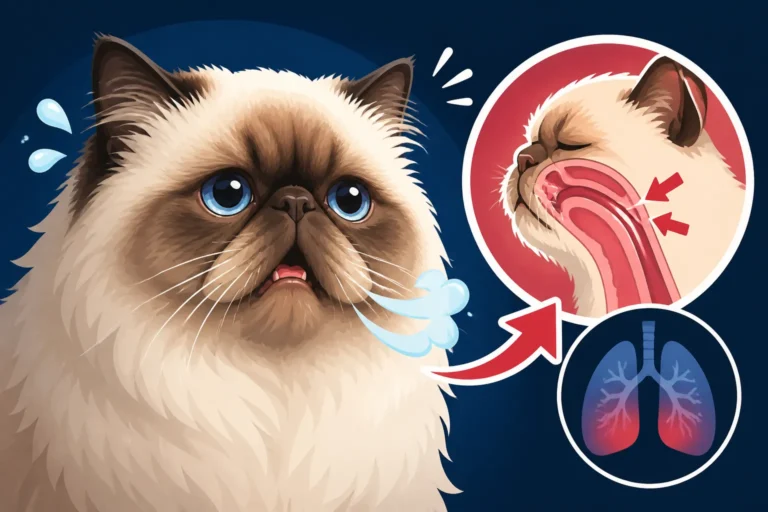
Himalayans are beautiful cats, renowned for their stunning blue eyes, luxurious long coats, and charming personalities. However, their distinctive flat faces, inherited from their Persian ancestors, come with a set of anatomical challenges that can significantly impact their breathing. This isn't just a cosmetic feature; it's a structural reality that often leads to what veterinarians call Brachycephalic Airway Syndrome (BAS).
Understanding the Brachycephalic Predicament
The term "brachycephalic" literally means "short-headed." In Himalayans, this translates to a compressed skull, which unfortunately means all the soft tissues that would normally fit into a longer snout are crammed into a much smaller space. Think of it like trying to fit a king-size comforter into a twin-size duvet cover – things are going to get squished and airflow can be severely compromised. This includes a multitude of structures critical for proper breathing.
Their nostrils, for example, are often severely narrowed, a condition known as stenotic nares, making it incredibly difficult to draw in enough air. It's like trying to breathe through a pinched nose all the time. Moreover, their soft palate, the fleshy part at the back of the roof of their mouth, can be excessively long. This elongated soft palate often extends into the airway, obstructing the trachea and acting like a flap that gets sucked into the windpipe with every breath. If you've ever wondered What a Peke Face Himalayan's Profile Measures, you'll know that their unique facial structure, while aesthetically pleasing to many, is the root cause of these potential issues. The inherent design of their face means even mild inflammation or swelling can drastically reduce their already restricted airway, turning a minor sniffle into a major crisis.
Distinguishing Normal Panting from Concerning Open-Mouth Breathing
It's crucial to understand that true panting, where a cat's mouth is open and its tongue might even be slightly out, is not a normal cooling mechanism for cats in the same way it is for dogs. While a dog might pant after a vigorous run, a cat typically regulates its body temperature through different means, like sweating through its paw pads or grooming its fur. Therefore, if you see your Himalayan breathing with its mouth open, it’s already a sign that something is amiss and needs your attention.
There might be very rare, brief instances where a cat opens its mouth for a moment after an extremely stressful event, like a car ride or a visit to the vet, but even then, it should resolve quickly. Any sustained open-mouth breathing, especially if accompanied by rapid breaths, visible effort, or strange noises, is a definitive signal that it's time to investigate further. A Himalayan that’s simply resting and suddenly starts breathing with an open mouth, or one that’s been playing mildly and is panting heavily, is already past the point of 'normal' cat behavior and into the 'needs attention' zone.
Common Causes for a Himalayan to Breathe With an Open Mouth
When your Himalayan is struggling to breathe through its mouth, it's a clear sign that its body is working harder than it should be to get oxygen. Pinpointing the exact cause can be complex, as multiple factors can contribute, often exacerbated by their unique brachycephalic anatomy. Understanding these potential causes can help you recognize the severity of the situation.
Heat Stress and Overheating
One of the most common reasons a Himalayan might resort to open-mouth breathing is heat stress or overheating. Their thick, luxurious Persian coats are designed for cooler climates, and their shortened airways make it incredibly difficult for them to efficiently cool themselves down through evaporation from their respiratory tract. When the ambient temperature rises, or they exert themselves even moderately, their internal temperature can quickly spike. This is why Why a Himalayan Overheats Twice as Fast as a Siamese is a critical piece of information for any Himalayan owner.
A Himalayan trying to pant to cool itself is already in distress. You might notice them seeking out cool spots on tile floors, lying stretched out, or even refusing to move. They might appear lethargic, drool excessively, and their gums might look darker or even bluish in severe cases. Remember, their body is desperately trying to offload heat, but their physical limitations make this process very inefficient, making heatstroke a real and dangerous possibility. This is especially true if the mercury climbs, as The Temperature a Himalayan Starts to Struggle At is often lower than you might expect for other breeds.
Respiratory Issues Related to Brachycephalic Airway Syndrome (BAS)
Beyond just heat, the inherent anatomical issues of Brachycephalic Airway Syndrome (BAS) are frequently at the root of open-mouth breathing. This syndrome isn't a single problem but a collection of abnormalities that together severely compromise the airway.
- Stenotic Nares: As mentioned, narrowed nostrils restrict the entry of air. Imagine trying to breathe deeply through tiny straws – it's exhausting.
- Elongated Soft Palate: This is arguably the most common and problematic component. A soft palate that extends too far back into the throat can partially or completely block the entrance to the trachea (windpipe) during inhalation. This leads to loud, raspy breathing, often described as snoring or snorting, even when the cat is awake. This constant obstruction causes inflammation and swelling, which only worsens the breathing over time. If you've ever heard Why a Himalayan Snores Louder Than Its Siamese Ancestors, the elongated soft palate is often the culprit.
- Everted Laryngeal Saccules: Chronic strain from trying to breathe past the elongated soft palate and stenotic nares can cause small tissues inside the larynx (voice box) to get pulled into the airway, further blocking it.
- Tracheal Hypoplasia: In some severe cases, Himalayans can have a trachea (windpipe) that is narrower than normal throughout its length. This is a congenital condition and adds another layer of difficulty to their breathing.
All these factors mean that every breath is a struggle, requiring more effort than it should. Over time, this chronic effort can lead to secondary problems, like changes in the larynx and even heart strain.
Cardiac Concerns
While less immediately obvious, underlying heart conditions can also manifest as open-mouth breathing. The heart and lungs work in tandem to oxygenate the blood and circulate it throughout the body. If the heart isn't functioning efficiently, the lungs have to work harder to compensate, leading to signs of respiratory distress.
Conditions like Hypertrophic Cardiomyopathy (HCM), a thickening of the heart muscle, are a concern in many cat breeds, including Himalayans. While not as directly tied to their brachycephalic genetics as BAS, it's still a possibility. If you're concerned, it's worth exploring Whether HCM Reaches the Himalayan From Either Side of its lineage. A compromised heart can lead to fluid buildup in or around the lungs (pulmonary edema or pleural effusion), which severely restricts lung expansion and oxygen exchange. This forces the cat to breathe with more effort, often leading to open-mouth breathing, coughing, and lethargy. Any time a cat struggles to breathe, especially if accompanied by a cough or general weakness, a thorough cardiac evaluation should be part of the veterinary workup.
Pain, Stress, or Anxiety
Sometimes, open-mouth breathing can be a response to intense pain, severe stress, or extreme anxiety. Cats are masters at hiding discomfort, and they often mask illness until it becomes unbearable. When a cat is in significant pain, their body can enter a state of increased physiological arousal, leading to a higher respiratory rate and, in severe cases, open-mouth breathing. This might be due to an injury, an internal ailment, or even chronic conditions that have suddenly flared up.
Similarly, an intensely stressful or frightening experience – perhaps an aggressive interaction with another pet, a sudden loud noise, or a traumatic event – can trigger a panic response. While not as common as physical obstructions, psychological distress can manifest physically, including changes in breathing patterns. It's important to remember that Why a Himalayan Hides Illness Behind an Expressionless Face is a common trait, making it difficult for owners to spot early signs of distress. If you suspect pain or severe stress, observe for other subtle cues like hiding, changes in eating habits, or unusual vocalizations.
Recognizing the Red Flags: When to Act Fast
Knowing that open-mouth breathing is always a concern for a Himalayan is the first step, but recognizing the specific "red flags" that signal an emergency is absolutely critical. Waiting too long can have severe consequences, given their already compromised airways.
Beyond Simple Panting: Critical Visual and Auditory Cues
When your Himalayan is breathing with its mouth open, don't just observe the mouth; take in the whole picture. Look for these critical visual and auditory cues that scream "emergency":
- Gasping or Struggling: Is your cat actively gasping for air, neck extended, head stretched out, clearly working hard to draw breath? This isn't gentle panting; this is a fight for oxygen.
- Flared Nostrils: While Himalayans often have narrowed nostrils, if they are visibly flaring wide with each breath, it indicates extreme effort.
- Blue or Purple Gums/Tongue (Cyanosis): This is perhaps the most urgent sign. If your cat's gums or tongue appear bluish or purplish, it means they are not getting enough oxygen into their bloodstream. This is a medical emergency that requires immediate veterinary intervention.
- Loud, Stridorous Breathing: Is the breathing accompanied by harsh, high-pitched noises, wheezing, or guttural sounds? This indicates severe obstruction in the upper airway. It's distinct from their usual snorting or Why a Himalayan Snores Louder Than Its Siamese Ancestors; this is a distressed noise.
- Abdominal Effort: Are you seeing your cat's abdomen heaving in and out with each breath, rather than just subtle chest movements? This is accessory muscle use, meaning their diaphragm and abdominal muscles are working overtime to force air in and out.
- Foaming at the Mouth or Drooling: Excessive drooling or foamy saliva can be a sign of extreme distress and difficulty swallowing, often associated with respiratory crises.
- Collapse or Loss of Consciousness: Any sudden weakness, inability to stand, or outright collapse is a dire emergency.
A rapid assessment of these signs can help you determine the urgency. If you see any combination of these, do not delay.
Associated Symptoms Demanding Immediate Attention
Open-mouth breathing often doesn't happen in isolation. It can be accompanied by other symptoms that further underline the severity of the situation. Being aware of these additional clues can provide your veterinarian with crucial information for diagnosis and treatment.
- Sudden Lethargy or Weakness: If your normally active (for a Himalayan!) cat suddenly becomes extremely tired, unresponsive, or struggles to move, coupled with breathing issues, it's a major concern.
- Loss of Appetite or Refusal to Drink: Cats in respiratory distress often lose interest in food and water.
- Coughing or Gagging: While occasional coughing can be normal, persistent, harsh coughing, especially if it leads to gagging or sounds like something is stuck in their throat, warrants immediate attention. This could indicate fluid in the lungs, asthma, or a severe throat irritation.
- Restlessness or Hiding: Some cats might become agitated, pacing or trying to find a quiet, dark place to hide when they are struggling.
- Change in Vocalization: Your cat might cry out in distress, or conversely, become completely silent.
- Fever: If you suspect overheating, checking for a fever (though careful not to stress them further) can be important.
- Pale or Brick Red Gums: While blue gums are an emergency, very pale gums can indicate shock or anemia, and brick red gums can indicate severe fever or sepsis. Both require veterinary assessment.
Remember, time is of the essence. If you observe any of these symptoms in conjunction with open-mouth breathing, your first call should be to your veterinarian or an emergency animal hospital. Describe all the symptoms clearly and follow their advice.
| Symptom | Normal Cat Behavior | Himalayan Red Flag (Needs Vet) |
|---|---|---|
| Mouth Breathing | Almost never (unless brief, post-intense stress) | Any sustained open-mouth breathing |
| Breathing Rate | 20-30 breaths per minute (at rest) | Rapid, shallow breaths; visible abdominal effort |
| Gum Color | Healthy pink | Blue, purple, very pale, or brick red |
| Tongue Position | Inside mouth | Out of mouth, possibly blue/purple |
| Nostrils | Subtle movement | Visibly flared wide with each breath |
| Sounds | Quiet, barely audible | Harsh, stridorous, wheezing, loud snorting/gasping |
| Energy Level | Calm, alert, responsive | Lethargic, weak, unresponsive, collapsing |
| Drooling | Minimal to none | Excessive, foamy drooling |
| Posture | Relaxed | Neck extended, head stretched, hunched, struggling |
What to Do in an Emergency (Before the Vet)
Finding your beloved Himalayan struggling to breathe with an open mouth is terrifying. Your immediate actions can make a significant difference while you prepare to get them to professional help. The goal is to stabilize them as much as possible without causing further stress.
Immediate Cooling Measures
Given how prone Himalayans are to overheating, especially when stressed or exerting themselves, cooling them down should be one of your top priorities if heat stress is suspected or if the environment is warm.
- Move to a Cooler Area: Immediately move your cat to the coolest part of your home. This might be a bathroom with tile floors, a basement, or a room with air conditioning. If you don't have AC, a fan directed at them (but not forcefully blowing directly into their face) can help circulate air.
- Cool Compresses/Towels: Gently apply cool (not ice-cold) damp cloths to their paw pads, inner thighs, and under their armpits. These areas have major blood vessels close to the surface, and cooling them can help lower core body temperature. You can also lightly dampen their fur, but avoid soaking their thick coat, as this can trap heat. Remember, How to Cool a Long Coated Himalayan in Summer involves very specific techniques to avoid making matters worse.
- Offer Water (Gently): If your cat is conscious and willing, you can offer a small amount of cool water in a shallow bowl. Do not force water into their mouth, as they could aspirate it, especially if they are already struggling to breathe.
- Avoid Over-Cooling: Be careful not to cause hypothermia. The goal is to lower their temperature gradually, not drastically. Once they seem to be stabilizing a bit, remove the compresses.
While these measures are helpful, they are temporary. Your main goal is to get your Himalayan to a vet as quickly and safely as possible.
Safe Transport to the Veterinary Clinic
Transporting a cat in respiratory distress requires careful planning to minimize additional stress and ensure their safety. Stress can exacerbate breathing difficulties, so calm and efficiency are key.
- Call Ahead: As soon as you suspect an emergency, call your veterinary clinic or the nearest emergency animal hospital. Describe your cat's symptoms clearly. This allows the vet staff to prepare for your arrival, ensuring they can see your Himalayan immediately upon entry.
- Use a Secure Carrier: Place your Himalayan in a carrier that offers good ventilation. A hard-sided carrier with ample openings is ideal. If possible, line it with a cool, damp towel or a cooling mat, especially if overheating is a concern. Avoid carriers that are too small or restrictive, as this can increase stress.
- Keep Calm: Your anxiety can transfer to your cat. Speak in a low, soothing voice. Cover the carrier with a light towel to create a dark, quiet space, which can reduce visual stressors during transport.
- Maintain a Cool Environment in the Car: If you're driving, run the air conditioning in your car, aiming it towards the carrier if possible. Avoid direct sunlight hitting the carrier.
- Minimize Movement and Handling: Try to move your cat as little as possible. If they are very weak, you might need to support their body. Once in the carrier, avoid jostling it unnecessarily. For cats with brachycephalic airway issues, even brief handling can cause a collapse, so be as gentle and swift as you can. When handling a distressed Himalayan, remember that their short, stocky build means you should always support their full body weight rather than just grabbing them by the chest or front legs.
Getting to the vet is paramount. Don't waste precious time trying to self-diagnose or find home remedies. A veterinarian is equipped to provide the necessary oxygen therapy, diagnostics, and medical interventions.
Veterinary Diagnosis and Treatment Options
Once your Himalayan is at the veterinary clinic, the team will work quickly to stabilize their breathing and determine the underlying cause. This can be a multi-step process, especially for cats with complex issues related to their brachycephalic anatomy.
Diagnostic Tools for Respiratory Distress
A thorough diagnostic workup is essential to understand what's truly going on inside your Himalayan's tiny, struggling body. This isn't just guesswork; it's about getting to the root cause.
- Physical Examination: The vet will start with a careful physical exam, listening to your cat's heart and lungs, checking gum color, capillary refill time (CRT), and assessing their overall demeanor. They'll also closely examine their nostrils and observe their breathing pattern.
- Radiographs (X-rays): Chest X-rays are invaluable. They can reveal fluid in or around the lungs (pulmonary edema or pleural effusion), enlargement of the heart, or abnormalities in the trachea like tracheal hypoplasia. They can also help identify if there are any foreign objects in the airway or signs of pneumonia.
- Blood Work: A complete blood count (CBC) and biochemistry panel can provide a wealth of information. They can indicate infection, inflammation, anemia, dehydration, and assess organ function (kidneys, liver), which is crucial before any sedation or anesthesia.
- Oxygen Saturation (Pulse Oximetry): A pulse oximeter painlessly measures the oxygen levels in your cat's blood. Low oxygen saturation is a clear indicator of severe respiratory compromise and guides the need for supplemental oxygen.
- Echocardiogram (Cardiac Ultrasound): If a heart condition is suspected, a cardiac ultrasound can visualize the heart's structure and function, helping to diagnose issues like HCM or other cardiomyopathies. This allows the vet to see exactly how well the heart is pumping and if there are any structural abnormalities that could lead to breathing issues.
- Endoscopy or Laryngoscopy: In some cases, once the cat is stable, the vet might recommend a direct visualization of the airway (larynx, trachea, soft palate) under sedation. This can confirm conditions like an elongated soft palate or everted laryngeal saccules, and also determine if How a Vet Grades a Himalayan's Nostrils requires further intervention.
These diagnostic tools allow the veterinary team to formulate the most effective treatment plan, which is crucial for a breed with such specific anatomical challenges.
Managing Brachycephalic Airway Syndrome (BAS): Surgical and Non-Surgical Approaches
Once BAS is confirmed as the primary issue, there are both immediate and long-term management strategies, often involving surgical correction.
Non-Surgical Management
For milder cases or as a temporary measure, non-surgical management focuses on reducing inflammation and preventing exacerbating factors:
- Weight Management: Keeping your Himalayan at a healthy weight is paramount. Excess weight puts additional strain on the respiratory system and contributes to overheating. If your cat is a bit on the heavy side, consult your vet about a safe weight loss plan.
- Environmental Control: Strict avoidance of heat and humidity is crucial. Keep your home cool and consider a dehumidifier. Avoid strenuous play, especially during warmer parts of the day.
- Harness Use: Always use a harness instead of a collar for walks, as collars can put pressure on their already compromised trachea.
- Anti-inflammatory Medications: In some cases, veterinarians might prescribe short courses of anti-inflammatory drugs to reduce swelling in the airway, particularly during acute crises.
- Stress Reduction: Minimizing stress factors in their environment can also help, as stress can worsen breathing.
While these measures can help, they often only manage symptoms rather than resolve the underlying anatomical defects.
Surgical Correction
For many Himalayans with moderate to severe BAS, surgery is the most effective long-term solution. The goal of these procedures is to improve airflow through the upper airway.
- Stenotic Nares Correction: This involves surgically widening the nostrils to allow for better air intake. It's a relatively straightforward procedure that can significantly improve breathing. If you're wondering Whether Widening a Himalayan's Nostrils Helps, the answer is often a resounding yes.
- Elongated Soft Palate Resection (Staphylectomy): This procedure involves carefully trimming the excess length of the soft palate so it no longer obstructs the trachea. This is a common and highly effective surgery for many brachycephalic cats. If you need more details, learning What Soft Palate Surgery Involves for a Himalayan can be incredibly informative.
- Everted Laryngeal Saccule Removal: If present, these everted saccules can also be surgically removed to clear the airway.
It's vital to have these surgeries performed by a skilled veterinary surgeon experienced with brachycephalic breeds. Recovery requires careful monitoring, and pet owners should be aware that Why a Himalayan Is a Harder Anesthetic Than a Siamese means they require special anesthetic protocols and a longer, more monitored recovery period due to their compromised airways. Pet insurance, like a plan from Healthy Paws, can be incredibly helpful in mitigating the costs associated with these specialized diagnostics and surgical procedures, providing peace of mind during a stressful time.
Prevention and Long-Term Care for Your Himalayan's Breathing
While emergencies can strike, proactive prevention and consistent long-term care are your best defense against respiratory crises in your Himalayan. Understanding their unique needs and making appropriate lifestyle adjustments can significantly improve their quality of life.
Environmental Management and Lifestyle Adjustments
A Himalayan's comfort and breathing health are intricately linked to their environment and daily routine. Thoughtful management can make a world of difference.
- Maintain a Cool Home Environment: This is non-negotiable. Air conditioning is a huge asset for Himalayan owners, especially in warmer climates. If AC isn't an option, use fans strategically (not directly on your cat's face), keep curtains drawn during the day, and consider cooling mats or damp towels for them to lie on. Always ensure they have access to cool, fresh water.
- Avoid Heat and Humidity: Steer clear of taking your Himalayan outdoors during hot or humid weather. Even a few minutes in direct sun or high humidity can be dangerous. Car rides should also be kept cool, and never leave your cat in a parked car, even on a mild day. Understanding The Temperature a Himalayan Starts to Struggle At is key to preventing emergencies.
- Manage Play and Excitement: Himalayans are not typically high-energy cats, but even moderate play can overexert them. Keep play sessions short, gentle, and in a cool environment. Avoid games that involve sustained running or jumping. Watch for any signs of labored breathing and stop immediately if you see them panting.
- Stress Reduction: A calm environment helps. Avoid sudden loud noises, chaotic household situations, or frequent changes in routine. Himalayans thrive on predictability. If you have to travel, ensure their carrier is well-ventilated and the environment remains cool.
- Diet and Weight Control: Obesity is a major contributor to breathing problems in brachycephalic cats. Work with your vet to establish a healthy diet plan and portion control. Every extra pound puts more strain on their heart and lungs.
These adjustments aren't just about comfort; they are essential health measures that can prevent life-threatening respiratory events.
The Importance of Regular Vet Check-ups and Early Detection
Early detection and consistent veterinary care are paramount for managing the health of a Himalayan. Their stoic nature means Why a Himalayan Hides Illness Behind an Expressionless Face can make it difficult to spot problems until they are advanced.
- Annual Wellness Exams: Don't skip these. Your vet will monitor your cat's weight, listen to their heart and lungs, and assess their overall respiratory function. They can identify subtle changes that you might miss.
- Discussion of Brachycephalic Symptoms: Be open with your vet about any snorting, snoring, mouth breathing (even if brief), or exercise intolerance you observe. These might seem like normal "Himalayan sounds" to you, but they are often indicators of underlying issues.
- Proactive Screening: Discuss with your vet if specific screenings, such as cardiac check-ups or repeat examinations of their airway, are recommended as your cat ages. If your Himalayan has had surgical correction for BAS, regular follow-ups are crucial to ensure the long-term success of the procedure and monitor for any secondary issues.
- Pet Insurance Considerations: Proactive healthcare for a breed with specific needs like the Himalayan can involve significant costs, from routine check-ups to potential diagnostics or surgeries. Having a robust pet insurance plan, such as those offered by Healthy Paws, can provide invaluable financial support, covering a large percentage of unexpected vet bills and allowing you to make healthcare decisions based on your cat's needs, not just your budget. This is especially true for conditions that require specialized surgical intervention.
By being vigilant and working closely with your veterinarian, you can provide your Himalayan with the best chance for a long, comfortable, and breath-easy life.
Disclaimer
The information provided in this article is for general informational purposes only and does not constitute veterinary advice. Always consult with a qualified veterinarian for any health concerns or before making any decisions related to your pet's medical care. In case of a medical emergency, contact your veterinarian or the nearest emergency animal hospital immediately.