Why a Himalayan Hides Illness Behind an Expressionless Face
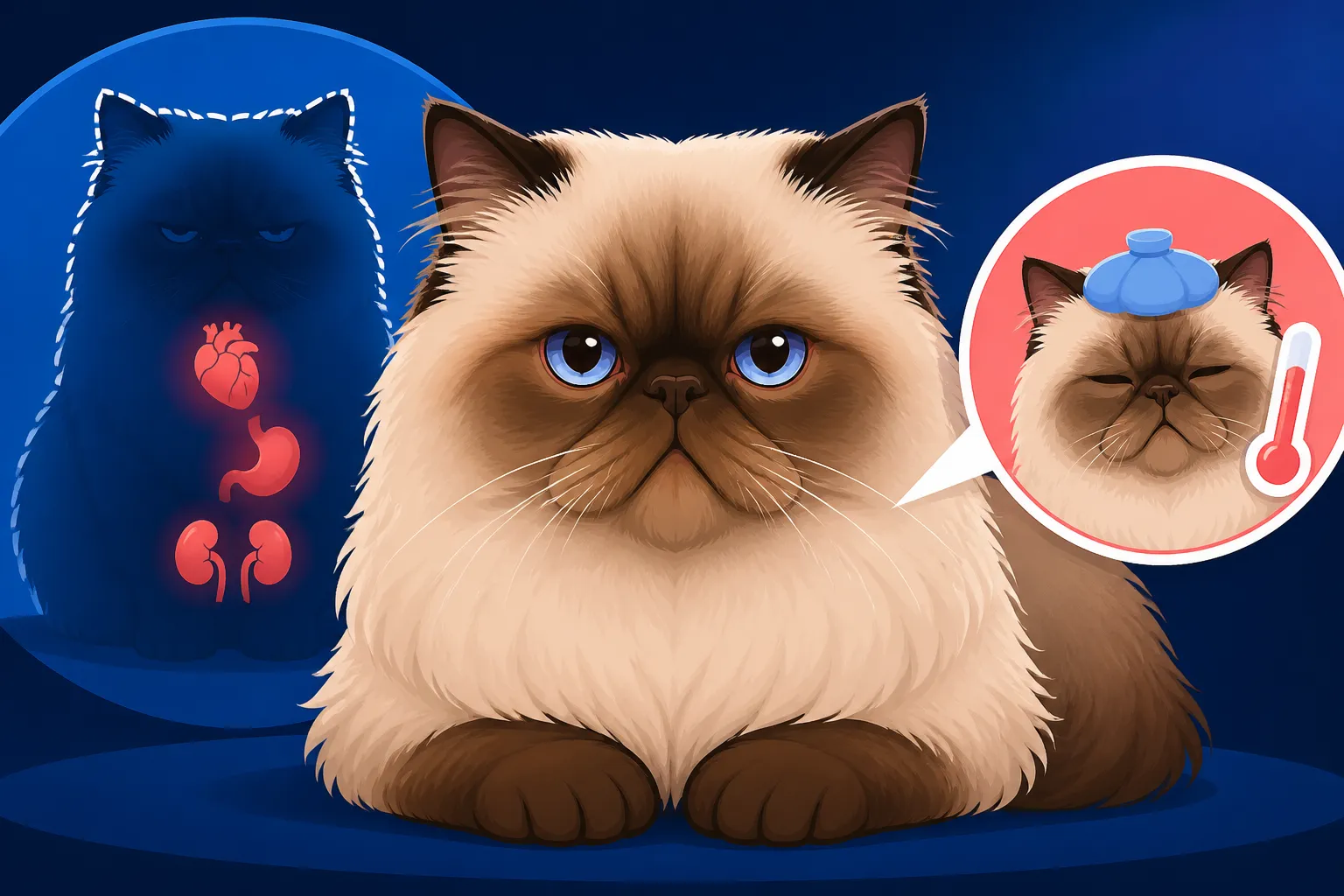
It's a heartbreaking reality for many Himalayan cat owners: trying to figure out if your beloved, fluffy companion is feeling unwell can feel like solving a silent riddle. Unlike some more overtly expressive breeds, Himalayans are champions at stoicism, often hiding their pain or discomfort behind an unchanging, almost serene expression. This guide will delve into why your Himalayan might keep quiet about its ailments and, more importantly, how you can become a detective for subtle clues to ensure they get the care they need.
The Himalayan's Inherited Stoicism: A Silent Burden
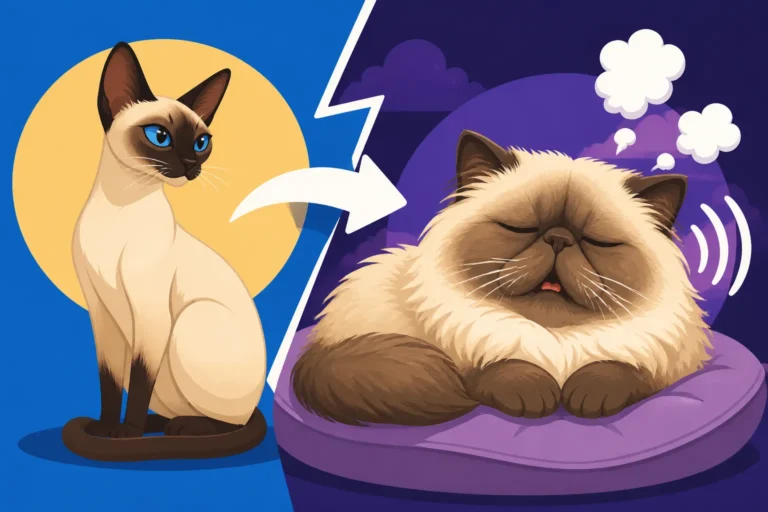
Himalayan cats, with their Persian lineage, have a deep-seated stoicism that often translates into a remarkable ability to mask discomfort. While their Siamese heritage lends them a unique voice, it doesn't always translate into expressive displays of pain or illness. This inherent quietness, combined with their calm and often sedentary nature, means that a Himalayan can be unwell for quite some time before an owner notices anything amiss. It's not that they're trying to deceive you; it's simply how they're wired to cope.
Descended from the Undemonstrative Persian Line
Imagine a cat that values peace and predictability above all else. That’s often the Persian, and by extension, a significant part of your Himalayan. Persians are known for their quiet dignity, rarely displaying dramatic flair even when something is bothering them. This trait is strongly inherited by Himalayans. A Himalayan might be feeling nauseous, have a hidden ache, or even be struggling with breathing, but instead of yowling or pacing frantically, they might simply find a quiet corner and withdraw further into themselves. This makes detection incredibly challenging for even the most vigilant owner. Their natural inclination is not to draw attention to weakness, a trait perhaps rooted in their wild ancestors' need to avoid appearing vulnerable to predators. In a domestic setting, however, it means we have to work harder to understand their needs.
The Contrast with Their Siamese Ancestors' Vocal Nature
It’s fascinating to consider that the Himalayan also carries the genes of the highly vocal Siamese. If you've ever owned a Siamese, you know they are not shy about communicating their every thought, demand, or discomfort. They will tell you, loudly and clearly, if their bowl is half-empty or if they want attention. Himalayans, thankfully for many owners' ear drums, inherited the voice of the Siamese but thankfully lost much of the volume. They might chirp softly or offer a low trill, and some are certainly more talkative than others, reflecting that Siamese genetic contribution. However, when it comes to expressing pain or illness, the Persian stoicism usually wins out. A typically quiet Himalayan might become even quieter, or a more vocal one might go silent, which can be a key but easily missed indicator. This means any deviation from their established vocal patterns, no matter how subtle, warrants attention. If your cat who typically offers a greeting chirp now walks past silently, it’s worth observing them closely. You might consider that a Himalayan is a Lap Cat That Answers Back, but not necessarily about pain.
Physical Traits That Mask Discomfort in Himalayans
Beyond their stoic personality, several physical characteristics of the Himalayan cat can inadvertently conceal signs of illness or injury, making it even harder for owners to spot trouble. Their luxurious coats and distinctive facial structure, while beautiful, require extra vigilance.
The Luxurious, Dense Coat Concealing Skin Issues and Weight Loss
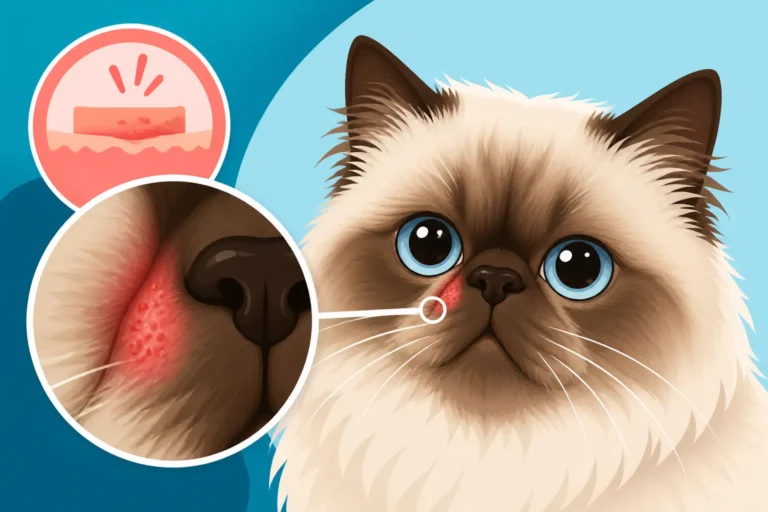
That magnificent, flowing coat, one of the Himalayan's most defining features, is a double-edged sword when it comes to health monitoring. It’s superb for keeping them warm, but it’s also an excellent camouflage. A Himalayan can be losing weight gradually, and you might not notice until the weight loss is significant, simply because the sheer volume of their fur hides their body condition. Similarly, skin issues like rashes, sores, parasites, or even external wounds can go undetected beneath the dense undercoat and long guard hairs. It's truly astonishing what a Himalayan's Coat Hides a Wound for Days. Mats, which often form in neglected coats, can also conceal skin irritation or infections underneath. This is why daily grooming isn't just about aesthetics; it’s a crucial health check. As you comb through their fur, you're not just preventing tangles; you're feeling for lumps, bumps, hot spots, or any changes in their skin or muscle tone that could indicate a problem.
The Brachycephalic (Flat) Face and Its Impact on Expressiveness
The Himalayan's adorable, flattened face, especially in the "Peke Face" variety, is undeniably endearing but also presents a unique challenge for owners. While a typical cat's expressive face, with its mobile whiskers, eyes, and brow, can communicate a great deal about its mood or discomfort, the brachycephalic structure of a Himalayan can significantly reduce these visual cues. The prominent cheeks, shorter nose, and often more rounded, open eyes mean that subtle shifts in expression that might signal pain in other breeds are simply not visible. For example, a cat in pain might squint, furrow its brow, or flatten its whiskers. With a Himalayan, these indicators are severely muted or absent. This lack of clear facial signals means owners must rely heavily on other, often more subtle, behavioral changes. This is why understanding Doll Face or Peke Face Is the Himalayan Buyer's Real Decision is important, as the flatter the face, the more difficult it is to interpret their expressions.
A Naturally Sedentary Nature That Masks Reduced Activity
Himalayans are generally known for their laid-back, tranquil disposition. They are often described as "couch potatoes" or "lap cats" who are content to spend much of their day napping in a favorite sunbeam or curled up on your sofa. This relaxed lifestyle, while charming, can make it incredibly difficult to detect when a cat is more sedentary than usual due to illness. If your Himalayan spends most of its day in one spot, how do you notice if it's spending even more time in that spot, or moving even less? A reduction in play, a reluctance to use a scratching post, or less interaction might be the only clues, but if they weren't particularly active to begin with, these changes can be very subtle. This is why paying close attention to their normal patterns and energy levels, even if low, is paramount. If your cat typically has a burst of energy for five minutes a day, and suddenly that burst is gone, it’s a sign. Understanding What a Himalayan Does All Day in One Chair highlights how their usual behavior can be a baseline that makes changes hard to spot.
Learning to Read the Subtle Cues Your Himalayan Gives
Given their talent for hiding discomfort, becoming a keen observer of your Himalayan’s subtle behaviors is your best tool for early detection. It's about recognizing deviations from their individual "normal," no matter how small they seem.
Deviations in Routine and Habits
One of the most telling signs a Himalayan might be unwell often comes from changes in their established routine. These cats thrive on predictability, so any shift can be significant.
- Eating and Drinking Habits: Is your Himalayan suddenly less enthusiastic about their favorite wet food? Are they leaving kibble untouched, or on the flip side, drinking significantly more water than usual? A change in appetite, even a slight one, or an increase in thirst could signal a variety of issues, from dental pain to kidney problems. Conversely, if your cat, who usually waits patiently, starts demanding food more vocally or frequently, it might be a subtle sign of underlying issues.
- Litter Box Behavior: This is often where the earliest and clearest signs appear. Look for changes in frequency (more or less often), consistency (diarrhea, constipation), or any signs of straining or pain during urination or defecation. Urinating outside the box, even just once, is a red flag that warrants investigation.
- Sleeping Patterns: While Himalayans love to sleep, a noticeable increase in lethargy or a change in their preferred sleeping spots can indicate illness. Are they hiding in unusual places, or simply sleeping more deeply and being harder to rouse?
Subtle Shifts in Body Language and Grooming
Even without overt facial expressions, a Himalayan's body can convey a lot if you know what to look for.
- Grooming Habits: A well-groomed Himalayan is a happy Himalayan. If you notice a sudden decrease in grooming, or that certain areas (like their back or britches) are becoming matted or unkempt, it could indicate pain, stiffness (arthritis), or general malaise. Conversely, excessive licking or chewing in a particular area might point to a skin irritation, allergy, or wound hidden beneath the fur. The daily face routine is also important; if they resist having their face wiped or if their tear stains become markedly worse, it warrants attention. Why Tear Stains Are Worse on a Cream Bodied Himalayan details how noticeable these can be.
- Posture and Movement: Watch how your Himalayan moves. Are they moving more stiffly? Are they reluctant to jump onto a favorite chair or climb stairs that were previously no problem? A subtle lameness, a hunched posture, or even just a general reluctance to move can all be indicators of pain or discomfort. They might sit in an unusual position, trying to alleviate pressure on a sore spot, or appear generally more tense.
- Vocalization Changes: As mentioned, while generally quiet, any change in their typical subtle vocalizations can be a clue. A sudden increase in quiet chirps or murmurs might indicate distress, or a once-vocal cat becoming completely silent. Conversely, sometimes a cat in pain will stop purring, as purring is often a self-soothing mechanism.
Interaction and Emotional State
Pay attention to how your Himalayan interacts with you and its environment.
- Affection Levels: While some Himalayans are naturally more aloof, a sudden change in how they seek or receive affection can be a sign. Are they usually a lap cat but now avoiding your touch? Or perhaps a usually independent cat is suddenly clingy?
- Hiding Behavior: Retreating to secluded or unusual spots in the house is a classic sign of a cat feeling unwell or unsafe. If your Himalayan, who usually claims a prime spot on the sofa, is now consistently under the bed or in a closet, it's a definite red flag.
- Eyes and Pupils: While their expression might not change much, their eyes might. Look for dilated or constricted pupils, squinting (even subtle), or a dull, unfocused gaze. Why a Himalayan's Eyes Water All Day also discusses the importance of monitoring their eye health.
Proactive Health Management and Early Detection Strategies
Since Himalayans are so adept at concealing illness, a proactive approach to their health is absolutely vital. This means not just reacting when something seems off, but actively working to detect potential issues before they become serious.
Regular Veterinary Check-ups and Breed-Specific Screening
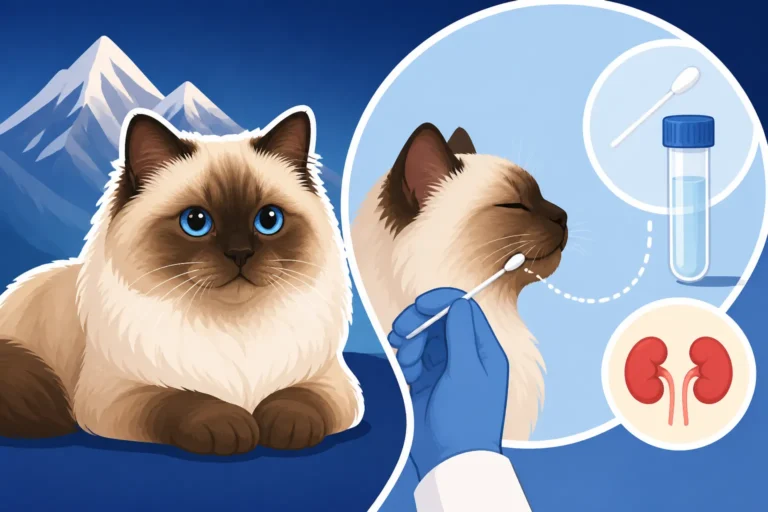
Never underestimate the power of routine veterinary visits. Even if your Himalayan seems perfectly healthy, annual check-ups are crucial. For older Himalayans, typically after age eight, twice-yearly visits are often recommended. Your vet has a trained eye for subtle signs you might miss and can perform a thorough physical examination, checking for lumps, dental issues, and overall body condition. They can also perform blood work and urinalysis, which can catch issues like kidney disease or diabetes long before clinical signs become obvious. It's important to discuss What a Himalayan's Yearly Bloods Should Cover After Eight with your vet to ensure comprehensive screening.
Due to their lineage, Himalayans are predisposed to certain genetic conditions, notably Polycystic Kidney Disease (PKD) from their Persian side and Progressive Retinal Atrophy (PRA). Discussing these breed-specific risks with your vet is paramount. Breeders should be testing for these conditions, and you should always ask for proof. Even with clear parental history, regular monitoring, such as kidney scans, can be part of a proactive plan, especially if you are Living With a Himalayan That Inherited the Persian Kidney Gene.
Consistent At-Home Health Checks and Grooming
Your daily routine with your Himalayan is an invaluable opportunity for health monitoring.
- Daily Combing: As you comb their beautiful coat, run your hands over their entire body. Feel for any new lumps, bumps, tender spots, or changes in skin texture. Check for external parasites like fleas or ticks.
- Face Wipes: When wiping their face, gently examine their eyes for discharge, redness, or cloudiness. Check their nose for any unusual discharge or dryness. Lift their lips briefly to peek at their gums and teeth for redness, swelling, or bad breath, which can indicate dental disease that their crowded mouths are prone to.
- Paws and Claws: Gently inspect their paw pads for cuts, cracks, or irritation, and check between their toes.
- Behavioral Journal: Consider keeping a simple journal to track your cat's normal eating, drinking, and litter box habits, as well as their general activity level. This makes it easier to spot subtle changes over time and gives you concrete information to share with your vet.
The Importance of a Secure Emergency Fund or Pet Insurance
Even with the most vigilant care, unexpected illnesses and emergencies can strike. Because Himalayans are prone to certain breed-specific issues, and their flat faces can sometimes complicate anesthetic procedures (as highlighted in Why a Himalayan Is a Harder Anesthetic Than a Siamese), veterinary bills can quickly add up. Having a reliable pet insurance plan, like those offered by Healthy Paws, can provide immense peace of mind. It allows you to make medical decisions based on what’s best for your cat, rather than being solely driven by cost. Look for plans that cover accidents, illnesses, and hereditary conditions, which are particularly relevant for a breed like the Himalayan. An emergency fund specifically set aside for your cat's health is also an excellent idea. Being financially prepared means you can seek immediate veterinary attention when you spot those subtle signs, without delay.
By combining proactive veterinary care, diligent at-home observation, and financial preparedness, you can significantly improve your chances of catching illnesses early in your stoic Himalayan, ensuring they live the happiest, healthiest life possible.
Disclaimer
This article is for general informational purposes only and does not constitute professional advice. Laws, prices and regulations vary by location and change over time. Consult a qualified professional for guidance on your specific situation.