Why Tear Stains Are Worse on a Cream Bodied Himalayan
It’s a sight many Himalayan cat parents know all too well: those tell-tale reddish-brown streaks running down from their beloved feline’s eyes, often making their beautiful, pristine cream coat look, well, less than pristine. It’s frustrating because it can feel like a losing battle, and you just want your cat to be comfortable and look their best. This guide is dedicated to unpacking exactly why tear stains tend to be so much more prominent and problematic on Himalayans with a cream body coat, exploring the underlying causes, and offering a robust approach to managing this common concern.
Understanding the Anatomy Behind Himalayan Tear Stains
The struggle with tear stains in Himalayans isn't just a cosmetic one; it's often rooted deep in their unique, charming, but sometimes challenging, anatomy. Their distinctive facial structure, which we adore, plays a significant role in why their tears don't always drain as efficiently as they should.
The Unique Himalayan Facial Structure
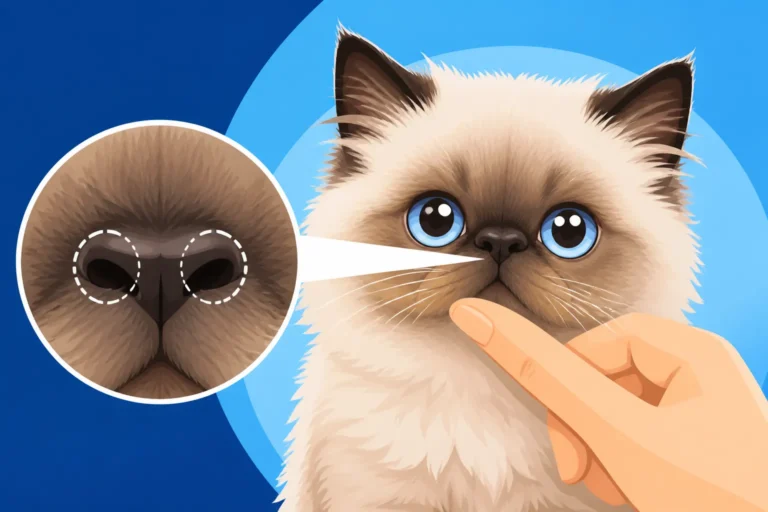
Himalayans, being a pointed variety of the Persian breed, share that quintessential brachycephalic, or "flat-faced," characteristic. This means they have a shortened skull, a very short nose, and large, round eyes set in shallow sockets. While undeniably cute, this conformation often comes with a trade-off: compacted facial anatomy. The tear ducts, which are supposed to channel tears away from the eyes and into the nasal cavity, can become kinked, narrowed, or even blocked due to the lack of space. Instead of draining internally, the tears simply overflow down the face.
This issue can vary depending on the specific facial profile of your Himalayan. For example, a "Peke Face" Himalayan, named for its resemblance to a Pekingese dog with an extremely flattened nose and prominent eyes, will almost certainly experience more pronounced tear duct issues. Their facial folds can also trap moisture, creating a damp environment. On the other hand, a "Doll Face" Himalayan, with a slightly longer nose and less extreme facial flattening, might have fewer issues with tear overflow, though they are certainly not immune. Understanding What a Peke Face Himalayan's Profile Measures versus What a Doll Face Himalayan's Profile Measures can give you an insight into your own cat’s potential predisposition. It’s a delicate balance of breeding for a desired look while trying to mitigate these inherent structural challenges.
The shallow eye sockets mean the eyes are more exposed to the elements, making them more susceptible to dust, debris, and irritants floating in the air. Even something as minor as a speck of household dust can trigger a natural reflex to produce more tears to flush it out. This constant battle against environmental factors contributes significantly to the persistent dampness around the eyes, even when there isn't a complete blockage of the tear ducts. It's a daily reality for many of these beautiful cats, and it requires consistent vigilance from their caretakers.
The Role of Blue Eyes and Tear Production
Himalayans are renowned for their striking, piercing blue eyes, a direct genetic link to their Siamese ancestry and the point coloration gene. It’s a defining feature of the breed, and indeed, Why a Himalayan's Required Blue Eyes Carry No Penalty in terms of vision quality or specific eye diseases linked solely to the color. However, the genetic blueprint that gives them these magnificent blue eyes, which also dictates their colorpoint pattern, doesn't inherently make them produce more tears. The issue isn't the color itself, but rather the exposure of the eyes due to the brachycephalic facial structure that often accompanies the breed.
Because their eyes are often quite prominent and open due to the flat face, they might experience more rapid evaporation of their natural tear film. When the tear film evaporates too quickly, the eye attempts to compensate by producing more tears, leading to an overflow. This constant overproduction, even if it’s just a little bit more than average, quickly becomes problematic when combined with inefficient tear duct drainage. It's a double-whammy: tears are being produced readily, but they have nowhere efficient to go, so they spill over onto the fur.
Many Himalayan owners often observe their cats’ eyes watering throughout the day, which prompts questions like Why a Himalayan's Eyes Water All Day. It's not always a sign of pain or severe irritation, but rather a continuous, low-level overflow that simply doesn’t stop. This constant dampness creates the perfect conditions for tear staining to become established and worsen over time. Without regular cleaning and management, those initial clear tears quickly turn into something far more noticeable and persistent, especially against a light-colored coat.
The Chemistry of Tear Stains and Discoloration
Understanding why tears stain goes beyond just overflow; it involves a bit of biology and chemistry. It's not just water running down their face; it's a complex mix that reacts with the environment and, unfortunately, can create a breeding ground for other issues.
What Makes Tears Stain? The Porphyrin Connection
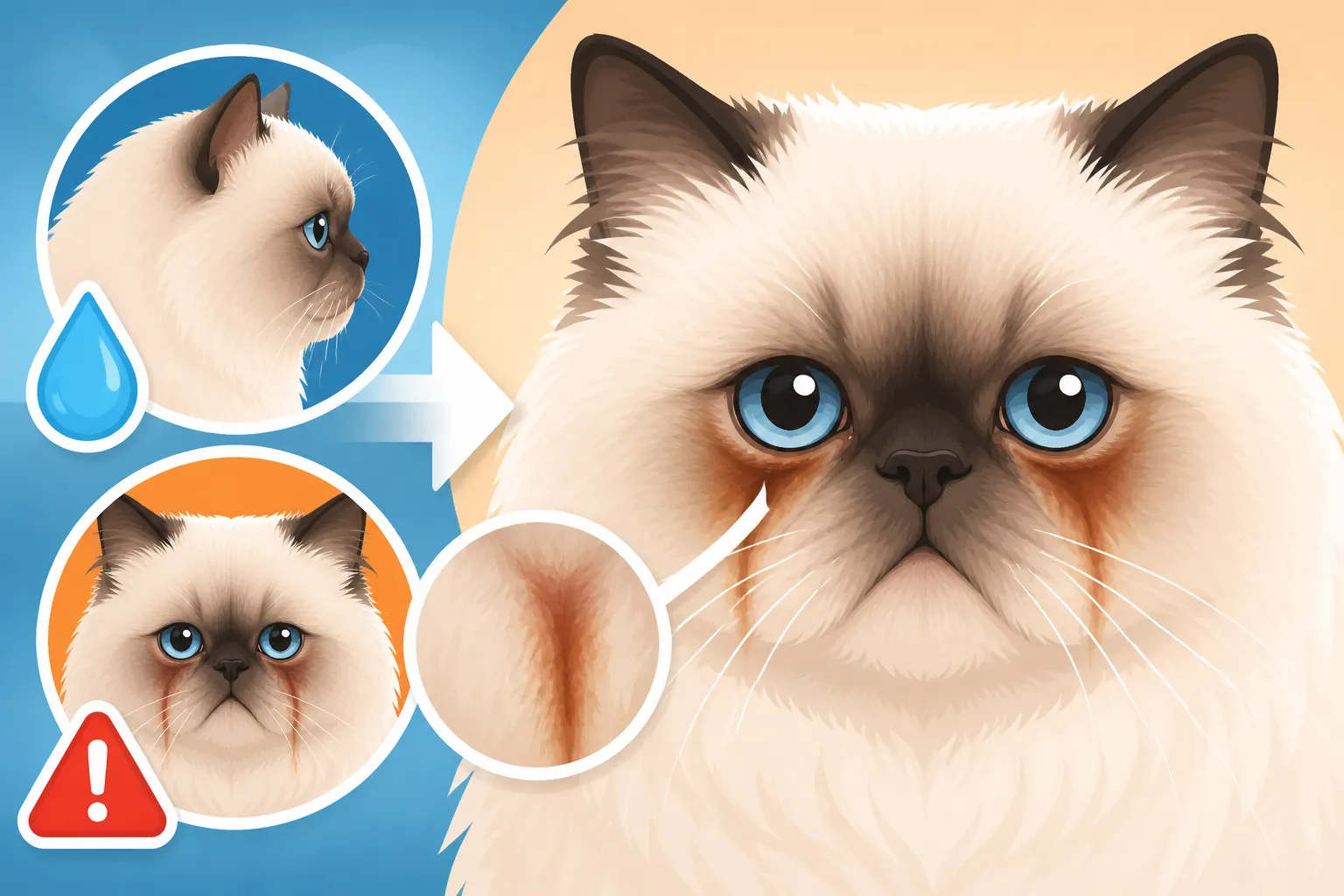
The primary culprit behind those reddish-brown tear stains isn't actually dirt or grime; it's a naturally occurring molecule called porphyrin. Porphyrins are iron-containing waste products from the breakdown of red blood cells in the body. They are excreted through various bodily fluids, including tears, saliva, and urine. When these porphyrins, particularly lacrimal porphyrins in tears, are exposed to air and sunlight, they oxidize. This oxidation process causes them to turn that characteristic rust-red or brownish color that we associate with tear stains.
Every cat produces porphyrins, but the amount can vary from individual to individual. Some Himalayans might naturally excrete higher levels of porphyrins through their tears, making them more prone to severe staining, even with minimal overflow. Diet can also play a role, as certain food additives or high iron content in water might contribute to the porphyrin load, though this is often less significant than genetic predisposition or facial structure. This process is exactly What Turns a Himalayan's Tear Stains Rust Colored, explaining why no amount of gentle wiping with plain water seems to completely eradicate the deep-set discoloration.
It’s important to remember that the presence of porphyrin stains doesn't automatically mean there's a serious medical issue. It's often just a natural bodily function combined with environmental exposure. However, understanding this chemical reaction is crucial for effective management. Simply wiping away the moisture isn't enough; you need methods that can help break down or lift these oxidized compounds from the fur, or ideally, address the underlying tear overflow to reduce the exposure in the first place.
Yeast and Bacterial Overgrowth
While porphyrins cause the initial reddish-brown discoloration, the constantly damp environment created by overflowing tears provides an ideal breeding ground for opportunistic microorganisms. Yeast, particularly Malassezia, and various bacteria thrive in warm, moist conditions. When these microbes proliferate in the fur around the eyes, they can significantly worsen the appearance of tear stains, often adding a darker, almost blackish tint and an unpleasant odor.
Yeast infections, for instance, often manifest as a dark, crusty buildup that can be itchy or irritating for your cat. Bacterial infections can lead to even more redness, inflammation, and sometimes a thicker, colored discharge that signals a more serious problem. This secondary infection component is often what makes tear stains not just an aesthetic concern but a genuine health issue that needs attention. It’s a vicious cycle: tears overflow, the area stays damp, microbes flourish, they irritate the skin, which can cause even more tearing, and the staining becomes more intense.
Identifying whether the staining is purely porphyrin-based or if there’s a microbial component is important for treatment. If you notice a strong, yeasty smell, or if the skin underneath the stained fur appears red, inflamed, or irritated, it’s a strong indication that yeast or bacteria are involved. This is where dedicated cleaning products designed to combat these microbes can make a significant difference, often used in conjunction with addressing the underlying causes of tear overflow. Sometimes, even with the best at-home care, a vet visit might be needed for prescription anti-fungal or antibiotic treatments to get the microbial overgrowth under control before maintenance can truly be effective.
Why Cream Bodies Show it More: The Visual Impact
Now that we understand why tears stain, let's tackle the core question: why is it so much worse on a cream-bodied Himalayan? The answer, at its heart, is surprisingly simple, yet profoundly impactful for owners of these light-colored beauties.
Contrast is Everything: Cream vs. Darker Points
The most straightforward reason why tear stains are so much worse on a cream-bodied Himalayan is pure, unadulterated contrast. Imagine a drop of dark coffee spilled on a white tablecloth versus a dark wooden table. On the white, it screams for attention; on the dark, it might almost disappear. The same principle applies here. The reddish-brown porphyrin stains, especially when exacerbated by yeast and bacteria, stand out dramatically against the pale, creamy backdrop of their body coat. Even the slightest hint of staining becomes glaringly obvious, making your cat appear perpetually disheveled, even if you’ve just cleaned their face.
Compare this to a Seal Point Himalayan, whose points (face, ears, paws, tail) are a deep, rich brown, and whose body might be a fawn or cream color but with darker shading. The staining around their eyes, while still present, would blend in considerably more with the darker fur of their mask. Similarly, a Blue Point Himalayan, with its cool grey-blue points, would also naturally camouflage some of the reddish-brown discoloration. The visual impact on a pristine cream body, however, is unforgiving. Every single streak, every hint of discoloration, is highlighted, creating an almost exaggerated perception of the problem. This is How Tear Staining Marks a Himalayan's Pale Body Coat and it's why it often feels like an uphill battle for owners of cream-pointed Himalayans.
It’s not that cream-bodied Himalayans necessarily produce more tears or more porphyrins than their darker counterparts; it's simply that their genetic canvas makes the problem undeniable. This high visibility can be disheartening for owners who dedicate significant time to grooming. It can also lead to a misperception that the cat is somehow "dirtier" or less well-cared for, when in reality, the owner might be doing everything right, but the coat color simply acts as a spotlight on a common breed characteristic.
The Cream Coat's Tendency to Yellow
Beyond the stark contrast of reddish-brown against pale cream, there’s another layer to why cream-bodied Himalayans struggle: the inherent tendency of their pale fur to show any form of discoloration. Cream fur, by its very nature, can easily yellow or become dingy from various environmental factors, which then compounds the visual problem of tear stains. Think about how a white shirt quickly picks up subtle yellowing over time from body oils, sweat, or even just exposure to air. A cat’s coat is no different.
This general yellowing can come from many sources: contact with bedding, slight dampness from drinking water that soaks into the ruff, certain components in their food, or even just regular oils from their skin and coat accumulating over time. When these subtle yellowish hues mix with the reddish-brown tear stains, the overall effect can be a muddy, dull, and frankly, unsightly appearance around the face. It makes the cat look generally less vibrant and well-maintained. This is Why a Himalayan's Pale Body Coat Yellows over time, and it means that the tear-stained areas don't just stand out, they blend into a larger problem of general coat discoloration.
The challenge here is two-fold: you're not just fighting the distinct red-brown streaks, but also the overall dullness and yellowing of the surrounding fur. This means that a comprehensive grooming routine for a cream-bodied Himalayan often needs to go beyond just targeting the tear stains themselves. It involves keeping the entire coat, especially around the face and ruff, as pristine as possible to reduce the background canvas against which the tear stains are judged. It's a commitment, but one that yields significant aesthetic rewards, making those beautiful points and creamy body truly shine.
Contributing Factors to Increased Tearing and Staining
While facial anatomy and coat color are undeniable players, tear staining is often a multifactorial issue. Other elements in your Himalayan’s daily life, from what they eat to the air they breathe, can either reduce or intensify the problem.
Diet, Water, and Environmental Irritants
It might sound surprising, but what your Himalayan eats and drinks, along with the environment they live in, can significantly impact the severity of their tear stains. A cat's diet, for instance, can influence their overall health and the composition of their bodily fluids. Some anecdotal evidence suggests that certain ingredients in cat food, particularly artificial dyes, fillers, or high-iron content, might contribute to increased tear production or darker porphyrin staining. While scientific studies are mixed, many owners report improvement when switching to high-quality, grain-free foods with limited ingredients and no artificial colors. For owners wondering Which Foods Darken a Himalayan's Tear Tracks, experimenting with diet, under veterinary guidance, can sometimes yield positive results.
The water your cat drinks also plays a role. Tap water, especially in areas with hard water, can contain high levels of minerals like iron and copper. These minerals, when excreted through tears, can potentially contribute to darker staining. Many owners find that switching to filtered, distilled, or purified water for their cats can lead to a noticeable reduction in stain intensity over time. It's a simple change that's worth trying if other methods haven't fully worked.
Beyond consumables, the environment your Himalayan lives in is a huge factor. Cats, especially those with exposed eyes, can be sensitive to airborne irritants. Dust, pollen, mold, smoke (from cigarettes, candles, or fireplaces), and even strong chemical cleaning products or air fresheners can act as allergens or irritants, triggering excessive tear production as the eyes try to flush them out. Keeping your home clean, using HEPA air purifiers, and avoiding strong scents can make a world of difference. Investing in good health coverage from providers like Healthy Paws can also be a smart move, as persistent environmental allergies might necessitate vet visits, tests, or specific medications to manage the tearing, and having a safety net for those costs provides peace of mind.
Underlying Health Concerns
Sometimes, tear stains aren't just a cosmetic nuisance; they can be a symptom of an underlying health problem. It's crucial not to dismiss severe or sudden onset staining, especially if accompanied by other signs of discomfort, as it could indicate a medical condition requiring veterinary attention. One common issue for brachycephalic breeds like Himalayans is entropion, where the eyelid rolls inward, causing the eyelashes or fur to constantly rub against the cornea. This constant irritation leads to excessive tearing, pain, and can even result in corneal ulcers. Recognizing What Entropion Does to a Himalayan's Blue Eye is vital for early intervention.
Blocked or abnormally formed tear ducts are also prevalent. While the brachycephalic structure often predisposes them to this, sometimes it’s a complete blockage that requires flushing by a vet. Other ocular issues such as conjunctivitis (inflammation of the conjunctiva), corneal abrasions or ulcers (which could be What a Corneal Ulcer Looks Like on a Blue Eyed Himalayan), or even glaucoma can cause increased tearing and staining. Allergies, both environmental and food-related, can also manifest as itchy, watery eyes, contributing to the problem.
If you notice excessive redness, swelling, thick or colored discharge, squinting, pawing at the face, or if the staining suddenly worsens or changes in character, it's time for a vet visit. Your veterinarian can perform a thorough eye exam, rule out serious conditions, and recommend appropriate treatments, which might include medicated eye drops, antibiotics, or even surgical correction for issues like entropion or severe tear duct blockages. These medical interventions can be costly, making pet insurance from providers like Healthy Paws incredibly valuable for covering unexpected diagnostic and treatment expenses. Ignoring these signs can lead to chronic discomfort for your cat and potentially more severe eye damage.
Practical Strategies for Managing Tear Stains on Cream Himalayans
Dealing with tear stains on a cream Himalayan requires dedication and a consistent routine. It's not a one-and-done solution, but rather an ongoing commitment to their health and appearance. The good news is that with the right approach, you can significantly reduce their prominence.
Daily Cleaning and Grooming Routine
The absolute cornerstone of managing tear stains on a cream-bodied Himalayan is a diligent, daily cleaning routine. Consistency is key here; a missed day can quickly negate the progress of several previous days. The goal is to prevent the tears from sitting on the fur long enough to oxidize and allow microbes to flourish. Start by gently wiping the area around your cat’s eyes every morning. Just like The Morning Face Routine Every Himalayan Needs, this isn't just about aesthetics, but about preventing discomfort and potential infection.
You can use a soft, damp cloth with warm, filtered water, or specially formulated, pet-safe tear stain wipes. Look for wipes that are free from harsh chemicals, perfumes, and bleach, as these can irritate your cat's sensitive eyes and skin. Products containing ingredients like boric acid, witch hazel, or colloidal silver can be effective in gently cleaning and inhibiting microbial growth. Always check the ingredients to ensure they are safe for ophthalmic use. When using wipes, gently swipe downwards from the inner corner of the eye, being careful not to touch the eyeball itself. Use a fresh part of the wipe, or a new wipe, for each eye to prevent cross-contamination if one eye is irritated.
After cleaning, it is absolutely critical to dry the area thoroughly. Moisture is the enemy, so gently pat the fur dry with a clean, soft cloth or cotton pad. Allowing the area to remain damp, even after cleaning, defeats the purpose and invites yeast and bacteria to return. Some owners even use a tiny puff of cornstarch (avoiding direct eye contact) to help absorb residual moisture and create a barrier. Remember, patience and a gentle touch are vital; your Himalayan's face is a very sensitive area, and building trust during this routine will make it much easier for both of you. Knowing Which Wipes Are Safe Around a Himalayan's Blue Eyes is paramount to preventing irritation.
Preventive Measures and Long-Term Care
Beyond daily cleaning, several preventive measures can help minimize tear staining and contribute to your Himalayan's long-term comfort and cleanliness. One simple yet effective step is to keep the fur around their eyes and nose trimmed short. Long fur traps moisture, creates a dense mat for tears to cling to, and can even wick tears directly into the coat, exacerbating the problem. A visit to a professional groomer who is experienced with brachycephalic breeds, or a careful trim at home with blunt-nosed scissors, can make a significant difference. Just be incredibly cautious and use proper grooming techniques to avoid accidental injury. This helps fulfill the importance of Why a Himalayan's Face Must Be Wiped Every Day by making it easier to do so effectively.
Considering the type of food bowl your Himalayan uses can also help. Their flat faces make it difficult to eat from deep, narrow bowls without getting food and water all over their face and ruff. This adds to the moisture and staining around the chin and can contribute to dampness near the eyes. Opt for shallow, wide bowls, ideally made of ceramic or stainless steel, which are easier to clean and less likely to harbor bacteria. Which Bowl Shape a Flat Faced Himalayan Can Use is often a key consideration for overall facial hygiene. Raised bowls can also make eating and drinking more comfortable, reducing spillage.
Lastly, while controversial, some owners explore tear stain supplements. These often contain mild antibiotics or natural ingredients like cranberry extract or probiotics. Always consult your veterinarian before starting any supplement, as some can have side effects or interact with other medications. The goal is to address potential microbial imbalances from within or reduce tear production. While supplements aren't a magic bullet, they can sometimes be part of a multi-pronged approach, especially when combined with diligent cleaning and addressing underlying causes. Remember, preventing issues from becoming severe saves you money in the long run. Even though pet insurance like Healthy Paws is great for unexpected vet bills, preventing a deep-seated problem is always the best solution.
When to Seek Veterinary Attention
While tear stains are common in Himalayans, there's a fine line between a routine cosmetic concern and a symptom that signals a deeper, more serious health issue. Knowing when to put down the wipes and pick up the phone to call your vet is crucial for your cat's well-being.
Recognizing Signs of Infection or Worsening Condition
It's easy to get used to a bit of staining, especially on a cream-bodied Himalayan where it's so visible, but certain changes should immediately raise a red flag. If you notice a sudden increase in the volume of tears, or a change in their consistency from clear to thick, cloudy, or yellowish/greenish discharge, that's a strong indicator of an infection. Look closely at the skin around the stained area: is it red, swollen, raw, or do you see any bumps or lesions? These are signs of irritation or infection that need professional assessment.
Beyond just the appearance of the stains, observe your cat's behavior. Is your Himalayan squinting, holding one eye partially closed, or rubbing their face excessively with their paws? These actions suggest pain or discomfort. Any visible changes to the eye itself, such as cloudiness, a visible foreign object, a dullness to the usually vibrant blue color, or changes in pupil size, warrant immediate veterinary attention. Don't wait to see if it clears up on its own. For instance, if you suspect Why a Himalayan's Eye Injury Cannot Wait Until Monday, trust your gut and get them seen. Prompt action can prevent minor issues from escalating into serious, potentially sight-threatening conditions.
Diagnostic Tests and Treatment Options
When you bring your Himalayan to the vet for severe or concerning tear stains, expect a thorough eye examination. Your veterinarian will likely use an ophthalmoscope to inspect the structures of the eye, and they might perform a fluorescein stain test to check for corneal ulcers or abrasions. This simple test involves applying an orange dye to the eye; if there's an ulcer, the dye will adhere to the damaged area and glow green under a special light. This is an essential step to rule out serious corneal damage.
Another common procedure is a Schirmer tear test, which measures tear production, and a tear duct flush. During a tear duct flush, a vet will gently insert a small cannula into the tear duct opening (punctum) and flush sterile saline solution to check for blockages. This can reveal if the ducts are simply narrowed or completely obstructed. If a blockage is found, sometimes a flush is enough to clear it, but repeated procedures or even surgical intervention might be necessary for persistent issues. This is why understanding Whether Flushing a Himalayan's Tear Ducts Achieves Anything is important – it’s a diagnostic and sometimes therapeutic tool.
Depending on the diagnosis, treatment could involve a range of options. For bacterial infections, antibiotic eye drops or oral antibiotics might be prescribed. Antifungal medications would be used for yeast overgrowth. If allergies are suspected, your vet might recommend allergy testing and subsequent management, which could include antihistamines or other medications. In cases of entropion or severe tear duct malformations, surgical correction might be recommended to permanently resolve the structural issue and prevent future discomfort and staining. These diagnostic tests and treatments can quickly add up, so having a pet insurance plan like Healthy Paws can be a tremendous financial relief, ensuring you can provide your beloved Himalayan with the best possible care without undue stress.
| Cleaning Method | Pros | Cons | Best For |
|---|---|---|---|
| Warm Water & Cloth | Gentle, inexpensive, non-irritating | Less effective on deep stains, no anti-microbial | Daily maintenance, mild staining |
| Pet-Safe Tear Wipes | Convenient, often contain gentle cleansers | Can be costly, some brands may irritate | Daily quick clean, moderate staining |
| Boric Acid Solution | Mild antiseptic, helps neutralize stains | Must be diluted correctly, can be drying | Persistent red-brown stains |
| Colloidal Silver | Natural antimicrobial, anti-inflammatory | Can be expensive, needs consistent application | Microbial overgrowth, sensitive skin |
| Gentle Pet Shampoo | Good for deep cleaning around face/ruff | Requires rinsing, can get in eyes, stressful | Severe crusting, general facial discoloration |
| Cornstarch Powder (tiny puff) | Absorbs moisture, creates barrier | Can clump if wet, avoid direct eye contact | Post-cleaning drying, preventing dampness |
Disclaimer
As a seasoned blogger and advocate for feline health, I'm passionate about sharing information to help you care for your Himalayan cat. However, please remember that I am not a veterinarian. The information provided in this guide is for educational and informational purposes only and is not a substitute for professional veterinary advice, diagnosis, or treatment. Always seek the advice of your veterinarian or other qualified animal health provider with any questions you may have regarding a medical condition or the health and welfare of your pet.