How Long It Takes a Cobby Himalayan to Lose Weight
It's incredibly common to look at our beautiful Himalayan cats, with their luxurious coats and wonderfully round bodies, and wonder if they're carrying a little too much extra weight. That "cobby" build is part of their charm, but it can also mask a real health concern that needs addressing. This guide will walk you through understanding why Himalayans often struggle with weight, what a realistic timeline for healthy weight loss looks like, and how you can help your sweet companion get back to a healthier, happier weight without drastic measures.
Understanding Why Himalayans Gain Weight So Easily
If your Himalayan has put on a few extra pounds, you're certainly not alone. It’s a challenge many of us face with this particular breed, and it’s not always as simple as just "feeding them less." There are specific reasons why Himalayans are prone to weight gain, and understanding these factors is the first step toward helping them.
Their Unique Physique and Metabolism
Himalayans, as a cross between Persians and Siamese, inherited a fascinating blend of traits. From their Persian side, they got that wonderfully dense, long coat and that distinctive "cobby" body type – compact, heavily boned, and low to the ground with those famously short legs. While their Siamese ancestry gives them a bit more energy than a pure Persian, they are still, by nature, far less active than many other cat breeds. They love their naps, their cozy spots, and often prefer observing the world from a comfortable perch rather than constantly darting around.
This combination of a naturally stocky build and a generally laid-back temperament means they simply don't burn as many calories as a more athletic cat. Their metabolism is often a bit slower, and those short legs mean they don't expend as much energy moving from room to room, let alone running or jumping. What might be a perfectly adequate portion for another cat can quickly become too much for a Himalayan. For more on their energy levels, you might find our article, How Many Calories an Adult Himalayan Burns a Day, insightful.
The Silent Creep of Extra Calories
It's easy to accidentally overfeed a Himalayan, even when we think we're being careful. A few extra kibbles here, a couple of treats there, and those calories add up, silently and steadily. Because of their dense fur, it can be hard to notice the weight gain until it’s quite significant. That plush coat hides a lot! Many owners don't realize their cat is gaining weight until they try to feel their ribs and find them hard to locate, or notice that their cat is having trouble grooming.
Many commercial cat foods are also quite calorie-dense, and if we're measuring by sight rather than by weight, it's very easy to give a little more than intended. Those irresistible kitty treats, while small, can pack a surprising caloric punch, especially when offered frequently throughout the day. This is why it's so important to understand Why a Cobby Himalayan Gains on a Portion Another Cat Burns – their needs are simply different. Even a small piece of cheese or a bite of your food can contribute to a significant caloric surplus for a cat that naturally burns fewer calories.
Realistic Expectations for Himalayan Weight Loss
Embarking on a weight loss journey for your Himalayan requires patience and a realistic outlook. It’s not a quick fix, and trying to rush the process can actually be detrimental to their health.
Why Slow and Steady Wins the Race
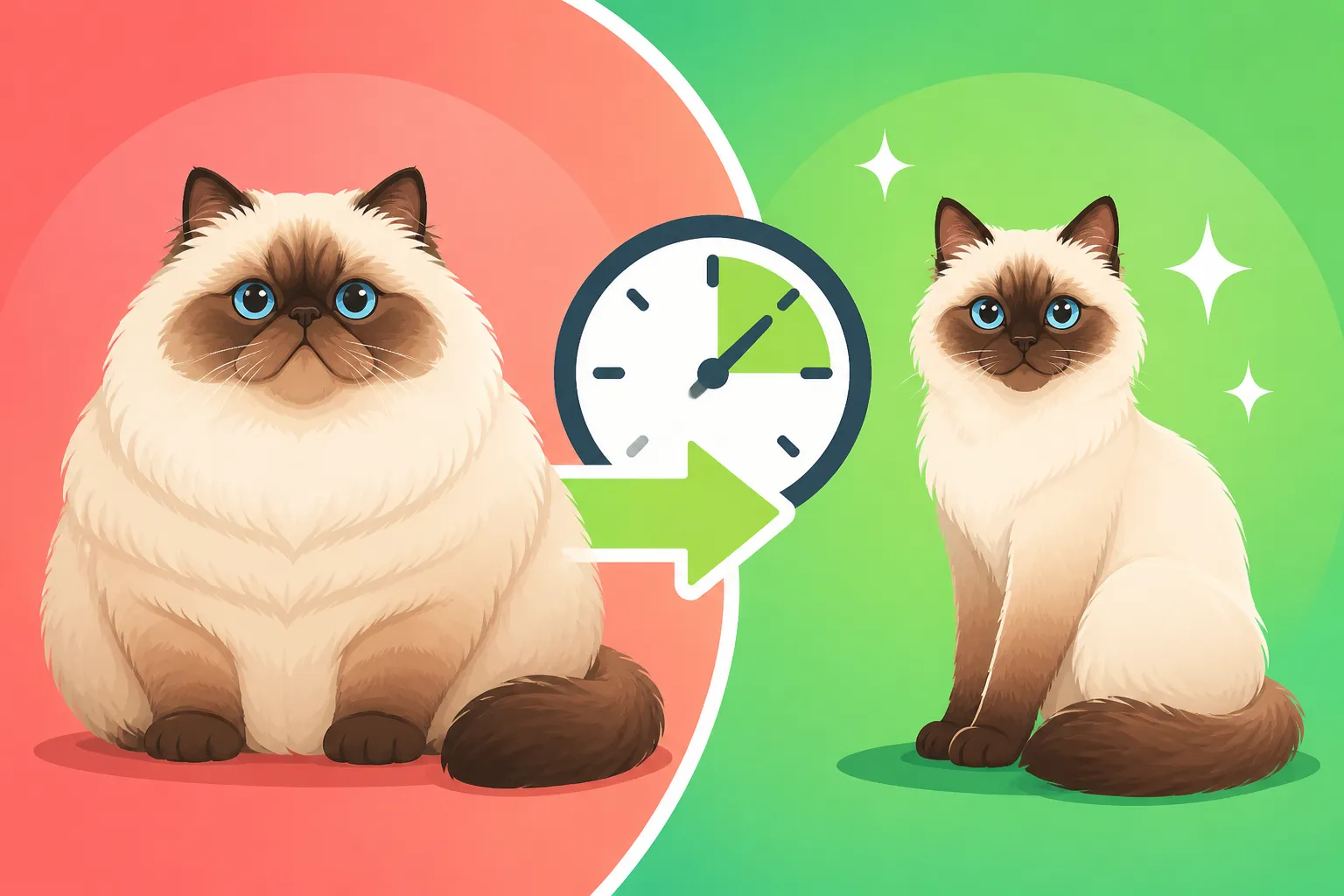
When it comes to feline weight loss, especially for a breed like the Himalayan, slow and steady is truly the safest and most effective approach. Rapid weight loss in cats can lead to serious health issues, most notably hepatic lipidosis, or fatty liver disease, which can be life-threatening. A healthy and sustainable weight loss rate for a cat is generally about 1-2% of their body weight per week.
For example, if your Himalayan weighs 12 pounds, a healthy weekly loss would be between 1.9 and 3.8 ounces. This might not sound like much, but it's consistent progress that allows their body to adjust safely. It means you won't see dramatic changes overnight, but over several months, those small losses will add up to a significant and healthy transformation. Expecting them to drop a pound in a month, for instance, might be too aggressive and could put their health at risk. It’s a marathon, not a sprint, and consistency is key. You might wonder, How Long a Himalayan Takes to Come Down a Pound, and the answer is usually several weeks, sometimes even a month or two, depending on their starting weight and metabolism.
Calculating Your Cat's Ideal Weight and Target
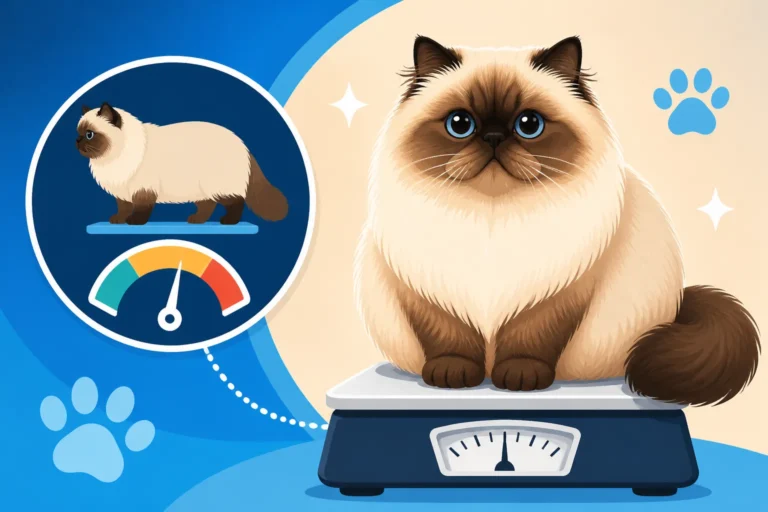
Determining your Himalayan's ideal weight is crucial before starting any weight loss program. This is best done with the help of your veterinarian. They can assess your cat's Body Condition Score (BCS), which is a much more accurate measure of their fat reserves than just a number on the scale. The BCS is typically on a 9-point scale, with 5 being ideal. An overweight cat might score 7 or 8.
Your vet will physically examine your cat, feeling along their ribs, spine, and waist. Ideally, you should be able to feel their ribs with a slight layer of fat over them, their waist should be discernible when viewed from above, and their belly should tuck up slightly when viewed from the side. Once a target ideal weight is established, your vet can help you calculate the appropriate daily caloric intake for gradual weight loss. This typically involves reducing their current intake by about 20-30%, but it must be tailored to your individual cat's needs and current activity level. This initial assessment and ongoing support are incredibly valuable, and having pet insurance like Healthy Paws can help cover the costs of these important vet visits.
Here's a general guideline for Himalayan weight, but remember, every cat is an individual!
| Factor | Ideal Male Himalayan (Typical) | Ideal Female Himalayan (Typical) | Overweight Indicators |
|---|---|---|---|
| Weight Range | 10-15 lbs (4.5-6.8 kg) | 8-12 lbs (3.6-5.4 kg) | Ribs hard to feel, no discernible waist, sagging belly, difficulty jumping/grooming. |
| Body Condition Score | 5/9 | 5/9 | 7/9 or higher |
| Activity Level | Moderate to Low | Moderate to Low | Reduced play, increased napping |
| Grooming Ability | Easily self-grooms all areas | Easily self-grooms all areas | Cannot reach hindquarters, matted fur, greasy coat |
Remember that What a Himalayan Weighs at One on a Persian Frame can give you an idea of a healthy adult weight, but this should always be balanced with a vet's assessment of their body condition.
Practical Strategies for a Successful Weight Loss Journey
Once you have a clear understanding of your Himalayan's ideal weight and a realistic timeline, it's time to put a plan into action. This involves a combination of dietary adjustments and gentle activity.
The Power of Portion Control and Specialized Diets
The cornerstone of any successful weight loss program for a Himalayan is strict portion control. Free-feeding, where food is left out all day, is a recipe for weight gain, especially with a cat that has a lower metabolism. Instead, measure out your cat's food precisely for each meal. This often means investing in a small digital kitchen scale to weigh their kibble or wet food, as cup measurements can be surprisingly inaccurate. Your vet will provide you with a target calorie count, and you'll need to feed a specific amount of food that hits that target. For instance, How Much a Cobby Himalayan Gets in a Weighed Meal is crucial to track accurately.
Many veterinarians will recommend a prescription weight-loss diet. These foods are specifically formulated to be lower in calories but higher in fiber and protein, helping your cat feel full while still losing weight. The increased protein helps maintain muscle mass, which is important for overall health. If a prescription diet isn't an option, look for over-the-counter foods that are high in protein and moderate in fat, and always read the calorie content per serving. Wet food can also be a great ally, as it has a higher water content, making it less calorie-dense by volume and helping your cat feel more satiated. When switching foods, do so gradually over 7-10 days to avoid digestive upset. This careful management of their diet is essential.
Encouraging Gentle Activity
Himalayans aren't typically known for their boundless energy, but even a little extra movement can make a big difference in their weight loss journey. The goal isn't to turn them into an Olympic athlete, but to gently increase their activity levels in ways that are enjoyable and safe for their cobby build and brachycephalic (flat) face.
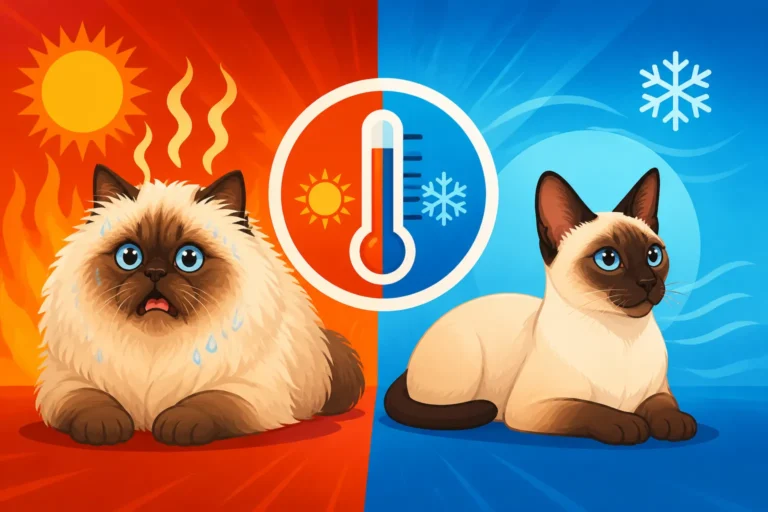
Interactive play is your best friend. Wand toys, laser pointers (used carefully, always ending with a physical toy to "catch"), and feather teasers can entice them off the sofa for short bursts of activity. Break up play sessions into multiple short periods throughout the day rather than one long one, as Himalayans can overheat easily and get out of breath quickly. Our article, Why a Himalayan Pants After Five Minutes of Play, offers more insight into their respiratory limitations. Aim for 5-10 minute sessions a few times a day. Puzzle feeders can also encourage mental stimulation and make them "work" for their food, burning a few extra calories in the process. Remember, they might not jump high or run fast, but even gentle chasing and batting can contribute. Exploring new toys, like those mentioned in Which Toys Get a Himalayan Off the Sofa, can keep things interesting for your feline friend.
Overcoming Feeding Challenges
Feeding a flat-faced cat like a Himalayan comes with its own unique set of considerations, especially during a weight loss program. Their shortened muzzles mean they often struggle with deep bowls, which can push against their whiskers and make eating uncomfortable, leading to food being scattered or left untouched.
Using wide, shallow bowls or elevated dishes can make mealtime much more comfortable and efficient for them. This allows them to reach their food without straining their neck or flattening their whiskers. For wet food, consider bowls with low edges or even flat plates. This will help minimize the mess that can get caught in their long ruff and make it easier for them to eat every bite of their carefully portioned meal. You can find more specific recommendations for their eating habits in our piece, Which Bowl Shape a Flat Faced Himalayan Can Use. If your cat is leaving food behind because of discomfort, they might not be getting the full, reduced portion you've measured, which can stall weight loss. Regular face wiping after meals is also a good habit to prevent food residue from causing skin irritation.
Monitoring Progress and Navigating Plateaus
Consistency is paramount in a Himalayan's weight loss journey, but so is regular monitoring. You need to know if your efforts are paying off and when adjustments might be necessary.
Regular Weigh-Ins and Body Condition Scoring
Once you start a weight loss plan, regular monitoring is essential. Weigh your Himalayan at home once a week, at the same time of day (e.g., before breakfast), using a reliable pet scale or by weighing yourself, then holding your cat and subtracting your weight. Keep a log of their weight to track their progress. Don't be discouraged by small fluctuations; look for the overall trend.
In addition to weight, continue to assess their Body Condition Score (BCS) every few weeks. Feel for their ribs – can you feel them more easily now? Is their waist becoming more apparent? Look at them from above and from the side. These physical cues are just as important as the number on the scale, especially with a long-haired breed like the Himalayan where a heavy coat can obscure visual changes. Your vet will typically check their weight at every visit, which is crucial for tracking their health, and this is highlighted in Why a Cobby Himalayan Is Weighed at Every Visit. If you're unsure how to accurately check, your vet can show you How to Find a Himalayan's Ribs Through a Persian Coat.
When to Consult Your Vet and Adjust the Plan
It’s important to remember that weight loss isn’t always a straight line. Your Himalayan might hit a plateau where their weight loss slows or stops for a few weeks. This is normal, but it's also a good time to touch base with your veterinarian. They can help you evaluate if the current plan needs tweaking. This might involve further reducing their caloric intake, trying a different prescription diet, or increasing their activity level in new ways.
Sometimes, a lack of weight loss can also signal an underlying medical issue, such as a hormonal imbalance or another health concern. Your vet can perform a thorough examination and recommend blood tests to rule out any medical conditions that might be hindering weight loss. For older Himalayans, regular blood work, as detailed in What a Himalayan's Yearly Bloods Should Cover After Eight, becomes even more vital to catch any age-related issues early. Never make drastic changes to your cat's diet without veterinary guidance. Their health and safety should always be the top priority. Having pet insurance from a reputable provider like Healthy Paws can provide peace of mind, knowing that unexpected vet visits or diagnostic tests for these potential underlying conditions are covered.
Disclaimer
The information provided in this article is for general informational purposes only and is not a substitute for professional veterinary advice. Always consult with a qualified veterinarian regarding your Himalayan's specific health concerns, diet, and weight management plan.