Why a Himalayan Pants After Five Minutes of Play
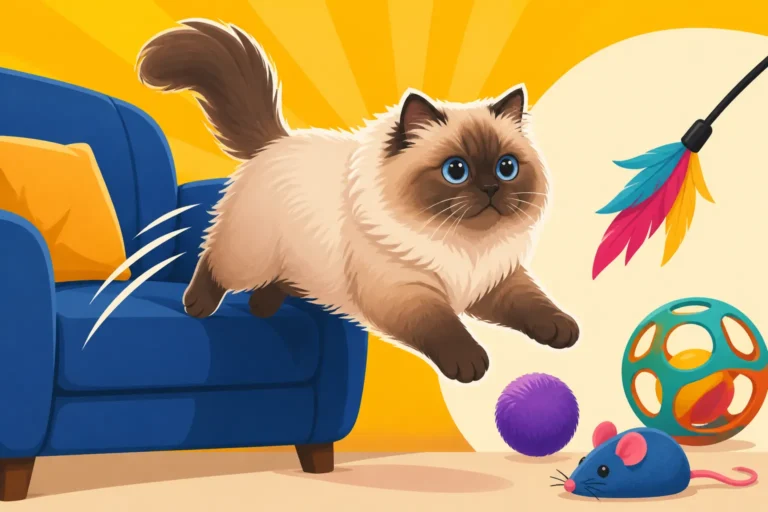
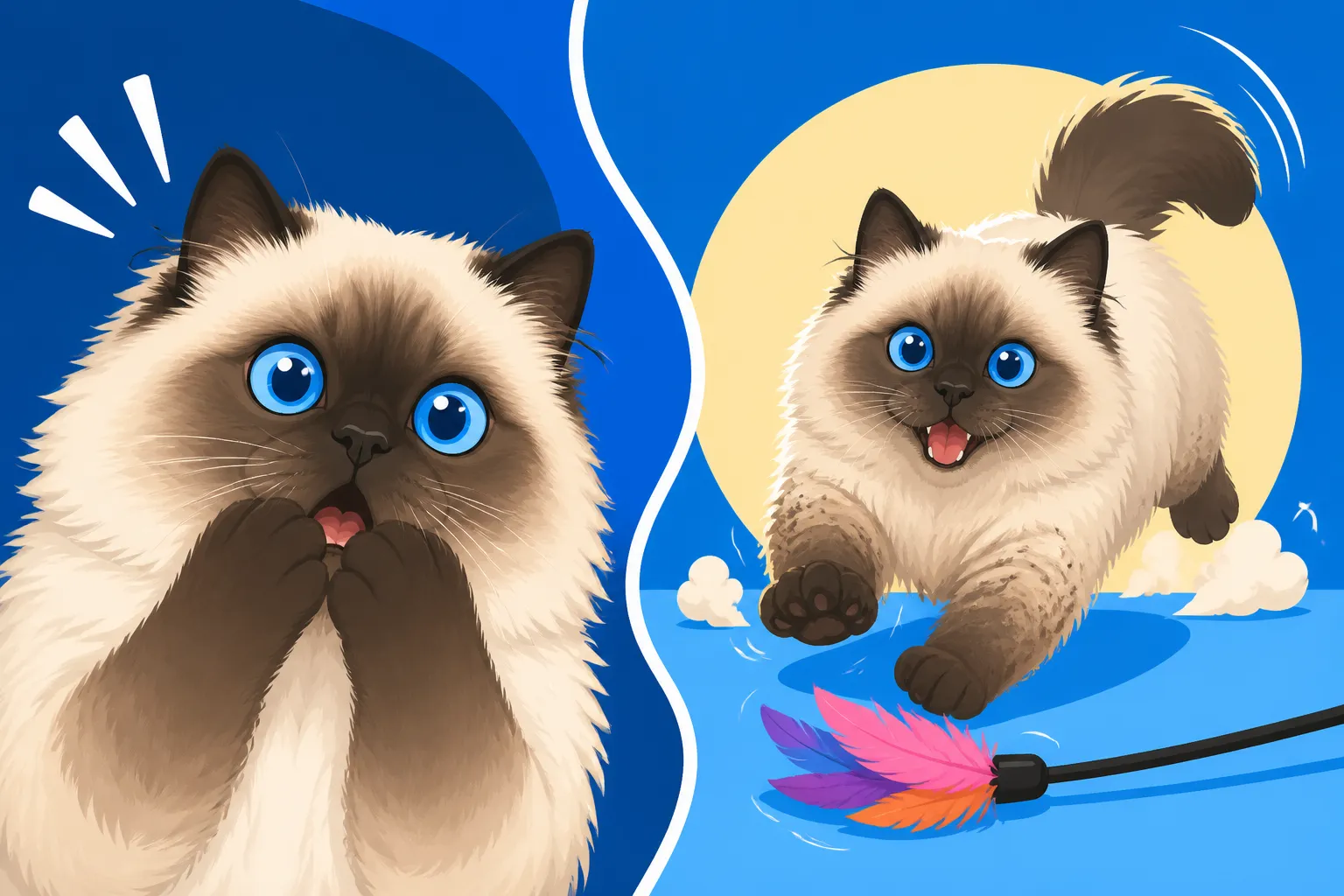
It’s a scenario many Himalayan cat owners know all too well: you’re enjoying a gentle play session with your beloved furball, maybe a little chase with a wand toy or a quick batting at a crinkly ball, and suddenly, after just a few minutes, you notice your typically serene cat is panting. It’s a sight that can instantly trigger alarm, making you wonder if something is terribly wrong. This guide is here to shed light on why your Himalayan might pant relatively quickly during play, what’s normal, what’s a red flag, and most importantly, what you can do to ensure their comfort and safety.
The Unique Physiology of the Himalayan: A Breed Built for Relaxation, Not Marathon Runs
Himalayan cats are undeniably beautiful creatures, a stunning blend of the regal Persian and the striking Siamese. But this unique genetic heritage, while responsible for their gorgeous long coats and captivating blue eyes, also bestows upon them certain physiological characteristics that make them less suited for strenuous or prolonged physical activity. Their entire build, from their distinctive facial structure to their luxurious double coat, is designed more for comfort and quiet companionship than for athletic prowess. Understanding these foundational elements is key to appreciating why they might pant after what seems like very little exertion.
The Brachycephalic Challenge: Understanding Their Airway Anatomy
The most significant factor contributing to a Himalayan’s quick panting is their brachycephalic, or "flat-faced," cranial structure. This isn't just a cosmetic trait; it profoundly impacts their respiratory system. Unlike cats with longer muzzles, Himalayans have a shortened skull, which compresses the soft tissues within their face. Imagine trying to breathe through a perpetually stuffy nose, but all the time – that's often the daily reality for a flat-faced cat.
Their nasal passages are shorter and narrower, making it harder for air to flow freely. Inside, they often have crowded sinuses and turbinates that are bunched up, further restricting airflow. Many Himalayans also contend with stenotic nares, which are simply nostrils that are too small and pinched, literally limiting how much air can enter. Think of trying to breathe deeply through tiny straws. Compounding this, a common issue is an elongated soft palate, a flap of tissue at the back of the mouth that can be too long and extend into the airway, partially blocking it, especially during excitement or exertion. When your Himalayan starts to pant, they're not just moving air; they're working harder against inherent resistance in their airway, and this extra effort quickly leads to fatigue and overheating. This is also Why a Himalayan Snores Louder Than Its Siamese Ancestors.
The Double Coat Dilemma: How Their Fur Contributes to Overheating
Beyond their facial structure, the Himalayan's glorious coat, a direct inheritance from their Persian ancestors, adds another layer to their heat regulation challenges. They possess a dense, luxurious double coat composed of a soft, woolly undercoat and longer, silken guard hairs. This magnificent fur, while stunning to behold and delightfully soft to touch, is incredibly efficient at insulating. It's fantastic for keeping them warm in cooler climates, but it works against them when they exert themselves or when temperatures rise.
When your Himalayan plays, their body temperature naturally increases. Most cats cool themselves primarily through evaporation from their paws and by grooming, spreading saliva on their fur which then evaporates. Panting is a less efficient, but necessary, secondary cooling mechanism. However, a Himalayan's dense coat acts like a thick winter blanket, trapping body heat rather than allowing it to dissipate easily. This means that even a short burst of activity can cause their internal temperature to climb rapidly. They simply can’t shed heat as effectively as a short-haired cat or even a cat with a single, less dense coat. This insulating effect is a major reason Why a Himalayan Overheats Twice as Fast as a Siamese.
Inherited Metabolism: The Legacy of Their Persian Lineage
While the Siamese lineage contributed the striking color points and a touch more vivacity than a pure Persian, the Himalayan largely retains the relaxed, often sedentary metabolism of its Persian parent. Persians are not known for their boundless energy or marathon play sessions; they are typically calm, dignified, and appreciate long naps in sunbeams. Himalayans often inherit this more laid-back disposition.
Their energy reserves are naturally geared towards shorter bursts of activity followed by ample rest. They are sprinters, not distance runners. When a Himalayan engages in play, their body is quickly taxed because their cardiovascular and respiratory systems are not designed for sustained, high-intensity effort. They reach their physical limit sooner than other breeds, and panting is their body's immediate signal that they need to slow down, cool off, and recover. It's not a sign of poor fitness necessarily, but rather a reflection of their genetic blueprint.
Recognizing the Signals: When Panting Becomes a Concern
It’s one thing to see your cat pant briefly after an exciting chase; it’s another to witness prolonged, labored breathing. As a Himalayan owner, learning to differentiate between normal post-play panting and a genuine sign of distress is absolutely crucial. Their quiet nature often means they're masters at hiding discomfort, so paying close attention to the nuances of their breathing and overall behavior is essential.
Normal Panting vs. Excessive Panting: What to Look For
Brief, shallow panting after a short, vigorous play session can be considered normal for a Himalayan. It's their body's way of trying to regulate temperature and catch their breath. Typically, this type of panting should subside within a few minutes once they settle down in a cool spot. Their tongue might be slightly out, and their breathing might be a little faster, but it shouldn't be excessively noisy or strained.
However, certain characteristics of panting should raise a red flag. Pay attention to the following:
| Characteristic | Normal Post-Play Panting | Concerning Panting (Needs Attention) |
|---|---|---|
| Duration | Subsides within 2-5 minutes of rest | Continues for 10+ minutes after resting |
| Intensity | Mild, shallow breaths, slight chest movement | Deep, labored breaths, exaggerated chest/belly movement |
| Sound | Quiet, gentle breaths | Loud, raspy, wheezing, gasping, snorting |
| Tongue Color | Pink | Dark red, purplish, or bluish |
| Other Signs | None, returns to normal quickly | Drooling, lethargy, stumbling, confusion, vomiting, collapse |
| Recovery | Quick return to calm behavior | Slow, difficult recovery, persistent distress |
If you notice any of the "concerning panting" signs, especially dark red or bluish gums (which indicate a lack of oxygen), it’s an emergency. This goes beyond typical exertion and suggests your cat is struggling significantly. When a Himalayan's Open Mouth Breathing Needs a Vet is an article that further explores this crucial distinction.
Behavioral Clues: How a Himalayan Communicates Discomfort
Himalayans, like many cats, are stoic. They won't always cry out or make a huge fuss when they're uncomfortable. Instead, they communicate through subtle behavioral changes. When they're overheating or finding it difficult to breathe, they often seek out cool, quiet places to retreat. You might find them lying on tile floors, in the bathtub, or trying to stretch out as much as possible to maximize surface area for cooling. Why a Himalayan Lies on the Coldest Tile in the House describes this behavior.
Other signs of discomfort might include:
- Lethargy or reduced activity: They might seem unusually tired or unwilling to engage even in their usual low-energy activities.
- Restlessness: Paradoxically, some cats may become restless, pacing or trying to find a comfortable position, indicating they can't quite get settled.
- Loss of appetite or thirst: A cat in distress might refuse food or water.
- Open-mouth breathing (without panting): If they are sitting still with their mouth slightly open, taking shallow, rapid breaths, this is a serious sign of respiratory distress and needs immediate veterinary attention. This is different from the deep, deliberate panting of active cooling.
- Changes in vocalization: While Himalayans are not typically loud cats, any unusual meowing, growling, or silent distress could be a clue.
Observing these behaviors in conjunction with even mild panting should prompt you to take action and assess the situation.
Environmental Factors That Exacerbate Breathing Issues
It’s not just about how much your Himalayan plays; the environment they are in plays a huge role in their comfort and ability to breathe easily. Several environmental factors can significantly worsen a Himalayan's propensity to pant and overheat:
- High Temperatures: This is the most obvious culprit. Even moderate heat can be too much for a Himalayan, especially if they're playing. They truly struggle to regulate their body temperature once the ambient temperature rises. The Temperature a Himalayan Starts to Struggle At is often lower than you might think for other breeds.
- High Humidity: Humidity makes it harder for moisture to evaporate from a cat's skin and respiratory tract, making panting a less effective cooling method. A humid 75°F can feel much hotter to a Himalayan than a dry 85°F.
- Poor Ventilation: Stagnant air in a room, especially without air conditioning or fans, can quickly become stifling for a long-haired, flat-faced cat.
- Stress or Anxiety: Just like humans, stress can elevate a cat's heart rate and respiratory rate. A stressful event, combined with even mild exertion, can push a Himalayan into panting and distress more quickly.
- Travel: Being in a carrier, especially during warmer weather or in a car without proper ventilation, can be incredibly stressful and quickly lead to overheating. This is why Why a Flat Faced Himalayan Should Never Fly in the Hold is such critical advice.
- Dust and Allergens: Any irritants in the air can make breathing more difficult for a cat already prone to respiratory challenges, leading to increased effort and faster panting.
Being mindful of these factors and actively managing them is a cornerstone of responsible Himalayan ownership.
Proactive Care and Management Strategies
Knowing why your Himalayan pants quickly is the first step; the next is implementing strategies to minimize the occurrence and ensure their well-being. Proactive care involves a holistic approach, from managing their immediate environment to thoughtful grooming and play.
Optimizing Their Environment for Coolness
Since heat and exertion are primary triggers for panting, creating a cool and comfortable living space is paramount for your Himalayan.
- Temperature Control: Ideally, your home should be kept at a comfortable, consistent temperature, especially during warmer months. Air conditioning is a huge asset. If AC isn't an option, consider strategic use of fans to circulate air, but ensure they aren't blowing directly on your cat for extended periods, as this can dry out their eyes.
- Cool Retreats: Provide access to cool surfaces like tile floors, marble slabs, or even a cooling mat designed for pets (you can find various options on sites like Amazon). These offer a direct way for them to dissipate body heat.
- Shade and Airflow: If your Himalayan has access to a catio or enclosed outdoor space, ensure it's heavily shaded and has excellent airflow. Remember, Why a Himalayan's Catio Needs More Shade Than Space is key, as they won't be running around much.
- Hydration Stations: Always have multiple bowls of fresh, cool water available. Some Himalayans enjoy drinking from pet fountains, which can encourage more water intake and keep the water circulating and cooler.
Thoughtful Playtime: Keeping Exercise Safe and Enjoyable
Your Himalayan still needs play and enrichment, but it needs to be managed carefully to avoid overexertion.
- Short and Sweet Sessions: Keep play sessions brief, typically no more than 5-10 minutes at a time. Watch for any signs of fatigue or early panting and end the session before they become distressed. It’s better to have several short playtimes throughout the day than one long, intense one.
- Appropriate Toys: Stick to toys that encourage gentle batting, pouncing, or short chases. Wand toys are great for controlled movement. Avoid games that involve sustained running or high-intensity jumping.
- Timing is Everything: Play during the coolest parts of the day – early morning or late evening. Avoid playing during the midday heat altogether.
- Observe and Adapt: Every Himalayan is an individual. Learn your cat’s specific cues. Some might tolerate a bit more activity than others, but always err on the side of caution. If you see them starting to pant, it's a clear signal to stop. When to End a Himalayan's Play Session is not something to ignore.
- Interactive, Low-Impact Fun: Consider puzzle feeders (many flat-faced cats do well with flat-surface feeders available on Amazon) or treat-dispensing toys that encourage mental stimulation without physical exertion. Even a laser pointer can be fun for short bursts, but always end with a tangible treat to prevent frustration.
Grooming for Comfort: Managing That Magnificent Coat
That luxurious coat, while beautiful, is a significant heat trap. Regular grooming is not just about aesthetics; it's vital for their comfort and health.
- Daily Combing: A non-negotiable part of Himalayan care. Daily combing with a good quality steel comb (many excellent ones are available on Amazon) helps remove loose undercoat and prevents matting. Mats further reduce airflow to the skin and trap even more heat. Regularly brushing also helps distribute natural oils, keeping the coat healthy. Which Grooming Tools a Himalayan Owner Cannot Skip details the essentials.
- Seasonal Trimming or "Lion Cuts": In very warm climates or for cats who struggle significantly with heat, a professional groomer can give your Himalayan a "lion cut." This involves shaving most of their body while leaving a mane, tail tuft, and "boots" on their legs. This dramatically reduces the insulating effect of their coat, making them much more comfortable. Discuss this option with your vet or a reputable groomer. Whether a Himalayan Should Be Lion Cut in Summer is a common question. Be aware that the shaved fur often grows back a bit darker due to the change in skin temperature during regrowth.
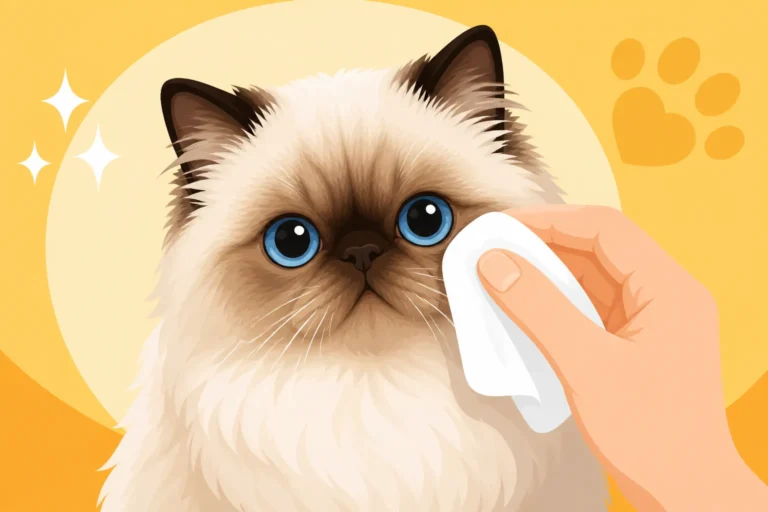
- Keeping the Face Clean: The flattened face means tear stains and moisture can accumulate in skin folds, leading to irritation. While not directly related to panting, a clean, dry face helps prevent discomfort that could indirectly impact their overall well-being.
When to Consult Your Vet: Recognizing Red Flags
While brief panting after play can be normal, there are definite situations where a quick call or even an immediate trip to the veterinarian is absolutely necessary. Early intervention can make a significant difference in outcomes.
Urgent Symptoms That Demand Immediate Attention
Never hesitate to contact your vet if you observe any of the following symptoms alongside panting, or even on their own:
- Bluish or Purplish Gums/Tongue: This is a critical sign of cyanosis, meaning a severe lack of oxygen. This is a life-threatening emergency.
- Collapse or Loss of Consciousness: If your cat becomes weak, stumbles, or collapses, seek immediate veterinary care.
- Persistent, Labored Panting: If the panting doesn't stop after 10-15 minutes of rest in a cool environment, or if it becomes increasingly noisy, strained, or desperate, it's time for the vet.
- Excessive Drooling: While some drooling can happen with panting, excessive, thick, or foamy drool is a worrying sign.
- Severe Lethargy or Unresponsiveness: If your cat is unusually dull, unresponsive, or difficult to rouse, it's a medical emergency.
- Vomiting or Diarrhea: These can accompany severe overheating or other underlying health issues.
- Rapid Heart Rate: While difficult to assess accurately at home, if you can feel a racing heart or see it visibly pounding, consult your vet.
These signs indicate that your Himalayan is in severe distress and could be experiencing heatstroke or a significant respiratory crisis. Time is of the essence in these situations.
Diagnostic Steps a Vet Might Take
When you bring your panting or distressed Himalayan to the vet, they will conduct a thorough examination to determine the cause and severity of the issue.
- Physical Examination: The vet will assess your cat's overall condition, including respiratory rate, effort, heart rate, temperature, gum color, and listen to their lungs and heart. They will also carefully examine their face and nostrils. The vet might also comment on How a Vet Grades a Himalayan's Nostrils.
- Blood Work: This can help assess organ function, check for dehydration, and rule out other underlying conditions that might contribute to respiratory distress or heat intolerance.
- Radiographs (X-rays): Chest X-rays can help evaluate the condition of the lungs, heart, and airway structures, identifying issues like fluid in the lungs, an enlarged heart, or tracheal collapse.
- Imaging of the Head/Airway: In some cases, more advanced imaging like CT scans or specialized endoscopic examinations might be recommended to get a detailed view of the nasal passages, soft palate, and larynx.
- Cardiac Evaluation: If a heart murmur is detected, or if heart issues are suspected, an ultrasound of the heart (echocardiogram) might be performed. Whether HCM Reaches the Himalayan From Either Side is a relevant consideration.
The diagnostic plan will be tailored to your cat’s specific symptoms and the vet's initial findings.
Management Options and Long-Term Care
Depending on the diagnosis, your vet will discuss various management and treatment options. These can range from lifestyle adjustments to surgical interventions.
- Immediate Cooling Measures: If your cat is actively overheating, the vet will initiate rapid, controlled cooling, which might involve intravenous fluids, cool compresses, or even a cooling bath.
- Oxygen Therapy: Cats in respiratory distress will often receive supplemental oxygen to help them breathe more easily.
- Medication: Depending on the underlying cause, medications might be prescribed to reduce inflammation, open airways, manage heart conditions, or address other symptoms.
- Surgical Interventions: For severe cases of brachycephalic airway syndrome, surgical procedures can significantly improve a Himalayan's quality of life. These might include widening the nostrils (nares resection) or shortening an elongated soft palate. What Soft Palate Surgery Involves for a Himalayan can be a profound improvement for some cats. Your vet will discuss if your cat is a candidate for these procedures.
- Weight Management: Keeping your Himalayan at a healthy weight is crucial. Excess weight puts additional strain on their respiratory and cardiovascular systems, making panting and overheating worse.
- Lifestyle Modifications: This includes strict adherence to the environmental and playtime strategies mentioned earlier. For severe cases, this might mean a completely indoor lifestyle in a climate-controlled environment, avoiding any form of strenuous play.
Remember, living with a Himalayan means understanding their unique needs and being vigilant. They give us so much joy and companionship, and in return, we owe them our best efforts to keep them comfortable, healthy, and safe from the challenges their distinctive physiology presents.
Disclaimer
This article is for general informational purposes only and does not constitute professional advice. Laws, prices and regulations vary by location and change over time. Consult a qualified professional for guidance on your specific situation.