Whether a Himalayan Should Be Lion Cut in Summer
Oh, the glorious, flowing mane of a Himalayan! We absolutely adore it, don't we? It's part of what makes these cats so majestic and unique. But when summer rolls around and the temperatures start to climb, that beautiful coat can quickly become a major source of concern and discomfort for our beloved flat-faced felines. Many of us find ourselves staring at our panting, heat-stressed kitty, wondering if chopping off all that fur with a "lion cut" is the compassionate answer. This guide is here to walk you through the pros, cons, and alternatives to help you make an informed decision for your Himalayan's summer comfort.
Understanding the Himalayan Coat and Heat Sensitivity
Let's face it, Himalayans are built for looking magnificent in a cool climate, not for basking in the summer sun. Their entire genetic makeup, inherited from their Persian ancestors, points to a need for a cooler environment. That luscious coat, while stunning, is a heavy burden when the mercury rises.
The Double-Edged Sword of That Gorgeous Fur
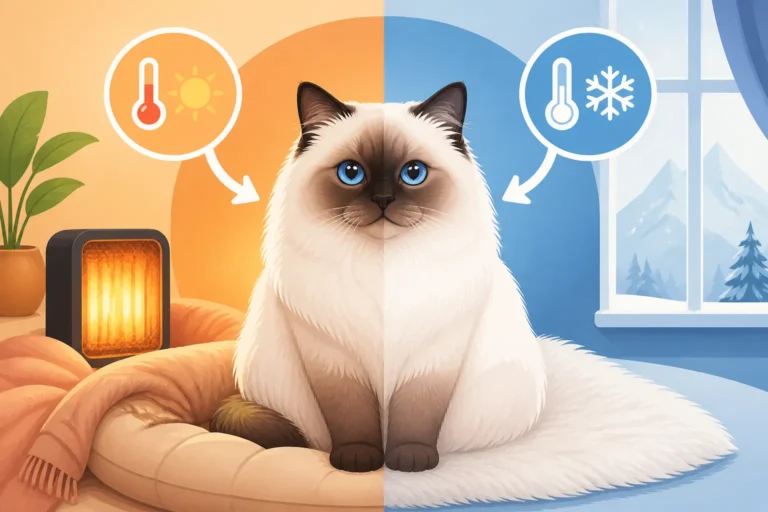
Your Himalayan's coat isn't just one layer; it's a magnificent, intricate system designed for insulation. They have a wonderfully dense undercoat – soft, fine, and incredibly good at trapping air close to their skin. This is fantastic for keeping them warm in winter, but in summer, it acts like a thick, non-breathable blanket. On top of that, they have those long, flowing guard hairs that give them their impressive volume and protect the undercoat. Together, these layers are like wearing a down parka in July.
Many first-time Himalayan owners are often surprised by just How Much Undercoat a Himalayan Carries Under Its Points. It's far more than many other long-haired breeds, making them prone to overheating. This dense fur traps heat, preventing their bodies from naturally cooling down, and it also makes daily grooming an absolute necessity to prevent mats that can further restrict airflow and make them even hotter. Imagine trying to air condition your home through a thick, matted carpet – that's essentially what their coat becomes if neglected.
Why Himalayans Struggle More in Warm Weather
Beyond their incredibly dense coats, Himalayans have another significant challenge when it comes to heat: their brachycephalic, or "flat," faces. This distinctive facial structure, while endearing, means they often have shortened nasal passages and sometimes an elongated soft palate. These anatomical quirks make breathing less efficient, even in ideal conditions. When a cat gets hot, one of its primary cooling mechanisms is through panting, much like a dog. However, a Himalayan's compromised airway makes this crucial cooling method far less effective for them.
They simply cannot move enough air to properly cool their internal body temperature. This means that Why a Himalayan Cannot Cool Itself by Panting is a very real, life-threatening issue for them. They reach their thermal limit much faster than breeds with longer muzzles, putting them at a higher risk of heatstroke. You'll often find them seeking out the coolest tile floors or shady spots, stretching out as much as possible to maximize surface area contact with cooler surfaces. They're constantly fighting an uphill battle against the heat. You might even notice them struggling at relatively mild temperatures that wouldn't bother other cats. It’s critical to understand The Temperature a Himalayan Starts to Struggle At so you can preemptively manage their environment.
Recognizing the Signs of Overheating
Knowing when your Himalayan is getting too hot is absolutely vital, as heatstroke can escalate rapidly and become life-threatening. You need to be a hawk, constantly observing for subtle clues. Early signs might just be excessive lethargy or seeking out unusual cool spots, like inside a bathtub or stretched out on a concrete floor. As they get warmer, you'll start to notice more overt symptoms.
Look for rapid, shallow breathing, often accompanied by open-mouth panting, which is much less common in cats than in dogs and a definite red flag. They might drool excessively, have bright red gums, or appear disoriented and unsteady on their feet. Their ears might feel hot to the touch, and their pulse could be very rapid. In severe cases, they might collapse, have seizures, or even fall unconscious. If you see your Himalayan exhibiting When a Himalayan's Open Mouth Breathing Needs a Vet, especially accompanied by other symptoms, it's an emergency. Don't delay; immediate veterinary attention is crucial. Cooling measures like cool (not icy) water on their paws, ears, and belly, and directing a fan at them, can help while you're en route to the vet. This isn't just about comfort; it's about survival.
The Lion Cut: Pros, Cons, and Practicalities
The idea of a lion cut often sparks debate among Himalayan owners. On one hand, it seems like the ultimate solution for summer heat and matting. On the other, it drastically alters their appearance and comes with its own set of considerations.
The Appeal and Immediate Benefits of a Lion Cut
For many Himalayan owners, the "lion cut" feels like a radical but necessary step, especially during the sweltering summer months. This grooming style involves shaving the cat's body down to a very short length, often leaving a ruff around the head and neck (like a lion's mane), tufts of fur on the paws (like little boots), and a pom-pom at the end of the tail. The appeal is immediate and obvious: instant relief from the suffocating weight of their double coat.
Imagine shedding a heavy winter coat yourself in August – that's the kind of immediate comfort it offers. For cats that are prone to severe matting, a lion cut can also be a genuine lifesaver, providing a clean slate and making future grooming much easier. It removes all those stubborn knots and tangles that can pull at their skin, cause discomfort, and harbor skin issues. In situations where matting is extensive and painful, a lion cut becomes less of a style choice and more a matter of welfare, as When a Lion Cut Is the Right Answer for a Himalayan often indicates a cat in distress. It can truly transform a heat-stressed, uncomfortable cat into one that can finally move freely and find relief from the oppressive heat.
The Downsides and Potential Risks
While the lion cut offers immediate relief, it's not without its drawbacks and potential risks. The most obvious is the drastic change in appearance; many owners find it a bit shocking at first to see their fluffy companion transformed into a sleek, almost alien-looking creature. Some cats even seem to feel a little self-conscious or act differently after such a significant change, though this is usually temporary.
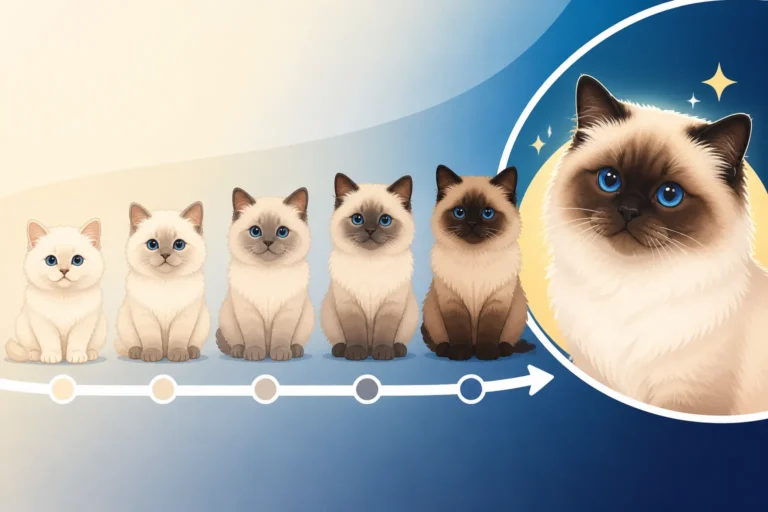
More importantly, shaving their coat down so short exposes their delicate skin to direct sunlight, making them susceptible to sunburn, especially if they spend any time near a window or in a sunny spot. Just like us, cats can get skin cancer, so diligent sun protection (keeping them indoors and away from direct sun, or even a very light cat-safe sunscreen if absolutely necessary and vet-approved) is crucial. There's also the phenomenon of the coat growing back darker and sometimes with a different texture. This happens because the shaved skin becomes cooler, and the Himalayan's colorpoint gene expresses darker fur in cooler areas of the body. You might find that Why a Shaved Patch Regrows Darker on a Himalayan happens, altering their beautiful point pattern for a while. This isn't usually permanent, but it can be quite noticeable. Lastly, some coats grow back unevenly or become coarser, potentially complicating future grooming.
The Grooming Process and Sedation Concerns
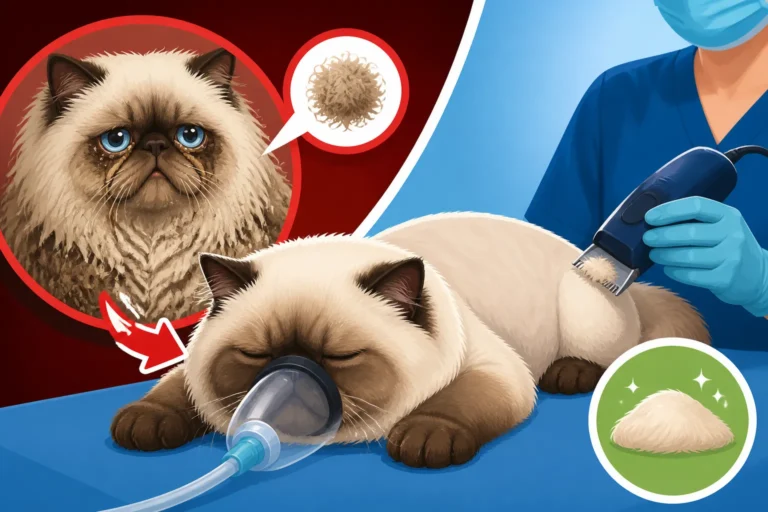
Getting a Himalayan into a proper lion cut is rarely a simple affair that you can do at home with a pair of clippers. Due to their incredibly dense coats, the intricacy of the cut, and often, their somewhat reserved temperament (or outright objection to being shaved), most Himalayans require professional grooming. This isn't just about aesthetics; it's about safety. Professional groomers have the right tools and expertise to handle such a thick coat without nicking the skin, which is surprisingly easy to do on a wriggly cat.
Even with a professional, many Himalayans will need some form of sedation to undergo a full lion cut safely and without undue stress. This is where a serious conversation with your veterinarian comes in. Sedation, while often necessary, carries its own set of risks, especially for brachycephalic breeds like Himalayans who already have compromised airways. Their flat faces make them more susceptible to respiratory distress under anesthesia, which is why Why a Himalayan Is a Harder Anesthetic Than a Siamese is a valid concern. Your vet will need to assess your cat's overall health, perhaps running blood work, to ensure they are a good candidate for sedation. The cost of a professional groomer, plus potential vet sedation, means a lion cut can be a significant expense, so factor that into your decision-making. You'll also want to invest in high-quality grooming tools for maintaining the remaining fur and addressing any regrowth issues, which you can easily find on platforms like Chewy or Amazon.
Alternatives to a Full Lion Cut
If the idea of a full lion cut, with all its aesthetic changes and potential sedation risks, feels a bit much for you or your beloved Himalayan, don't despair! There are definitely other strategies you can employ to keep them comfortable and cool during the warmer months.
Strategic Trimming and "Sanitary" Clips
A full lion cut isn't the only way to reduce the amount of fur on your Himalayan. Strategic trimming can go a long way in managing heat and preventing mats without completely altering their appearance. Focus on areas where mats typically form first and where airflow is critical. The belly and armpits are prime spots for tangles and also areas where heat can get trapped. A groomer can trim these areas shorter, creating an "undershave" that isn't visible when your cat is standing but provides significant relief.
Another crucial area is the "britches" – the long fur around their hindquarters. Trimming this fur shorter, known as a "sanitary clip," not only helps with cooling but also keeps things much cleaner, preventing fecal matter from getting trapped in their coat. This is not just a comfort measure; it's a hygiene one, as the need to trim the britches becomes painfully obvious when they track litter or worse. These targeted trims can be done by a professional groomer (who might even be able to do them without sedation, depending on your cat's temperament) and make a huge difference in your cat's comfort and cleanliness without the dramatic visual change of a full lion cut.
Daily Grooming and Environmental Management
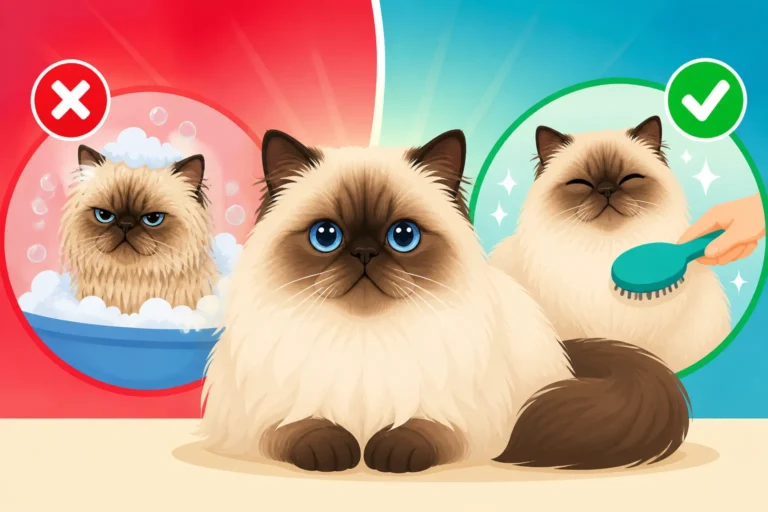
Beyond trimming, the most fundamental and continuously effective way to manage your Himalayan's coat in summer is through diligent daily grooming. That dense undercoat needs to be regularly removed to prevent matting and allow for better air circulation. A good quality steel comb is your best friend here, reaching deep into the undercoat to pull out loose fur. You'll quickly see Which Steel Comb a Himalayan's Coat Needs to effectively penetrate that thick double coat without snagging. This isn't just a quick brush; it's a thorough session every single day.
Environmental management is just as crucial. Keep your home as cool as possible. Air conditioning is a lifesaver for Himalayans, but if that's not always an option, fans can help circulate air, especially if you place a bowl of ice water in front of them to create a makeshift cool breeze. Cooling mats, readily available on Chewy or Amazon, can also provide a great spot for your cat to lie down and chill. Ensure they have access to plenty of fresh, cool water at all times. Some Himalayans even enjoy playing with ice cubes in their water bowl. Remember, How to Cool a Long Coated Himalayan in Summer involves a multi-pronged approach, combining grooming with a carefully managed indoor environment.
Hydration and Feeding Strategies
What your Himalayan eats and drinks can also play a role in their overall comfort and ability to cope with heat. Staying well-hydrated is critical for all cats, but especially for Himalayans who are more prone to overheating. Encourage water intake by offering multiple water stations around the house, ensuring the bowls are wide and shallow so their whiskers don't get bent and their flat faces can easily reach the water without soaking their ruff. Some cats prefer running water, so a pet fountain might be a good investment (again, look for one on Chewy or Amazon with a wide, accessible basin).
Consider switching from dry kibble to a wet food diet, at least during the hotter months. Wet food has a much higher moisture content, directly contributing to your cat's hydration. Plus, for Himalayans with their characteristic flat faces and crowded jaws, wet food is often much easier to eat without making a mess or struggling to pick up kibble. As discussed in Why Wet Food Is Easier for a Himalayan to Take, it can reduce strain on their jaw and teeth, which are already prone to issues. Fresh food options are often moisture-rich and palatable. If you're using dry food, you can even add a little warm water to it to soften it and increase moisture. Just ensure any food changes are gradual to avoid upsetting their stomach.
Making the Decision: Is a Lion Cut Right for Your Himalayan?
Ultimately, deciding whether a lion cut is right for your Himalayan is a very personal choice, and one that should be made with your individual cat's health and happiness at the forefront. There's no single "right" answer that applies to every Himalayan cat out there.
Factors to Consider
When weighing the pros and cons, think about these key factors:
- Your Cat's Temperament: Is your Himalayan generally laid-back and tolerant of grooming, or do they become highly stressed and aggressive during even routine brushing? A cat that panics easily might find a long grooming session with clippers (and potential sedation) far too traumatic. For a cat that fights every attempt at combing, a lion cut might ironically reduce overall stress by eliminating the daily battle over mats.
- Severity of Matting: If your cat is chronically matted, despite your best grooming efforts, a lion cut may be the most humane solution. Mats pull at the skin, cause pain, and can lead to skin infections. In such cases, the aesthetic concerns take a backseat to the cat's physical comfort.
- Local Climate & Home Environment: Do you live in a region with scorching summers, and perhaps more importantly, do you have adequate air conditioning or cooling methods in your home? If your cat is consistently struggling with the heat indoors even with fans and cool spots, a lion cut becomes a stronger consideration. If your climate is milder or your home is always cool, perhaps other methods will suffice.
- Your Vet's Recommendation: Always consult with your veterinarian before deciding on a lion cut, especially if sedation is anticipated. They can assess your cat's overall health, discuss the risks of anesthesia given their brachycephalic nature, and help you determine the safest course of action. They can also offer advice on post-grooming care, such as sun protection.
- Your Grooming Capacity: Be realistic about how much time you can dedicate to daily combing. If you struggle to keep up with their coat, or have physical limitations that prevent thorough grooming, a lion cut could be a practical solution that ensures your cat remains mat-free and comfortable.
A Balanced Perspective
It's easy to feel guilt or vanity creeping into this decision. We all want our Himalayans to look their absolute best, and sometimes a lion cut feels like it's compromising their signature look. However, it's vital to remember that a lion cut is a tool in your arsenal to ensure your cat's well-being. It is not a sign of failure as an owner; rather, it can be a loving choice that prioritizes their comfort and health above all else.
Consider this: an uncomfortably hot, matted cat is an unhappy cat, regardless of how "fluffy" they appear. A clean, cool, and comfortable cat, even with a funky haircut, will be much happier and healthier in the long run. If you're torn, maybe try strategic trimming first, enhance your environmental cooling strategies, and see if that makes enough of a difference. If your cat continues to struggle, or if matting becomes a persistent problem, then a lion cut is a perfectly valid and often beneficial option to consider. Remember, their coat will eventually grow back, though How Long a Himalayan's Lion Cut Takes to Grow Out can vary!
| Feature | Benefits of a Lion Cut | Downsides of a Lion Cut |
|---|---|---|
| Heat Relief | Significant, immediate reduction in body heat | Exposed skin prone to sunburn |
| Grooming Ease | Eliminates matting, simplifies daily care | Coat may grow back with different texture/color |
| Hygiene | Cleaner britches, less litter/debris in coat | Requires professional grooming, often sedation |
| Appearance | Unique, distinct look | Drastically changes signature fluffy appearance |
| Health Risks | Prevents heatstroke, alleviates mat-related skin issues | Sedation risks for brachycephalic cats, potential for nicks |
| Cost & Time | Less daily grooming time | Can be expensive due to professional grooming/sedation |
The most important thing is to observe your Himalayan, listen to your vet's advice, and make a decision rooted in compassion for their unique needs.
Disclaimer
This article is for general informational purposes only and does not constitute professional advice. Laws, prices and regulations vary by location and change over time. Consult a qualified professional for guidance on your specific situation.