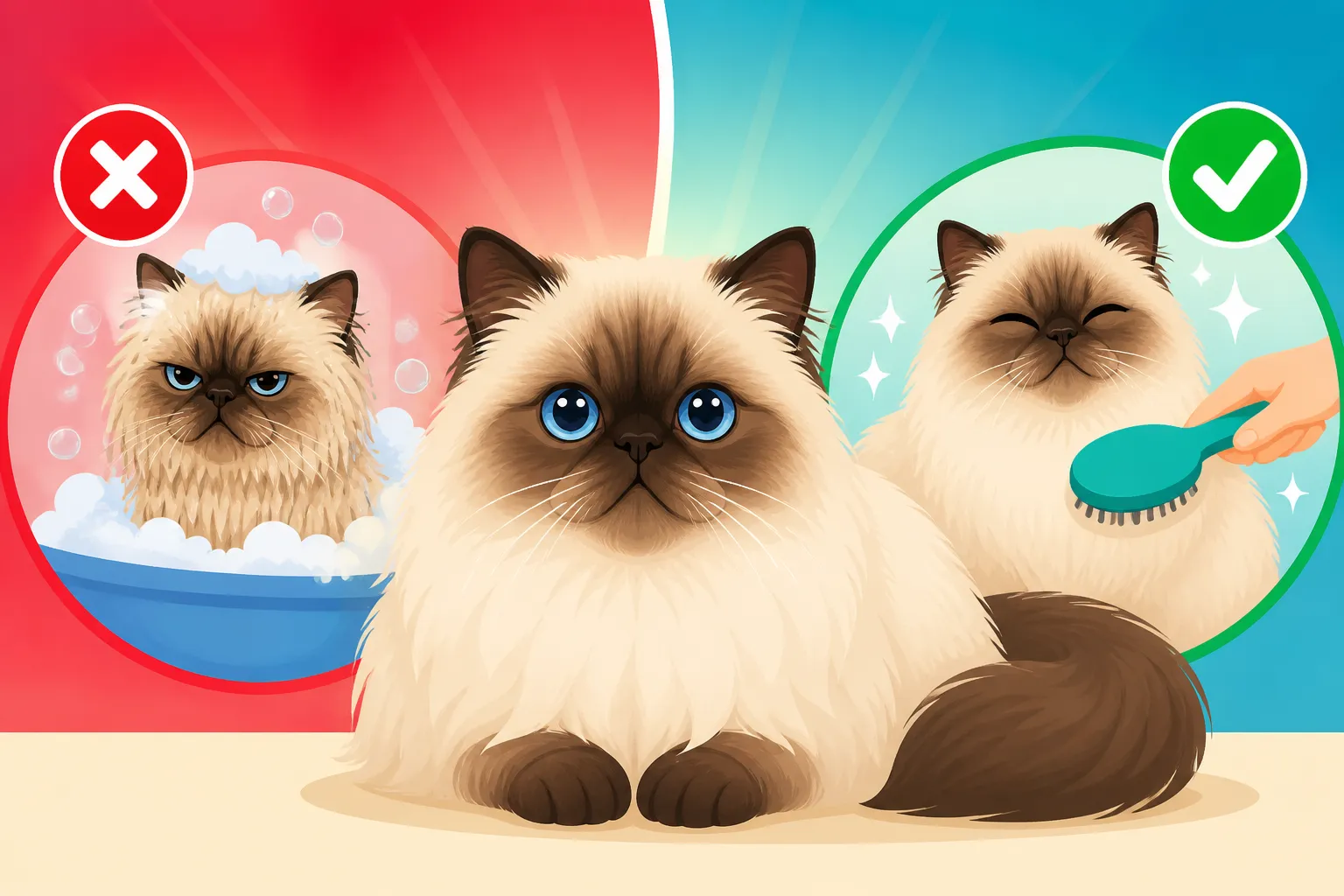
How Rarely a Himalayan Should Actually Be Bathed
One of the biggest questions that swirls around owning a magnificent Himalayan cat, with their flowing coats and regal bearing, is just how often you're supposed to bathe them. Many new owners, and even some seasoned ones, fret over getting it right, worried about doing too much or not enough, especially when faced with the sheer volume of fur these beautiful creatures possess. This guide is here to unravel the mystery, offering realistic, empathetic advice on when, why, and how rarely a Himalayan should actually be bathed, ensuring their coat remains glorious without undue stress for either of you.
Understanding the Himalayan Coat: A Double-Edged Sword
Let's face it, the Himalayan's coat is what first draws many of us in. It's truly a sight to behold – long, dense, and luxurious, almost like a living blanket of silk and fluff. But this stunning beauty isn't just for show; it's a testament to their Persian heritage. However, that magnificent coat comes with its own unique set of challenges that directly impact how often a bath might (or might not) be needed.
The Luxurious Undercoat and Guard Hairs
A Himalayan's coat is a marvel of nature, featuring both a soft, downy undercoat and longer, coarser guard hairs. The undercoat is incredibly dense, providing insulation and that plush, fluffy feel we all adore. Think of it like a cashmere sweater underneath a silk robe – two distinct layers working together. This double coat is fantastic for keeping them warm, but it’s also a magnet for anything and everything in their environment. Dust bunnies, loose hair, stray crumbs, even tiny bits of litter can get caught deep within, making daily grooming an absolute necessity. Without regular attention, this undercoat can quickly become a tangled mess, compacting and clinging to itself. How Much Undercoat a Himalayan Carries Under Its Points delves deeper into this fascinating aspect of their fur.
Then there are the guard hairs, which are longer and provide the outer sheen and protection. These hairs are what give the coat its structure and help to repel some dirt. However, because they are so long and fine, they are prone to static, especially in dry indoor environments, which only makes the coat more likely to tangle and pick up debris. This unique combination of dense undercoat and long guard hairs means that a Himalayan's coat, while stunning, is surprisingly high-maintenance and requires a thoughtful approach to cleaning, which often means less bathing, not more.
Why Mats Form So Readily
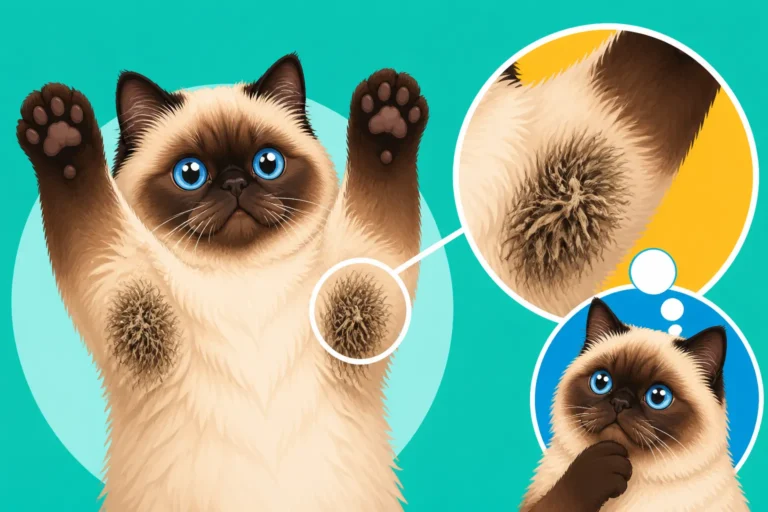
Mats are the bane of every long-haired cat owner's existence, and Himalayans are particularly susceptible. Their dense undercoat, combined with their sedentary lifestyle (let's be honest, most Himalayans are champion nappers and expert sofa-warmers!), creates the perfect storm for matting. Mats aren't just an aesthetic problem; they can be incredibly painful for your cat, pulling on their skin and creating hotspots for skin infections. They can form anywhere, but common culprits are the armpits, behind the ears, on their belly, and especially in their "britches" – that fluffy area around their hind legs.
Every time your Himalayan moves, sleeps, or even just shifts position, those fine hairs microscopically rub against each other, eventually knotting together. Add to that any shed hair that hasn't been combed out, and you have a recipe for disaster. Moisture, from tear stains or a damp environment, can also exacerbate matting, making those areas even more prone to sticking together. This predisposition to matting is a huge factor in why routine bathing is often not the answer, as water can actually tighten existing mats, making them nearly impossible to remove without resorting to shaving. It’s far better to focus on preventative daily grooming to keep those mats at bay. Why a Matted Himalayan Becomes a Medical Case offers more insight into the serious health implications of neglected mats.
The Ideal Bathing Schedule: Less is Often More
When it comes to bathing your Himalayan, the general rule of thumb is "less is more." Unlike some breeds that enjoy a good soak or require frequent baths due to oily coats, the Himalayan's luxurious fur and sensitive skin benefit from minimal water exposure. Think of it as a special occasion, not a regular chore.
When Bathing Becomes Necessary
So, if regular baths aren't the answer, when do you actually need to bathe your Himalayan? Realistically, a full bath should only be considered when absolutely necessary. This usually falls into a few key categories:
- Serious Soilage: Your cat has somehow managed to get into something truly disgusting – mud, oil, sticky food, or perhaps even something toxic that needs to be removed immediately. If they've rolled in something that cannot be spot-cleaned or brushed out, a bath is essential for their health and hygiene. For instance, if they've gotten into a greasy pan or a spilled drink, waiting isn't an option.
- Medical Reasons: Your veterinarian might recommend a therapeutic bath for a specific skin condition, such as ringworm or severe dermatitis. In these cases, they'll often prescribe a medicated shampoo and provide specific instructions on frequency and technique. Always follow your vet's advice closely when bathing for medical purposes.
- Heavy Matting (as a last resort): While bathing usually worsens mats, if the matting is so severe and widespread that professional grooming is the only option, a groomer might recommend a bath as part of the dematting process, often followed by a shave-down. However, this is always after exhausting other options, and usually performed by a professional.
- Show Preparation: If you show your Himalayan, specific bathing schedules are part of the meticulous grooming required for the show ring. These are highly specialized baths using specific products and techniques to achieve the perfect coat texture and volume, and usually performed by experienced handlers.
For the average housecat Himalayan, a bath might only be needed a few times a year, or even less frequently, depending on their cleanliness habits and environment. Some exceptionally fastidious Himalayans might go years without needing a full bath, especially if their daily grooming routine is meticulous.
The Risks of Over-Bathing
While you might think a clean cat is a happy cat, over-bathing a Himalayan can actually do more harm than good. Their skin and coat have a natural balance of oils that protect them and keep their fur healthy and shiny.
- Dry Skin and Irritation: Frequent washing strips these natural oils, leading to dry, flaky, itchy skin. This discomfort can cause your cat to scratch excessively, potentially leading to skin lesions and secondary infections. Imagine how your own skin feels after too many hot showers without moisturizing – it's similar for them.
- Coat Damage: The harshness of water and shampoo can weaken the delicate hair shafts, making the coat more brittle and prone to breakage. This can actually make it easier for mats to form and make the coat look dull and unhealthy. It can also disrupt the texture, making it harder to comb through.
- Stress and Fear: Let's be honest, most cats, especially long-haired ones like Himalayans, absolutely detest baths. The experience can be incredibly stressful and frightening for them, leading to fear, anxiety, and even aggression. Frequent baths can erode the trust between you and your cat, making even routine grooming tasks more difficult. If your cat develops an intense aversion to water, even necessary future baths become a battle.
- Worsening Mats: As mentioned earlier, water can tighten existing mats, turning a manageable tangle into an impenetrable brick of fur. This is why it's crucial to thoroughly comb out any knots before even considering a bath. A matted cat should never be bathed without prior professional dematting, as it can cause excruciating pain and damage to the skin underneath. Why a Neglected Himalayan Ends Up Sedated for Clipping highlights the extreme consequences of severe matting.
Therefore, embracing a strategy of thorough daily combing and targeted spot cleaning is usually far more beneficial for your Himalayan than reaching for the shampoo bottle too often.
Pre-Bath Preparation: Setting the Stage for Success
If you've determined a bath is absolutely necessary, the key to a less stressful (and more effective) experience lies in meticulous preparation. Skipping these steps is a recipe for disaster, leaving you with a stressed cat and a still-dirty, possibly matted coat.
Thorough Brushing is Non-Negotiable
This is arguably the most critical step before any bath. You must brush your Himalayan thoroughly to remove every single tangle, knot, and mat, no matter how small. Think of it as untangling a knot in a piece of string before you try to wash it – if you wash it with the knot still there, it will just tighten and become impossible to undo.
Use a high-quality steel comb designed for long-haired cats. Start with a wide-toothed comb to gently work through the outer layers, then move to a finer-toothed comb to get down to the dense undercoat. Pay extra attention to areas prone to matting: behind the ears, under the chin, in the armpits, on the belly, and especially the britches. If you encounter a mat that won't budge with gentle combing, do not pull. You'll cause pain and potentially injure your cat. Instead, use a mat splitter or a blunt-ended pair of scissors to carefully cut through the mat away from the skin, or consider taking your cat to a professional groomer who can handle it safely.
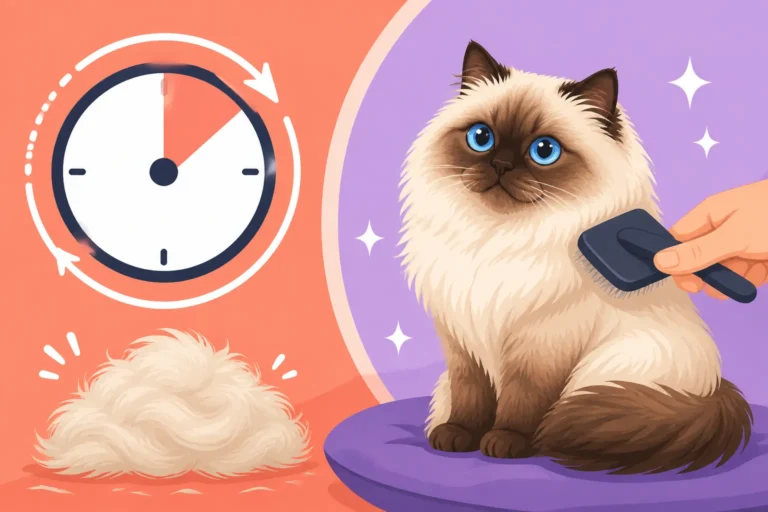
The goal here is a completely mat-free coat. Any remaining mats will only tighten when wet, becoming harder to remove and causing discomfort for your cat. This pre-bath brushing session might take a considerable amount of time, perhaps 30 minutes to an hour, but it's time well spent to prevent future headaches and ensure your cat's comfort. How Long a Himalayan's Daily Comb Takes is an excellent resource for refining your grooming skills.
Gathering Your Supplies
Once your Himalayan is thoroughly brushed and mat-free, it's time to gather everything you'll need before you even think about putting them in the water. Having all your tools within arm's reach will make the process smoother, faster, and less stressful for both of you. You don't want to be fumbling for a towel while holding a slippery, unhappy cat.
Here’s a checklist of essential items:
- Cat-Specific Shampoo: Never use human shampoo, as it can irritate a cat's skin and strip their natural oils. Choose a gentle, pH-balanced shampoo specifically formulated for cats, ideally one that is tearless or designed for long-haired breeds. You can find excellent options on platforms like Chewy or Amazon.
- Conditioner (Optional but Recommended): A cat-safe conditioner can help restore moisture to the coat, make it softer, and reduce static, making post-bath combing easier.
- Plenty of Towels: Have at least two large, absorbent towels ready. Some people even prefer using microfiber towels for their superior absorbency.
- Rubber Mat: Place a non-slip rubber mat in the sink or tub to give your cat traction and make them feel more secure.
- Soft Brush/Comb: A wide-toothed comb or soft brush for post-bath detangling.
- Cotton Balls or Ear Plugs: To gently place in your cat's ears to prevent water from getting in, which can lead to ear infections.
- Washcloth: For carefully washing their face, avoiding the eyes and nose.
- Treats: High-value treats are crucial for positive reinforcement. Keep them handy to reward good behavior during and after the bath.
- Hair Dryer (Optional): If you plan to blow-dry, ensure it has a low-heat setting specifically for pets. Human hair dryers can get too hot.
- Another Person (Highly Recommended): If possible, enlist a second person to help. One person can gently hold and reassure the cat while the other does the washing.
Having everything laid out and ready will minimize frantic searching and keep the process as calm and efficient as possible.
The Bathing Process: Gentle Care for a Delicate Coat
Now that you're prepared, it's time for the actual bath. Remember, patience and gentleness are your best friends here. The goal is to get it done effectively, but with minimal trauma to your feline friend.
Water Temperature and Technique
The key to a successful bath is creating a calm, controlled environment. Start by filling the sink or tub with just a few inches of lukewarm water – not hot, not cold, just comfortable. Test it with your elbow, like you would for a baby. The sound of running water can be startling, so try to have the water ready before you bring your cat in.
Gently place your Himalayan into the water, speaking in a soothing voice. Keep a firm but gentle grip to prevent them from jumping out. Use a cup or a sprayer with a very low-pressure setting to wet their coat, starting from their neck and working backwards, avoiding their face, ears, and eyes. Really saturate the coat, getting the water all the way down to the skin. This can take longer than you expect due to their dense fur.
Once wet, apply a small amount of cat-specific shampoo, starting at the neck and working your way down. Gently massage the shampoo into their coat, paying attention to areas that tend to get dirtier, like their belly and hindquarters. Do not scrub vigorously; gentle strokes are all that's needed to work up a lather. Be mindful of their delicate skin and the possibility of unseen mats (even after brushing, sometimes a tiny one escapes detection, and scrubbing it will only make it worse). Use a damp washcloth for their face, carefully wiping around their eyes and nose, making sure no water or shampoo gets into them. A Himalayan's blue eyes are particularly sensitive. Which Drops Suit a Himalayan's Exposed Blue Eyes touches on the care needed for their eyes.
Rinsing and Drying Thoroughly
Rinsing is arguably even more important than washing. Any shampoo residue left in the coat can irritate the skin, cause itching, and attract dirt, leading to faster re-soiling and matting. Rinse thoroughly, again using lukewarm water and starting from the neck down. Keep rinsing until the water runs completely clear and you can no longer feel any slipperiness from the shampoo on their fur. This often means rinsing for much longer than you think is necessary, especially with a thick double coat.
Once rinsed, gently squeeze excess water from their fur. Then, wrap your Himalayan immediately in a large, absorbent towel. Gently pat and blot their fur, avoiding harsh rubbing, which can tangle the coat and cause mats. You might need to switch to a second, dry towel. This initial towel-drying phase is crucial for removing as much moisture as possible.
If your cat tolerates it, you can use a pet-specific blow dryer on the lowest heat setting. Keep the dryer moving constantly to prevent hot spots and avoid directing air directly into their face. Brush gently as you dry to help separate the fur and prevent new mats from forming. If blow-drying isn't an option, or your cat is too stressed, simply continue towel drying as much as possible and allow them to air dry in a warm, draft-free room. Be aware that a very thick coat can take many hours to fully air dry, and during this time, it's essential to keep an eye on them to prevent them from getting chilled or developing new mats as their fur clumps together. It's a real commitment, but crucial for their health and comfort. How Many Hours a Himalayan Takes to Dry elaborates on this lengthy process.
Post-Bath Care: Maintaining the Pristine Look
Congratulations, the bath is over! But the work isn't quite done. Post-bath care is just as vital as pre-bath preparation to ensure your Himalayan's coat remains healthy, beautiful, and mat-free.
Preventing Mats After a Bath
Even after a thorough bath and drying, your Himalayan's coat is still vulnerable to matting. In fact, sometimes the newly fluffed hair, if not properly managed, can mat even more easily. Resume your daily combing routine almost immediately. Within a few hours of the bath, once the coat is completely dry, give them another gentle brush-through with your steel comb. This helps to ensure no new tangles have formed as the fur settled.
Consistency is truly the secret weapon here. Daily combing, even for just 10-15 minutes, will prevent the vast majority of mats from forming. Focus on those problem areas again – armpits, britches, behind the ears. If you use a conditioner, that might make the post-bath comb-out a little easier. Consider a leave-in detangling spray designed for cats if your Himalayan's coat is particularly prone to tangles. Regular grooming isn't just about aesthetics; it's a vital part of their health and comfort. The Daily Comb a Himalayan Cannot Skip emphasizes the importance of this routine.
Addressing Tear Stains and Face Care
A freshly bathed Himalayan will look pristine, but their unique facial structure often means tear stains will reappear quickly if not managed daily. The flat face of many Himalayans means their tear ducts can't always drain effectively, leading to moisture and staining around their eyes and nose fold. This isn't just an aesthetic issue; constant dampness can lead to skin irritation and infections.
Your post-bath routine should always include specific face care. Use a soft, damp cloth or a specialized pet wipe (available on Amazon or Chewy) to gently clean around their eyes and the deep creases of their nose fold every single day. Make sure to thoroughly dry these areas afterwards to prevent bacterial or yeast growth. You might notice rust-colored staining, which is often caused by porphyrins in their tears reacting with light and air. While some products claim to remove these stains, consistent daily cleaning is the most effective preventative measure. For a truly deep clean, or if you suspect an infection in the folds, consult your vet. What Turns a Himalayan's Tear Stains Rust Colored offers more details on this common issue. Regular face wiping is a small daily effort that makes a huge difference in your Himalayan's overall appearance and comfort.
Alternatives to Full Baths: Spot Cleaning and Professional Grooming
Since full baths are (ideally) a rare occurrence for Himalayans, mastering the art of spot cleaning and knowing when to call in a professional groomer are indispensable skills for any owner.
Targeted Cleaning for Minor Messes
For most minor mishaps, a full bath is simply overkill. Instead, embrace targeted spot cleaning. Has your Himalayan gotten a bit of food stuck in their ruff? Did they step in something sticky? Rather than putting them through a full soak, address the specific area.
- Damp Cloth: For most surface dirt or spills, a warm, damp washcloth is your best friend. Gently wipe the affected area, then follow up with a dry cloth to absorb any moisture.
- Pet Wipes: Keep a supply of pet-specific cleaning wipes handy. These are great for quick clean-ups, especially around the mouth after eating or if they've had a minor litter box mishap in their britches. Again, ensure the area is thoroughly dried afterward.
- Cornstarch or Dry Shampoo: For oily spots or areas that need a little deodorizing, a tiny sprinkle of cornstarch or a cat-safe dry shampoo can work wonders. Gently rub it into the fur, let it sit for a few minutes to absorb oils, then brush it out thoroughly. This is a fantastic way to freshen up their coat between baths without involving water.
- Trimming for Hygiene: Sometimes, preventing messes is easier than cleaning them. Regularly trimming the fur around your Himalayan's britches can significantly reduce the chances of litter or fecal matter getting caught in their coat. You can also carefully trim the fur around their paws if they tend to track litter through the house. Always use blunt-ended scissors and exercise extreme caution. Why a Himalayan Needs Its Britches Trimmed provides guidance on this practical step.
By focusing on these proactive and reactive spot-cleaning methods, you can keep your Himalayan looking and feeling fresh without the stress of frequent full baths.
When to Call in the Experts
While daily home grooming is paramount, there are times when a professional groomer is not just a luxury, but a necessity. Don't hesitate to reach out to a professional who specializes in long-haired cats, especially Persians and Himalayans.
- Severe Matting: If you encounter mats that you simply cannot remove safely at home, or if the matting is extensive, a professional groomer is your best option. They have specialized tools and techniques to demat without injuring your cat, or they can perform a humane lion cut or shave-down if necessary. Trying to cut out severe mats yourself carries a high risk of cutting your cat's skin.
- Hygiene Clips: For cats who struggle with keeping their hindquarters clean, a groomer can provide a "sanitary clip" to keep the fur short in that area, making it much easier for both you and your cat to maintain hygiene.
- Lion Cuts for Heat or Comfort: In extremely warm climates, or for cats who struggle with managing their thick coat, a professional groomer can give a "lion cut." This involves shaving the body down while leaving the ruff, tail, and sometimes the paws long. This can significantly help with cooling and dramatically reduce grooming effort, although it will grow back darker. Whether a Himalayan Should Be Lion Cut in Summer explores this option further.
- Overall Coat Maintenance: Even if your cat isn't matted, a professional groomer can provide a thorough bath, blow-dry, and trim that can be hard to achieve at home, particularly for show cats or those with exceptionally dense coats. They have high-velocity dryers that can get to the root of the fur and ensure complete drying, which is crucial for preventing mats.
- Behavioral Challenges: If your Himalayan is particularly resistant to grooming or bathing, a professional groomer often has the experience and techniques to handle them more safely and with less stress. Many even offer sedation-free grooming for cooperative cats, or work in conjunction with vets for those needing a little extra help.
Think of a professional groomer as an extension of your cat's care team. Their expertise can save you a lot of frustration and keep your Himalayan comfortable and looking their best, sometimes even making the entire grooming process more pleasant for everyone involved.
| Bathing Frequency | Necessity | Benefits | Risks |
|---|---|---|---|
| Daily/Weekly | Almost Never (except medical mandate) | N/A (too frequent for Himalayans) | Dry skin, coat damage, severe stress, worsening mats, irritation |
| Monthly | Very Rarely (e.g., specific show prep) | Maintains pristine appearance for shows, deep clean | Still high risk of stripping oils, stress, requires meticulous drying |
| Every Few Months | Only for significant soilage or specific needs | Addresses substantial dirt that can't be spot-cleaned | Potential for drying coat, can be stressful, requires thorough drying |
| Annually/As Needed | Ideal for average indoor Himalayan | Preserves natural skin oils, minimizes stress, maintains coat health | Minor matting if daily grooming is neglected, possible light staining |
Disclaimer
This article is for general informational purposes only and does not constitute professional advice. Laws, prices and regulations vary by location and change over time. Consult a qualified professional for guidance on your specific situation.