How Much Undercoat a Himalayan Carries Under Its Points
Oh, the majestic Himalayan coat! It’s what draws so many of us in, isn’t it? That glorious, flowing mantle of fur that makes them look like a regal cloud personified. But beneath all that visible beauty lies a hidden world of undercoat, and if you've ever found yourself wrestling with a particularly stubborn mat, you already know it's a force to be reckoned with. This guide is here to shed some light on just how much undercoat your precious Himalayan is carrying around, what that means for daily care, and how to conquer the fluff monster to keep your feline friend comfortable and mat-free.
Understanding the Himalayan's Double Coat: It's More Than Just Fluff
When you first welcome a Himalayan into your home, you're not just getting a cat; you're adopting a magnificent tapestry of fur. What many new owners might not fully grasp, though, is that this isn't just one layer of hair. Himalayans boast a luxurious double coat, a genetic inheritance that’s both a blessing and, let's be honest, a significant grooming commitment.
The Persian Legacy: A Coat Built for Cold Climates
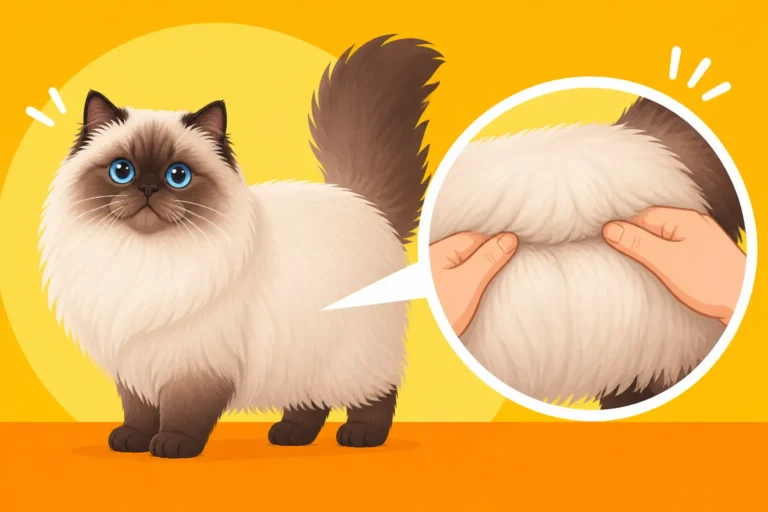
The Himalayan's opulent coat is primarily inherited from its Persian ancestors. These cats originated in regions with colder climates, and nature, being the ingenious architect it is, equipped them with a dense, insulating coat to keep them warm. Think of it like a natural winter parka. This "parka" consists of two distinct layers: the longer, coarser guard hairs (what you typically see as the beautiful outer layer) and a much softer, denser undercoat beneath.
The sheer volume of this undercoat is astonishing. It's not just a thin layer; it's a thick, cotton-like mass that traps air close to the body, providing incredible warmth. This dense insulation is fantastic for staying cozy in chilly weather, but in our climate-controlled homes, it often means a constant battle against shedding and tangles. It’s this underlying fluffy layer that truly dictates the grooming needs, far more than the elegant topcoat.
What Exactly is Undercoat and Why Does It Matter?
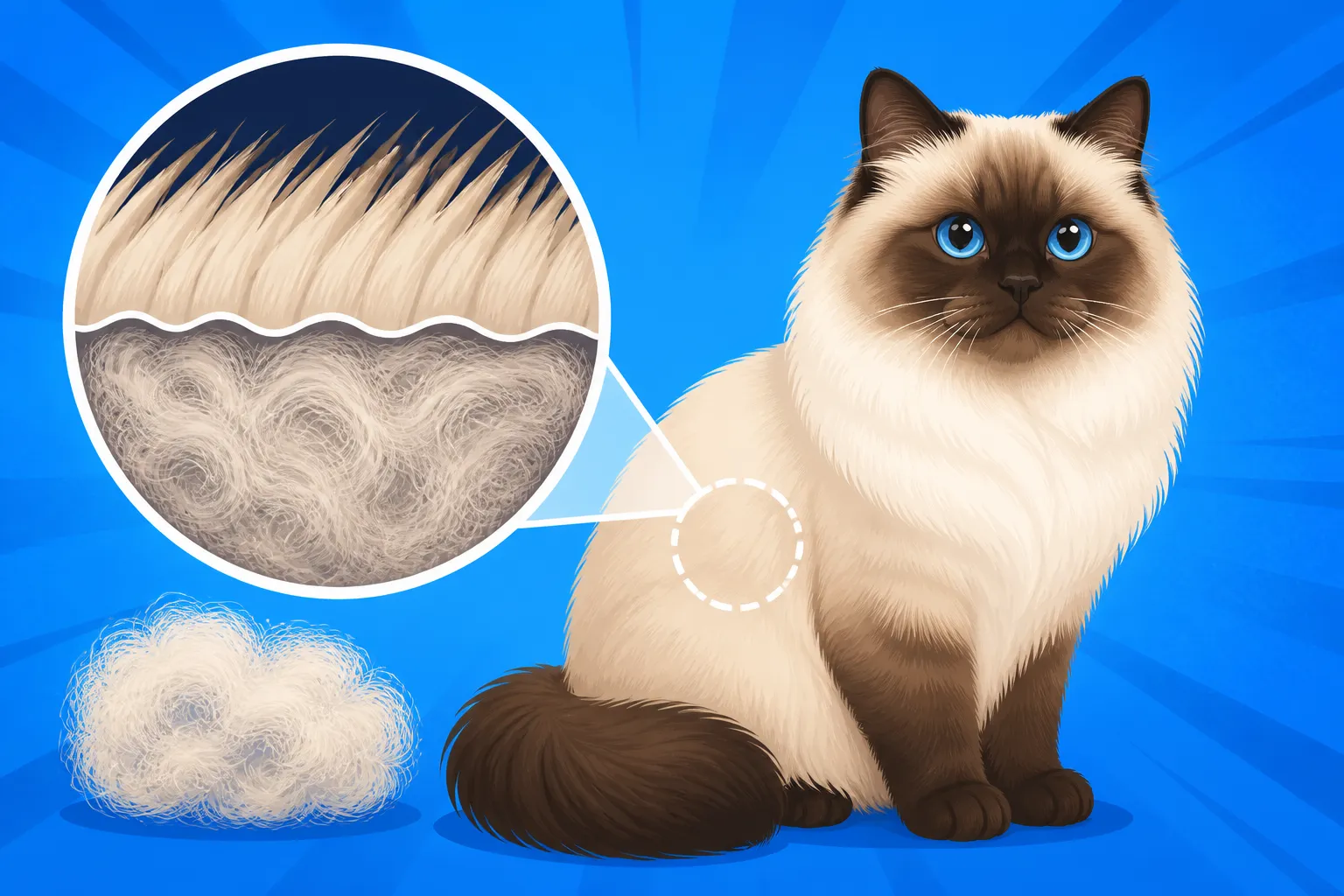
So, what exactly is undercoat? Imagine the guard hairs as the visible, glossy strands that give your Himalayan its color and length. The undercoat, on the other hand, is made up of much finer, shorter, and incredibly soft hairs that grow closer to the skin. These hairs are often crimped or wavy, which allows them to interlock and create that insulating barrier.
This distinction matters immensely for care. While guard hairs are relatively smooth and resist tangling on their own, the undercoat is a mat-forming magnet. Its fine, soft texture means individual strands easily twist and cling to each other. When these loose undercoat hairs aren't regularly removed, they quickly felt together, forming dense, painful mats that can pull at your cat's skin. It’s like wearing a wool sweater that hasn't been brushed in months – it starts to felt into a solid piece. This is precisely why grooming a Himalayan isn't just about making them look pretty; it's about essential health and comfort. Without proper attention to that prolific undercoat, your Himalayan can quickly become uncomfortable and even develop skin issues.
The Sheer Volume of Himalayan Undercoat: What to Expect
Let's talk numbers, or at least the feeling of numbers, because the amount of undercoat a Himalayan carries can truly feel overwhelming. It's not just a little extra fluff; it's a significant, dense layer that requires consistent management.
Seasonal Shedding: When the Undercoat Explodes
Himalayans, like many double-coated breeds, experience noticeable seasonal shedding cycles. Typically, you'll see heavier shedding in the spring as they shed their dense winter coat to prepare for warmer weather, and again in the fall as they grow in a new, thicker coat for winter. During these peak shedding times, the amount of undercoat your cat can "drop" is truly astounding. You might fill a comb with a solid wad of fluff every single day, and still feel like you're only making a dent!
However, for indoor Himalayans, these seasonal patterns can become less distinct. The consistent temperatures of our homes mean that the natural triggers for heavy seasonal shedding are somewhat muted. Instead of two massive shedding events, many indoor Himalayans experience a more continuous, moderate shedding throughout the year. This means that while you might not have distinct "explosion" periods, you still need to be diligent with daily grooming, as that undercoat is always being replaced. Ignoring it, even for a few days, can lead to the rapid formation of mats, especially in those high-friction areas.
The Matting Magnet: How Undercoat Contributes to Tangles
The undercoat is undeniably the primary culprit behind matting in Himalayans. Because the individual undercoat hairs are so fine, soft, and somewhat crimped, they intertwine easily, particularly when loose hairs are trapped within the longer, denser guard hairs. Imagine a tangled ball of yarn – that's essentially what happens with the undercoat if it's not regularly combed out.
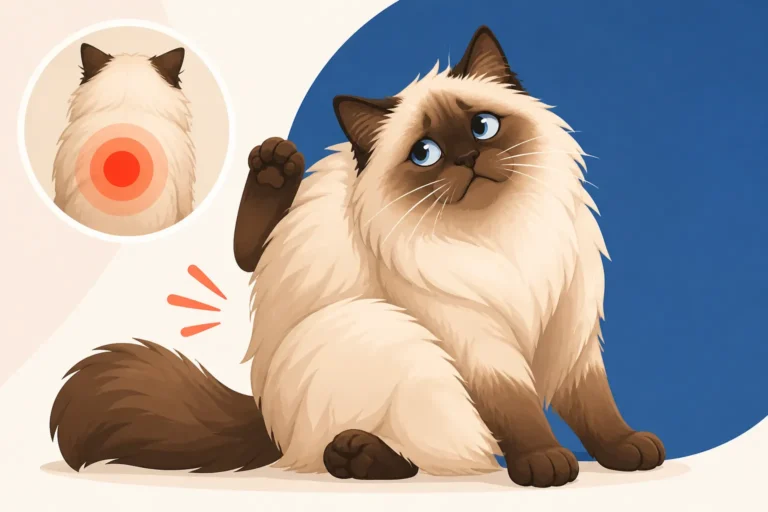
Certain areas of your Himalayan's body are particularly susceptible to matting due to movement and friction. You'll often find mats forming first and fastest in places like the armpits, behind the ears, around the collar area (if worn), and of course, in the "britches" (the long fur on their hindquarters). Every time your cat walks, stretches, or even just shifts position, those fine undercoat hairs rub together, compacting and knotting into dense felt-like patches. These aren't just cosmetic issues; mats can be incredibly painful, pulling on the skin and restricting movement. They can also hide skin infections, parasites, and prevent air circulation, leading to hot spots. This is why paying attention to those hidden layers is crucial. As I've mentioned before, Why a Himalayan's Armpits Mat Before Anywhere Else is often the first place new owners discover the true challenge.
Managing the Himalayan Undercoat: Your Daily Battle Plan
Dealing with such a voluminous undercoat might sound daunting, but with the right tools and a consistent routine, it becomes a manageable, even bonding, experience. Think of it as a necessary daily ritual to keep your Himalayan happy and healthy.
Essential Tools for Undercoat Removal
You wouldn't try to build a house with just a hammer, and you shouldn't try to groom a Himalayan with just any brush. Investing in the right tools is paramount.
- Steel Comb: This is your absolute workhorse. Look for a good quality stainless steel comb with both wide-set and fine-set teeth. The wide teeth are great for initial detangling and getting through the topcoat, while the finer teeth are essential for pulling out that loose undercoat close to the skin. Brands like Hertzko or Safari make excellent options you can find on Amazon or Chewy. I find that Which Steel Comb a Himalayan's Coat Needs is often a point of confusion for new owners, but a good quality comb with varying teeth density is key.
- Rake Comb (Undercoat Rake): This specialized tool has long, rotating teeth that can penetrate deep into the dense undercoat without pulling on the topcoat. It's fantastic for "raking" out loose undercoat, especially during heavy shedding periods.
- Slicker Brush: While not as effective for deep undercoat removal as a steel comb, a slicker brush can be useful for removing surface tangles and smoothing the topcoat after combing. However, be aware that Why a Slicker Brush Misses a Himalayan's Undercoat is because its fine wires often don't reach deep enough.
- Deshedding Tool (e.g., FURminator): These tools are designed to remove loose undercoat very effectively. Use them sparingly and gently, as over-use can damage the guard hairs. They are excellent for those peak shedding times, but not a replacement for daily combing.
- Blunt-tipped Scissors: For carefully trimming away small, surface mats that cannot be combed out. Always use extreme caution and point the tips away from the skin.
Remember, the goal isn't to remove all the undercoat – your Himalayan needs it! The goal is to remove the loose, dead undercoat before it has a chance to mat.
The Daily Combing Routine: Targeting the Undercoat
Consistency is king when it comes to managing a Himalayan's undercoat. A few minutes every day is far more effective and less stressful than an hour once a week. Here's a basic routine:
- Start Early: Begin grooming your Himalayan kitten as early as possible. Get them used to being handled and combed.
- Section by Section: Don't try to tackle the entire cat at once. Start with a manageable section, perhaps the back or a flank. Work your way through the cat methodically.
- Part the Coat: Using your free hand, gently part the long guard hairs to expose the undercoat. You want to comb in layers, working from the skin outwards.
- Comb to the Skin: Use your steel comb, starting with the wider-toothed side. Comb gently but firmly, making sure the comb teeth reach all the way to the skin. If you can't feel the comb teeth on your fingers through the fur, you're not getting deep enough to remove the undercoat.
- Focus on Mat-Prone Areas: Pay extra attention to the armpits, belly, britches, behind the ears, and around the collar area. These are the hotspots where undercoat gathers and mats quickest. You'll be amazed at how much loose fur comes out of these spots. Combing a Himalayan's Britches Without Turning It Over can be a bit of an art form, often requiring you to work with your cat lying on its side or even held gently on its back.
- Be Gentle with Tangles: If you encounter a tangle or small mat, don't yank! Gently tease it apart with your fingers first, then use the wide-toothed side of the comb, working from the outer edge of the tangle inwards. For very stubborn tangles, a detangling spray can help.
- Finish with a Smooth-Out: Once you've combed out all the loose undercoat from a section, use the finer-toothed side of the comb or a slicker brush to smooth the topcoat.
- Positive Reinforcement: Always make grooming a positive experience. Offer treats, praise, and gentle strokes. If your cat gets antsy, take a break. The goal is a relaxed session, not a wrestling match.
This daily routine, typically taking How Long a Himalayan's Daily Comb Takes, maybe 10-20 minutes depending on your cat's coat and cooperation, will dramatically reduce matting and keep your Himalayan comfortable.
| Grooming Tool | Primary Function | When to Use |
|---|---|---|
| Steel Comb | Deep detangling, undercoat removal, checking for mats | Daily, or multiple times a day in mat-prone areas; essential for all coat types |
| Undercoat Rake | Efficiently removes loose undercoat from dense areas | During shedding seasons, or once a week for maintenance on very thick coats |
| Slicker Brush | Surface smoothing, light detangling | After combing with a steel comb, for a fluffy finish |
| Deshedding Tool | Removes significant amounts of loose undercoat | Sparingly, 1-2 times a week during heavy shedding periods |
| Blunt-tipped Scissors | Carefully cutting out small, stubborn mats | Only as a last resort for small, accessible mats; extreme caution needed |
Nutrition and Hydration: Supporting a Healthy Coat
While external grooming is crucial, what goes into your Himalayan also plays a significant role in coat health. A healthy diet contributes to a strong, supple coat that is less prone to excessive shedding and matting.
Look for high-quality cat foods that list real meat as the first ingredient. Many premium cat foods, whether dry kibble, wet food, or fresh-prepared options, incorporate ingredients known to support coat health. Specifically, adequate levels of Omega-3 and Omega-6 fatty acids are fantastic for skin and coat. These essential fatty acids help keep the skin moisturized and the fur shafts strong, leading to less breakage and a smoother coat. You can often find these in fish oils or flaxseed oil added to cat food. Why Omega Oils Keep a Himalayan's Coat From Matting is because they improve the overall health and texture of the hair.
Good hydration is equally important. Ensure your Himalayan always has access to fresh, clean water. Some cats prefer running water from a fountain, while others are happy with a wide, shallow bowl. A well-hydrated cat generally has healthier skin and a more resilient coat. If you find your cat isn't drinking enough, incorporating wet food into their diet can significantly boost their fluid intake.
When the Undercoat Wins: Professional Grooming and Vet Care
Despite your best efforts, sometimes the undercoat just gets the better of us. Life happens, a busy week turns into a month, or a hidden mat goes unnoticed until it's a real problem. Knowing when to call in the professionals is key to keeping your Himalayan healthy and happy.
Recognizing When Mats Are Beyond Home Care
There's a big difference between a small tangle you can gently tease out with a comb and a dense, felted mat that's pulling at your cat's skin. If you encounter a mat that:
- Is hard and solid to the touch.
- Is close to the skin and difficult to get a comb under.
- Causes your cat pain or discomfort when you try to touch it.
- Is in a sensitive area like the belly, armpits, or groin where your cat won't tolerate handling.
- Covers a large area of the body.
…then it's time to step away from the comb and call a professional groomer or your vet. Trying to cut out large or dense mats yourself can be incredibly dangerous. Cat skin is very thin and loose, making it easy to accidentally cut them, even with blunt-tipped scissors. A professional groomer has specialized tools and techniques to safely remove mats, often by carefully shaving them out. In severe cases, where mats are extensive or have caused skin irritation or infection, your vet might recommend sedation for safe removal, as well as addressing any underlying skin issues. Why a Neglected Himalayan Ends Up Sedated for Clipping is a common scenario, and it's always better to prevent it if possible.
The Lion Cut and Its Implications for Undercoat
For Himalayans with severe matting, or for owners looking for a low-maintenance option, especially during warmer months, a "lion cut" is often recommended. This involves shaving the body short, leaving a mane around the head, "boots" on the legs, and a plume on the tail. It's a drastic change, but it's often the most humane solution for a heavily matted cat, instantly relieving them of discomfort. Whether a Himalayan Should Be Lion Cut in Summer is a question many owners ponder, and it can certainly help with keeping them cool, but remember, they still need to be protected from sunburn.
When your Himalayan gets a lion cut, the entire undercoat (and guard hairs) are removed from the shaved areas. However, this doesn't mean your grooming duties are over! The fur will start to grow back, and the undercoat will be right there with it. The key is to start a consistent combing routine immediately as the new growth comes in. The short, new growth can actually tangle very easily as it grows out, especially as the undercoat begins to fill in again. You'll want to diligently comb the growing coat to prevent new mats from forming. It's a fresh start, but maintaining that short coat as it lengthens is just as important as maintaining a full coat. Be aware that Why a Lion Cut Grows Back Darker on a Himalayan is a common phenomenon due to the nature of their temperature-sensitive point gene, so don't be surprised if the shaved areas regrow a shade darker than their original body color!
Disclaimer
This article is for general informational purposes only and does not constitute professional advice. Laws, prices and regulations vary by location and change over time. Consult a qualified professional for guidance on your specific situation.