Why a Neglected Himalayan Ends Up Sedated for Clipping
It's heartbreaking to discover your beautiful Himalayan, usually so pristine and regal, has developed mats that feel like concrete under their glorious coat. We've all been there, perhaps after a busy week, a short illness, or just underestimating the sheer density of that magnificent fur. When those mats become truly severe, they're not just a cosmetic issue; they're a source of constant pain and discomfort for your beloved cat, and often, the kindest and safest solution to remove them is a professional clipping under sedation.
The Unique Challenges of the Himalayan Coat
Himalayans, with their stunning long hair and striking point coloration, are undeniably gorgeous creatures. But that magnificent coat, inherited directly from their Persian ancestors, comes with a demanding maintenance schedule that many new owners, and even some seasoned ones, can struggle to keep up with. It's not just "long hair"; it's a specific type of long hair that loves to tangle.
The Double Trouble of Persian Undercoat
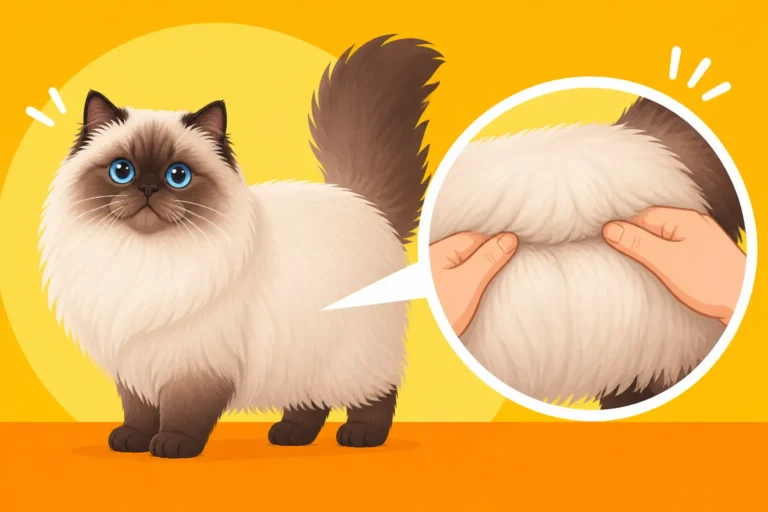
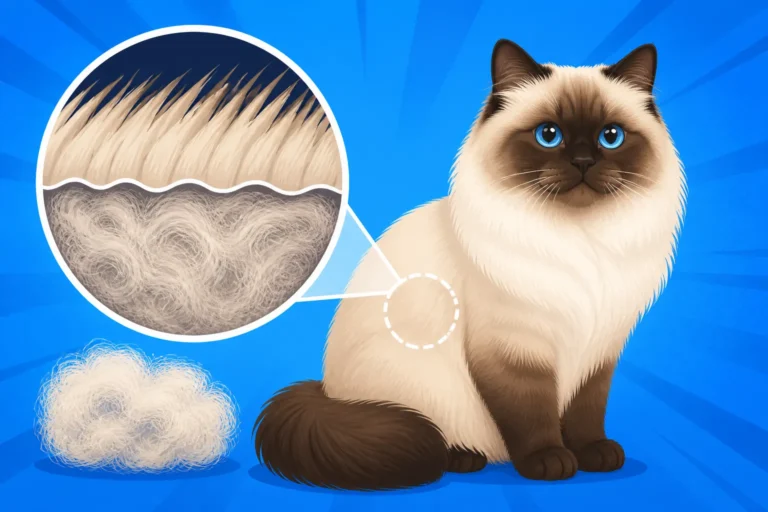
Think of your Himalayan's coat not as one layer, but two. You have the longer, softer guard hairs that give them their flowing, ethereal appearance. But underneath, close to the skin, lies a dense, woolly undercoat. This undercoat is fantastic for insulation, keeping them warm in cooler temperatures, but it's an absolute nightmare for matting if not managed daily.
Unlike some other long-haired breeds where the undercoat might shed out more easily, a Himalayan's undercoat tends to cling to the guard hairs and to itself. Every time your cat moves, lies down, or grooms themselves (or attempts to), those shed undercoat hairs weave themselves tighter into a felt-like mass. It’s like trying to detangle a very fine wool sweater that’s gone through the wash one too many times. A busy week where you miss even a day or two of thorough combing can see small tangles quickly escalating into tight, painful mats that pull on the skin. It feels like the moment you turn your back, a new mat forms, seemingly out of thin air.
Why Mats Form So Quickly and Deeply
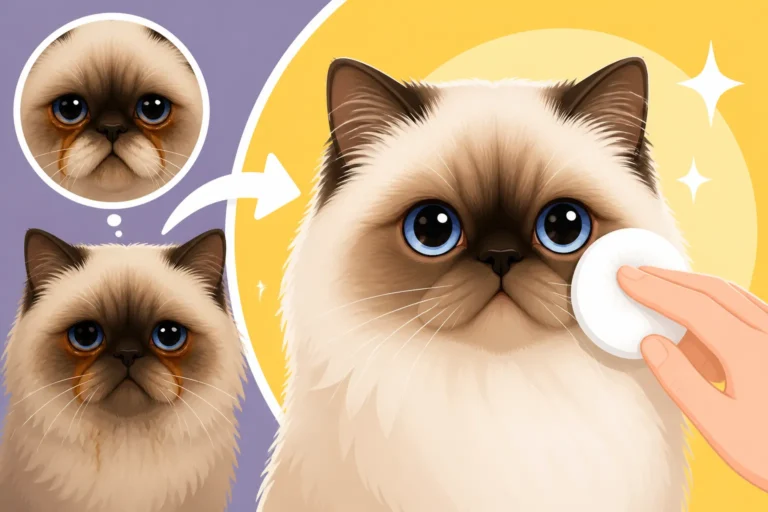
The formation of mats is a cruel, relentless process. It starts innocently enough: a few loose hairs get caught, intertwining with the longer outer coat. If these small tangles aren't brushed out immediately, they compact. Add friction from movement, moisture from tears or saliva, and the cat’s own attempts at grooming (which can often make things worse by pushing the mats tighter), and you have a recipe for disaster.
These mats don't just sit on the surface; they pull directly on the skin. They can start as small, pea-sized knots and quickly grow into large, solid sheets of felted fur that cover entire sections of the body. Common trouble spots include the armpits, where constant motion creates friction, the "britches" around their hind legs, behind the ears, under the chin, and along the belly. These are areas your Himalayan might not love you combing, making them even more susceptible. Why a Himalayan's Armpits Mat Before Anywhere Else Once a mat reaches a certain size and tightness, it creates a formidable barrier, preventing air from circulating to the skin beneath and making it impossible for the cat to groom themselves effectively. This isn't just unsightly; it's genuinely painful and can lead to serious health issues.
The Physical and Behavioral Impact of Neglect
When your Himalayan develops severe matting, it goes far beyond just a bad hair day. The physical discomfort can be immense, leading to a cascade of behavioral changes and health problems that are often hidden from plain sight until the mats are removed.
Pain and Skin Issues Under the Mats
Imagine having your hair constantly pulled, tugged, and pinched. That's what a severely matted cat feels like, 24/7. The mats pull on their delicate skin with every movement, making stretching, jumping, or even walking painful. It restricts their range of motion, forcing them into unnatural postures to try and alleviate the discomfort, which in turn can exacerbate joint issues, especially in an older or cobby cat.
But the pain isn't just from pulling. Underneath those dense mats, the skin can't breathe. It becomes a breeding ground for bacteria and yeast, leading to hot spots, redness, inflammation, and skin infections. These infections can go unnoticed for days or weeks because the thick fur hides them so effectively. You might only notice a foul odor or your cat constantly licking or chewing at a particular area, desperately trying to get relief. Fleas and other parasites can also take refuge in the matted fur, making their removal even more difficult and increasing the risk of skin irritation. Why Skin Infections Recur Under a Himalayan's Coat The skin can become raw, ulcerated, and incredibly sensitive, making any attempt to touch or comb the area excruciating for your cat.
The Himalayan Temperament and Stress
Himalayans are generally known for their sweet, gentle, and docile nature. They are often described as quiet, affectionate lap cats who enjoy a predictable routine. This placid temperament, however, can also work against them when it comes to matting. A truly neglected Himalayan might not vocalize their pain with loud yowls like some more boisterous breeds. Instead, they might withdraw, become less active, or stop engaging in play. They might hide, become irritable when approached, or even lash out if you try to touch a matted area.
When a cat is in pain, their natural instinct is to protect themselves. If handling them for grooming has become synonymous with agonizing tugs and pulls, they will understandably resist with every fiber of their being. The trust you've built can quickly erode, turning what should be a routine bonding experience into a terrifying ordeal for both of you. Trying to manually cut out severe mats on an awake, struggling cat is not only dangerous for the cat (risk of cuts to the skin, which is often paper-thin and pulled taut under the mats) but also for you, as even the sweetest Himalayan will defend themselves when in extreme distress. This is where the difficult, but often necessary, decision for professional intervention under sedation comes into play. Why a Himalayan That Fights Grooming Ends Up Sedated
| Matting Severity | Symptoms | Grooming Approach | Potential Need for Sedation |
|---|---|---|---|
| Mild | Small knots, surface tangles, isolated tufts. | Daily combing, gentle detangling spray. | Rarely |
| Moderate | Larger, deeper mats; some skin pulling. | Careful, slow dematting with comb, possibly professional help. | Sometimes |
| Severe | Solid sheets of felt, skin pulled taut, foul odor, cat in pain. | Professional clipping/shave (lion cut). | Often (for safety & comfort) |
Why Sedation Becomes Necessary
When mats reach a critical stage, trying to remove them without professional help and, often, sedation, can cause more harm than good. It's a tough decision for any loving cat parent, but sometimes, it's the most compassionate path forward.
The Safety of the Cat (and the Groomer/Vet)
Imagine trying to cut away dense, hardened mats that are pressing tightly against inflamed, sensitive skin with a pair of sharp clippers, while a frightened, possibly aggressive, cat struggles and twists. The risk of accidentally cutting the cat’s skin is incredibly high, and such injuries can be deep and serious, requiring stitches and leading to further infection. Not only that, but the stress and fear inflicted upon a cat forced through such an ordeal can be profound and long-lasting, damaging their temperament and trust.
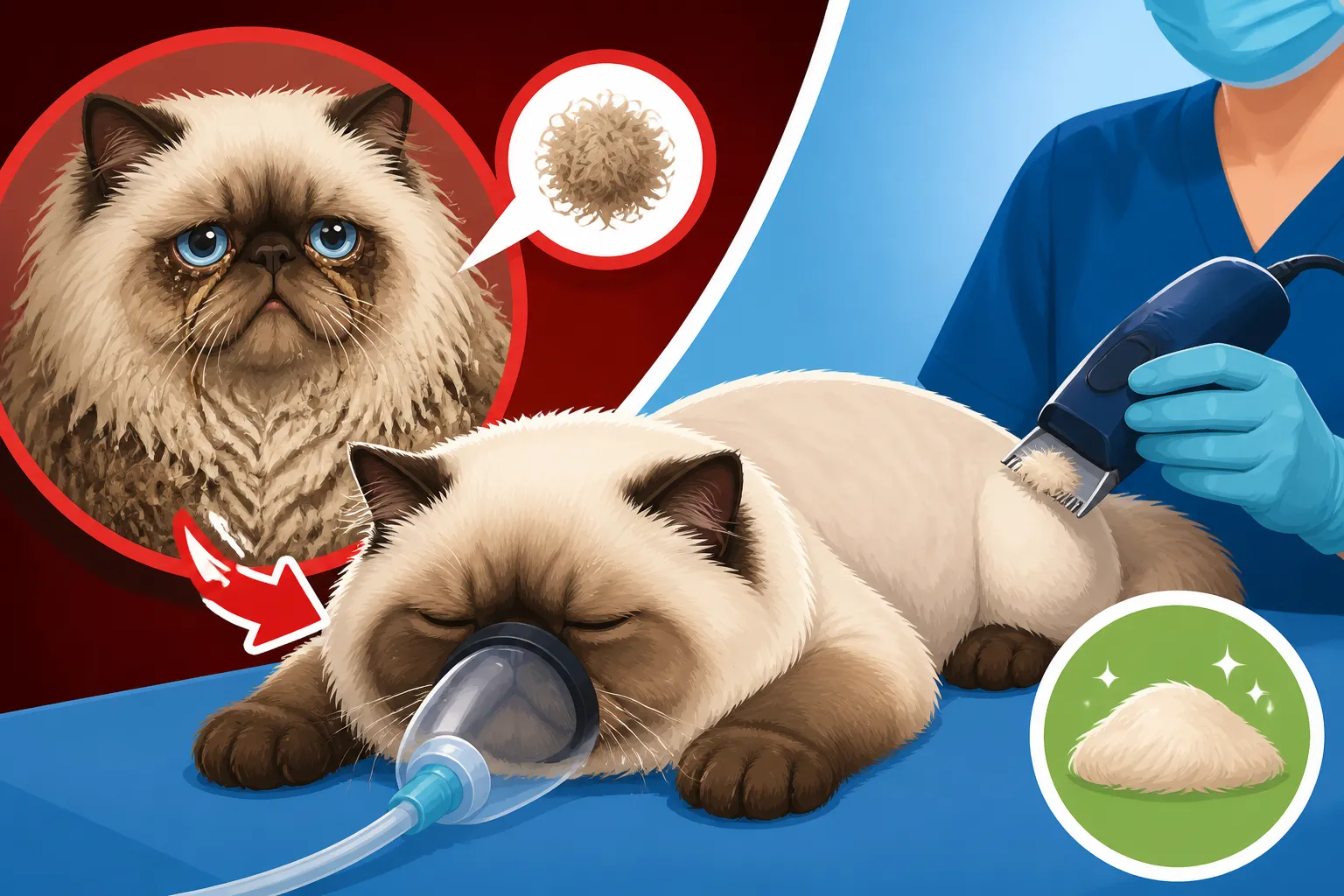
This is why sedation is often recommended by veterinarians and professional groomers experienced with Himalayans. A sedated cat is calm, still, and unaware of the clipping process. This allows the vet or groomer to safely and efficiently remove all the mats without causing further physical injury or psychological trauma. It minimizes the risk to both the cat and the person performing the clipping, ensuring a clean, thorough job. The vet can also properly assess the skin underneath, treating any infections or irritations that have been hidden by the mats. It's important to have a full health check before any sedation, especially for a Himalayan, as they can sometimes have underlying health concerns that need to be considered. Why a Himalayan Is a Harder Anesthetic Than a Siamese
The Clipping Process Under Sedation
Once your Himalayan is safely sedated under veterinary supervision, the process of removing the mats can begin. This typically involves a "lion cut," where the cat is shaved down to a very short length, leaving a ruff around the head, "booties" on the feet, and a pom-pom on the tail, if possible. The goal is to remove all the matted fur, getting right down to the skin to allow it to breathe and heal.
The veterinarian or professional groomer will use specialized clippers designed for animal fur, carefully navigating the contours of the body, taking extreme caution around loose skin and bony prominences. Any areas of skin irritation or infection found underneath will be noted and may require further treatment, such as medicated baths or topical ointments. The entire process might take some time, depending on the severity of the matting, but the priority is always the cat’s welfare.
After the clipping, your Himalayan will need time to recover from the sedation. They might be a bit groggy or disoriented for several hours. You'll receive specific instructions from your vet regarding their post-sedation care, which usually includes monitoring them closely, keeping them warm, and offering small amounts of food and water when they are fully awake. Seeing your beautiful cat almost bald can be a shock, but remember, their fur will grow back. How Long a Himalayan's Lion Cut Takes to Grow Out The immediate relief from pain and discomfort will be immense, and they will likely be much happier once they’re fully recovered and the healing process has begun.
Preventing Future Matting and the Need for Sedation
The experience of having your Himalayan sedated for clipping can be distressing for both of you. The good news is that with dedication and the right approach, you can almost always prevent such severe matting from recurring. It’s all about consistency and understanding the unique needs of that stunning coat.
Establishing a Consistent Grooming Routine
For a Himalayan, daily combing isn't a suggestion; it's a necessity. Their double coat, especially the dense undercoat, needs to be thoroughly worked through every single day to prevent tangles from forming and escalating. Even a few minutes a day can make a world of difference. Investing in the right tools is paramount. A high-quality stainless steel comb with both wide and narrow teeth is indispensable. Many owners find options available on platforms like Amazon or Chewy to be effective.
Start by making grooming a positive experience from kittenhood. Introduce the comb gently, offering treats and praise. Keep sessions short and frequent initially. Work systematically through their coat, section by section, paying extra attention to those notorious matting spots like the armpits, britches, and behind the ears. For kittens, this early conditioning is vital. Getting a Himalayan Kitten Used to the Comb If you can establish a routine where grooming is a relaxing, bonding activity, your Himalayan will be much more cooperative as an adult. Remember, a slicker brush might feel like it's doing the job on the surface, but only a good steel comb can effectively reach and clear the dense undercoat. Which Steel Comb a Himalayan's Coat Needs
Regular Professional Maintenance
Even with the most diligent home grooming, some Himalayan owners find immense value in professional grooming appointments a few times a year. These sessions can help maintain the coat's length, trim tricky areas, and catch any small tangles before they become major problems. A professional groomer has specialized tools and techniques to handle dense coats, and they can offer advice tailored to your cat's specific coat type and lifestyle.
Always communicate openly with your veterinarian about your Himalayan’s overall health, especially if you anticipate any need for sedation for future grooming or other procedures. They can perform regular health checks, including weighing your cobby companion, to ensure they are fit for any necessary medication. Why a Cobby Himalayan Is Weighed at Every Visit Discussing potential risks and benefits beforehand helps you make informed decisions.
Consider their diet too. A high-quality diet rich in omega fatty acids and appropriate protein levels can contribute to a healthier, stronger coat that may be less prone to matting. What Protein Level a Himalayan's Coat Needs While it won't replace daily combing, good nutrition supports overall skin and coat health, making your grooming efforts more effective. Ultimately, preventing mats is a commitment, but the reward is a comfortable, happy, and magnificent Himalayan.
Disclaimer
This article is for general informational purposes only and does not constitute professional advice. Laws, prices and regulations vary by location and change over time. Consult a qualified professional for guidance on your specific situation.