Which Shampoo Keeps a Himalayan’s Pale Coat Clean
If you're a Himalayan cat owner, you know the absolute joy these gorgeous felines bring, but you also understand the unique challenge of keeping that magnificent, pale coat looking pristine. It's truly a full-time job sometimes, isn't it? Just when you think you've brushed every speck, they find a new way to get a little something on their pristine fur. This guide is dedicated to helping you navigate the world of Himalayan coat care, focusing specifically on how to choose the right shampoo and implement a bathing routine that keeps their pale fur gleaming, without stripping essential oils or causing irritation.
Understanding the Himalayan's Unique Coat
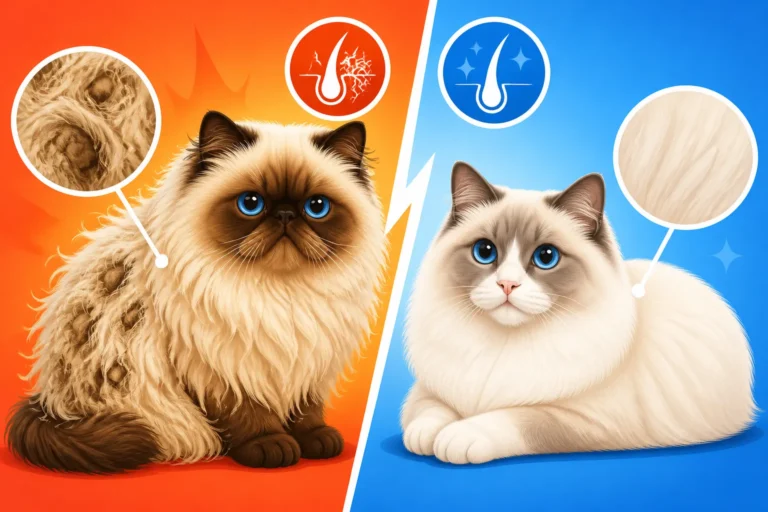
The Himalayan cat, with its stunning long fur and striking color points, inherited a truly luxurious, albeit high-maintenance, coat from its Persian ancestors. This isn't just any fur; it's a dense, often pale canvas that seems to attract and highlight every tiny bit of dust, food, or general household debris.
The Double Coat Dilemma
Unlike some breeds with a single layer of fur, Himalayans boast a magnificent double coat. This means they have a soft, dense undercoat that provides insulation, and a longer, coarser outer coat, known as guard hairs, that gives their fur its beautiful flow and texture. While this double layer is gorgeous, it's also a trap for dirt and tangles. The fine undercoat can quickly catch loose hairs, dust bunnies, and whatever microscopic particles happen to be floating around your home, holding onto them stubbornly.
Imagine trying to clean a delicate silk rug versus a sturdy doormat; the Himalayan's coat is much closer to that silk rug in terms of how it traps fine particles. It’s not just about what you can see, but what gets embedded deep within. This dense structure is also why How Long a Himalayan's Coat Actually Grows means they need consistent grooming to prevent matting, which can quickly turn a superficial cleaning issue into a painful skin problem. A healthy double coat should feel soft and airy, but when neglected, it becomes a dense, unforgiving textile.
Why Pale Coats Show Everything
Let's be honest, those beautiful cream, white, or light-colored body coats that are characteristic of most Himalayans are simply unforgiving when it comes to showing dirt. A dark-colored cat might roll in a bit of dust and come away looking just fine, but a pale Himalayan? Every speck of dirt, every stray food crumb, every tear stain, and every bit of discolored litter from their britches stands out like a beacon. This isn't a flaw in their coat; it's just the reality of having such a light canvas.
This visibility means that prevention and immediate attention are key. You're not just aiming for a clean cat; you're aiming for a visibly clean cat, which demands a higher standard of care and a more proactive approach to grooming. Think of it like owning a white car – it looks amazing when it's spotless, but every splash of mud is glaringly obvious. This is particularly true for cats with very pale bodies, where even a slight yellowing from natural oils or minor debris can become quite noticeable over time.
Common Culprits of a Dirty Himalayan Coat
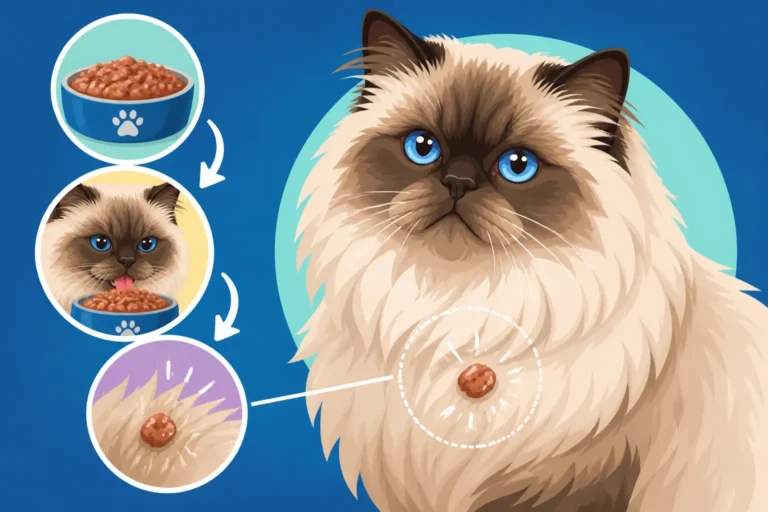
So, what exactly are the daily battles we fight to keep our Himalayans looking their best? It's often the simplest things that cause the most trouble. Food and water, for instance, are major culprits. Himalayans often have flattened faces (especially the Peke-face variety) which means their ruff, that glorious mane of fur around their neck, often dips into their food or water bowl. Wet food can leave greasy residue, and even clear water can lead to dampness that attracts dust, or worse, promote yeast growth if not dried properly.
Then there's the litter box. With their long, flowing britches, it's almost inevitable that some litter particles or even remnants of waste can cling to their fur, especially if they have a slightly messy bathroom habit. And let's not forget the sheer joy of a cat rolling around on a dusty floor or exploring under a bed. Their long coats are like natural dust mops, picking up every loose fiber, pet hair, or bit of fluff in their path. Trimming a Himalayan's britches is so important, for example, precisely because it helps minimize accumulation in that sensitive area. It's truly a testament to their regal nature that they manage to look so dignified despite these daily challenges!
Choosing the Right Shampoo for a Pale Himalayan
Selecting the perfect shampoo for your Himalayan is crucial. It's not just about getting them clean; it's about doing so gently, effectively, and with their unique coat and skin in mind.
Key Ingredients to Look For and Avoid
When you're perusing the shelves, whether online or in a specialty pet store, the ingredient list is your best friend. For a pale Himalayan coat, you want ingredients that gently cleanse and brighten without harsh chemicals. Look for natural brighteners like optical brighteners (safe for pets), blueberry extract, or even chamomile, which can enhance natural white tones. Moisturizing ingredients are also essential to prevent drying out their skin and coat. Think colloidal oatmeal, aloe vera, and natural oils like coconut or jojoba. These help maintain the coat's natural luster and reduce static, which can also attract dirt.
On the flip side, steer clear of artificial dyes, strong perfumes, and parabens, especially if your cat has sensitive skin. While some "whitening" shampoos can be effective, avoid anything that contains bleach or harsh peroxides, as these can be incredibly irritating and damaging to both skin and fur. Remember, a gentle approach is always best. You’re not trying to bleach their fur, but rather to remove the yellowing and dullness that accumulates, allowing their natural brilliant pale coat to shine through. Always opt for pH-balanced formulas specifically designed for cats, as human shampoos are too acidic for feline skin.
Types of Shampoos
The world of cat shampoos is surprisingly diverse, and each type serves a slightly different purpose.
- Whitening/Brightening Shampoos: These are often the go-to for Himalayan owners. They contain specific ingredients designed to enhance the whiteness and brightness of pale coats, counteracting yellowing and dullness. They often use optical brighteners which reflect light, making the coat appear whiter. Many owners find these beneficial, but it's important to choose one that's gentle and doesn't rely on harsh chemicals. Always test a small area first if your cat has a history of skin sensitivity.
- Hypoallergenic/Sensitive Skin Shampoos: If your Himalayan has any skin sensitivities, dryness, or allergies, an unscented, hypoallergenic formula is your best bet. These shampoos are free from common irritants like fragrances, dyes, and harsh detergents, focusing purely on gentle cleansing. They might not have the intense brightening power of specialized whitening shampoos, but they prioritize skin health, which is paramount. A healthy skin barrier contributes to a healthy coat, reducing issues that might make their fur appear dull.
- Deshedding Shampoos: While not directly for cleaning color, deshedding shampoos can indirectly help maintain a cleaner coat by reducing the amount of loose undercoat. Less loose fur means fewer places for dirt and dust to cling, and a healthier coat overall. These often contain ingredients that help loosen and release dead hair during the bath, making subsequent brushing more effective. However, they might not offer the same brightening effects, so some owners rotate between a deshedding and a brightening shampoo.
Brand Mentions for Your Himalayan's Coat
When it comes to sourcing these specialized shampoos, you'll find a wealth of options both online and in physical stores. Many popular pet care brands offer lines specifically formulated for cats, addressing everything from sensitive skin to brightening effects.
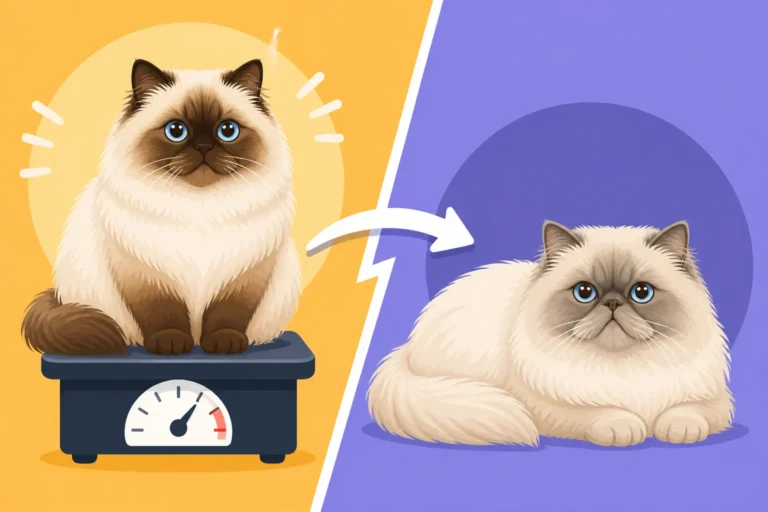
You can often find a great selection of reputable cat shampoos on platforms like Amazon or through dedicated pet supply retailers like Chewy. These sites often provide detailed ingredient lists and customer reviews, which can be invaluable for figuring out what might work best for your unique feline friend. When browsing on Chewy, for instance, you can often filter by specific needs like “whitening” or “hypoallergenic” to narrow down your choices. Shampoo isn't the only factor, since overall health also shapes coat quality from the inside out. However, a high-quality diet, regardless of brand, is a silent hero in maintaining a healthy, vibrant coat that naturally resists dullness. Remember, consistency in diet and grooming products, once you find what works, is often key to seeing the best results for your Himalayan's glorious pale fur.
The Bathing Process: More Than Just Soap and Water
Bathing a Himalayan isn't quite like giving a quick rinse to a short-haired cat. It's a deliberate, multi-step process that, when done correctly, can be a bonding experience and leave your feline friend feeling fresh and looking stunning.
Pre-Bathing Preparation
Before a single drop of water touches your Himalayan, preparation is key. This isn't a spur-of-the-moment decision; it requires a bit of foresight. First and foremost, a thorough brushing is absolutely non-negotiable. Any mats or tangles that are present before the bath will only tighten and become worse when wet, making them incredibly difficult, and even painful, to remove later. Use a good steel comb and work through every inch of that majestic coat. Why a Missed Day Costs a Himalayan a Mat emphasizes how quickly these can form, so be diligent.
Next, gather all your supplies: shampoo, conditioner (yes, conditioner is often a good idea for long-haired cats!), several large, absorbent towels, a cup or pitcher for rinsing, cotton balls for ears, and maybe even a slip-resistant mat for the tub or sink. Ensure the bathroom is warm and free from drafts. You might also want to trim their claws beforehand to protect yourself and make the process smoother for both of you. A calm environment and all tools at hand will make the actual bathing go much more smoothly, reducing stress for your cat and yourself.
Step-by-Step Bathing
Alright, supplies are ready, cat is brushed, and you're mentally prepared. Here's a gentle approach to bathing your Himalayan:
- Gentle Introduction to Water: Start with lukewarm water, no more than a few inches deep in the tub or sink. Gently place your cat into the water, speaking in a calm, soothing voice. Avoid forcing them. Use the cup to slowly wet their body, starting from the neck down, carefully avoiding their face and ears. The goal is to make this experience as stress-free as possible.
- Shampoo Application: Once their coat is thoroughly wet, apply a small amount of shampoo. Work it gently into their fur, massaging it in the direction of hair growth. Pay special attention to areas prone to dirt, like their britches, paws, and belly. Avoid vigorous scrubbing, which can tangle the coat. The aim is to lift the dirt, not create more knots.
- Thorough Rinsing: This is arguably the most critical step. Residual shampoo can irritate the skin and leave the coat looking dull and feeling sticky, attracting dirt even faster. Rinse, rinse, and rinse again with lukewarm water until the water runs completely clear and you can no longer feel any slipperiness in the fur. Use the cup to direct water carefully, making sure to get underneath their ruff and belly.
- Conditioner (Optional but Recommended): For long-haired cats like Himalayans, a cat-safe conditioner can do wonders. It helps to detangle, moisturize, and add a protective layer to the fur, making it softer and shinier. Apply as directed, let it sit for a few minutes, then rinse even more thoroughly than the shampoo.
- Final Rinse and Squeeze: Once you're confident all product is gone, gently squeeze excess water from their fur. Do not wring or twist.
Remember, a calm demeanor from you will greatly influence your cat's experience. If they seem overly stressed, take a break, offer reassurance, and try again.
The All-Important Drying Stage
The bathing is only half the battle; proper drying is absolutely crucial for a Himalayan. Their dense double coat can hold a tremendous amount of water, and if not dried thoroughly, it can lead to chilling, skin irritation, and even serious matting or fungal infections. How Long a Himalayan Takes to Dry is a real concern, so patience is key here.
Start by wrapping your cat snugly in a large, absorbent towel. Gently blot and pat the fur to remove as much moisture as possible. Avoid rubbing vigorously, as this can create tangles and static. Once the initial towel drying is done, you have a few options:
- More Towels: Continue with fresh, dry towels, repeating the blotting process. This is the gentlest method but can take a long time.
- Hair Dryer (Low Heat/Cool Setting): If your cat tolerates it, a pet-specific hair dryer or a regular human hair dryer on the lowest heat or cool setting can significantly speed up the process. Never use high heat, as it can burn their delicate skin. Keep the dryer moving constantly, holding it a safe distance from their fur. While drying, use a comb or your fingers to gently separate the fur, ensuring air reaches the undercoat. This helps prevent mats and ensures every layer dries evenly.
- Air Drying (with supervision): For cats that absolutely detest the dryer, you can allow them to air dry in a warm, draft-free room. However, this still requires your active participation. You'll need to periodically comb their fur as it dries to prevent mats from forming. This method is the most time-consuming and requires diligent attention to prevent discomfort or matting as the fur dries.
Regardless of the method, make sure your Himalayan is completely dry, right down to the skin, before allowing them to roam freely. Feel for any damp patches, especially in dense areas like the ruff, armpits, and britches. A truly dry coat will feel light, fluffy, and free-flowing.
Beyond the Bath: Maintaining Coat Cleanliness Daily
Bathing is an important part of the routine, but it's just one piece of the puzzle. The true secret to a perpetually clean pale Himalayan coat lies in consistent daily maintenance and a watchful eye.
The Daily Comb
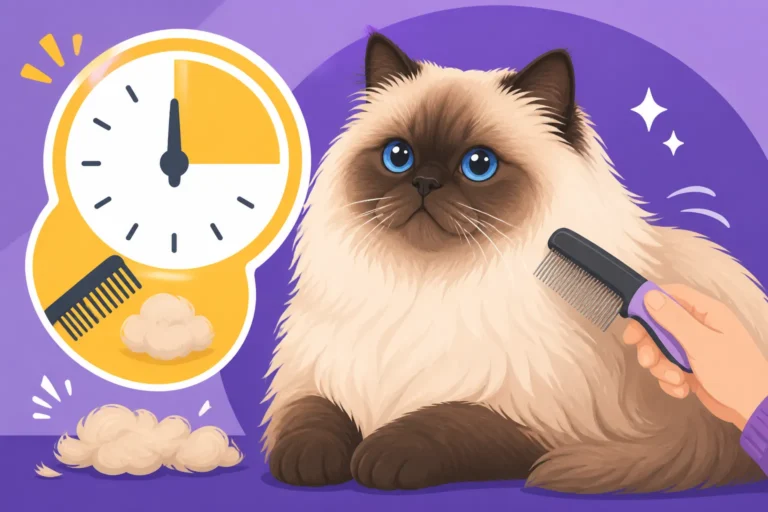
There is simply no substitute for the daily comb when it comes to a Himalayan's coat. This isn't just about looking good; it's about health and comfort. A thorough daily session with a good quality steel comb helps remove loose hair, prevents mats from forming, and distributes natural skin oils, which actually helps repel dirt. When you commit to The Daily Comb a Himalayan Cannot Skip, you're not just grooming; you're proactively maintaining their health.
During your daily comb, pay special attention to areas prone to matting, such as under their legs, behind their ears, around their collar area, and, of course, their britches. These are the "hot spots" where friction and movement cause fur to tangle easily. Regular combing also helps stimulate circulation and allows you to check for any skin issues, parasites, or unusual lumps. It’s also an excellent bonding opportunity, reinforcing trust and making future grooming sessions easier.
Targeted Spot Cleaning
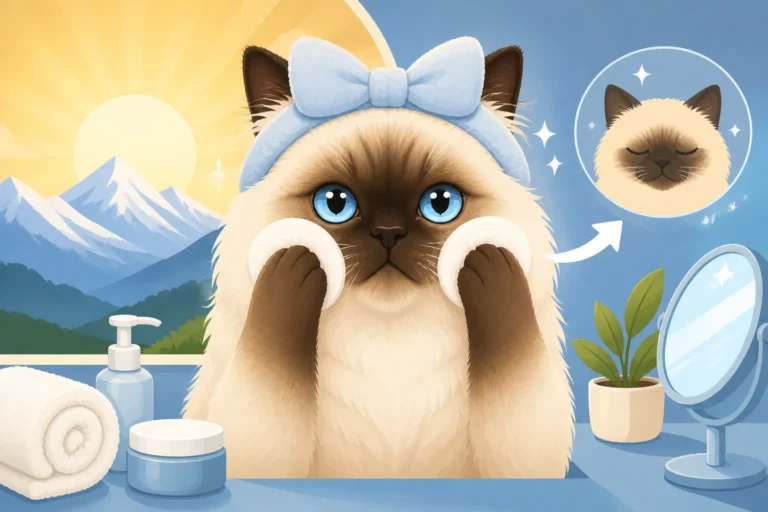
Sometimes, a full bath isn't necessary, or feasible, for every little mess. This is where targeted spot cleaning comes in handy. For minor spills, food residue on their ruff, or a little dirt on a paw, specialized cat-safe grooming wipes can be a lifesaver. Keep a pack readily available for quick clean-ups. For tear stains, which can be particularly noticeable on pale faces, a damp cloth or a vet-approved tear stain remover can be used daily to prevent buildup. Remember Why a Himalayan's Face Must Be Wiped Every Day is vital to prevent unsightly staining and potential skin irritation.
For stubborn bits of litter clinging to their britches, a fine-toothed comb or even a pair of blunt-tipped scissors for careful trimming can help. Always be extremely cautious when using scissors near their skin. The goal of spot cleaning is to address small problems before they become bigger, requiring a full bath or even a trip to the groomer for mat removal.
Environmental Factors
You can bathe and comb your Himalayan diligently, but if their environment isn't clean, you're fighting an uphill battle. Think about their feeding area: using wide, shallow bowls can help prevent their ruff from getting soaked in water or caked with wet food. Some owners even opt for elevated bowls to further reduce the chances of their beautiful ruff becoming a messy bib.
Litter box hygiene is also paramount. A clean litter box, scooped multiple times a day, with a low-dust, soft litter can drastically reduce the amount of debris that clings to your Himalayan's paws and britches. Consider a litter mat outside the box to catch stray particles. Regularly vacuuming and dusting your home also means less floating debris for your cat's luxurious coat to pick up. Providing fresh, circulating water, perhaps from a pet fountain, can encourage hydration, which contributes to overall skin and coat health. By managing these environmental factors, you're creating a cleaner world for your Himalayan, making your grooming efforts much more effective.
Himalayan Coat Care Essentials
To help you visualize the choices available for maintaining that gorgeous pale Himalayan coat, here's a quick overview of different shampoo types and their primary benefits. This isn't an exhaustive list, but it covers the main categories you'll encounter.
| Shampoo Type | Primary Benefit | Ideal For | Key Ingredients to Look For | Things to Avoid | Frequency of Use |
|---|---|---|---|---|---|
| Whitening/Brightening | Enhances natural white/pale coat, reduces yellowing | Pale Himalayans, dull or yellowed coats | Optical brighteners, blueberry extract, chamomile | Bleach, peroxides, harsh dyes | As needed, usually monthly |
| Hypoallergenic/Sensitive | Gentle cleansing, reduces irritation | Cats with allergies, dry skin, skin sensitivities | Colloidal oatmeal, aloe vera, fragrance-free | Fragrances, dyes, parabens, strong detergents | Regular, as needed |
| Moisturizing | Hydrates skin and coat, reduces dryness | Dry, flaky skin, dull coat, static electricity | Glycerin, natural oils (coconut, jojoba), Vitamin E | Alcohol, harsh degreasers | Regular, as needed |
| Deshedding | Helps release loose undercoat, reduces shedding | Cats with heavy shedding, prone to mats | Omega fatty acids, natural extracts | Over-drying ingredients, heavy perfumes | Every 4-8 weeks, seasonally |
| Waterless/Foam | Quick clean-ups, freshening without a full bath | Spot cleaning, in-between baths, cats hating water | Gentle cleansers, deodorizers | Alcohol, strong chemicals for leave-on products | As needed |
This table should give you a good starting point for discussing options with your veterinarian or a professional groomer, ensuring you choose the best products for your Himalayan's specific needs.
Disclaimer
This article is for general informational purposes only and does not constitute professional advice. Laws, prices and regulations vary by location and change over time. Consult a qualified professional for guidance on your specific situation.