Why a Missed Day Costs a Himalayan a Mat
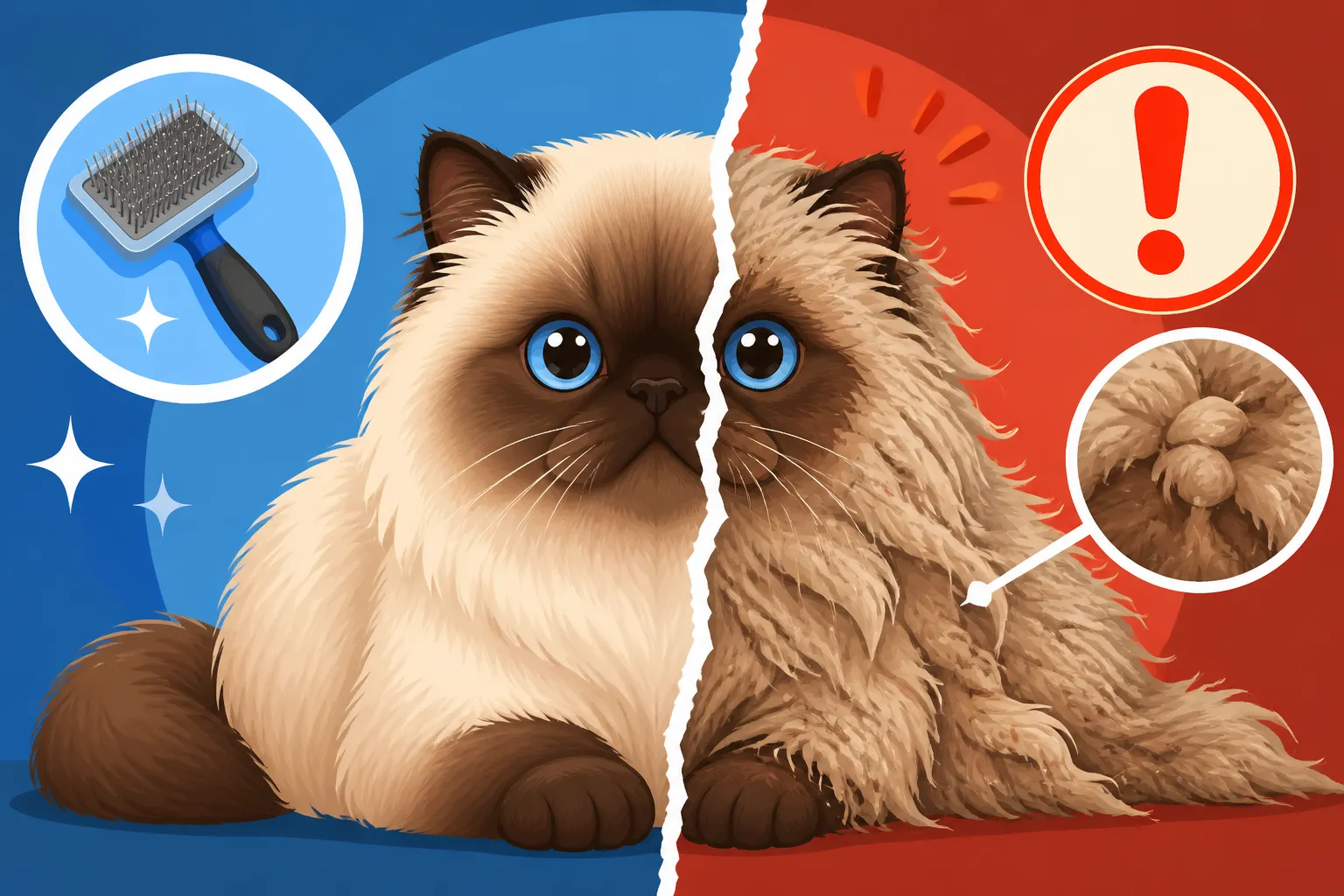
Oh, the sheer frustration of finding a mat in your beloved Himalayan's luxurious coat! It can feel like it appeared overnight, turning that soft, flowing fur into a hard, painful knot. Many Himalayan owners assume they can skip just one day of brushing, especially if their cat seems perfectly fine. But trust me, as someone who's lived with these magnificent creatures and heard countless stories from fellow enthusiasts, a single missed day of grooming can indeed be the precise moment a seemingly innocent tangle transforms into a stubborn, painful mat. This guide will meticulously unpack why these mats form so quickly, the cascade of problems they cause, and how to rigorously maintain that gorgeous, healthy coat your Himalayan deserves.
The Unique Challenge of the Himalayan Coat: Why it's a Mat Magnet
It's easy to look at a Himalayan and just see a fluffy, beautiful cat. But beneath that stunning exterior lies a coat structure that is, frankly, a marvel of nature – and a high-maintenance one at that. Understanding this unique anatomy is the first step in winning the battle against mats.
The Double-Layered Persian Heritage
Our Himalayans inherit their magnificent, flowing coats directly from their Persian ancestors. This isn't just a single layer of fur; it's a dense, intricate double coat, and that's where a lot of the challenge begins. Imagine having a thick, woolly sweater underneath a long, silky overcoat. The undercoat is incredibly dense, made up of shorter, fine hairs that are fantastic for insulation. On top of this lies the longer, coarser guard hairs that give the coat its show-stopping appearance and protect the undercoat.
These two layers, while beautiful, are constantly shedding, especially the undercoat. If those shed hairs aren't meticulously removed, they don't just fall out; they get tangled and woven into the surrounding living fur. It’s like trying to untangle a ball of yarn where new strands are constantly being added and knotted together. This interweaving creates a perfect storm for mats, trapping debris and locking everything down tighter with every movement your cat makes. Breeds with simpler, single coats rarely face this level of complexity, which is why a Himalayan's grooming needs are in a league of their own.
The Fine, Soft Texture of Himalayan Fur
Beyond the double layers, there's the actual texture of the Himalayan's fur. It's renowned for being incredibly soft, fine, and silky to the touch – almost like spun silk. While this is one of the breed's most appealing characteristics, it’s also its Achilles' heel when it comes to matting. Fine hair, whether on a human or a cat, is inherently more prone to tangling than coarse hair.
Think about fine human hair that tangles easily at the nape of the neck or after a windy day. Now imagine that hair covering an entire cat, constantly rubbing against itself, furniture, and other surfaces. The delicate strands grab onto each other, twist, and knot with minimal provocation. This isn't a coat that "slips" past itself; it catches and holds onto every stray hair and every bit of friction. A single day without a comb can allow these fine hairs to begin their insidious journey from flowing silk to a firm, painful felt.
Body Shape and Coat Length: A Recipe for Trouble
The Himalayan's distinctive "cobby" body shape, characterized by its short, sturdy legs and broad chest, combined with the extreme length of its fur in certain areas, further compounds the matting issue. Picture the luxurious "ruff" around their neck, the impressive "britches" on their hindquarters, and their magnificent plume of a tail. These aren't just decorative; they are prime matting zones.
These areas, especially the armpits and inner thighs, experience constant friction from movement. When your Himalayan walks, stretches, or even just shifts positions in its favorite chair, the long fur in these areas rubs against itself, forming tiny knots that quickly escalate. Additionally, the fur on the britches can easily become soiled with urine or fecal matter, especially if it gets too long, making it sticky and even more prone to matting. Even the simple act of eating from a bowl can lead to damp fur around the chin and chest, inviting tangles. It's a constant battle against gravity, friction, and daily life for that magnificent coat.
Understanding the Anatomy of a Mat: How They Form So Fast
It’s truly astounding how quickly a beautiful, flowing coat can turn into a solid, painful mass. Understanding the mechanics of mat formation is crucial to appreciating why vigilance in grooming is so important for Himalayans. These aren't just simple knots; they're intricate structures that grow with alarming speed.
The Role of Loose Hair and Friction
At the heart of every mat is loose, shed hair. Your Himalayan is constantly shedding its undercoat, a natural process to keep its fur healthy and regulate temperature. If these shed hairs aren't regularly removed by brushing, they become trapped within the living coat. They don't just sit there innocently; they weave themselves into the surrounding fur, creating a foundation for tangles.
Now, add friction into the mix. Every movement your cat makes – walking, jumping, stretching, grooming itself, or simply lying down and rubbing against a surface – creates friction. This friction acts like a tiny felt-making machine. It pushes and presses those loose, shed hairs deeper into the existing coat, twisting and intertwining them with the living hairs. The more loose hair present, the more material there is to get snagged and felted together. It's a compounding effect: the more a cat sheds and the more it moves without grooming, the faster and tighter those mats will become. What might start as a few stray hairs caught in a playful tumble can, within hours, become a noticeable knot. How Much Undercoat a Himalayan Carries Under Its Points explains just how much dense fur you're dealing with.
The Start of a Tangle: A Small Knot Escalates
The process of matting rarely begins with a massive, unmanageable clump. Instead, it starts subtly, almost imperceptibly. A few fine hairs intertwine, perhaps around a bit of dander or a piece of lint. This creates a tiny snag, a small, innocent-looking knot that feels barely detectable under your fingers. You might think, "Oh, I'll get that tomorrow."
But "tomorrow" is often too late for a Himalayan. That small snag, given another 24 hours of your cat's natural movements, friction from lying on furniture, and the constant shedding of more hair, acts as an anchor. More loose hair catches on it, twisting and tightening. The knot pulls on the surrounding fur, causing more hairs to join the fray. Before you know it, what was a tiny tangle has become a firm, compact mat that pulls on the skin and is far more difficult to remove. It's a rapid, exponential progression, making proactive daily grooming the only true defense.
Common Matting Hotspots on a Himalayan
While a Himalayan can develop mats almost anywhere, certain areas are notorious hotspots due to their location, the amount of friction they experience, or their exposure to moisture. Being aware of these zones will help you prioritize your daily combing routine.
The armpits are probably the number one offender. Every time your cat moves its front legs, the fur in this area rubs, creating immense friction. These mats can be incredibly painful, restricting movement and making it difficult for your cat to walk or stretch properly. Similarly, behind the ears and under the chin are common spots where mats form quickly. When your cat scratches or rubs its head, or even just sleeps curled up, these areas are constantly agitated.
The britches (the long fur on the back of the hind legs) and the belly are also highly susceptible. The britches can collect urine and fecal matter, which, when damp, glues the fur together. The belly fur is long and rubs against the floor or bedding, and cats often dislike having their bellies groomed, making these mats difficult to address. Lastly, the magnificent tail can develop mats, especially at the base, from the constant wagging and rubbing. Regularly checking these areas should be a non-negotiable part of your daily routine. Which Part of a Himalayan's Persian Coat Mats First delves deeper into these problematic areas.
The Immediate Consequences of a Missed Grooming Session
A single missed day might not seem like a big deal, but for a Himalayan, it opens the door to immediate discomfort and compromises the very function of their beautiful coat. It’s not just about aesthetics; it's about their well-being.
The Loss of the Coat's Natural Function
A healthy, well-maintained Himalayan coat is a marvel of natural engineering. It's designed to provide excellent insulation, keeping your cat warm in cooler temperatures and helping to regulate their body heat when it's warmer. It also offers a degree of protection to their delicate skin from minor abrasions or environmental factors. However, the moment mats begin to form, this natural functionality is severely compromised.
Mats pull the fur tightly against the skin, creating an uneven layer that traps heat in some areas and exposes skin in others. This means a matted cat can struggle to stay cool in summer because air can't circulate effectively through the dense, compacted fur. Conversely, in winter, the matted sections can prevent the coat from insulating properly, leaving your cat feeling chilly. It's like wearing a sweater that's been shrunk and felted in random patches – utterly ineffective and uncomfortable. The coat is no longer able to do its job, leaving your Himalayan vulnerable to temperature fluctuations and less protected overall.
Discomfort and Restricted Movement
Imagine having a tight elastic band constantly pulling on your skin in multiple places, or a piece of clothing that has shrunk and is digging into your armpits and knees. That’s a fraction of what a Himalayan feels with mats. Mats don't just sit on the surface of the fur; they pull tightly on the delicate skin underneath. This constant tension leads to chronic pain and irritation, even from small mats.
As mats grow larger and more numerous, they restrict your cat’s ability to move naturally. They can prevent your Himalayan from fully stretching its legs, turning its head, or even lying down comfortably. What might start as a slight awkwardness can escalate to a noticeable limp or a reluctance to jump, play, or engage in normal cat behaviors. You might observe your usually graceful cat moving stiffly, avoiding certain positions, or struggling with simple actions like reaching their hindquarters to groom. This isn't just cosmetic; it's a significant impediment to their quality of life, transforming a naturally agile creature into one living with constant, nagging discomfort.
Skin Irritation and Hidden Problems
One of the most insidious dangers of matting is what it hides beneath the surface. That dense, matted fur creates an ideal environment for a whole host of skin problems that can go undetected for days, or even weeks. Without proper air circulation, the skin beneath a mat can become hot, damp, and irritated. This combination is a breeding ground for bacterial and fungal infections, leading to redness, rashes, and persistent itching.
Furthermore, mats can conceal external parasites like fleas or ticks, allowing infestations to become severe before they are noticed. Small cuts, scratches, or insect bites can fester and turn into abscesses or serious infections, all hidden from view by the tangled fur. By the time a problem becomes apparent (perhaps through an unpleasant odor or visible discomfort), it's often far more advanced and painful than it would have been if the skin had been accessible during daily grooming. This lack of access to the skin makes early detection of health issues incredibly difficult, turning a simple skin irritation into a potentially serious medical condition.
Beyond a Single Mat: Escalating Problems of Neglected Grooming
While a single, small mat is a problem, neglecting daily grooming for an extended period leads to a cascade of escalating issues that profoundly impact your Himalayan's health and well-being. This isn't just about a few knots; it's about the entire coat, skin, and even mental state of your cat.
The Formation of Pelted Coats
If individual mats are not addressed, they don't stay isolated. They spread and merge, growing into larger, interconnected sheets of felted fur. This horrifying stage is known as a "pelted" coat. Imagine your cat's entire body encased in a stiff, unyielding suit of armor made of its own fur. A pelted coat is a solid, impenetrable layer of matted hair that is severely painful. It pulls on the skin with every move, causing widespread irritation and often tearing the delicate skin.
A cat with a pelted coat is miserable. Their movement is severely restricted, often making it difficult to even walk normally. The skin beneath the pelt cannot breathe, leading to massive bacterial or fungal infections, sores, and bruising. Attempting to remove a pelted coat at home is incredibly dangerous, as the skin is often stretched paper-thin and can be easily cut, even by experienced groomers. This condition almost always requires professional intervention, often involving sedation and careful shaving by a veterinarian or a specialized groomer. Why a Matted Himalayan Becomes a Medical Case elaborates on how serious this can become.
Impact on Hygiene and Self-Grooming
Himalayans, like all cats, are meticulous groomers. They spend a significant portion of their day keeping themselves clean, healthy, and their coats in good condition. However, a matted coat completely disrupts this natural instinct and ability. When the fur is tangled and taut, cats simply cannot reach many areas of their body with their tongues.
Mats around the britches, tail, and hindquarters are particularly problematic. Fecal matter and urine can become trapped in these mats, leading to severe hygiene issues. This creates a perpetually damp, unsanitary environment that can cause painful skin scalds, infections, and a persistent, unpleasant odor. Not only is this uncomfortable for your cat, but it also compromises their overall health, as they might ingest harmful bacteria while attempting to groom themselves or develop open wounds. The inability to self-groom can also lead to an increased build-up of loose hair, ironically accelerating the matting process further. Why a Heavy Himalayan Stops Grooming Its Points touches on how this can manifest.
Psychological Distress and Behavioral Changes
Living with chronic pain and discomfort from extensive matting takes a significant toll on a cat's psychological well-being. A Himalayan, usually a calm and affectionate companion, can become withdrawn, irritable, or even aggressive when handled, especially if those handling attempts exacerbate their pain. They may stop engaging in their usual playful activities, hide away more often, or lose their appetite.
The constant pulling on their skin can make them anxious and stressed, leading to changes in their eating, sleeping, or litter box habits. They might associate grooming (even gentle attempts) with pain, becoming defensive and making future grooming attempts even more challenging. This creates a vicious cycle: the cat avoids being groomed, the mats worsen, the pain increases, and the cat becomes even more resistant. This breakdown in trust and comfort can severely impact the bond between a Himalayan and its owner, highlighting that neglected grooming affects not just the coat, but the entire relationship. Why a Himalayan Is Surrendered Over Its Grooming speaks volumes to this issue.
Essential Tools and Techniques for Daily Himalayan Grooming
Okay, so we've established why those mats appear and what they do. Now, let's talk about the practical side: arming yourself with the right tools and knowing how to use them. This isn't just a casual brush-through; it's a methodical, daily ritual if you want to keep that gorgeous coat mat-free.
The Non-Negotiable Steel Comb
If you own a Himalayan, your single most important grooming tool is a high-quality, sturdy steel comb. Forget about those flimsy plastic combs or brushes with soft bristles for a minute; they just won't cut it for this kind of coat. What you need is a comb with two distinct sections: one with wider, more spaced-out teeth, and one with finer, closer-set teeth.
The wider teeth are your first pass, designed to work through the bulk of the coat, gently identifying and teasing out larger tangles without pulling too much. Once you've gone through an area with the wide teeth, you then follow up with the finer teeth. This is where the magic happens – the finer teeth reach down into the dense undercoat, grabbing those loose, shed hairs that are just waiting to become mats. They allow you to "line comb," meaning you comb in small sections, from the skin out, ensuring no underlying tangles are missed. Look for combs with smoothly finished teeth to prevent snagging. You can find excellent options on online retailers like Chewy or Amazon, often available as professional pet grooming tools. Which Steel Comb a Himalayan's Coat Needs provides more detail on selecting the right one.
Other Useful Tools: Slicker Brushes and Dematting Rakes
While the steel comb is your primary weapon, other tools can complement your grooming arsenal, but they come with caveats.
A slicker brush is a rectangular brush with fine, wire bristles angled on a soft cushion. These are great for fluffing the topcoat, removing surface tangles, and distributing natural oils, giving that beautiful, airy look. They can also be useful for working through the undercoat if used gently and in layers. However, a slicker brush alone is often insufficient for a Himalayan's deep undercoat and can skip over the mats forming closer to the skin. It's best used after a thorough comb-through, or for general coat maintenance between deeper combing sessions.
Dematting rakes or mat splitters are tools with sharp, hooked blades designed to cut through mats. These should be used with extreme caution and only on small, superficial mats that you absolutely cannot comb out. Never use them close to the skin, and never attempt to cut out large or tight mats with them. The skin under a mat is often very thin and stretched, making it incredibly easy to accidentally cut your cat, leading to painful wounds that often require veterinary attention. For anything more than a tiny, loose tangle, it's safer to either comb it out or seek professional help. Remember, your cat's comfort and safety always come first.
The Daily Combing Session: A Step-by-Step Guide
Consistency is not just important; it's paramount for a Himalayan. That gorgeous coat doesn't maintain itself. A daily combing session, even a relatively short one, is absolutely non-negotiable. How Often a Himalayan Must Be Combed emphasizes this critical routine.
- Establish a Routine: Pick a consistent time each day when your cat is relaxed, perhaps in the evening when they're settled for cuddles. Make it a positive experience with praise and small, healthy treats.
- Gather Your Tools: Have your steel comb, slicker brush (optional), and any treats ready.
- Find a Comfortable Spot: A stable, elevated surface like a table can be helpful, especially if your cat is trained to accept it. Otherwise, a calm spot on the sofa or floor works too.
- Start Gentle: Begin in areas your cat tolerates well, like the back or sides, before moving to more sensitive spots.
- Section the Coat (Line Combing): This is the most crucial technique. Use one hand to gently lift and hold up sections of the topcoat, exposing the undercoat closer to the skin. Use your comb to work through the exposed undercoat, combing small sections at a time, from the skin outwards, not just over the top. This ensures you're getting all the shed hair.
- Address Hotspots Meticulously: Pay extra attention to the armpits, behind the ears, britches, and belly. These areas require patience and a very gentle touch.
- Be Patient, Be Persistent: If you encounter a small tangle, don't yank. Gently work it apart with the wider teeth of your comb, slowly teasing the hairs apart with your fingers if necessary. Short, frequent sessions are better than long, torturous ones.
- Positive Reinforcement: End each session with praise, petting, and a reward. You want your Himalayan to associate grooming with positive experiences.
Remember, a typical daily session for a Himalayan should take How Many Minutes a Day a Persian Coat Takes on a Himalayan. It's an investment of time, but it saves so much pain and expense in the long run.
Preventative Measures: Beyond the Comb for Mat-Free Living
While daily combing is the cornerstone of mat prevention, it's not the only piece of the puzzle. A holistic approach that includes diet, environmental control, and regular professional oversight can significantly reduce the likelihood of those stubborn tangles taking hold.
The Importance of Diet and Skin Health
It might seem disconnected, but what goes into your Himalayan profoundly affects the health and quality of what grows out. A high-quality, balanced diet is fundamental for maintaining a healthy skin barrier and a strong, resilient coat that is less prone to matting. Think of it this way: dry, brittle hair on humans breaks and tangles more easily than strong, hydrated hair. The same principle applies to your cat.
Look for cat foods that list real meat as the first ingredient and contain essential fatty acids, particularly Omega-3 and Omega-6. These nutrients play a vital role in keeping skin supple and coat lustrous. Some owners also opt for supplements, like fish oil, under veterinary guidance, to further boost their cat's skin and coat health. A healthy coat has fewer broken hairs, less dryness, and a smoother texture, making it less likely to snag and felt together into mats. What Protein Level a Himalayan's Coat Needs goes into more detail about how diet impacts their fur.
Environmental Control and Lifestyle Considerations
Your Himalayan's living environment also plays a role in coat health. A clean home helps prevent mats by reducing the amount of dust, dirt, and debris that can get caught in their long fur and act as anchors for tangles. Regularly vacuuming and dusting can make a difference.
Static electricity is another silent culprit. In dry environments, static can cause hairs to fly apart and then cling together, creating perfect conditions for knotting. Using a humidifier, especially in winter, can help. You can also lightly mist your comb with an anti-static grooming spray designed for cats before you brush. Lastly, be mindful of your cat's activities. While Himalayans are not typically outdoor adventurers, if they do access a contained catio, ensure it's free of burrs, sticky plants, or rough surfaces that can snag their delicate fur. Even indoor play can lead to matting if they're constantly rolling on rough carpets or playing with toys that easily tangle in their fur.
Regular Vet Check-ups and Professional Grooming
Even the most diligent home groomer benefits from the occasional professional touch. Regular veterinary check-ups are crucial not just for overall health, but because a vet can identify underlying skin conditions, allergies, or nutritional deficiencies that might be contributing to poor coat health and excessive matting. Skin infections, hormonal imbalances, or even parasites can all manifest as a dull, brittle, or excessively shedding coat that mats more easily. Your vet can provide guidance and treatment for these issues. How Often a Tested Himalayan Still Needs Checking highlights the importance of ongoing health monitoring.
Additionally, consider periodic visits to a professional groomer who specializes in long-haired cats. Even if you comb daily, a groomer can often tackle those hard-to-reach spots, give a sanitary trim around the britches, or provide a "lion cut" if the mats become unmanageable. This doesn't mean you're failing; it means you're providing comprehensive care. A groomer has specialized tools and experience to safely and effectively deal with areas you might struggle with, offering a fresh start for maintaining a mat-free coat at home.
When a Mat Becomes a Medical Emergency: Professional Intervention
There are times when even the most devoted owner, despite their best efforts, finds themselves facing mats that are simply beyond home remedy. Recognizing when a mat has crossed the line from a nuisance to a medical emergency is critical for your Himalayan's health and comfort.
Recognizing When You Can't Handle It Alone
It's natural to want to fix things yourself, especially when it comes to your beloved pet. However, with severely matted Himalayan fur, attempting to remove mats at home can cause more harm than good. You've reached the point of needing professional help if:
- The mat is large and tight: If a mat is dense, hard, and firmly against the skin, trying to pull or cut it can be incredibly painful for your cat and may even tear their skin.
- Multiple mats are present or they're starting to "pelt": If the mats are spreading, joining together, or forming a solid sheet (a pelt), professional intervention is absolutely necessary. This indicates a severe level of discomfort and potential skin damage.
- The mat is in a sensitive area: Mats around the armpits, groin, tail base, or ears are particularly delicate. These areas have thin skin, and a misstep with scissors can lead to serious injury.
- Your cat is showing signs of pain or aggression: If your Himalayan hisses, scratches, bites, or visibly recoils when you try to touch the matted area, they are in pain. Pushing through this can break their trust and cause further distress.
A common and dangerous mistake is trying to cut mats out with scissors. Cat skin is surprisingly thin and elastic, and mats pull the skin up into the clump of fur. It is incredibly easy to accidentally cut the skin, resulting in deep lacerations that require veterinary stitches. Just don't do it. This is precisely Why a Matted Himalayan Ends Up Clipped Under Sedation.
The Vet or Professional Groomer's Role
When mats become too severe, your local veterinarian or a professional groomer specializing in cats (especially long-haired breeds) is your best resource. They have the expertise, specialized tools, and often, the ability to sedate if necessary, to remove mats safely and humanely.
A professional groomer will use special electric clippers with a very short blade (often a #10 blade or shorter) to carefully shave underneath the mats, working as close to the skin as possible without actually touching it. This process can be intricate and time-consuming, as they must navigate the delicate balance of removing the mat while protecting the stretched, irritated skin. For very extensive or painful matting, a vet may recommend light sedation or even general anesthesia. This allows the mats to be removed completely without causing the cat further stress or injury, ensuring their safety and comfort throughout the process. It's a medical procedure, not just a haircut, and it's an investment in your cat's well-being.
Post-Mat Removal Care and Recovery
Once the mats are safely removed, the care doesn't stop there. Your Himalayan's skin, which has been hidden and likely irritated under the mats, will need attention. It might be red, inflamed, bruised, or even have open sores or infections. Your vet might prescribe soothing topical creams, antibiotics if there's an infection, or even pain medication to help with the initial discomfort.
The most important aspect of recovery is preventing recurrence. This "fresh start" with a shorn coat is an opportunity to implement a strict, consistent daily grooming schedule. The fur will grow back, and if the underlying habits don't change, the mats will return. Discuss a coat grow-out plan with your groomer or vet, which might include more frequent combing as the new fur grows in. This experience should serve as a powerful reminder of the importance of daily preventative grooming for your Himalayan's long-term health and happiness. And be prepared for the cost; What a Groomer Charges for a Himalayan Lion Cut reflects the specialized skill and time involved.
Building a Lifelong Grooming Routine for Your Himalayan
Preventing mats in a Himalayan isn't a one-time fix; it's a commitment for the duration of their life. Building a strong, consistent routine, starting early, and adapting as your cat ages are the keys to keeping their coat glorious and them happy and comfortable.
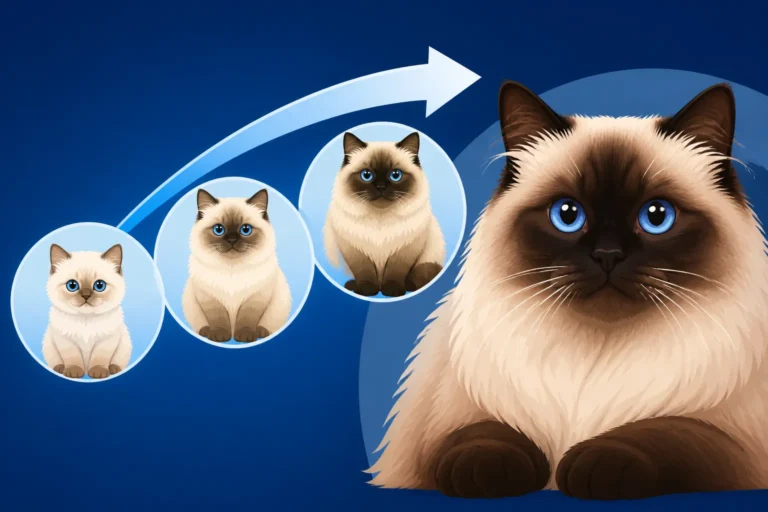
Starting Early: Grooming a Himalayan Kitten
The absolute best time to start any grooming routine is when your Himalayan is a kitten. Kittens are naturally curious and more adaptable than adult cats. Introducing the comb and the concept of daily handling as early as possible will lay a crucial foundation for a lifetime of stress-free grooming.
Begin with very short, gentle sessions, just a minute or two at a time. Use a soft brush or a wide-toothed comb specifically designed for kittens. Focus on making it a positive experience: offer a favorite treat, speak in a soothing voice, and provide lots of praise and gentle petting. Start by simply running the comb over their back and sides, gradually introducing touches to more sensitive areas like the armpits and belly. The goal isn't necessarily to get every single loose hair initially, but to accustom them to the sensation of being handled and combed. If you can make grooming a pleasant, bonding ritual from the start, your kitten will grow up associating the comb with comfort and affection, rather than a battle. This early training is invaluable and will save you immense frustration later on. Getting a Himalayan Kitten Used to the Comb offers practical advice on this crucial stage.
Consistency is Key: Making Grooming a Daily Habit
Let me be unequivocally clear: for a Himalayan, daily grooming is not optional; it is essential. You simply cannot afford to skip a day without running a significant risk of mats forming. Their dense, fine, double coat will knot up faster than you can imagine. This isn't just about appearance; it's about preventing pain and serious skin issues.
Integrate grooming into your daily life. Perhaps it's part of your morning routine while you're having coffee, or an evening cuddle session on the sofa. Find a time that works for you and your cat, and stick to it. Even if it's just a 10-15 minute session, that consistent effort breaks the cycle of accumulating loose hair and friction that leads to mats. It's much easier to spend a few minutes gently combing out minimal shed hair than to battle a painful, tight mat for an hour or eventually have to take your cat for sedation and shaving. The long-term benefits of this daily discipline are immense, fostering not only a beautiful, healthy coat but also a strong bond built on trust and comfort between you and your cherished Himalayan. Why a Himalayan Cannot Be Left a Week illustrates the dire consequences of skipping grooming.
Adapting the Routine as Your Himalayan Ages
Just like humans, cats' needs change as they get older, and your Himalayan's grooming routine will need to adapt accordingly. Senior Himalayans, typically those over the age of eight or ten, often experience a decrease in flexibility and energy. They might not be able to twist and turn to groom themselves as effectively as they once did. Arthritis or other age-related conditions can make certain positions uncomfortable or painful, leading them to neglect hard-to-reach areas.
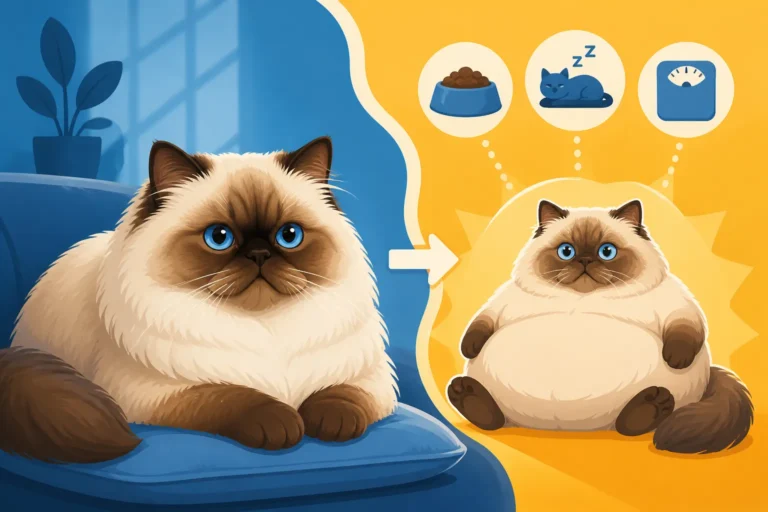
As a result, older Himalayans may require even more frequent or meticulous grooming from you. Their skin can also become thinner and more delicate, so extra gentleness is paramount. You might need to switch to softer brushes or combs, reduce the length of your sessions, or simply be more attuned to their comfort levels. It’s also crucial to monitor their weight, as obesity can further hinder their ability to self-groom, especially in the britches area. Regular veterinary check-ups for older cats can also help you identify any underlying health issues that might impact their coat quality or their ability to tolerate grooming. By adjusting your approach and showing extra patience and care, you can ensure your aging Himalayan remains comfortable, mat-free, and cherished throughout their golden years. What an Old Himalayan Needs Once Its Coat Starts Matting provides excellent insights into this.
| Grooming Tool | Primary Use | Best For | Considerations |
|---|---|---|---|
| Steel Comb | Reaching deep into the undercoat, identifying tangles. | Daily full-body combing, breaking up small knots. | Essential. Must have wide and fine teeth. Avoid sharp edges. |
| Slicker Brush | Removing surface loose hair, fluffing topcoat, distributing oils. | Finishing touches, light shedding, detangling surface fur. | Use gently, can skip deep undercoat mats. Not a substitute for a comb. |
| Dematting Rake | Carefully cutting through small, loose mats. | Emergency only for specific, loose mats. | High risk of injury. Use with extreme caution. Never near skin. Seek professional help for tight mats. |
| Soft Bristle Brush | Gentle surface brushing, distributing natural oils, bonding. | Very young kittens, sensitive cats, general massage. | Ineffective for deep mats or undercoat removal on adult Himalayans. |
| Pet Clippers (with Guards) | Shaving matted areas, sanitary clips, full lion cuts. | Professional use for severe mats, hygiene, cool-down. | Requires training and proper blades; do not attempt severe mat removal at home. |
Disclaimer
This article is for general informational purposes only and does not constitute professional advice. Laws, prices and regulations vary by location and change over time. Consult a qualified professional for guidance on your specific situation.