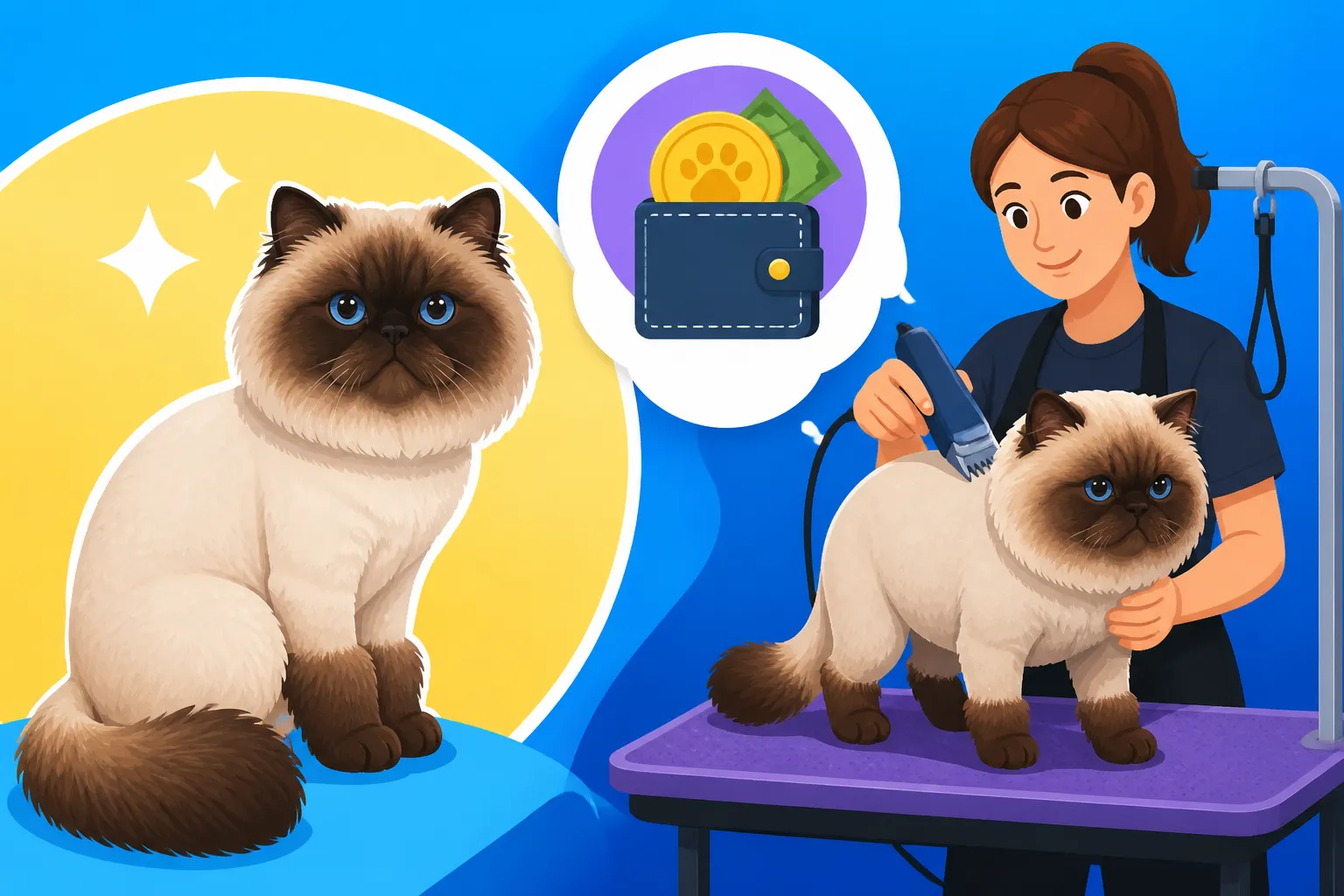
What a Groomer Charges for a Himalayan Lion Cut
Oh, the lion cut! It's a phrase that often brings a mix of relief and a little bit of guilt to the hearts of Himalayan cat parents. We all adore our beautiful, fluffy companions, but let's be real, that glorious Persian-derived coat is a demanding mistress. Many of us have been there, watching with dismay as tiny knots turn into stubborn mats, despite our best efforts, leading to the tough decision of a professional groom. This guide is here to walk you through everything you need to know about getting a lion cut for your Himalayan, especially what a groomer might charge, so you can make an informed choice for your cherished feline friend.
Why a Lion Cut Becomes Necessary for a Himalayan
Let's face it, nobody wants to shave their magnificent, long-haired Himalayan down to the skin. The lion cut is often a last resort, a necessary intervention when the luxurious coat becomes more of a burden than a beauty. It's a common struggle for owners of this breed, and there's absolutely no shame in needing this service. The unique double coat of a Himalayan, combining the long guard hairs with a dense, fine undercoat, is a magnet for tangles.
When Mats Become Too Much for Daily Combing
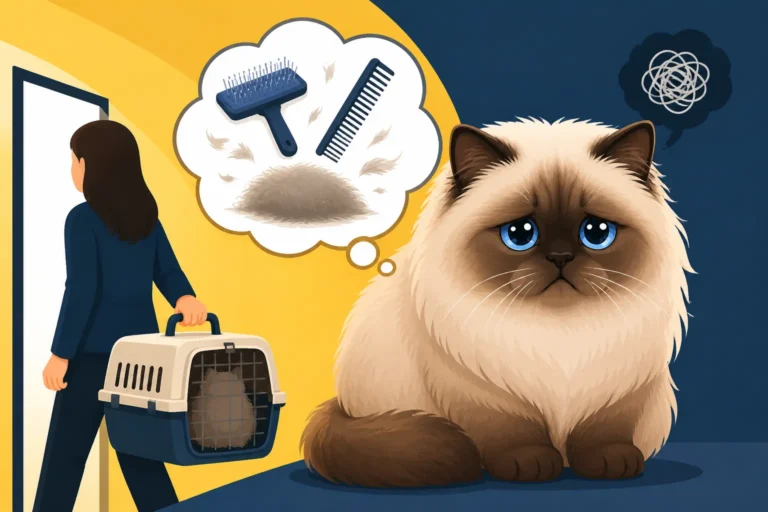
Himalayan cats are famous for their incredibly dense and long coats, truly a marvel to behold when well-maintained. However, this same attribute makes them particularly prone to matting. Their undercoat is exceptionally soft and fine, which means it can tangle and felt together with remarkable speed, especially in areas of high friction or moisture. Think behind the ears, under the armpits, on their belly, and around their hindquarters (often called the britches). Even with diligent daily combing, these spots can become problematic. Life happens, and sometimes a few days get missed, perhaps you're away on vacation, or your cat isn't feeling cooperative, and suddenly, what was a small knot is now a tight, painful mat pulling on their delicate skin.
These aren't just cosmetic issues; severe mats can become incredibly uncomfortable and even dangerous for your cat. They pull on the skin, restricting movement, and can hide a multitude of skin problems beneath them. It's a heartbreaking situation when you realize your once-fluffy cat is now a walking tangle, and the regular comb just isn't cutting it anymore. At this point, trying to de-mat at home can be excruciating for your cat and frankly, quite risky without professional tools and expertise. This is precisely when a lion cut moves from being an option to a necessity. For many owners, it's a huge relief to know there's a solution, even if it changes their cat's appearance dramatically for a while.
Health and Comfort Considerations
Beyond the sheer frustration of battling tangles, matting poses significant health risks for your Himalayan. A dense, matted coat traps moisture and heat against the skin, creating a perfect breeding ground for bacterial and fungal infections. You might not even realize your cat has a painful skin infection until the mats are removed, as the coat can effectively hide it for days or even weeks. Why a Himalayan's Coat Hides a Wound for Days is a real concern. These hidden infections can lead to itching, redness, and even open sores if left untreated.
Furthermore, severely matted coats can restrict blood flow and irritate the skin, causing pain and discomfort every time your cat moves. Imagine wearing a heavy, tight sweater that's constantly pinching and pulling your skin. That's what a matted coat feels like to your Himalayan. Mats can also impact their ability to regulate body temperature, making them prone to overheating, especially in warmer climates or during summer months. Their movement can become stiff and awkward, and they may even stop grooming themselves in matted areas because it's too painful. For an elderly Himalayan, or one with existing health issues, the burden of a matted coat can significantly reduce their quality of life. In these cases, a lion cut isn't just about aesthetics; it's a vital step to restore their comfort and prevent serious medical issues. It allows their skin to breathe, makes them feel lighter, and often revitalizes their playful spirit once the discomfort is gone.
What Goes Into a Professional Himalayan Lion Cut
Deciding on a lion cut for your Himalayan means entrusting their care to a professional. This isn't a simple trim; it's a specialized service that requires skill, patience, and often, a deep understanding of feline behavior, especially for a breed as unique as the Himalayan. It's truly more than just shaving some fur off.
The Process: More Than Just Shaving
When you take your Himalayan in for a lion cut, you're not just paying for someone to run clippers over them. The process typically begins with a thorough consultation. A good groomer will assess the severity of the matting, your cat's temperament, and any underlying skin issues they might observe. They'll discuss the style of the lion cut – some prefer a full shave with just the mane, tail tip, and "boots" left, while others might opt for a slightly longer guard hair on the body if possible. The goal is always to prioritize the cat's safety and comfort above all else.
The actual clipping process itself is delicate. Himalayan skin is thin and loose, especially on the belly, and requires careful handling to avoid nicks and cuts, particularly when removing tight mats close to the skin. The groomer needs to be proficient with clippers, often using different blade lengths depending on the mats. For cats with severe matting or a nervous disposition, sedation might be necessary, and this would involve a veterinary clinic rather than a standalone groomer. This is an important distinction to discuss upfront, as Why a Himalayan Is a Harder Anesthetic Than a Siamese means careful planning is essential. After the shave, a bath is usually given to remove any loose hair, dander, and skin debris, followed by a gentle drying process. Finally, a nail trim and ear cleaning are often included as part of the comprehensive grooming package. This entire process can take several hours, depending on your cat's cooperation and the extent of the matting. It's a full pampering (and necessary) overhaul!
Factors Influencing the Cost
The price of a Himalayan lion cut isn't a one-size-fits-all figure, and it can fluctuate significantly based on several key factors. Understanding these variables will help you anticipate the cost and understand why one groomer might charge more than another.
- Severity of Matting: This is often the biggest determinant. If your cat has a few minor tangles, it'll be less work and less expensive than a cat whose entire coat is a solid pelt of felted fur. Extreme matting requires more time, more skill, and more caution, directly impacting the final fee.
- Cat's Temperament: A calm, cooperative Himalayan is much easier (and quicker) to groom than a fearful, aggressive, or squirmy one. Groomers may charge an additional "handling fee" for difficult cats, as it demands extra time, patience, and sometimes the help of an assistant. If sedation is required due to extreme fear or aggression, the service will need to be performed by a veterinarian, significantly increasing the cost to include veterinary staff, anesthetic drugs, and monitoring.
- Location: Just like any service, grooming prices vary by geographic location. A groomer in a high-cost-of-living urban area will naturally charge more than one in a rural setting.
- Groomer's Experience and Reputation: Highly experienced groomers, particularly those specializing in long-haired or brachycephalic (flat-faced) breeds like Himalayans, often command higher prices. Their expertise ensures a safer, more efficient, and less stressful experience for your cat.
- Additional Services: Most lion cuts include a bath, nail trim, and ear cleaning. However, if your cat needs specialized shampoo for sensitive skin, anal gland expression, or a flea treatment, these will be added to the base price.
- Sedation vs. No Sedation: As mentioned, if your cat requires sedation, you'll be looking at vet clinic prices, which are generally higher than a professional groomer's. This is because a vet oversees the sedation, and the clinic has medical staff and equipment for monitoring.
These factors combine to create a pricing structure that reflects the complexity and time investment of grooming a Himalayan, especially one in distress due to matting. Always get a clear estimate before the service begins, and don't be afraid to ask questions about how these factors will influence your bill.
Understanding the Pricing Structure of a Lion Cut
Navigating the costs of pet care can be tricky, and a lion cut for a Himalayan is no exception. It's not just about the clippers; it's about the expertise, the time, and the individual needs of your cat. Knowing what to expect can help you budget and find the right professional.
Typical Price Ranges and What's Included
When considering a lion cut, it’s important to understand that there isn’t a flat fee. Prices are generally tiered, reflecting the effort and resources required. For a Himalayan with moderate matting and a relatively cooperative temperament, you might find a base price. This usually includes the shave, a thorough bath with appropriate shampoo, a blow-dry, nail trim, and ear cleaning. However, the costs can escalate quickly for more challenging situations.
For instance, a cat with severe, widespread matting will require significantly more time and careful handling, often leading to a higher fee. Cats that are particularly anxious, aggressive, or squirmy during the process might incur additional handling charges. Some groomers might offer a slight discount if the mats are very minor and can be worked out without a full shave, but for a true lion cut, the expectation is a complete clip-down of the body.
Here's a general idea of how costs might be broken down, keeping in mind that these are descriptive, not numeric, estimates:
| Factor | Impact on Cost | Included Services (Typically) |
|---|---|---|
| Mild Matting | Lower end of the price range | Shave, bath, dry, nail trim, ear cleaning |
| Moderate Matting | Mid-range pricing | Shave, extensive mat removal, therapeutic bath (if needed), dry, nail trim, ear cleaning |
| Severe Matting | Higher end of the range, potentially requiring vet intervention | Intensive shave, careful skin monitoring, medicated bath (if needed), dry, nail trim, ear cleaning |
| Difficult Temperament | Additional handling fees, longer appointment time, potentially vet referral | All services as above, with added time and staff for safety |
| Sedation Required | Significantly higher (vet clinic only) | Pre-anesthetic exam, sedation, monitoring, shave, bath, nail trim, ear cleaning |
Always ask for an itemized estimate before agreeing to the service. Some groomers will have a sliding scale, while others have set prices for various levels of matting. Don't be surprised if a groomer needs to see your cat in person before giving a firm quote; it's almost impossible to judge the severity of matting and temperament over the phone. You might even find that some grooming salons offer subscription plans or loyalty discounts if you commit to regular maintenance grooms after the initial lion cut, which can be a great way to manage costs long-term and prevent future matting. What a Groomer Charges for a Himalayan Lion Cut varies widely, so doing your homework is key!
Comparing Professional Groomers and Vet Clinics
When your Himalayan needs a lion cut, you generally have two main options: a dedicated professional groomer or a veterinary clinic. Both have their advantages, and the best choice often depends on your cat's specific needs and temperament.
Professional Pet Groomers:
Many professional groomers specialize in cats, and some even have specific experience with long-haired breeds like Himalayans.
- Pros: They are experts in coat care, styling, and often have a gentler, more cat-centric approach to the grooming process. They typically have specialized equipment for cat grooming and understand how to work efficiently while minimizing stress. Their base prices for grooming services are usually lower than vet clinics, as they don't have the overhead of medical staff and facilities. Many are deeply passionate about making the grooming experience as positive as possible.
- Cons: Most groomers cannot administer sedation. If your Himalayan is severely matted, highly aggressive, or extremely anxious, a groomer may refuse the service or recommend a vet. This is for the safety of your cat and the groomer. They also can't provide medical treatment for underlying skin conditions they might uncover.
- What to Look For: Ask about their experience with Himalayans or long-haired cats. Read reviews. Look for a clean, calm environment.
Veterinary Clinics:
Vet clinics offer grooming services, particularly lion cuts, often for pets who are difficult to handle or require sedation.
- Pros: The biggest advantage here is the ability to sedate your cat. For severely matted, painful, or aggressive Himalayans, sedation ensures a stress-free experience for the cat and a safe one for the staff. The vet can also address any health issues discovered under the mats immediately, like skin infections, and provide pain relief if needed. It's a "one-stop shop" for grooming and medical assessment.
- Cons: Generally, a lion cut at a vet clinic will be significantly more expensive. The cost includes the veterinarian's time, the anesthetic, monitoring by veterinary technicians, and post-sedation recovery care. While vets are medical experts, they might not have the same specialized grooming skills or artistic flair as a dedicated professional groomer. The environment might also be more clinical, which some cats find more stressful.
- What to Look For: Ensure the vet has experience with feline sedation and monitoring. Ask about the post-sedation recovery protocol.
For an otherwise healthy and cooperative Himalayan with manageable matting, a professional cat groomer is often the preferred and more cost-effective choice. However, if you suspect hidden skin issues, your cat is in extreme pain from matting, or has a history of aggression during grooming, a vet clinic offering sedation is undoubtedly the safer and more responsible option. Always have an open conversation with both types of professionals to determine the best path for your beloved companion. You might even use a brand like Healthy Paws pet insurance to help cover some of the costs if your cat develops a medical issue that necessitates a vet-supervised groom.
After the Lion Cut: Care and Prevention
Once your Himalayan has had its lion cut, the immediate relief is usually palpable for both you and your cat. But the journey doesn't end there! There's important post-grooming care and, crucially, a new routine to establish to prevent future matting and the need for another lion cut.
Post-Grooming Care for Your Himalayan
Seeing your Himalayan with a dramatically shorter coat can be a bit of a shock, both for you and for them!
- Immediate Reactions: Some cats might act a little confused or even embarrassed for a day or two. They might shiver if the house is cool, as they've lost a significant layer of insulation. Make sure their favorite resting spots are warm and cozy. Why a Himalayan Sleeps With Its Neck Stretched Out can be a sign of seeking comfort, and a shorn cat will appreciate extra warmth. They might also start over-grooming their newly exposed skin, which is usually a temporary phase.
- Skin Protection: With their dense coat gone, your cat's skin is now exposed and more vulnerable. It's crucial to keep them indoors, away from direct sunlight, which can cause sunburn, especially on their pale skin. Also, be mindful of any rough surfaces or irritants they might rub against.
- Coat Regrowth and Color Change: You might notice that when the fur starts to grow back, especially in areas that were previously covered by points (like the back or flanks), the new hair can be darker. This is a common phenomenon in pointed breeds due to the temperature-sensitive gene that dictates their color. Why a Lion Cut Grows Back Darker on a Himalayan is a fascinating genetic quirk you'll likely observe firsthand. The darker fur will gradually lighten as it grows longer and the body temperature in those areas normalizes.
- Monitoring for Irritation: Keep a close eye on their skin for any signs of redness, itching, or irritation, especially where mats were very tight. If you notice persistent issues, a quick call to your vet is a good idea. Sometimes a medicated shampoo might be needed, or an anti-inflammatory cream if there's significant irritation.
The lion cut is a fresh start, and it’s an opportunity to rebuild good grooming habits and ensure your Himalayan is comfortable and healthy.
Preventing Future Lion Cuts: A New Routine
The goal after a lion cut is to avoid ever needing one again! This means establishing a consistent and dedicated grooming routine. It's a commitment, but one that will keep your Himalayan healthy and happy, and save you money in the long run.
- Daily Combing is Non-Negotiable: This is the absolute cornerstone of Himalayan coat care. The Daily Comb a Himalayan Cannot Skip is not an exaggeration. Even 10-15 minutes a day can make a world of difference. Focus on the high-friction areas first: armpits, belly, britches, and behind the ears. A good quality steel comb with both fine and wide teeth is indispensable. For younger cats, starting this early helps them get used to it. For adults, positive reinforcement with treats can make it a more pleasant experience.
- Proper Tools: Invest in the right grooming tools. A slicker brush can help with surface tangles, but a metal comb is essential for reaching the undercoat and identifying potential mats early. A dematting tool can be helpful for very small, developing knots, but should be used with extreme caution to avoid pulling or cutting the skin.
- Regular Face Wiping: While not directly related to a lion cut, Himalayans are prone to tear staining and nose fold dermatitis due to their brachycephalic faces. Incorporate daily face wiping into your routine to prevent irritation and infection.
- Professional Maintenance Grooms: Even with diligent home grooming, many Himalayan owners find immense value in scheduling regular professional "maintenance" grooms, perhaps every 8-12 weeks. These aren't lion cuts, but rather a bath, brush-out, and sanitary trim to keep the coat in top condition. This can be an excellent way to prevent mats from forming and extend the time between major grooming interventions. How Much an Hour a Week of Himalayan Combing Saves in Vet Bills really emphasizes the financial and health benefits of prevention.
- Diet and Supplements: A high-quality diet rich in Omega-3 and Omega-6 fatty acids can contribute to a healthy, less prone-to-matting coat. Consult your vet about any coat-specific supplements that might be beneficial for your Himalayan.
- Environmental Factors: Keep your home at a comfortable, stable temperature. Extreme heat can sometimes make coats feel coarser and more prone to tangling.
- Early Intervention: If you spot a small mat forming, address it immediately. Why a Missed Day Costs a Himalayan a Mat is so true – a tiny tangle can become a huge problem overnight. Be patient, use a detangling spray, and work slowly. If it's too difficult or painful for your cat, call your groomer or vet before it escalates.
By implementing these strategies, you can transition your Himalayan from needing drastic lion cuts to enjoying a beautifully maintained, comfortable coat. It's a continuous effort, but one that deeply enhances your cat's well-being.
Disclaimer
This article is for general informational purposes only and does not constitute professional advice. Laws, prices and regulations vary by location and change over time. Consult a qualified professional for guidance on your specific situation.