Why a Lion Cut Grows Back Darker on a Himalayan
It’s a scenario many Himalayan cat parents know all too well: you take your beautiful, long-haired companion to the groomer for a lovely, practical lion cut, especially during the warmer months, only to notice something quite unexpected as their fur grows back. Instead of the usual light body color, those freshly shorn areas seem to be growing back distinctly darker, sometimes even looking a bit patchy. This guide is here to unravel that mystery, explaining why your Himalayan's coat changes color after a lion cut and what you can expect during the regrowth process.
Understanding the Himalayan's Unique Coat Genetics
Before we delve into why your shaved Himalayan might look a little different post-grooming, it's crucial to understand the magic behind their stunning point coloration. Himalayans aren't just pretty faces; they're walking, purring examples of fascinating genetics at work. Their coloring isn't just random; it's a direct response to their body temperature.
The Temperature-Sensitive Pigment Gene
The reason your Himalayan boasts those striking dark points – ears, face mask, paws, and tail – against a paler body is all thanks to a specific, temperature-sensitive enzyme. This enzyme is responsible for producing melanin, the pigment that gives fur its color. Here’s the clever part: this enzyme works most effectively in cooler temperatures.
In the warmer areas of your cat's body, like its torso, the enzyme is less active, resulting in very little pigment production, hence the creamy or pale body coat. But in the extremities, where body temperature is naturally a little lower, the enzyme kicks into high gear, depositing plenty of pigment and creating those iconic dark points. It’s a genetic marvel, truly. This is the same gene that dictates the coat pattern in several other animals, which is why Which Gene Makes a Himalayan Pointed is such an interesting topic for cat lovers and geneticists alike. Without this temperature-sensitive gene, your Himalayan would likely be a solid color all over, a beautiful cat still, but missing that signature elegance.
How Points Develop from Kittenhood to Adulthood
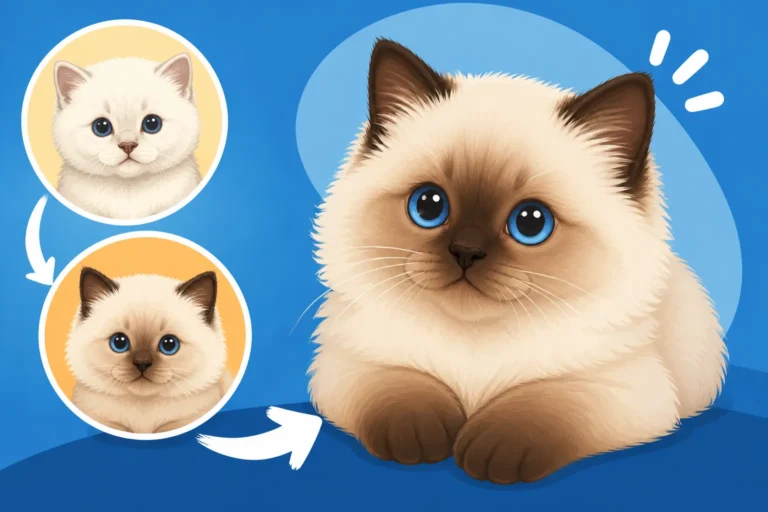
If you've ever seen a litter of newborn Himalayan kittens, you might have noticed something remarkable: they're almost entirely white or very pale at birth! This isn't a fluke; it's another testament to that temperature-sensitive gene. While they were snuggled in their mother's womb, the ambient temperature was uniformly warm. This warmth inhibited the pigment-producing enzyme, meaning no dark points could develop.
It's only after they're born and exposed to the cooler outside world that their points gradually begin to emerge. The tips of their ears might show a faint blush first, followed by their nose, paws, and then their tail. This darkening continues and deepens over their first few weeks and months, and can even continue subtly throughout their life. It's a slow, beautiful reveal, and you can practically watch the magic happen. Typically, you'll start to see those distinctive point colors emerge clearly around How Many Weeks Before a Himalayan Kitten's Points Show, really defining their look. In fact, many Himalayans will continue to see their points deepen and spread with age, sometimes leading to an almost solid appearance in their senior years.
The Immediate Impact of a Lion Cut on Skin Temperature
Now, imagine taking that long, insulating Persian-like coat – the one designed to keep your Himalayan warm and, crucially, to maintain a relatively stable body temperature across its entire body – and shaving most of it off. What happens next is a direct consequence of those temperature-sensitive genetics we just discussed.
Exposing the Skin to Cooler Air
When your Himalayan gets a lion cut, a significant portion of its fur, particularly across the torso, is shorn down to a very short length, or even almost to the skin. This isn't just a cosmetic change; it's a dramatic alteration to their body's insulation system. Suddenly, areas that were once protected by layers of dense undercoat and long guard hairs are exposed directly to the ambient air.
Think of it like stepping outside without your winter coat after having worn it for months. Your body instantly feels the chill. For your Himalayan, the effect is similar. The core body parts that were typically warm and therefore produced minimal pigment are now much cooler. This isn't just about feeling a bit breezy; it creates a localized drop in skin surface temperature that directly impacts the pigment-producing enzyme. This exposure can be quite significant, especially if your home isn't kept consistently warm. In fact, many owners notice that Why a Himalayan in a Cold House Darkens All Over, which is the same principle at play here, just on a larger, more intentional scale.
The Body's Response to Localized Cooling
Your Himalayan's body is a finely tuned machine, and its genetics are always at work. When those previously warm areas are cooled by the absence of their insulating coat, the temperature-sensitive enzyme immediately gets the signal: "It's cooler here, time to make some pigment!"
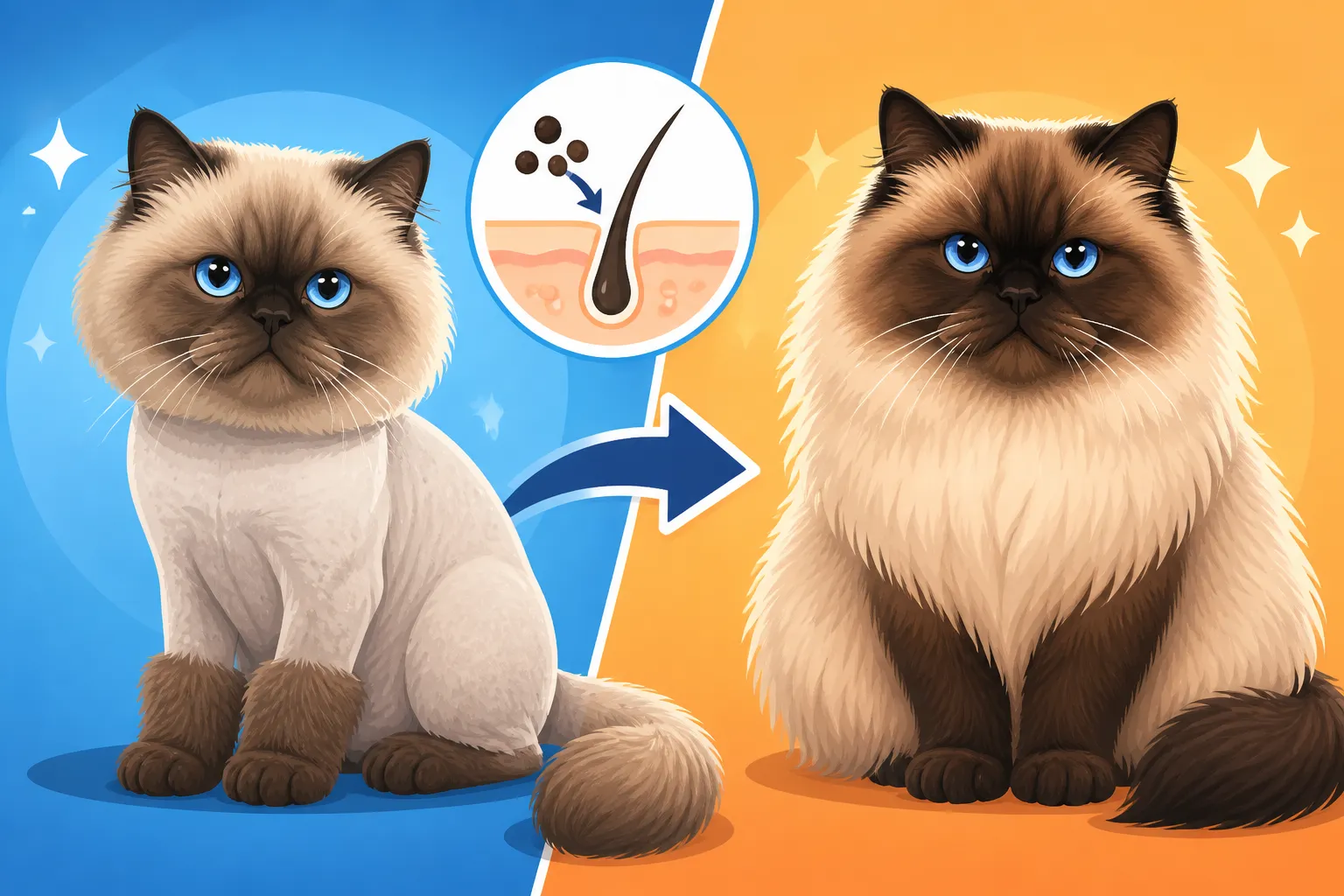
This isn't a conscious decision by your cat, of course, but an automatic biological response. The hair follicles in those shaved areas, now experiencing lower surface temperatures, begin to produce more melanin when the new hair starts to grow. It’s the same mechanism that makes their ears or tail dark, now being triggered across a wider area of their body simply because the external environment of their skin has changed. This is why the darkening isn't just a surface phenomenon; it's literally part of the new hair's structure as it grows from the follicle. The extent of this response can depend on how cold the environment is, and how efficiently your cat's body adjusts to the loss of its fur.
The Regrowth Process and Color Changes
So, your Himalayan has had its lion cut, and you're starting to see stubble. This is where the magic (or perhaps, the mild surprise) really happens. The regrowth isn't just about length; it's about color.
Hair Follicle Reaction and Pigment Production
As the hair follicles in the shaved areas embark on their regrowth cycle, they are doing so under different environmental conditions than before. The skin temperature in these areas remains cooler for a sustained period due to the lack of insulating fur. Consequently, the pigment-producing enzyme, which is now highly active in these "cooler" zones, will cause the new hair shafts to grow in with more pigment.
This results in the fur growing back significantly darker than the original body color. It's truly fascinating to witness this genetic trait in action. It’s not that your cat’s underlying genetics have changed, but rather that the expression of those genetics has been altered by the external factor of temperature. This phenomenon is precisely why you might observe How a Shaved Patch Regrows Darker on a Himalayan, even if it's just a small area for a medical procedure. The follicles are simply doing what they're programmed to do when presented with a cooler environment.
Uneven Darkening and Patchiness
One common concern for owners is that the regrowth might look a bit uneven or patchy. This is entirely normal! Several factors contribute to this appearance. Firstly, not all parts of the shaved body will cool down to the exact same degree. Areas closer to the core might remain slightly warmer than, say, the sides or belly, leading to variations in pigment production.
Secondly, the rate of hair regrowth isn't always perfectly uniform across the entire body. Some areas might grow back faster or slower than others, causing slight differences in color density and length. As the hair grows out, you might see lighter patches gradually transition into darker ones, or vice-versa, creating a temporary mottled effect. While it might not be the pristine cream or white body coat you’re used to, it’s a natural and temporary part of the process. Rest assured, your Himalayan is still beautiful, even if they look a little like a patchwork quilt for a while!
Factors Influencing the Degree of Darkening
The intensity and speed of this post-lion cut darkening can vary from one Himalayan to another, and several factors play a role:
- Ambient Temperature: If your home is generally kept quite cool, the darkening will likely be more pronounced and occur faster. Conversely, a Himalayan living in a warmer environment might show less dramatic color change.
- Original Point Color: Some point colors might show the contrast more dramatically. For instance, a Seal Point or Blue Point Himalayan might show a very stark contrast between the original body color and the newly darkened regrowth, simply because their points are naturally darker. A Cream Point might have a more subtle darkening.
- Age of the Cat: As Himalayans age, their points naturally deepen and spread, and their body coat can also gradually darken over many years. An older Himalayan might, therefore, show a more intense darkening after a lion cut, simply because their pigment-producing enzymes are already quite active. It's part of Why an Old Himalayan Looks Almost Solid Colored as they mature; their entire body is influenced by this genetic tendency.
- Individual Genetic Variation: Even within the same litter, there can be slight variations in how intensely the temperature-sensitive gene expresses itself. Some Himalayans might just be more prone to darkening than others.
- Diet and Coat Health: While diet won't change the genetic mechanism, a healthy coat supported by good nutrition (like a balanced diet that includes essential fatty acids) might grow back more robustly, which can influence the appearance of the new color. You can find excellent quality foods and supplements that support coat health.
Managing Expectations and Coat Health After a Lion Cut
Understanding why the coat grows back darker is the first step. The next is knowing how to manage it and care for your Himalayan during this regrowth phase. It's all about patience and consistent care.
Accepting the Temporary Color Change
The most important thing to remember is that this darkening is temporary. It’s a natural expression of your Himalayan’s unique genetics, not a permanent change to their core color. As their coat grows longer and provides more insulation, the skin temperature beneath the fur will gradually rise. As the temperature stabilizes, the pigment-producing enzyme will become less active again, and subsequent hair growth will return to the lighter, original body color.
It’s a cycle that depends on the length of their fur and the ambient temperature. While it might take a few months for the full, original coat length and color to return completely, most owners will see a noticeable lightening of the regrowth within a few weeks as the new hairs come in. For a full return to that glorious, flowing coat and its original shade, you might be looking at anywhere from six months to a year, depending on the individual cat and the extent of the cut. To set realistic expectations, it's good to consider How Long a Himalayan's Lion Cut Takes to Grow Out.
Essential Grooming During Regrowth
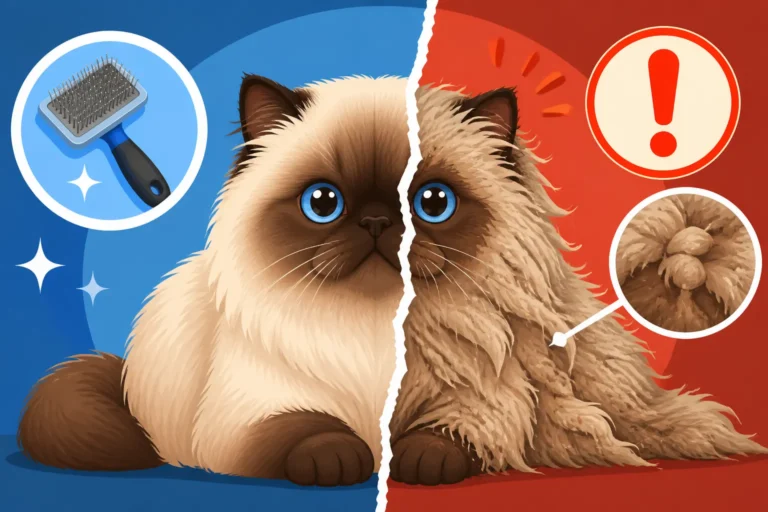
Just because your Himalayan has a short "lion cut" doesn't mean grooming can stop. In fact, it's still crucial, albeit different. During the regrowth phase, the coat can sometimes be more prone to tangling as different lengths grow in. Plus, the dense undercoat is still there, just shorter, and it needs regular attention.
A good quality steel comb is still your best friend, even with shorter hair. You'll want to gently comb through the growing fur daily to prevent any mats from forming and to help distribute natural skin oils. Focus on areas that were particularly dense before, like the ruff (if it was left long) and around the britches. A comb like those found on Amazon can make a huge difference in keeping the growing coat healthy and mat-free. Even though the coat is short, the Persian half of your Himalayan still demands consistent attention, so it’s important to keep up with a routine. How Many Minutes a Day a Persian Coat Takes on a Himalayan is still a good guideline for diligent combing.
Nutritional Support for Healthy Coat Regrowth
A healthy coat starts from within, and nutrition plays a vital role in ensuring that your Himalayan's fur grows back strong, soft, and vibrant. While you can't change the color genetics through diet, you can support optimal hair health.
Look for high-quality cat foods that list real meat as the first ingredient and contain essential fatty acids, particularly Omega-3 and Omega-6. These fatty acids are crucial for skin and coat health, helping to keep the fur shiny and reducing dryness or flakiness that can sometimes accompany regrowth. Fresh, human-grade foods and high-quality kibble options often include these beneficial nutrients. If your cat is prone to skin issues or has particularly dry skin during regrowth, consult your vet about specific supplements. They might recommend an Omega oil supplement to add to their food, which can be easily sourced from pet supply stores. Remember, a well-nourished cat is a happy cat, and a happy cat often has a healthier, more beautiful coat.
| Point Color | Typical Original Body Color | Expected Regrowth Shade After Lion Cut (Temporary) |
|---|---|---|
| Seal Point | Cream / Fawn | Darker Fawn / Light Brown |
| Blue Point | White / Pale Cream | Greyish-Cream / Light Grey |
| Chocolate Point | Ivory / Cream | Light Tan / Bisque |
| Lilac Point | Glacial White | Pale Lavender-Grey / Dusty Pinkish-Grey |
| Flame Point | Cream / White | Darker Cream / Apricot |
| Tortie Point | Cream / Fawn | Patchy mix of darker cream/browns/reds |
| Lynx Point | Cream / Fawn | Cream with more defined, darker tabby markings |
Disclaimer
This article is for general informational purposes only and does not constitute professional advice. Laws, prices and regulations vary by location and change over time. Consult a qualified professional for guidance on your specific situation.