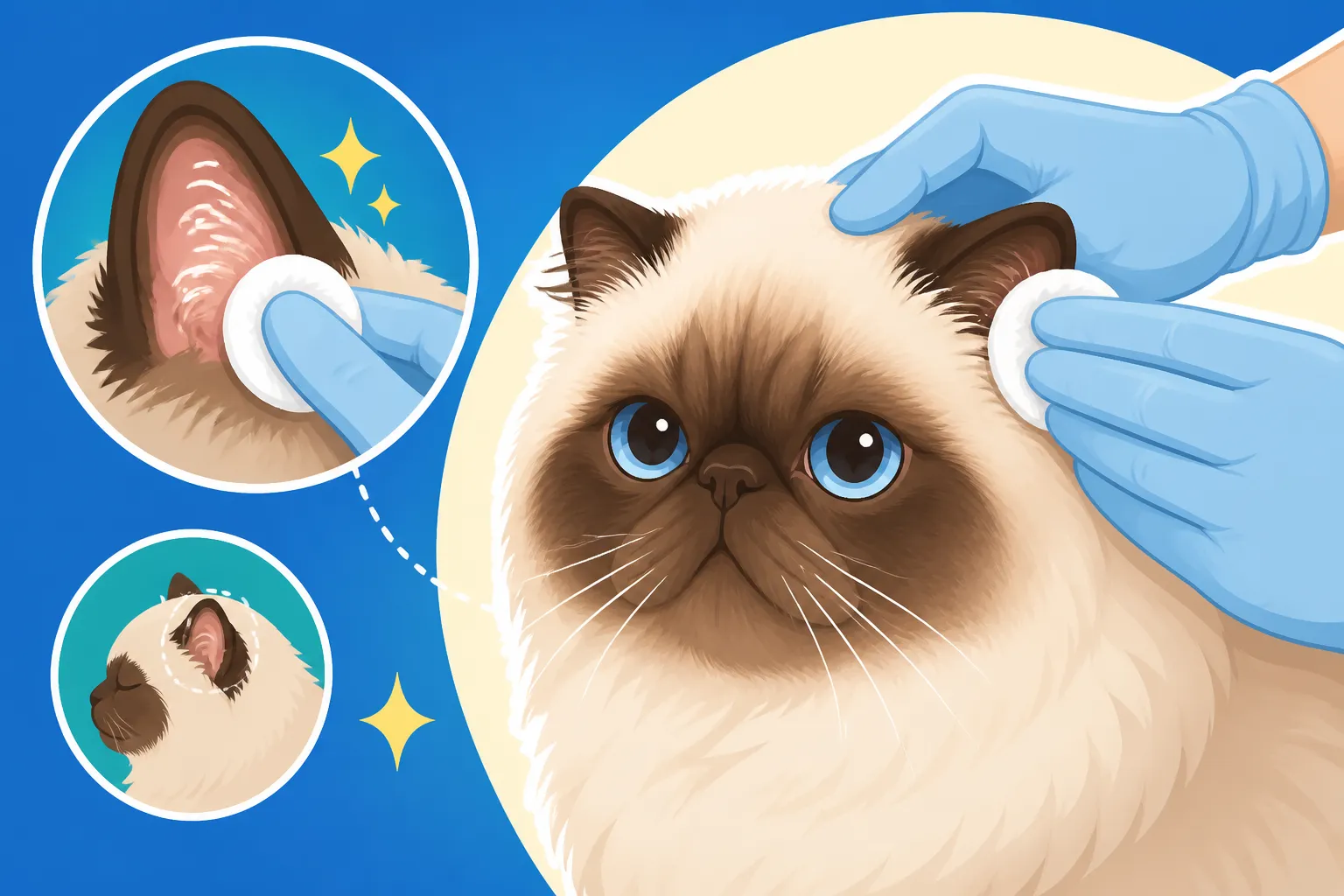
How to Clean a Himalayan’s Small Low Set Ears
If you're a Himalayan cat parent, you already know that their gorgeous, long coats and distinctive flat faces come with a unique set of care requirements. But one area often gets overlooked, or at least feels incredibly daunting: those adorable, tiny, low-set ears. It’s a genuine struggle to even see into them, let alone clean them effectively, which can lead to uncomfortable buildup or even infections for our beloved companions. This guide is here to demystify the process, offering practical, empathetic advice on how to keep your Himalayan's ears clean and healthy without a wrestling match.
Understanding the Unique Challenges of Himalayan Ears
Let's be honest, Himalayan ears aren't exactly designed for easy access. They are tucked away, often hidden beneath a luxurious mane of fur, and their structure presents some real hurdles for routine care. It’s not just you; many Himalayan owners find this aspect of grooming particularly challenging.
Why Their Anatomy Matters
The first thing to understand is that your Himalayan’s ears are typically smaller and set lower on their head compared to many other breeds. Think about it: a regular house cat has ears that stand tall and are relatively open. Your Himalayan, however, sports a magnificent, dense coat that frames their face, and those little ears are nestled right into all that floof. This heavy fur acts like a curtain, trapping warmth and moisture, and making it difficult for air to circulate freely.
Because they're so small and shrouded in hair, it's hard to get a good visual on the ear canal itself. Many owners worry they might hurt their cat by poking around blindly. And let's not forget, the cat itself can't really do much to self-groom these specific areas effectively. They'll wash their face and maybe get to the very tips of their ears, but the inner ear and surrounding folds remain largely untouched by their own diligent efforts. It's a design that's beautiful but high-maintenance!
Common Problems Arising from Neglect
When those small, low-set ears don't get the attention they need, a few common problems tend to crop up, and trust me, your cat won't be shy about letting you know they're uncomfortable.
The most frequent issue is simply wax buildup. All cats produce ear wax, and it's a healthy part of their natural defense system. It traps dirt and debris and helps to keep the ear canal clean. However, in a Himalayan's ear, this wax can accumulate faster than it can naturally migrate out. This creates a cozy, damp environment that's just perfect for other unwelcome guests.
Ear mites are tiny parasites that absolutely thrive in such conditions. If your Himalayan spends any time around other cats, or if you've recently brought a new pet home, ear mites are a real possibility. They cause intense itching, leading your cat to scratch incessantly at their ears or shake their head. This constant irritation isn't just annoying for them; it can lead to secondary skin infections around the ear.
Beyond mites, bacterial and yeast infections are significant concerns. The combination of trapped moisture, warmth, and accumulated wax creates an ideal breeding ground for these microorganisms. You might notice a foul odor emanating from the ear, a dark or yellowish discharge, or even redness and swelling of the ear flap. Your cat might become sensitive to touch around their head, or show signs of discomfort, often retreating or becoming less playful. If you've ever wondered What a Himalayan Does When It Is Unsettled, ear discomfort can certainly be a trigger for changes in their normal, placid behavior. These infections can be quite painful and will definitely require a vet's attention. Neglecting ear care can quickly turn a minor annoyance into a serious medical issue for your sweet Himalayan.
Essential Tools and Preparation for Safe Ear Cleaning
Before you even think about starting the actual cleaning, gathering the right supplies and creating a calm environment is half the battle won. Believe me, trying to find everything mid-wrestle with a displeased feline is a recipe for frustration for both of you.
Gathering Your Supplies
Preparation is key to a smooth and stress-free ear cleaning session. You don't need a huge arsenal, but having these items ready will make a world of difference:
- Gentle, Vet-Approved Ear Cleaner: This is non-negotiable. Do not use rubbing alcohol, hydrogen peroxide, or plain water, as these can irritate the delicate ear canal or even damage it. Look for a cleaner specifically formulated for cats, ideally one recommended by your veterinarian. Many excellent options are available from reputable pet supply retailers like Chewy or Amazon, often containing ingredients designed to break down wax and dry the ear canal gently.
- Cotton Balls or Gauze Pads: These are perfect for wiping away debris and excess cleaner. They're soft and won't scratch the ear. Absolutely avoid cotton swabs (Q-tips) for cleaning inside the ear canal. While they might seem perfect for tiny ears, they can actually push debris further into the ear, or even perforate the eardrum if used incorrectly. Save them for cleaning only the visible crevices of the outer ear flap, if at all.
- Soft Towels: Have a couple on hand. One can be used to wrap your cat gently, creating a sense of security and making it harder for them to wriggle away. The other is for catching any excess cleaner or shakes.
- Plenty of Treats: Positive reinforcement is your best friend. High-value treats can turn a potentially unpleasant experience into something your Himalayan associates with rewards.
- Good Lighting: You need to be able to see what you're doing. A well-lit room or even a headlamp can be incredibly helpful for peering into those small, furry ears.
- An Extra Pair of Hands (Optional but Recommended): Especially if your Himalayan isn't keen on ear handling, having a trusted family member or friend gently hold and comfort them can make the process much smoother and safer for everyone involved.
Setting the Stage for a Calm Experience
Your cat's cooperation largely depends on your demeanor and the environment you create. Cats are incredibly sensitive to stress, and a tense owner equals a tense cat.
First, choose a quiet time when your household is calm, and you're not rushed. Avoid loud noises, other pets running around, or any distractions. This isn't the moment to try ear cleaning when the kids are having a playdate or you're expecting company.
Find a comfortable and secure surface. Your lap can work, or a table covered with a non-slip mat or towel. The goal is to minimize your cat's ability to escape while keeping them feeling as safe as possible. Gently wrapping them in a towel, almost like a burrito, can work wonders for cats who are a bit squirmy, leaving only their head exposed.
Patience and gentleness are paramount. Speak to your Himalayan in a soothing voice. Offer cuddles and praise. If they become too stressed or agitated, it's better to take a break and try again later rather than push through and create a negative association. Remember, this is a long-term grooming routine, and you want it to be as positive as possible.
If you have a kitten, start handling their ears gently from a very young age, even before cleaning is truly necessary. This familiarization will make actual cleaning much easier down the line. It's similar to how we teach them to accept Starting Face Wiping With a Himalayan Kitten early on; early exposure builds tolerance. The more accustomed they are to being touched and handled around their head and ears, the less resistance you'll face as they grow.
Finally, remember that while restraint might be necessary, it should always be gentle and firm, never forceful or painful. Your goal is to secure them, not to scare them.
Step-by-Step Guide to Cleaning Your Himalayan's Ears
Now that you have your tools and a calm environment, let's get down to the actual cleaning. Remember, the key is to be gentle, observant, and never to insert anything deep into the ear canal.
The Gentle Approach to External Cleaning
Start with a thorough visual inspection. Gently lift your Himalayan's ear flap and peer into the outer ear. What do you see? Look for any redness, swelling, unusual discharge (dark brown, yellow, or greenish), or an unpleasant odor. Normal ears should be clean, pale pink, and free of excessive wax or debris. If you see anything concerning, like signs of infection or parasites, it's time to pause the cleaning and contact your vet. How a Vet Grades a Himalayan's Nostrils is a good indicator of how meticulous veterinary examinations are, and their expertise is invaluable for diagnosing ear issues too.
Once you've confirmed the ears look relatively healthy and just need a routine clean, take a cotton ball or gauze pad and moisten it with the ear cleaner. Gently wipe the visible surfaces of the outer ear flap, focusing on any folds or crevices where dirt and wax tend to accumulate. You might be surprised how much you pick up just from this external sweep.
When wiping, always move from the inside of the ear flap outwards, away from the ear canal opening. Your goal here is to remove visible debris without pushing anything further inside. Remember that dense fur around their ears can sometimes hold debris, so gently comb or part the hair to get better access to the ear's opening. Don't forget to wipe the small area just below the ear canal.
Deeper Cleaning and What to Avoid
For the inner ear, you’ll typically be using the liquid ear cleaner directly. Carefully hold your cat's ear flap upright. Gently fill the ear canal with the vet-approved ear cleaning solution according to the product's instructions. Don't worry, the ear canal makes a turn, so you won't be squirting the solution directly onto the eardrum.
Once the cleaner is in, gently massage the base of the ear for about 20-30 seconds. You should hear a squishing sound as the solution moves around, helping to loosen wax and debris. This part is crucial for allowing the cleaner to do its job.
After massaging, allow your cat to shake their head. This is a natural and important step! They'll likely shake out quite a bit of the loosened wax and cleaner. Have your towel ready to catch any spray.
Then, take a fresh, dry cotton ball or gauze pad and gently wipe away any visible solution and loosened debris from the outer ear and just inside the canal opening. Repeat this process with new cotton until no more debris comes out. For a very dirty ear, you might need to repeat the entire cleaner application, massage, shake, and wipe cycle once or twice. However, avoid over-cleaning, as this can lead to irritation.
Crucially, never insert anything hard or pointed into the ear canal. As mentioned, cotton swabs can cause more harm than good by pushing wax deeper or injuring the eardrum. If you can't reach it with a cotton ball and your finger, it's best to leave it alone.
If your cat shows any signs of pain during the process – crying, hissing, or aggressively pulling away – stop immediately. If you notice a persistent foul smell, excessive discharge, or any signs of pain or redness after cleaning, it's a clear signal to consult your veterinarian. These could indicate an underlying infection that requires medical treatment. Your vet can show you the proper technique and ensure there aren't any hidden issues. Sometimes, if a cat's ears are severely matted or infected, a vet might even suggest light sedation to properly examine and clean them, much like How a Vet Manages a Himalayan Under Anesthetic for other procedures.
Maintaining Ear Health Between Cleanings
Cleaning your Himalayan's ears isn't a one-and-done event; it's an ongoing commitment to their well-being. Regular checks and knowing when to escalate to professional help are vital for preventing serious issues.
Regular Checks and Early Detection
The best defense against ear problems is a good offense through routine observation. Try to incorporate a quick ear check into your daily petting routine. It only takes a few seconds to gently lift the ear flap and take a peek. You're not looking for a deep clean here, just a general overview. Are they pink and clean? Any noticeable discharge? Is there a strong smell?
Beyond the daily glance, aim for a more thorough check every week or two, or whenever you are doing The Morning Face Routine Every Himalayan Needs. This is where you might gently part the fur around the ear to get a better view of the ear canal opening. Get familiar with what your cat's healthy ears look, feel, and smell like. What's "normal" for your Himalayan? This knowledge is your superpower for early detection.
If you spot anything slightly off – maybe a little more dark gunk than usual, a faint odor, or your cat scratching at an ear – you can then decide if it warrants a full cleaning or closer monitoring. Catching issues early can prevent a minor irritation from blossoming into a full-blown infection.
When to Call the Vet
While routine home care is essential, there are definite signs that indicate it's time to put down the cotton balls and pick up the phone to your veterinarian. Don't hesitate to seek professional help; ear infections can be incredibly painful for your cat and can worsen rapidly.
Here are the red flags that mean a vet visit is in order:
- Persistent head shaking or ear scratching: If your Himalayan is constantly batting at their ears, scratching them with their back paws, or shaking their head vigorously, it's a strong sign of discomfort or irritation that needs investigation.
- Strong, foul odor: A healthy ear should have little to no scent. A yeasty, sweet, or putrid smell is a classic indicator of an infection.
- Excessive dark, yellowish, or greenish discharge: While some dark wax is normal, a large amount of thick, gooey, or discolored discharge is a sign of trouble. Black, crumbly discharge, for example, is often associated with ear mites.
- Redness, swelling, or pain: If the ear flap or the opening to the canal appears inflamed, swollen, or if your cat cries out when you gently touch their ear, there's likely an infection or injury present.
- Lethargy or changes in behavior: An ear infection can make your cat feel generally unwell. They might become more withdrawn, less playful, or experience a decreased appetite. Remember, Why a Himalayan Hides Illness Behind an Expressionless Face, so you need to be extra vigilant for subtle shifts in their routine.
- Hearing loss or balance issues: In rare, severe cases, an ear infection can affect a cat's hearing or sense of balance. If you notice them bumping into things, circling, or seeming disoriented, it’s an emergency.
Regular veterinary check-ups are important not just for their eyes and teeth, but for their ears too. Your vet will perform a thorough examination, including using an otoscope to look deep into the ear canal, and can perform cytology (looking at a swab under a microscope) to diagnose mites, bacteria, or yeast. Just as How Often a Himalayan's Eyes Should Be Examined for underlying issues, their ears need regular professional scrutiny. Addressing these issues promptly will ensure your Himalayan remains comfortable, happy, and healthy.
| Tool/Method | Recommended for Himalayan Ears | Why It's Recommended | What to Avoid / Why |
|---|---|---|---|
| Vet-Approved Ear Cleaner | Yes, specifically formulated for cats | Breaks down wax, gentle on delicate skin, often has drying/antiseptic properties. | Rubbing alcohol, hydrogen peroxide, plain water (irritating, ineffective, or harmful). |
| Cotton Balls/Gauze Pads | Yes | Soft, absorbent, ideal for wiping outer ear and soaking up excess cleaner. | |
| Cotton Swabs (Q-tips) | No, except for visible outer folds, with extreme caution | Can push debris deeper, potentially damage eardrum. Avoid deep insertion at all costs. | Inserting into the ear canal. |
| Soft Towels | Yes, for gentle wrapping and wiping | Provides security for the cat, protects you from spray, cleans up messes. | Overly tight wrapping that causes distress. |
| Treats | Yes, high-value rewards | Creates positive association, reduces stress, aids cooperation. | Using them only after the unpleasant part; offer during and immediately after. |
| Good Lighting | Yes, essential for visibility | Allows you to clearly see the ear's condition and apply cleaner correctly. | Attempting cleaning in dim light, which increases risk of injury or incomplete cleaning. |
| Patience & Calm Demeanor | Absolutely essential | Reduces cat's stress, makes future cleanings easier, builds trust. | Rushing, becoming frustrated, raising your voice. |
Disclaimer
This article is for general informational purposes only and does not constitute professional advice. Laws, prices and regulations vary by location and change over time. Consult a qualified professional for guidance on your specific situation.