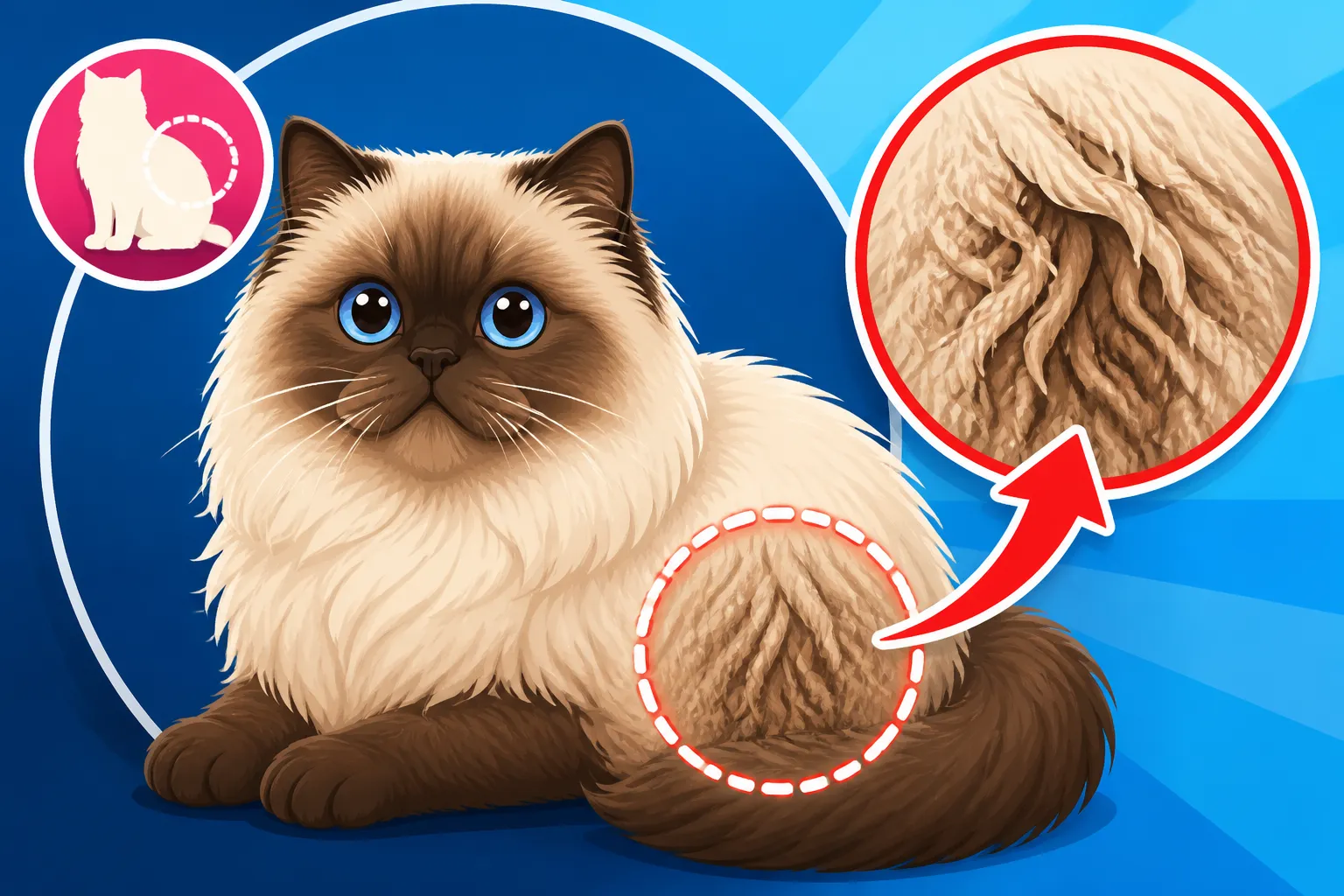
Which Part of a Himalayan’s Persian Coat Mats First
Anyone who has ever lived with a majestic Himalayan cat knows the unique blend of joy and… well, let's just say, challenge that comes with their glorious, flowing coats. It’s absolutely stunning, but that incredible volume and softness don't maintain themselves, and one of the biggest frustrations for Himalayan parents is discovering those dreaded mats. You brush and you comb, you feel like you're doing everything right, and yet, suddenly, there it is – a stubborn clump of fur that seems to have appeared out of nowhere. This guide is here to shed light on precisely where these mischievous mats tend to form first, why they pop up in those particular spots, and what you can do to get ahead of them.
Understanding the Himalayan's Luxurious but Demanding Coat
Let’s be honest, part of the Himalayan's undeniable charm is that incredible, dense coat that makes them look like a regal cloud personified. But that beauty comes with a complex structure that's inherently prone to tangles. Unlike some other long-haired breeds, the Himalayan inherited a significant amount of its coat density and texture from its Persian ancestry, which means a very thick undercoat combined with a longer, finer topcoat. It’s a magnificent combination, but it's also a double-edged sword when it comes to grooming.
The Double-Layered Challenge
Imagine trying to keep two different textures of hair perfectly separated and flowing, all while your cat lives its best, most cat-like life, which often involves napping, stretching, and doing very little to aid your grooming efforts. Himalayans have a soft, woolly undercoat that acts as insulation, and this is the layer that loves to felt and tangle, especially when combined with shedding hairs. Over this is a longer, coarser guard coat that helps protect the undercoat and gives the fur its characteristic plush appearance. When these two layers intertwine, especially with loose hair that hasn't been brushed out, you've got the perfect recipe for a mat. This double-layer system also explains Why a Himalayan Mats Faster Than a Ragdoll's, as Ragdolls, while long-haired, often have a less dense undercoat and a silkier texture that is more forgiving.
The Impact of Everyday Cat Life
Himalayans, as we all know, are not exactly Olympic athletes. They are generally quite placid creatures, content to grace a sofa or a sunny windowsill with their presence. However, even these gentle movements contribute to matting. Every time they stretch, roll, or simply get up from a nap, their fur rubs against surfaces and itself. This constant friction, combined with the natural shedding cycle, causes loose hairs to become entangled within the remaining coat. The longer a loose hair stays in the coat, the more it contributes to mat formation, becoming a nucleus around which other hairs can gather and tighten. Think of it like a tiny snowball effect, starting small and growing into a stubborn, dense clump.
The Usual Suspects: Where Mats Love to Hide
If you're meticulously combing your Himalayan daily, you might feel like you're covering all your bases. But mats have a sneaky way of appearing in specific, high-friction areas that often get overlooked or are just naturally more prone to tangling. These spots are like magnets for mats, and knowing them is half the battle in prevention.
The Armpits and Legs
Oh, the armpits! This is, without a doubt, the number one culprit. Where a Himalayan's First Mat Forms is almost always under their front legs, in the armpit region. Why? Because of constant movement. Every time your Himalayan walks, stretches, or even just shifts position, its front legs rub against its body. This continuous friction, combined with the fine, soft hair in this area, creates an ideal environment for mats to develop. It's often compounded by the fact that many cats dislike having their armpits handled, making it a tricky area to comb thoroughly. The hair here is often softer and finer than on the body, which also makes it more susceptible to knotting. You might run a comb through the glorious mane and tail, feeling confident, only to discover a tight, hard mat hidden deep in an armpit a day later.
Similarly, the inner thighs and the backs of the legs can also be problematic. These areas experience friction from walking and sitting, and the fur can quickly become compressed and tangled.
The "Britches" and Tail Base
Ah, the glorious "britches"! That fluffy expanse of fur around their hindquarters is undeniably adorable, but it's also a hotspot for mats. Combing a Himalayan's Britches Without Turning It Over can be a real art, and it's essential because this area sees a lot of action. When your Himalayan sits, the fur here gets compressed. When they use the litter box, moisture and debris can get caught in the long strands. And, of course, the constant rubbing against surfaces like carpets, cat trees, and your favorite armchair all contribute to mat formation. These mats tend to be wide and flat, hugging the body, and can quickly become uncomfortable if not addressed.
The base of the tail, where it joins the body, is another frequently overlooked spot. It’s an area of high movement and friction, particularly when your cat walks, stretches, or even wags its tail slightly. The hair here is also typically very dense and prone to trapping loose fur.
Behind the Ears and the Ruff
That magnificent ruff, framing their sweet, flat face, is iconic. But the hair directly behind the ears and around the neck, where the ruff begins, is incredibly fine and often gets overlooked during routine grooming. Every time your Himalayan shakes its head, scratches an ear, or just rubs its face against something, these delicate hairs intertwine. The friction from collars, if worn, can also exacerbate matting in this area. These mats tend to start small and tight, feeling like little pebbles embedded in the fur. If left unattended, they can quickly grow into larger, painful plaques that pull at the skin.
This is also an area where the cat themselves might struggle to groom effectively, especially if they have a very full ruff or What a Peke Face Himalayan's Profile Measures, making it even more dependent on human intervention.
Why These Areas Are Mat Magnets
It's not just about the length of the fur; it's a combination of factors that turn these specific regions into mat-forming hotbeds. Understanding the "why" behind the matting can help you adjust your grooming routine and be more strategic in your prevention efforts.
Constant Friction and Compression
Think about it: the armpits are constantly moving, rubbing against the chest and body. The britches are compressed when your cat sits, and the tail base experiences movement with every shift. Hair strands, especially fine undercoat hairs, are essentially tiny fibers. When these fibers repeatedly rub against each other under pressure, they create static electricity and mechanical intertwining, much like how wool sweaters can felt in a washing machine. This process is exacerbated by loose, dead hairs that act as anchors, drawing in more healthy hairs and tightening the knot. Over time, these small tangles become denser, harder mats that are incredibly difficult to comb out.
The warmth generated by the cat's body in these areas can also play a subtle role, as warmth and moisture can sometimes contribute to the tightening of fur.
Moisture Trapping and Debris Accumulation
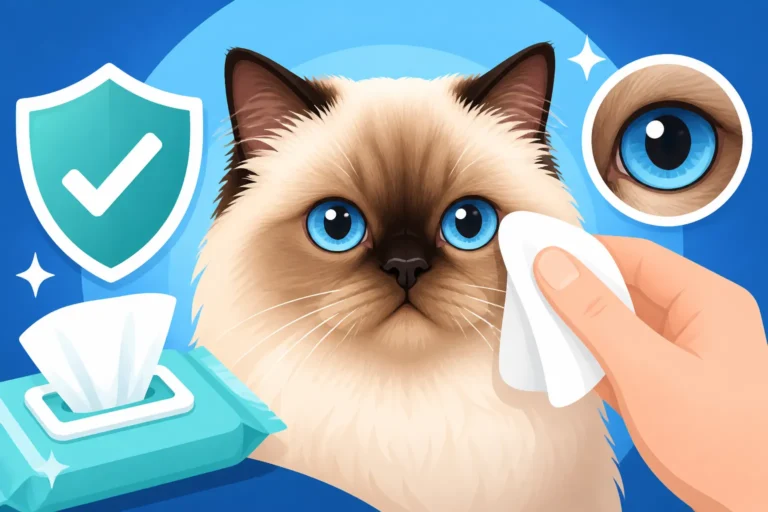
Certain areas are more prone to trapping moisture, which can significantly accelerate mat formation. For example, the fur around the face and under the chin can get damp from drinking water or tear stains, especially for Why a Himalayan's Eyes Water All Day. If this dampness extends to the ruff, it can cause the fine hairs there to clump and mat. Similarly, if a Himalayan isn't meticulously clean after using the litter box, debris can stick to the britches, introducing foreign material that acts as a nucleus for matting.
Even something as simple as sleeping in a damp spot or having a drink of water where their long ruff dangles into the bowl can create localized dampness that, when combined with friction, becomes a mat. What Happens If a Himalayan's Nose Fold Stays Damp is a similar principle, though specific to skin irritation rather than just coat matting.
Difficulty in Self-Grooming
Himalayans, with their distinctive body shape – short, cobby bodies, often flatter faces, and incredibly dense coats – simply aren't as adept at self-grooming as some other breeds. Their short legs and often heavy build can make it hard to reach certain areas, particularly the armpits, lower back, and under their long tails. Their flatter faces can also make it challenging to clean around their mouths and chins effectively, sometimes leading to dampness and food debris getting caught in the ruff.
An older Himalayan, or one that is overweight, will have even more trouble reaching these areas, making them incredibly dependent on your daily grooming routine. Why an Overweight Himalayan Cannot Reach Its Britches is a common and frustrating reality for many owners, leading to mats and discomfort.
Proactive Grooming Strategies for Trouble Spots
Now that we know where and why mats form, it's time to talk about prevention. A proactive approach is key, because once a mat is truly set, it’s much harder and more uncomfortable for your cat to remove. Consistency is far more effective than heroic, infrequent grooming sessions.
The Daily Comb: Your First Line of Defense
Let's be real: the daily comb is not optional for a Himalayan. It's truly The Daily Comb a Himalayan Cannot Skip. And not just a quick surface brush! You need to get down to the skin. A good quality metal comb with both wide and narrow teeth is indispensable. For areas like the armpits and britches, you'll need to gently part the fur and work in small sections, always combing away from the skin. Be incredibly gentle, especially in sensitive areas, and always check for knots.
| Matting Area | Why It Mats First | Prevention Strategy | Key Tool for Area |
|---|---|---|---|
| Armpits | High friction from leg movement, fine hair | Daily, gentle combing in small sections, lift legs carefully. | Fine-toothed metal comb |
| Britches | Sitting compression, litter box debris, friction | Comb through daily, lift tail, trim sanitary area if needed. | Wide-toothed comb, deshedding rake |
| Behind Ears/Ruff | Head movement, fine hair, rubbing | Comb carefully around ears and neck, part the ruff. | Fine-toothed metal comb |
| Tail Base | Tail movement, body friction, dense hair | Comb against growth at the base, work downwards. | Deshedding rake, wide comb |
| Collar Area | Friction from collar (if worn) | Choose flat, soft collars; check daily; consider harness instead. | N/A (avoid collar mats) |
For finding the right tools, retailers like Chewy often have a wide selection of specialized grooming combs and brushes designed for long-haired breeds, making it easy to equip yourself with the best arsenal. Remember, consistency is king. Why a Missed Day Costs a Himalayan a Mat isn't an exaggeration – a single skipped day can quickly turn small tangles into formidable mats, especially in those high-friction zones.
Targeted Combing Techniques
When you're combing, don't just skim the surface. This is a common mistake that leaves the undercoat untouched and prone to matting. You need to "line comb." This involves parting the fur in small sections and combing from the skin outwards. For the armpits, gently lift your cat’s leg and comb the fur downwards, away from the joint. For the britches, lift the tail and comb the fur downwards and outwards. Take your time, and if you encounter a snag, don’t pull. Instead, hold the fur closer to the skin to minimize tugging and gently work the comb through the tangle.
A "pin brush" can be good for general fluffing, but it won't get through the undercoat effectively. For serious mat prevention, a good quality metal comb is what you need. Which Steel Comb a Himalayan's Coat Needs is often one with varying tooth widths, allowing you to tackle different parts of the coat effectively.
Maintaining Cleanliness and Hydration
While not a direct grooming step, proper nutrition and environmental cleanliness play a huge supporting role. A diet rich in Omega-3 and Omega-6 fatty acids can contribute to healthier skin and a silkier coat that is less prone to matting. Ensure your Himalayan has easy access to fresh water, as good hydration contributes to skin and coat health.
Also, keeping their litter box immaculate is crucial, especially for preventing mats in the britches. Use low-dust, soft litter that won't cling to their long fur. Consider having a mat near the litter box to help catch any stray particles before they get tracked into the fur. Regularly trimming the sanitary area around their hindquarters can also be immensely helpful in keeping the britches clean and mat-free.
When Prevention Fails: Dealing with Existing Mats
Despite your best efforts, sometimes a mat still manages to sneak in. Finding one can be disheartening, but it's important to deal with it promptly and, most importantly, safely. Trying to yank a mat out can be incredibly painful for your cat and damage their skin.
Gentle Dematting at Home
If you find a small, loose mat, you can often work it out with patience. First, protect your cat's skin by holding the fur between the mat and the skin. Use your fingers to gently try and tease apart the mat from the edges. Once it's loosened a bit, use a wide-toothed comb or a specialized dematting tool, working slowly from the outer edge of the mat inwards. Always comb away from the skin, not towards it. If the mat is tight and doesn't budge easily, do not force it. Remember, your cat's comfort and trust are paramount. A small, dull mat breaker can sometimes be used to carefully slice through the mat, breaking it into smaller, more manageable sections, but this requires extreme caution to avoid cutting the skin.
It's vital to never use scissors with pointed tips to cut out a mat unless you are absolutely certain of what you are doing. A Himalayan's skin is very thin and loose, making it incredibly easy to accidentally cut them, even if you think you're being careful. How Many Minutes a Day a Persian Coat Takes on a Himalayan is a time investment, but it's far less than dealing with a vet visit for a skin laceration.
Knowing When to Call a Professional
There are times when a mat is simply too big, too tight, or too close to the skin for you to handle safely at home. If you encounter a mat that feels rock-hard, is pulling at the skin, or causes your cat pain when you touch it, it's time to call a professional groomer or your veterinarian. They have the right tools, experience, and sometimes even the option of light sedation, to remove mats safely and with minimal stress to your cat. Why a Neglected Himalayan Ends Up Sedated for Clipping is a reality, and while it sounds extreme, it's often the kindest and safest option for severely matted cats, ensuring no injury and minimizing trauma.
Don't feel guilty if you need professional help; it means you're prioritizing your cat's well-being over your own pride. A matted coat isn't just unsightly; it can be incredibly painful, restrict movement, and even lead to skin infections underneath.
Long-Term Coat Health and Professional Help
Managing a Himalayan's coat is a lifelong commitment, but it doesn't have to be a constant battle. By implementing consistent routines and knowing when to seek expert help, you can keep your feline friend comfortable and their coat glorious.
Establishing a Grooming Routine from Kittenhood
The best way to prevent matting issues is to start early. Get your Himalayan kitten accustomed to being handled and combed from a very young age. Short, positive grooming sessions with plenty of treats and praise can build a lifetime of acceptance. Focus on those "trouble spots" early, so your kitten associates them with gentle handling rather than discomfort. This early training makes a world of difference as they grow into their full adult coat. Getting a Himalayan Kitten Used to the Comb is probably one of the most important things you can do for their long-term welfare.
The Role of Regular Professional Grooming
Even with diligent at-home care, many Himalayan owners find immense value in scheduling regular professional grooming appointments. A groomer can not only tackle any stubborn mats that might form but also give your cat a thorough bath (which helps remove dead undercoat), a sanitary trim, and a full comb-out using professional tools and techniques. They can reach areas you might miss and ensure the coat stays in top condition. How often depends on your cat's individual coat, lifestyle, and your ability to keep up with daily care, but quarterly visits are a good starting point for many.
For specific grooming supplies, beyond traditional pet stores, online retailers like Amazon offer a vast array of specialized combs, dematting tools, and even pet-safe clippers for those who feel confident enough for small trims.
Monitoring for Underlying Health Issues
Sometimes, a sudden increase in matting, especially in an area that wasn't previously problematic, can be a subtle sign of an underlying health issue. Pain, arthritis, or dental problems can make it difficult for your cat to groom itself effectively. If you notice a significant change in your Himalayan's coat quality or grooming habits, consult your veterinarian. They can rule out any medical reasons for the matting and ensure your cat is comfortable and healthy. How Often a Tested Himalayan Still Needs Checking will become more frequent as they age, especially with their unique health considerations like PKD. Keeping up with vet check-ups is just as important for coat health as it is for general well-being.
Disclaimer
This article is for general informational purposes only and does not constitute professional advice. Laws, prices and regulations vary by location and change over time. Consult a qualified professional for guidance on your specific situation.