Why a Himalayan Cannot Be Left a Week
The thought of leaving your beloved Himalayan alone for a week might cross your mind, especially if you have an otherwise independent cat, but for these magnificent, high-maintenance felines, it’s a recipe for disaster. Unlike many other breeds that can tolerate a few days with an automated feeder, a Himalayan’s specific physical and emotional needs mean that even a couple of days can lead to significant issues, let alone a full week. This guide will meticulously break down why extended periods of absence are simply not feasible for a Himalayan, covering everything from their luxurious coats to their delicate respiratory systems and deep-seated need for routine.
The Himalayan Coat: A Daily Commitment, Not a Weekly Task
The most striking feature of a Himalayan, their long, flowing Persian-derived coat, is also its greatest vulnerability when care is neglected. This isn't just about aesthetics; it's about fundamental health and comfort. A week without human intervention can transform a glorious coat into a painful, matted mess, leading to far more serious problems than just a bad hair day.
The Double Coat and Matting Risk
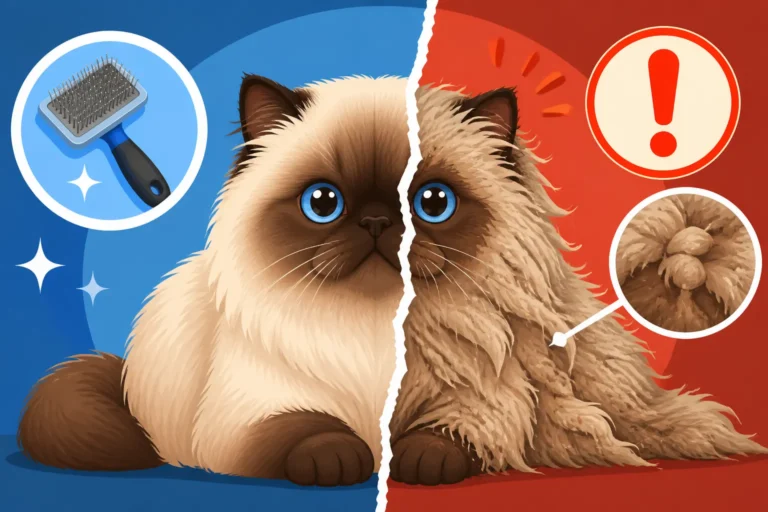
Himalayans possess a dense double coat, consisting of a fine, woolly undercoat and longer, coarser guard hairs. This combination, while beautiful, is a magnet for tangles and mats. The undercoat sheds constantly, and without daily brushing, it quickly binds with the guard hairs, forming tight knots that pull at the skin. Think of trying to untangle a ball of yarn that's been thrown into a tumble dryer – it’s a similar, painful situation for your cat.
Even a single day missed can start the process, and by day three, significant matting can occur, especially in high-friction areas like behind the ears, under the armpits, on the belly, and in the britches. These mats don't just sit on the surface; they tighten and pull, restricting movement and causing immense discomfort. Imagine having your hair constantly tugged on for days on end. Your Himalayan feels this pain with every step. Neglecting this for a week means the mats become felted, hard masses that are nearly impossible to remove without professional intervention, often requiring sedation and a full shave down by a veterinarian or professional groomer. This is why Why a Missed Day Costs a Himalayan a Mat is such a critical consideration for any owner. The problem isn't just that mats exist; it's how quickly they escalate and how deeply they impact the cat's well-being.
Beyond Mats: Skin Health and Hidden Issues
Beyond the physical discomfort, matted fur creates a breeding ground for skin problems. The dense, compacted mats trap moisture, dirt, and debris against the skin, creating an environment ripe for bacterial and fungal infections. The skin underneath can become irritated, red, and inflamed, leading to hot spots that are incredibly itchy and painful. The cat will then try to lick or chew at these spots, often making the problem worse and introducing more bacteria.
Furthermore, mats can hide injuries, parasites, or other skin conditions that would normally be visible during daily grooming. A small cut, a flea infestation, or even a tick could go unnoticed for days, festering and potentially leading to more severe health complications. The thick coat also makes it difficult for air to circulate, exacerbating skin issues and preventing the skin from breathing properly. When you combine the physical pain of mats with potential skin infections, a cat left for a week could be suffering immensely and require urgent veterinary care upon your return, adding stress and significant cost to your pet ownership journey. The simple truth is that The Daily Comb a Himalayan Cannot Skip isn't just a suggestion; it's a preventative health measure.
Facial Care: More Than Just a Pretty Face
The Himalayan's distinctive, flattened face, a charming characteristic, comes with its own set of daily care requirements that simply cannot be ignored for a week. These needs stem directly from their brachycephalic (flat-faced) structure and are crucial for preventing infections and maintaining comfort.
Tear Stains and Skin Folds
Due to their unique facial structure, Himalayans often have shallow eye orbits and tear ducts that don't drain properly. This leads to a constant flow of tears that spill onto their fur, creating tear tracks. These tracks, especially on lighter-colored Himalayans, can quickly become discolored and, more importantly, can lead to dampness and irritation in the delicate skin around their eyes and in their facial folds.
If left uncleaned for a week, this dampness becomes a perfect breeding ground for yeast and bacterial infections. The skin in the folds can become red, raw, and even ulcerated, leading to a condition known as facial fold dermatitis. This is incredibly painful and uncomfortable for the cat and produces a foul odor. Owners often find themselves wondering Why a Himalayan's Face Must Be Wiped Every Day, but the answer is clear: it's to prevent these painful and potentially serious infections from taking hold. Regular, gentle cleaning with a soft, damp cloth or pet-specific wipes is essential. Without it, the risk of infection dramatically increases.
Eye Health: Protecting Those Vulnerable Blue Eyes
Beyond tear staining, a Himalayan's prominent, round blue eyes are more exposed to the environment than those of other breeds. This increased exposure makes them more susceptible to dust, debris, and irritation. When left alone for a week, any minor irritation can escalate into a serious problem without immediate attention.
Foreign objects, even a tiny piece of stray fur from their own coat, can cause corneal abrasions or ulcers, which are excruciatingly painful and can lead to permanent vision damage if not treated promptly. Daily checks and gentle wiping, as part of The Morning Face Routine Every Himalayan Needs, allow owners to catch these issues early. Without this regular inspection, an eye injury could go unnoticed, leading to complications like severe inflammation, secondary infections, or even vision loss. The unique structure of their eyes, combined with the constant moisture from tears, necessitates a watchful eye and consistent care that a week of absence simply cannot provide.
Breathing and Temperature Regulation: Constant Vigilance
The Himalayan's brachycephalic (flat-faced) structure doesn't just affect their eyes and face; it profoundly impacts their respiratory system. This makes them inherently vulnerable to overheating and respiratory distress, requiring careful monitoring that cannot be sustained when left alone for an extended period.
Overheating Risks
One of the most critical aspects of caring for a flat-faced cat like the Himalayan is managing their body temperature. Their shortened muzzles mean they have less surface area in their nasal passages to cool inhaled air, making them far less efficient at regulating their body temperature than long-nosed cats. This means they are highly susceptible to overheating, even in moderately warm conditions.
Imagine a warm week at home. Even with air conditioning set, a power outage, a malfunctioning unit, or simply a particularly hot spell could become life-threatening for a Himalayan left alone. They cannot effectively pant to cool themselves down like a dog, and their thick double coat acts as an insulator, trapping heat. A cat left unsupervised for a week in such conditions is at extreme risk of heatstroke, which can cause organ damage, brain damage, and even death. This is precisely Why a Himalayan Overheats Twice as Fast as a Siamese, and why leaving them unattended for days is a grave risk. They need a stable, cool environment and the ability for a human to intervene if they show signs of distress.
Airway Management
The flattened facial structure leads to a condition called Brachycephalic Airway Syndrome (BAS), which can involve narrowed nostrils, an elongated soft palate, and an everted laryngeal saccules. These anatomical peculiarities obstruct their airway, making breathing more strenuous even at rest. During periods of stress, excitement, or heat, their breathing can become labored, leading to open-mouth breathing or excessive panting, which are red flags indicating respiratory distress.
A Himalayan struggling to breathe needs immediate attention. They might require a cooler environment, calming reassurance, or in severe cases, veterinary intervention to stabilize their breathing. If a cat experiences a respiratory crisis while alone for a week, there is no one there to notice the subtle signs, provide comfort, or seek emergency help. The danger is not just overheating, but any situation that might exacerbate their already compromised airway, from a burst of play to a moment of anxiety. Without someone present, a Himalayan can quickly decline from a manageable struggle to a life-threatening emergency, because Why a Himalayan Cannot Cool Itself by Panting is a fundamental physiological limitation.
Nutrition and Hydration: Specialized Needs
Proper feeding and hydration are critical for any cat, but for Himalayans, their unique facial structure and potential predisposition to certain health issues make these daily tasks require careful consideration. Leaving them alone for a week risks inadequate intake and potential health complications.
Eating Habits
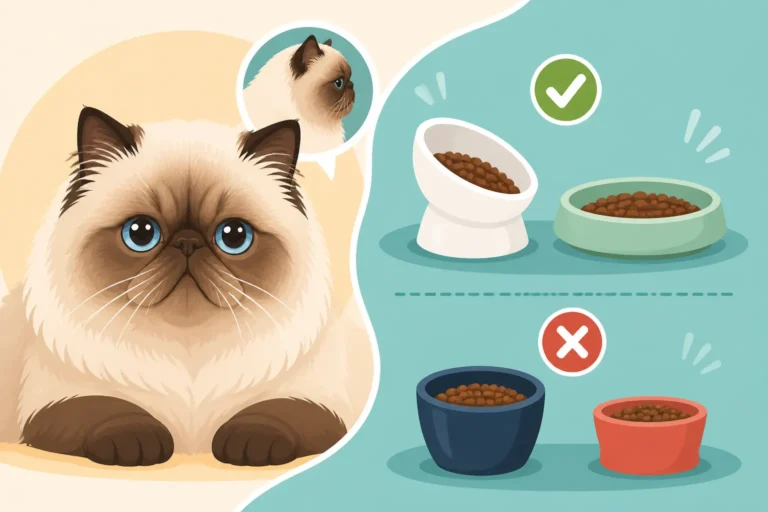
The flat face of a Himalayan makes eating from conventional bowls a challenge. Their short snouts can make it difficult to scoop up food, especially kibble, from deep or narrow bowls. They often end up pushing food around with their nose, getting it on their face, or using a paw to scoop it out. This inefficiency can lead to under-eating if the food isn't accessible, or messy eating that exacerbates facial staining and skin fold issues if left uncleaned.
If a Himalayan is left alone for a week with an automated feeder, there are several concerns. Firstly, many automated feeders dispense food into standard bowls which may not be suitable. Secondly, if the cat is struggling to eat effectively, they might not consume enough calories or nutrients. Thirdly, wet food, often preferred or necessary for some Himalayans, cannot be left out for days without spoiling. A week without proper food access, or with only dry food that might be harder to eat, can lead to weight loss, nutritional deficiencies, and discomfort. Specialized shallow, wide bowls, or even tilted dishes, are often necessary, as discussed in Which Bowl Shape a Flat Faced Himalayan Can Use, and these considerations are often overlooked when simply setting up an auto-feeder.
Hydration for Health
Hydration is paramount for all cats, but especially for Himalayans, who may be genetically predisposed to Polycystic Kidney Disease (PKD) from their Persian lineage. Adequate water intake helps support kidney function and overall health. A week alone means relying on static water bowls, which can quickly become dirty or even run dry, especially in warmer climates or if the cat is an enthusiastic drinker.
While a water fountain might seem like a solution, it too can run out, become clogged, or attract debris. More importantly, some Himalayans find certain fountain designs difficult to drink from due to their flat faces. Without fresh, accessible water, a cat can quickly become dehydrated, leading to serious health problems including urinary tract infections, kidney strain, and electrolyte imbalances. If a Himalayan with even early kidney issues goes without sufficient hydration for a week, it could precipitate a crisis. Monitoring water intake and ensuring freshness are daily tasks that cannot be neglected for such a long period.
Litter Box Hygiene: A Hidden Danger for Long Coats
While often overlooked in discussions about leaving a cat alone, the state of the litter box is critically important for a Himalayan, particularly due to their long, flowing coat. A week of neglect can turn this essential amenity into a health hazard.
Coat Contamination
Himalayans have lush, long coats, especially around their hindquarters, known as "britches." This beautiful fur is incredibly prone to picking up litter, urine, and fecal matter from a dirty litter box. If the box isn't scooped daily, or ideally twice daily, waste accumulates. When the cat steps in or squats over a soiled area, bits of litter, moist urine, or even soft stool can cling to their long fur.
Left for a week, this contamination becomes severe. Dried urine and feces can become matted into the fur, forming painful, unsanitary clumps that pull at the skin. Not only is this uncomfortable and smelly for the cat, but it also creates a direct pathway for bacteria to enter the skin, potentially leading to painful skin infections, urinary tract infections, or even gastrointestinal issues if the cat tries to groom itself and ingests the contaminated fur. As explored in Why Litter Ends Up in a Himalayan's Britches, this is a constant battle for owners, and a week of neglect guarantees a messy, painful outcome that will require immediate cleaning and potentially veterinary care upon your return.
Behavioral Impact
Beyond the physical health risks, a dirty litter box has a significant negative impact on a cat's emotional well-being and behavior. Cats are fastidiously clean animals, and a soiled litter box is a major source of stress and anxiety for them. If a Himalayan finds its primary litter box too dirty to use, it may resort to eliminating outside the box, choosing cleaner, albeit inappropriate, spots around the house.
This behavioral change, while frustrating for owners, is a direct result of neglect and the cat's innate need for cleanliness. A week without a clean litter box will almost certainly lead to inappropriate elimination, potentially ruining carpets or furniture. Furthermore, the stress of an unsanitary environment can lead to other behavioral issues, such as anxiety, over-grooming in other areas, or hiding. Ensuring a clean litter box is not just about keeping the house tidy; it's about respecting your cat's natural instincts and providing a hygienic environment that supports both their physical and mental health.
Emotional Well-being: The Himalayan's Routine
Beyond the physical needs, Himalayans are creatures of habit who thrive on routine and companionship. A week-long absence can severely disrupt their emotional well-being, leading to stress, anxiety, and even physical manifestations of unhappiness.
The Comfort of Routine
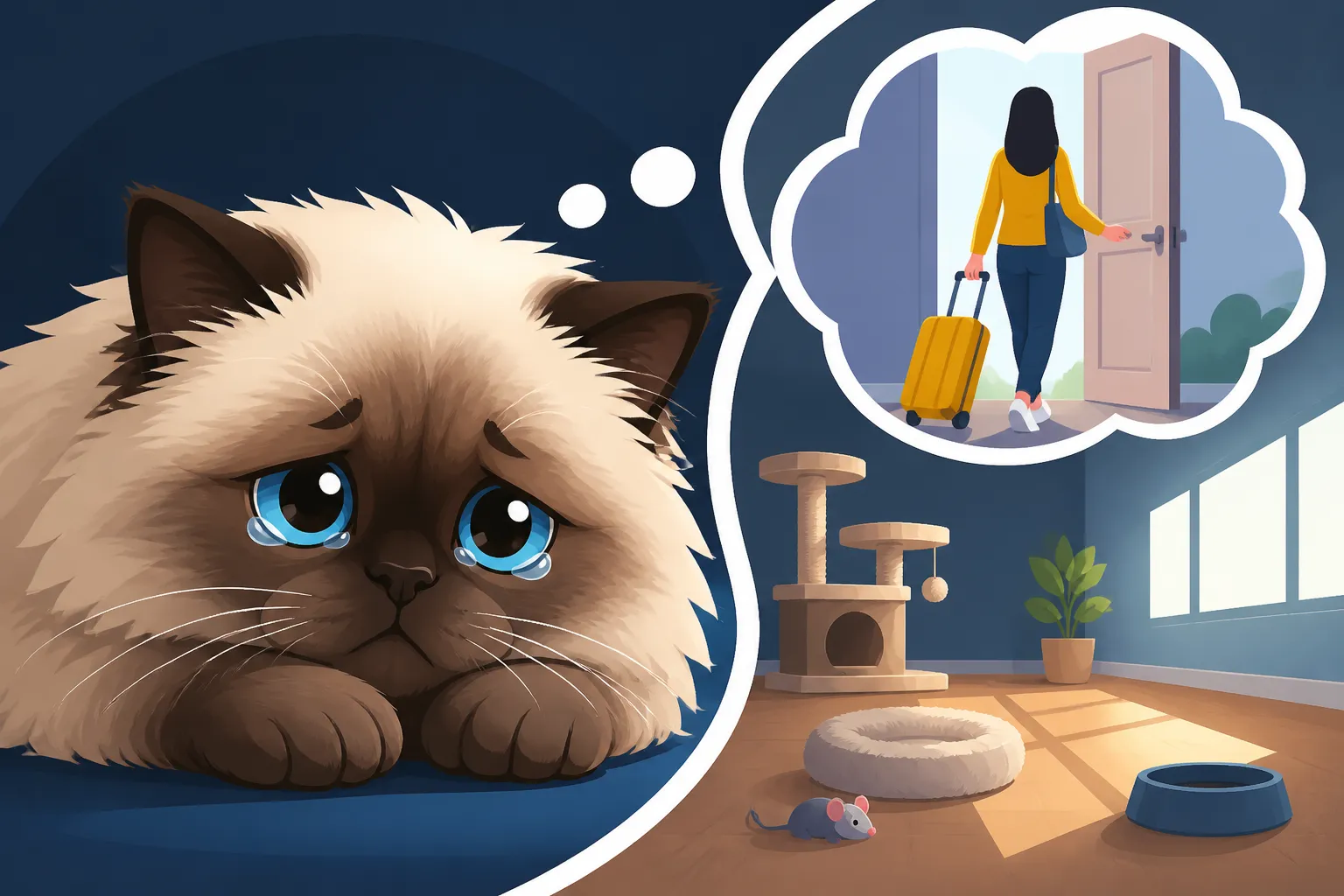
Himalayans, like many cats, are deeply comforted by a predictable routine. They know when their meals are served, when their human is usually around, and when their daily grooming sessions occur. This predictability provides a sense of security and control in their world. When this routine is abruptly broken by a week of absence, their world can feel thrown into chaos.
They might become anxious, confused, or depressed. They may vocalize more, stop eating, or hide. A lack of human interaction, especially for a breed that often forms strong bonds with its caregivers, can be deeply unsettling. Imagine waking up every day for a week, expecting your regular morning cuddles, your breakfast, and your brushing, only to find silence and an empty house. This emotional impact can be profound and may take days or even weeks for your Himalayan to recover from upon your return. This deep reliance on predictability is why How a Himalayan Reacts When Its Routine Breaks is a significant factor in their care.
Social Interaction
While often seen as calm and independent lap cats, Himalayans do appreciate and benefit from social interaction. They might not be as boisterous as a Siamese, but they enjoy quiet companionship, a gentle pat, or simply lounging in the same room as their human. They are affectionately known for being The Himalayan Is a Lap Cat That Answers Back, indicating their capacity for connection and communication.
A week without this interaction can lead to loneliness and boredom. Even with toys and environmental enrichment, the absence of human presence can be keenly felt. Some Himalayans might become lethargic, while others might act out in subtle ways, such as refusing food from an automated feeder because their human isn't there to present it. While a cat sitter can mitigate some of these issues by providing daily visits, even that is a different dynamic than the constant presence of their primary caregiver. The long period of absence and the disruption of their usual interactions can leave a Himalayan feeling abandoned and stressed, emphasizing why continuous presence or very regular check-ins are vital for their well-being.
Summary of Himalayan Care Needs vs. Weekly Absence
To highlight the contrast, let's look at the essential daily care needs of a Himalayan compared to what happens when they are left alone for a week.
| Care Aspect | Daily Requirement for a Himalayan | Consequences of a Week-Long Absence |
|---|---|---|
| Coat Grooming | Daily thorough combing, especially of undercoat, britches, and armpits. | Severe, painful matting that pulls at the skin, leading to restricted movement, skin infections, and requiring professional shaving. |
| Facial Cleaning | Daily wiping of tear tracks and folds to prevent dampness, staining, and bacterial/yeast infections. | Facial fold dermatitis, painful skin ulcerations, foul odor, and potential eye infections. |
| Eye Inspection | Daily check for irritation, foreign objects, and excessive tearing. | Unnoticed corneal abrasions or ulcers, secondary infections, and potential vision impairment. |
| Breathing/Cooling | Constant access to a cool environment, monitoring for signs of respiratory distress/overheating. | High risk of heatstroke, severe respiratory crisis, organ damage, and potential death due to compromised airways. |
| Nutrition | Accessible food in suitable bowls, fresh wet/dry food, monitoring intake. | Inadequate food intake due to difficult bowl access, spoiled wet food, weight loss, and nutritional deficiencies. |
| Hydration | Constant access to fresh, clean water; monitoring water consumption. | Dehydration, risk of urinary tract infections, exacerbated kidney issues, and potential kidney failure. |
| Litter Box | Scooping at least once daily (ideally twice) to maintain cleanliness. | Severely soiled britches, painful mats with urine/feces, skin infections, and inappropriate elimination around the house. |
| Emotional Needs | Consistent routine, social interaction, comfort of human presence. | Stress, anxiety, depression, behavioral changes (hiding, vocalizing), and a prolonged recovery period upon return. |
You can find suitable shallow bowls, quality grooming tools, and cat-specific wipes easily on platforms like Chewy or Amazon, making daily care more manageable. For specialized diets or health-related foods, consult your vet, but remember, these still require human oversight for daily serving and freshness.
The Alternative: Ensuring Your Himalayan's Well-being
Given the extensive daily needs of a Himalayan, leaving them alone for a week is genuinely not an option if you prioritize their health and happiness. So, what are the alternatives?
Reliable Cat Sitter or Pet Boarding
The most responsible choice is to arrange for daily, in-home care from a professional cat sitter. A good cat sitter will not only feed your Himalayan but will also perform the crucial daily grooming, face wiping, litter box cleaning, and monitoring for any signs of distress. They can ensure fresh water is always available and provide that much-needed human interaction. Look for sitters with experience with long-haired breeds or even specifically Himalayans. Asking for references and ensuring they understand the unique needs of a brachycephalic cat is paramount.
Another option is a high-quality pet boarding facility that specializes in cats, particularly those with special needs. These facilities often have climate-controlled environments and staff trained in handling long-haired and flat-faced breeds. However, boarding can be stressful for some cats due to the change in environment and the presence of other animals. If considering boarding, choose a place that offers individual cat condos, daily one-on-one attention, and can accommodate their specific grooming and feeding requirements. Always do a trial run for a night or two before a long trip to see how your Himalayan adapts. Understanding How Long a Himalayan Takes to Accept a New House can help you prepare for this transition.
Enlisting Trustworthy Family or Friends
If you have a trusted friend or family member who genuinely understands the commitment required for a Himalayan, they might be an option. However, it's crucial that they are fully briefed on all aspects of care, not just feeding. Provide detailed instructions on grooming techniques, the facial routine, how to recognize signs of overheating or respiratory distress, and emergency contact information for your veterinarian. A simple "stop by to feed the cat" is absolutely insufficient for a Himalayan. They need someone who is committed to a daily, hands-on care regimen, mirroring what you would do yourself.
The key takeaway is that Himalayans are not low-maintenance pets. Their exquisite beauty comes with a responsibility for daily, diligent care. A week-long absence without comprehensive, professional-level care is not just inconvenient; it can be detrimental to their health and happiness. Prioritizing their unique needs will ensure your fluffy companion remains a healthy, content member of your family for years to come.
Disclaimer
This article is for general informational purposes only and does not constitute professional advice. Laws, prices and regulations vary by location and change over time. Consult a qualified professional for guidance on your specific situation.