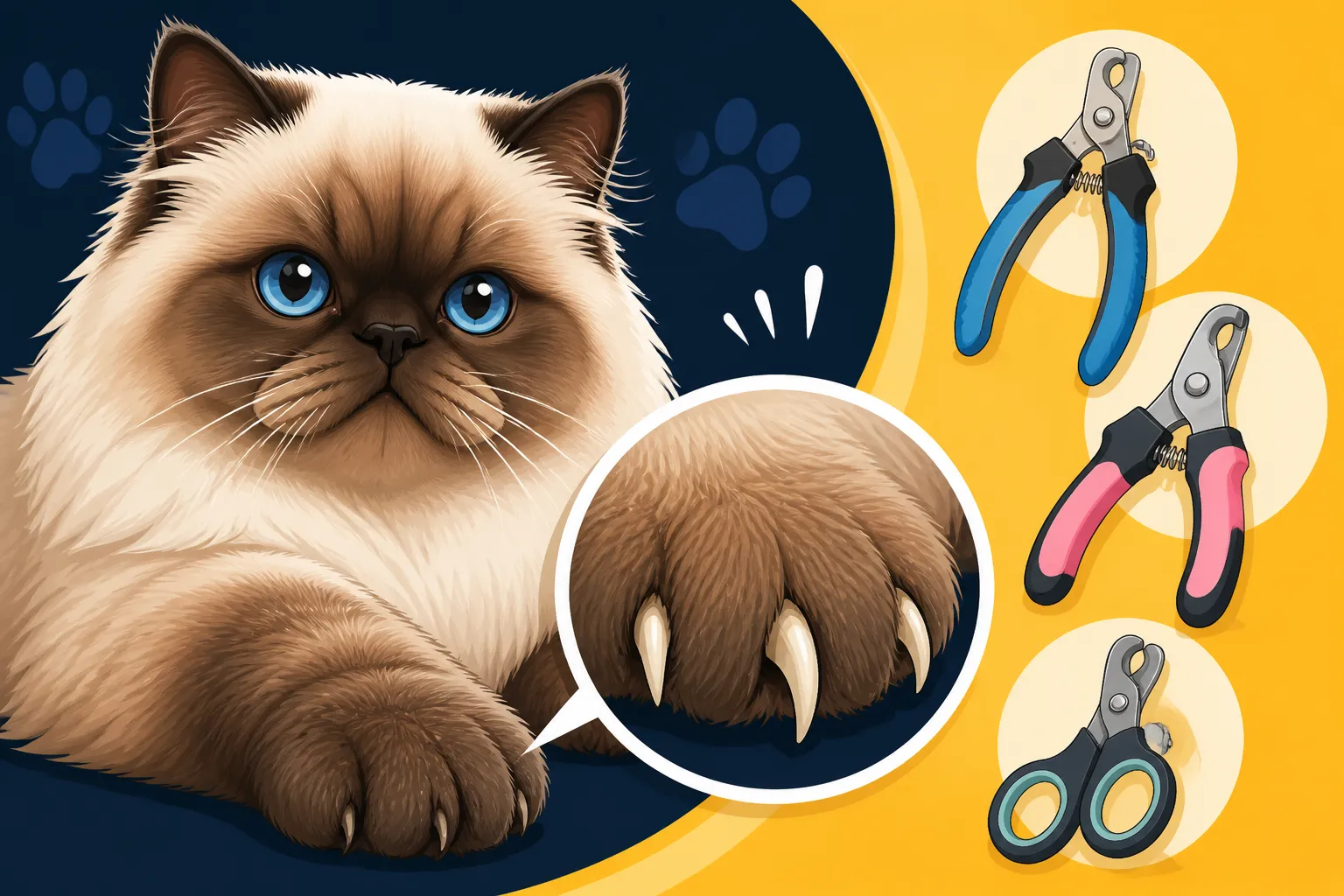
Which Clippers Suit a Himalayan’s Heavy Persian Claw
It's a common frustration, isn't it? You love your Himalayan's regal appearance and calm demeanor, but when it comes to claw trimming, suddenly that gentle giant becomes a wriggling, unhappy fluffball. Those beautiful, soft paws hide surprisingly thick, strong claws that can be a real challenge to maintain, especially when your cat isn't exactly thrilled with the idea of a pedicure. This guide is here to walk you through everything you need to know to choose the right tools and master the art of trimming your Himalayan's heavy Persian claws with confidence and, dare I say, even a little peace.
Understanding Your Himalayan's Unique Claws
Before we dive into the world of clippers, it's really helpful to understand what makes a Himalayan's claws a bit different, and why they often need more attention than you might expect from such a laid-back cat.
The Anatomy of a Himalayan Claw
At first glance, a cat's claw seems pretty straightforward, right? A sharp point and that's it. But there's more to it, especially with a Himalayan. Their claws, much like those of their Persian ancestors, tend to be quite robust and thick. Each claw consists of a hard, keratinized outer sheath and an inner core called the "quick." The quick contains blood vessels and nerves, which is why cutting into it is painful and can cause bleeding – something we all desperately want to avoid.
Because Himalayans are typically indoor cats and not nearly as active as, say, a Siamese who might scale curtains, they don't get the same natural wear and tear on their claws. Think about it: a less active cat means less scratching on rough surfaces, less natural shedding of the outer claw layers, and ultimately, longer, thicker claws that can become quite formidable if left untrimmed. This lack of natural attrition means you, the dedicated owner, become the primary nail care provider.
Why Regular Trimming is Absolutely Crucial
You might think, "Oh, a few extra days won't hurt," but with a Himalayan, regular claw trimming isn't just about aesthetics; it's vital for their comfort and health. Untrimmed claws can cause a whole host of problems. Firstly, those long, sharp points can easily get snagged on carpets, furniture, or even their own luxurious coat. A snagged claw can lead to a painful tear or even rip right out of the paw.
Beyond that, excessively long claws can curve back into the paw pads, causing painful punctures and infections. Imagine trying to walk with a pebble permanently jammed in your shoe – that's how it can feel for your Himalayan. This is particularly true for their dewclaws, which don't touch the ground and therefore don't experience any natural wear at all. These hidden claws can grow into a full circle and embed themselves in the flesh if not regularly checked.
Furthermore, long claws can affect their posture and gait. When their claws are too long, they can't fully retract them, forcing them to walk on their toes in an unnatural way. This can lead to discomfort, joint issues over time, and even make them hesitant to use their scratching posts properly. It also exacerbates the risk of matting, as long claws can catch loose fur and pull it into tight, painful knots, especially in the fine hair around their toes. Remember, a less active cat still needs its claws maintained. This is something we also cover when discussing Trimming a Himalayan's Claws When It Rarely Uses a Post. It's about proactive care, not just reactive fixes.
Navigating the World of Claw Clippers
Now that we know why trimming is so important, let's talk about the tools of the trade. The market is flooded with various types of clippers, and choosing the right one for your Himalayan's heavy claws can feel overwhelming. Let's break down the most common types and their suitability.
Scissor-Style Clippers: Precision and Control
Scissor-style clippers, sometimes called "pliers-style," are perhaps the most common and often recommended for cat owners. They resemble small scissors with curved blades designed to fit the natural curve of a cat's claw.
- Pros:
- Excellent Control: The scissor action gives you a good feel for the claw, allowing for precise cuts. This is fantastic for beginners or those with a slightly nervous cat, as you can take your time and make small snips.
- Clear View: You generally have a clear view of the claw as you cut, which helps immensely in avoiding the quick.
- Versatility: Many models come in different sizes, so you can find one that fits your hand comfortably and is robust enough for those thicker Himalayan claws.
- Cons:
- Can Be Bulky: Some heavier-duty scissor-style clippers can feel a bit bulky in smaller hands, making precise angles trickier.
- Requires Sharpness: Like any blade, if they aren't sharp, they can crush or split the claw rather than making a clean cut, which is uncomfortable for your cat.
- Hand Strength: For very thick claws, you might need a fair bit of hand strength to make a quick, clean cut.
When looking at brands on a site like Chewy or Amazon, you'll find a wide range. Focus on those that boast sharp, stainless steel blades and comfortable, ergonomic handles. Brands like Safari Professional or Millers Forge often get good reviews for their durability and sharpness.
Guillotine-Style Clippers: Speed and Efficiency (with Caution!)
Guillotine clippers work by having a small hole through which you insert the cat's claw. When you squeeze the handles, a blade slides across, cleanly severing the tip.
- Pros:
- Quick and Clean Cut: When used correctly, these clippers can make a very fast, clean cut, which is ideal if your Himalayan has limited patience for the process.
- Less Effort: They often require less squeezing effort for very thick claws compared to some scissor-style clippers, due to their mechanical advantage.
- Cons:
- Less Control for Beginners: It can be harder to judge the exact cutting point and see the quick, especially if you're not used to them. Inserting the claw too far can easily lead to cutting the quick.
- Risk of Crushing: If the blade isn't perfectly sharp, or if the mechanism isn't maintained, there's a higher risk of crushing the claw, which is painful and can damage the nail bed.
- Not for All Claws: They are generally not recommended for extremely thick or unusually shaped claws, as the opening might not accommodate them well.
Many experienced groomers swear by guillotine clippers for their speed, but for the average home owner with a Himalayan's sturdy claws, the learning curve can be steep. If you choose this style, invest in a high-quality model and practice on something like uncooked spaghetti before approaching your cat.
Grinders or Dremels: The Gentle Touch (with a Catch)
Electric grinders, often referred to as Dremels (a popular brand name for rotary tools), use a rotating abrasive stone or band to file down the claw.
- Pros:
- Smooth Finish: Grinders create a very smooth, blunt edge, which is lovely for preventing snags and scratches.
- Less Risk of Quicking: Because you're taking off small amounts at a time, it's much harder to accidentally cut into the quick. You can easily see the quick recede as you file.
- No Crushing: There's no crushing action, making it potentially more comfortable for cats with sensitive claws.
- Cons:
- Noise and Vibration: This is the big one for many cats, especially those sensitive to sound. The whirring noise and the slight vibration can be very unsettling for a Himalayan, making the process stressful.
- Takes Longer: Grinding takes significantly more time per claw than clipping, which means longer sessions and more patience required from both you and your cat.
- Requires Conditioning: Most cats need to be gradually introduced and conditioned to the sound and sensation of a grinder.
- Heat Build-up: You need to be careful not to hold the grinder on one claw for too long, as the friction can generate heat, causing discomfort.
For Himalayans, whose docile nature often means they can be conditioned to things, a grinder could be a good option if you start early and introduce it slowly. However, their generally calm temperament doesn't mean they'll universally love the noise. If you go this route, look for quiet, cordless models specifically designed for pets, which you can also find on Amazon.
Here's a quick comparison to help you weigh your options:
| Clipper Type | Pros | Cons | Best For |
|---|---|---|---|
| Scissor-Style | Excellent control, clear view, versatile. | Can be bulky, requires sharpness, needs hand strength. | Beginners, precise cuts, nervous cats. |
| Guillotine-Style | Quick, clean cut, less effort. | Less control, risk of crushing, not for all claw shapes. | Experienced users, fast sessions. |
| Grinders/Dremels | Smooth finish, less risk of quicking. | Noise, vibration, time-consuming, requires conditioning. | Desensitized cats, preventing snags, avoiding quick. |
Key Considerations When Choosing Your Clippers
Choosing the right clipper isn't just about the type; it's also about specific features that make the job easier, safer, and more comfortable for both you and your beloved Himalayan.
Size, Sharpness, and Durability
For a Himalayan's robust claws, the size and sharpness of the clipper blades are paramount. Flimsy, dull clippers are your worst enemy. They'll just bend and splinter the claw, causing pain and making your cat associate nail trims with discomfort.
- Sharp Blades are Non-Negotiable: Look for clippers made with high-quality, sharp stainless steel blades. They should be able to cut cleanly through a piece of paper. A clean cut is quick, painless, and prevents future splitting or jagged edges that can catch on things. Dull blades are a common reason cats hate nail trims – the sensation is akin to having a dull pair of scissors used on your own nails.
- Appropriate Size: While cat clippers are generally smaller than dog clippers, ensure the size of the blade opening can comfortably accommodate your Himalayan's thicker claws without forcing them. Too small, and you risk a partial cut.
- Durability: You want clippers that will last. Investing a little more in a well-made, durable pair will save you money and frustration in the long run. Cheap clippers dull quickly and break easily.
Ergonomics and Safety Features
Trimming claws often means holding a squirming cat while trying to manipulate a small, sharp tool. Your comfort and the cat's safety are equally important.
- Comfortable Grip: Look for clippers with ergonomic, non-slip handles. Your hands might get sweaty, or your cat might twitch, so a secure grip is essential for preventing accidents. Rubberized handles are a great feature.
- Safety Guard (for some models): Some scissor or guillotine clippers come with a small safety guard that prevents you from cutting too much of the claw at once. While this can be helpful for beginners, remember that the quick length varies between claws and cats. Don't rely solely on the guard; always visually inspect the claw. Some experienced trimmers actually remove these guards for a clearer view.
- Locking Mechanism: A safety lock keeps the blades closed when not in use, preventing accidental cuts to yourself or damage to the clippers, and keeping them safe if curious paws get hold of them.
Noise Level and Cat Temperament
This often overlooked factor can make or break your trimming routine. Himalayans, while generally calm, can still be sensitive to sudden noises or unfamiliar sensations.
- Clippers: Most scissor and guillotine clippers make a distinct "snip" sound. While generally not loud, some cats are startled by it. Practice makes perfect here – your cat will get used to the sound as long as the experience is positive.
- Grinders: As mentioned, the whirring of a grinder can be a major deterrent. If you opt for a grinder, prioritize models advertised as "low noise" or "quiet." Even then, a gradual introduction is key. Start by letting your cat see and hear the grinder from a distance, then closer, without actually touching their paw. Pair it with treats. This process of desensitization is similar to what's needed for other grooming tasks, like Getting a Himalayan Kitten Used to the Comb.
Price Point vs. Long-Term Value
You'll find clippers ranging from a few dollars to much more. While it might be tempting to grab the cheapest option, remember that quality here directly impacts comfort and safety.
- Invest in Quality: For a Himalayan's heavy claws, a mid-range to higher-end clipper from a reputable pet brand is usually a wise investment. They'll stay sharp longer, be more comfortable to use, and offer a cleaner cut. You can find excellent options on online retailers like Amazon or Chewy, often with user reviews that can guide your choice.
- Consider Replacements: Even the best clippers will eventually dull. Factor in the occasional replacement if you're not planning to sharpen them professionally. Grinder heads also need replacing.
Best Practices for Trimming Your Himalayan's Claws
Even with the perfect clippers, technique and a calm approach are crucial. Here’s how to make nail trimming as stress-free as possible for your Himalayan.
Preparation and Environment: Setting the Scene for Success
A successful claw trim starts long before the clippers even come out. You want to create a positive, calm experience for your cat.
- Choose the Right Time: Pick a moment when your Himalayan is relaxed, perhaps after a meal, during a quiet cuddle, or even when they're sleepy on your lap. Avoid times when they're playful, energetic, or stressed.
- Find a Calm Space: Go to a quiet area of your home, free from distractions like barking dogs, loud children, or sudden noises. Good lighting is essential so you can clearly see the quick. A brightly lit room or even a headlamp can make a big difference.
- Gather Your Supplies: Have everything ready before you start: your chosen clippers, plenty of tasty treats (their favorite!), and styptic powder or cornstarch nearby in case you accidentally cut the quick. It's better to be prepared.
- Positive Association: Before you even try to trim, start by simply handling your Himalayan's paws gently every day. Touch their toes, press their paw pads to extend the claws, and give them a treat. The more accustomed they are to having their paws touched, the easier trimming will be. This constant, gentle interaction is key to avoiding a struggle. Handling a Himalayan So It Will Let You Comb It principles apply here too – start early, be gentle, and make it positive.
The Trimming Technique: Slow and Steady Wins the Race
Once you and your Himalayan are relaxed and ready, it's time to trim. Remember, patience is your best friend.
- Hold Your Himalayan Gently: Position your cat comfortably. Some prefer to sit on your lap, others might tolerate being held gently against your chest, or even lying on their side. Do whatever minimizes stress for them. For a cobby Himalayan, ensure you are Lifting a Cobby Himalayan Without Straining Its Back.
- Isolate a Paw: Gently take one paw in your hand. Use your thumb on top of the paw and your index finger underneath, pressing lightly on the paw pad to extend a single claw.
- Identify the Quick: This is the most critical step. In cats with clear claws (like the translucent part of a human nail), the quick appears as a pinkish area inside the claw. With a Himalayan's typically thicker, sometimes darker claws, it can be harder to see. If you can't see the quick clearly, err on the side of caution: only trim the very tip, where the claw starts to curve, which is usually white or translucent. When in doubt, take off less rather than more.
- Make a Quick, Clean Cut: Position the clippers perpendicular to the claw, ensuring you only cut the sharp tip. Make a swift, decisive snip. A hesitant, slow cut can pinch or splinter the claw.
- One Claw at a Time (if needed): If your Himalayan starts to get restless or shows signs of stress (tail twitching, trying to pull away, ears flattening), stop. You don't have to do all twenty claws at once. Even just one or two claws per session is a win. You can always pick it up again later or the next day. This cat is a The Himalayan Is a Lap Cat That Answers Back, and listening to their subtle cues is important.
- Don't Forget the Dewclaws: These are the "thumb" claws higher up on the inside of their front legs. They don't touch the ground and tend to grow very long and sharp, so they absolutely need regular trimming.
Post-Trimming Care: Positive Reinforcement and Accident Management
What happens after the trim is just as important as the trim itself.
- Praise and Treats: Immediately after each successful snip (or even after a short, cooperative session), offer praise and a high-value treat. This reinforces a positive association with the experience. This kind of consistent positive reinforcement is crucial for all aspects of a Himalayan's care.
- Styptic Powder for Accidents: Despite your best efforts, sometimes an accident happens, and you nick the quick. Don't panic! It looks worse than it is. Immediately apply styptic powder (available at any pet store or online on Amazon) or even cornstarch to the bleeding claw. Apply pressure for a few seconds until the bleeding stops. This is why having it ready beforehand is so important. While unpleasant, it's rarely serious, and your calm reaction will help keep your cat calm.
- Observe and Monitor: After trimming, keep an eye on your cat's paws for a day or two. Ensure there's no lingering discomfort, limping, or swelling. If you have any concerns, consult your vet.
Maintaining your Himalayan's claws is an ongoing commitment, much like their daily combing routine How Often a Himalayan Must Be Combed or dental care How Often a Himalayan's Crowded Mouth Needs Cleaning. But with the right tools and a gentle, patient approach, you can ensure your furry companion remains comfortable, healthy, and happy.
Disclaimer
This article is for general informational purposes only and does not constitute professional advice. Laws, prices and regulations vary by location and change over time. Consult a qualified professional for guidance on your specific situation.